
Tokyo Sumo Tournament Viewing Tour: 2nd Floor Seats English Guide
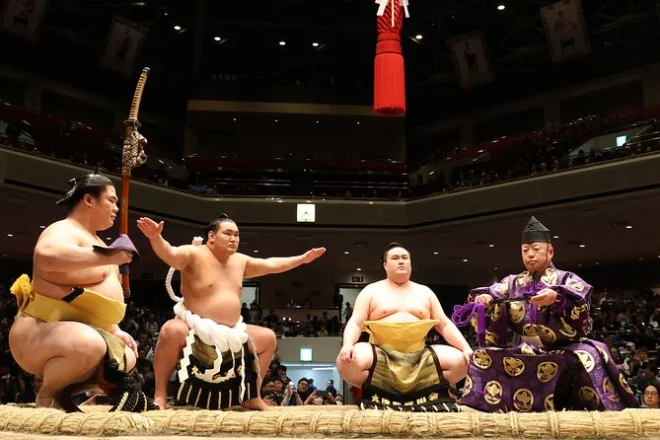
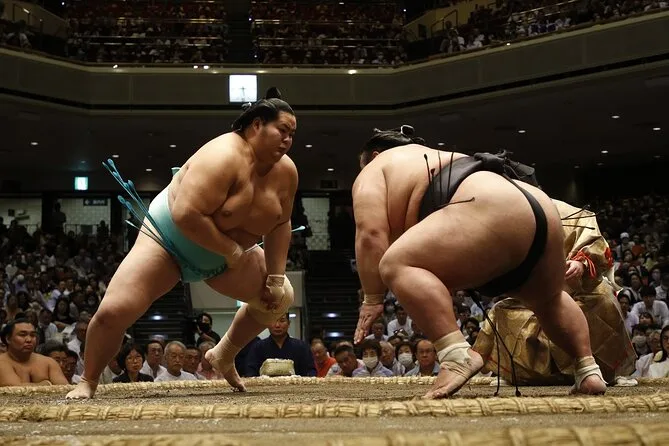
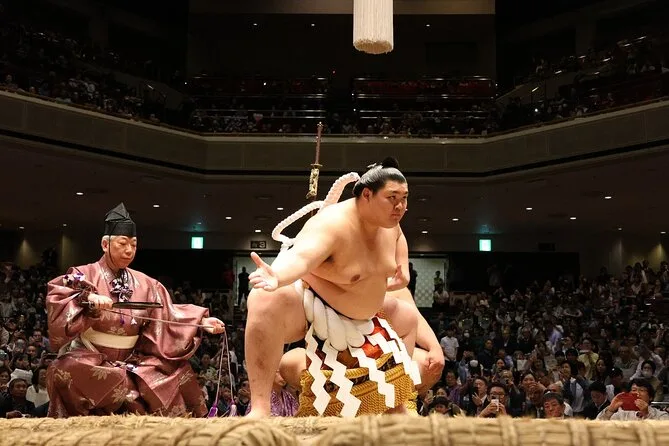
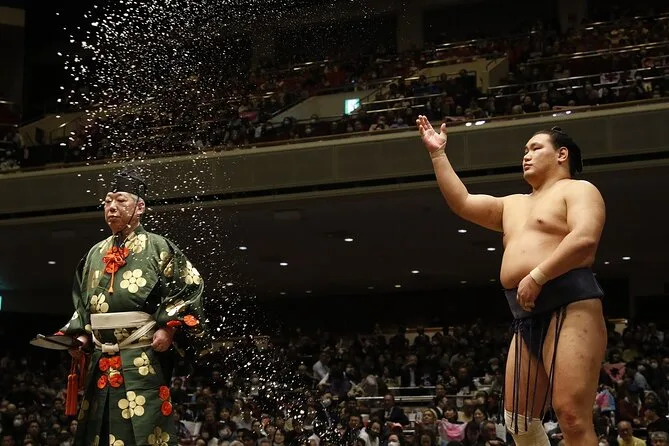
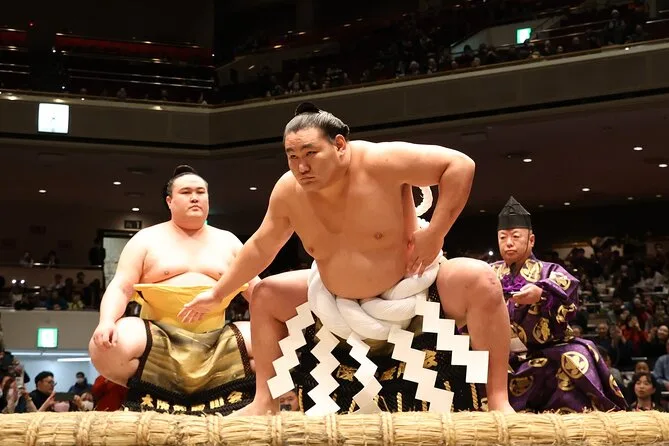
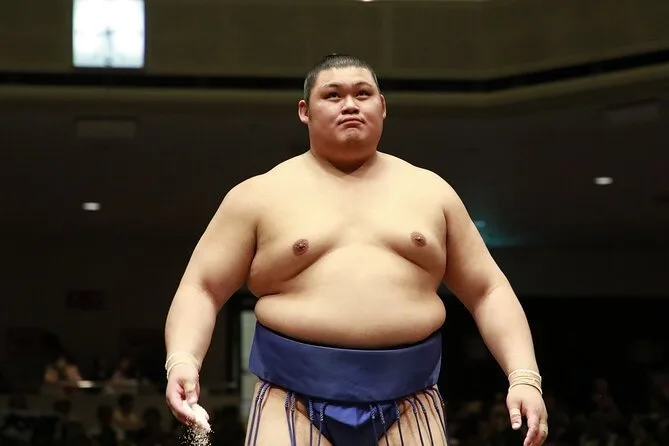
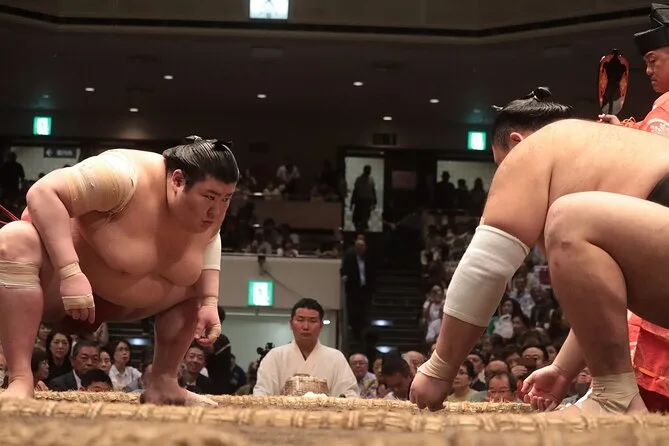
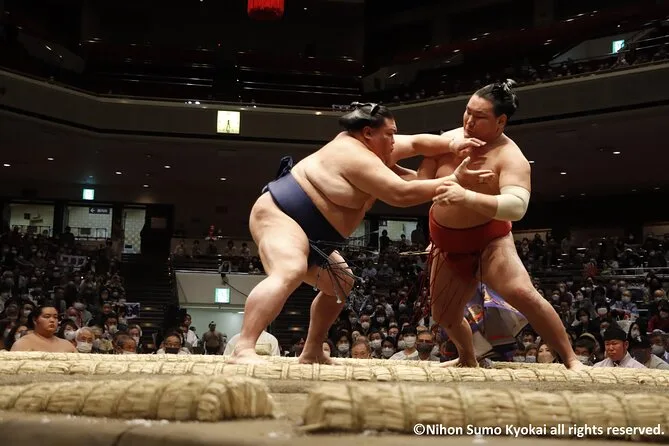
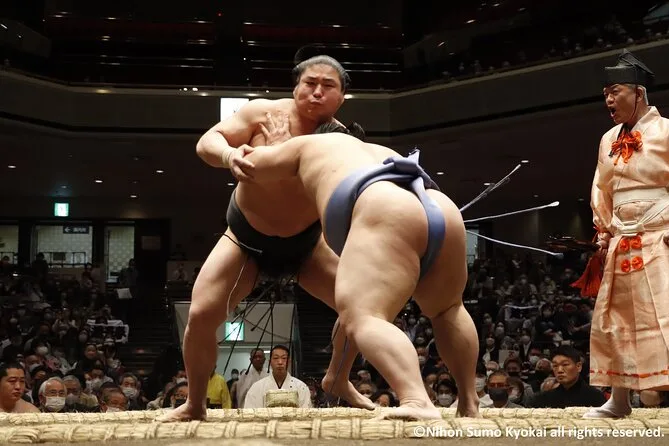
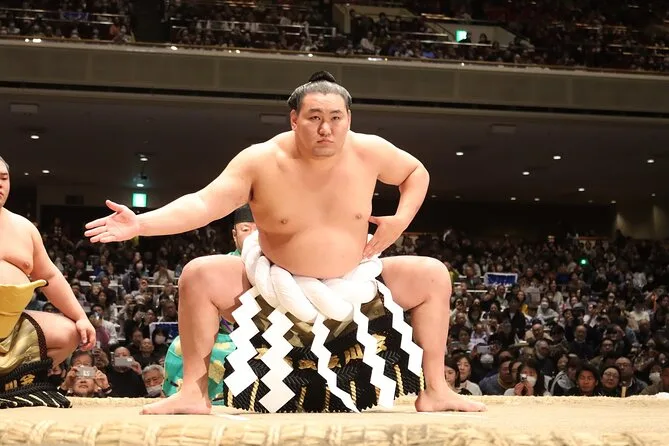
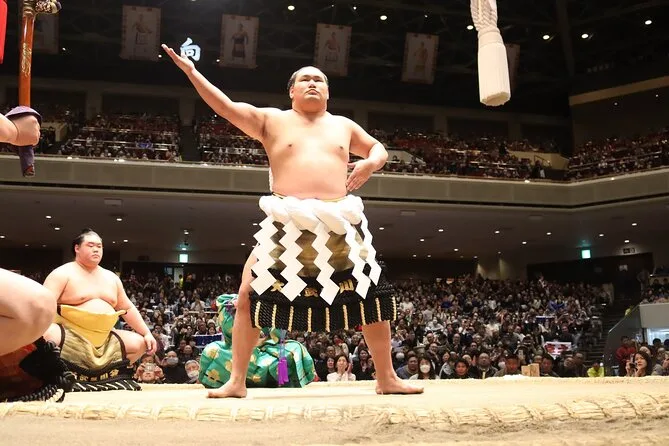
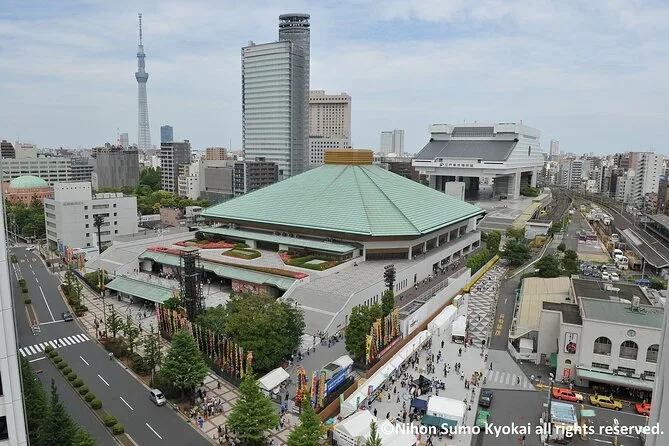
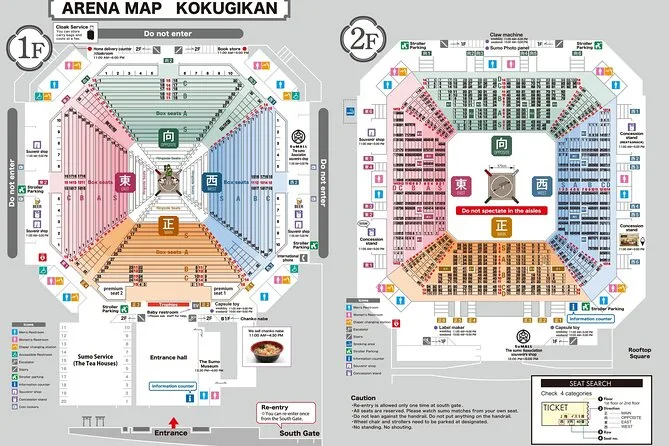
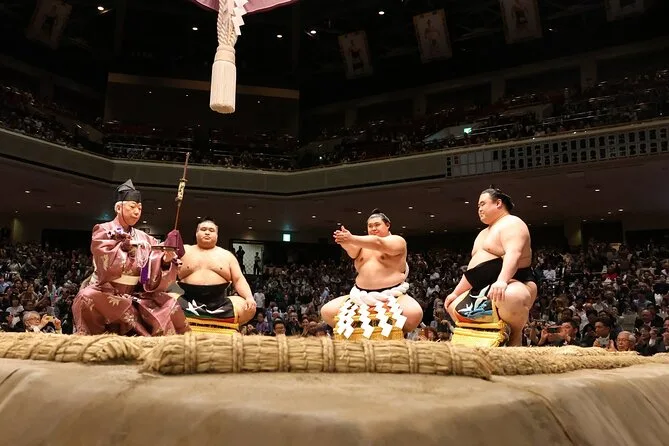
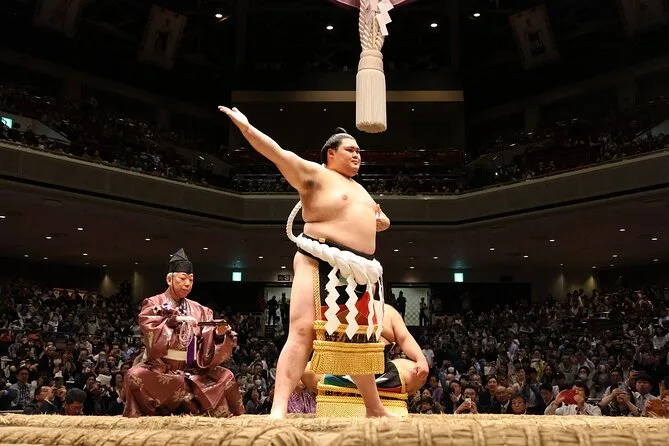
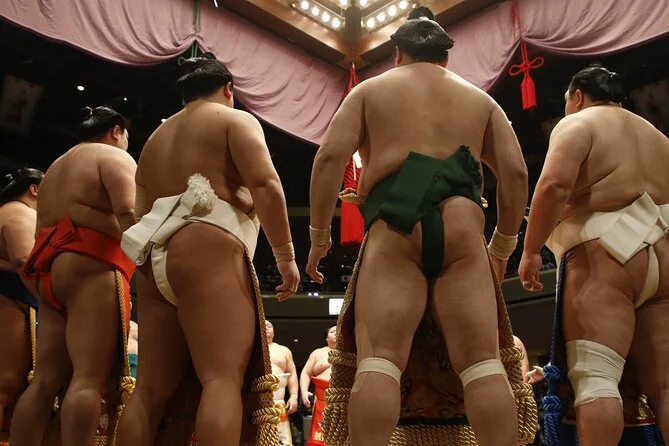
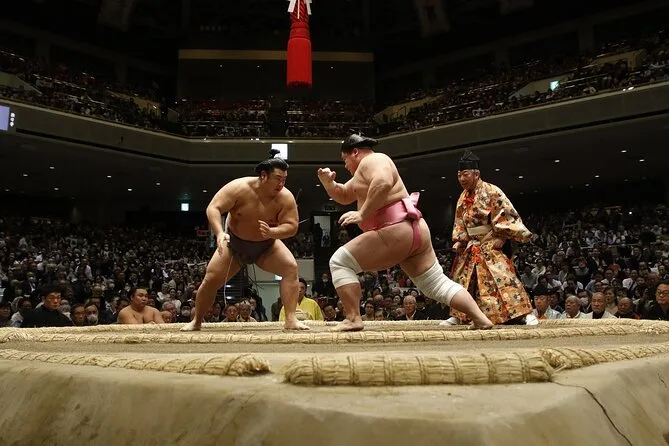
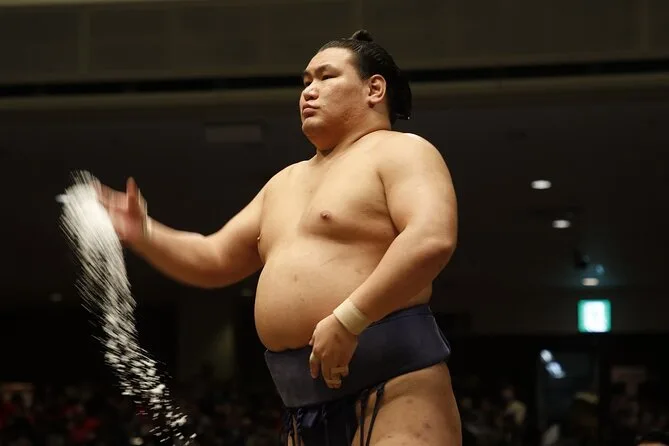
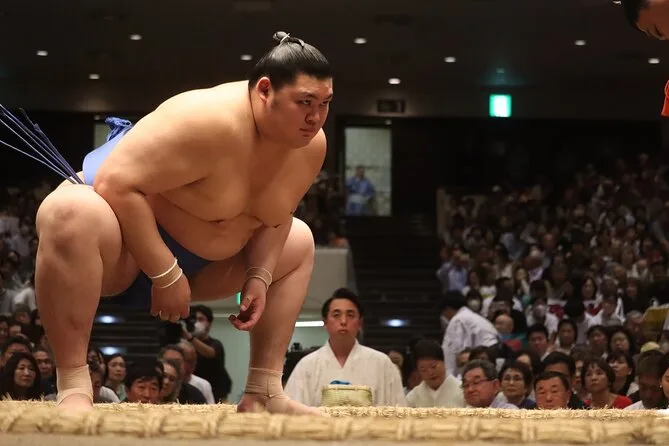
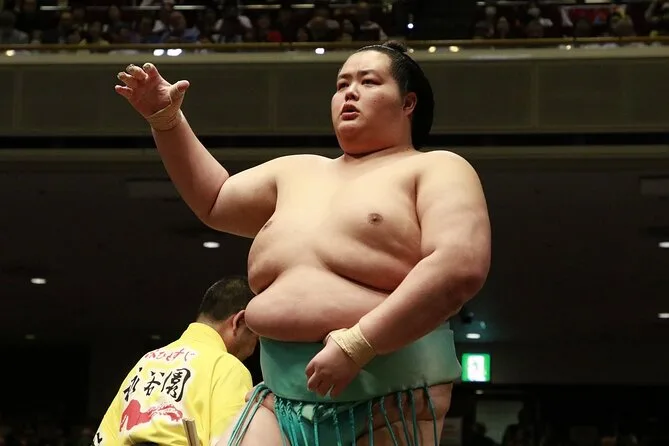
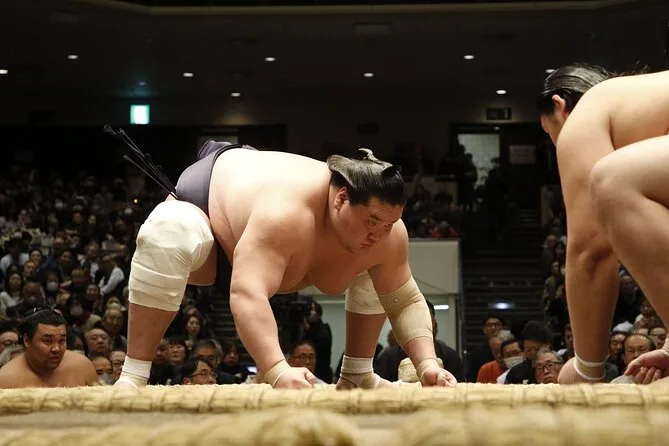
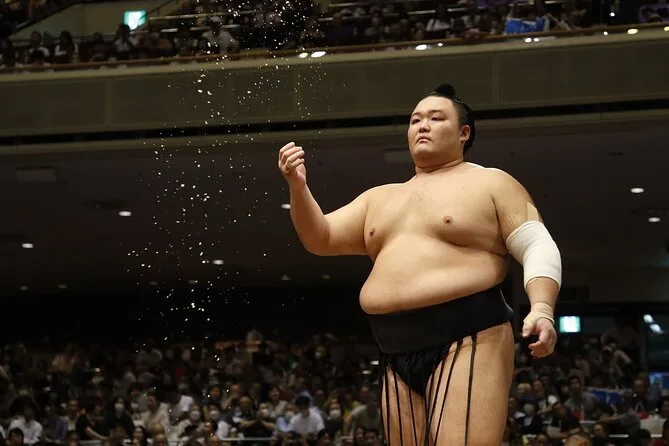
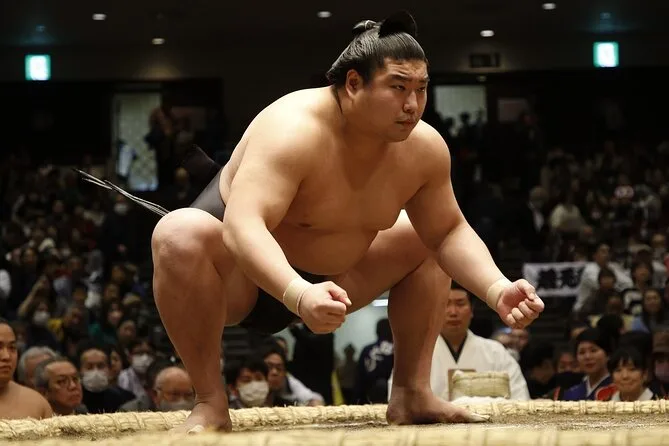

The referee's role traces back to 1467, and you'll see why the moment the Yokozuna enters the ring.
This tour puts you in a 2nd Floor chair seat at Tokyo's Ryogoku Kokugikan to watch sumo matches during an official tournament, guided in English by a certified interpreter who walks you through the ceremony, the wrestlers' rankings and the historical traditions that have shaped the sport since the Edo period. You choose between S-class, A-class or B-class seating; S and A options include a light snack and a cheering towel to take home. The guide gives a pre-match lecture, then you watch the Makuuchi Division wrestlers from 16:00 onwards, finishing with the bow-twirling ceremony at 18:00.
 4h–5h 30m

Step-by-step itinerary
Sumo tournament viewing and lecture
- Attend sumo lecture by expert guide
- Watch sumo matches from 2nd floor seats
- See Makuuchi Wrestler Ceremonial Entrance
- Visit arena entrance lobby and take photos
- Explore Sumo Museum exhibits
- Shop for sumo merchandise in arena

The Experience
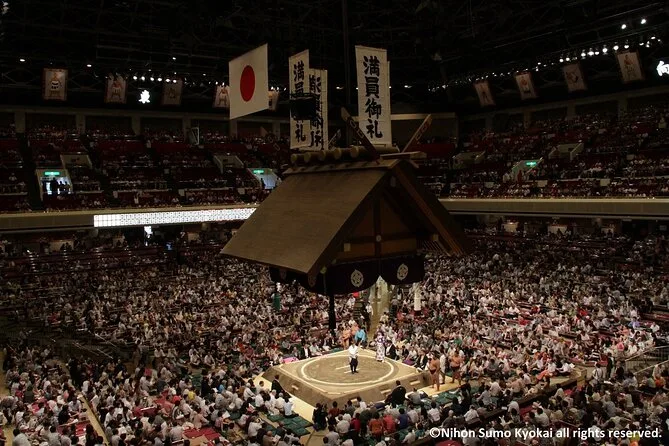
If you land in Tokyo with a free afternoon or want to see Japan's national sport live instead of on a screen, this tour solves the problem of finding the right tournament day, getting a seat and understanding what you're watching. The guide meets you at a set location, gives a lecture about sumo's origins, the match rules and how to read the banzuke ranking list, then takes you into Kokugikan—the only venue where official tournaments happen. You sit on the 2nd Floor in chair seating (the specific seat assignment comes on the day), and the guide stays with you to explain the ceremony as it unfolds.
The Makuuchi Division wrestlers enter at 15:40 with the Yokozuna Grand Champion ring entrance—the moment the crowd comes alive. From 16:00 to 18:00 you watch the matches themselves, and the bow-twirling ceremony closes the day at 18:00. If you book S-class or A-class seating, you get a Kokugikan specialty yakitori skewer and a drink partway through, plus a cheering towel printed with wrestler names or symbols. Before or after the matches, the arena's Sumo Museum holds woodblock prints, folding screens and ceremonial aprons from as far back as the Edo period; the lobby displays championship flags and is a popular spot for photos. Shops on the 1st and 2nd floors sell fans, stationery, sweets and sumo merchandise if you want to take something home beyond the towel.
Everyone on the tour gets "The Sumo," an English-language booklet with easy-to-understand explanations of the origins, the match rules, how to read the rankings and how to enjoy the ceremony—so you can follow along without the guide narrating every moment. The guide cannot provide explanations during the actual matches, the ring entering procession or the Yokozuna ceremony itself, so the booklet and the ranking table (also included) are your reference while those events happen. If your group is larger than the seat limit for your class, the booking will be split across multiple reservations, and you may be seated on different sides of the arena.

What’s included
- 2nd Floor chair seating in your chosen class (S, A or B).
- a National Government Licensed English Guide Interpreter for the pre-match lecture and tour.
- "The Sumo" booklet in English with explanations of origins, rules and how to read the rankings.
- a Banzuke-hyo ranking table.
- access to the Sumo Museum and arena lobby.
- for S-class and A-class seats, a light snack of yakitori and a drink, plus a cheering towel to take home as a souvenir.
Operated by JTB Global Marketing & Travel Inc.
Is this one for you?Choose S-class or A-class if you want the snack and towel included and don't mind paying more for a closer view; B-class gives you the same matches and guide at a lower price, though without food or a souvenir. The tour works best if you have a free afternoon and can commit to the full four to five and a half hours—the guide's lecture and the ceremony are part of what makes the live experience different from watching on television, so arriving on time matters.
Traveler reviews
Compare the 5 similar options
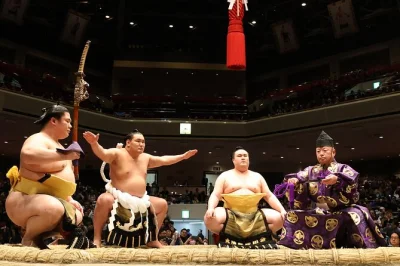 Tokyo Sumo Tournament Viewing Tour: 2nd Floor Seats English Guide★ 4.80 (872)4h–5h 30mENJP¥ 31,000
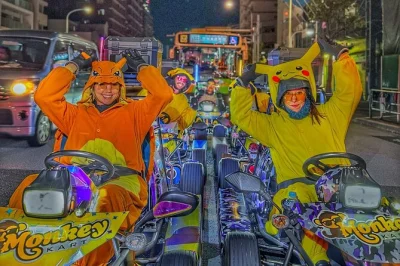 Tokyo Go Kart Tour: Asakusa, Skytree & Akihabara DriveFeel Tokyo’s energy driving a go kart past Skytree, Senso-ji Temple & Akihabara, with costumes, guide, photos & all permits explained. Includes water & printed photo.★ 4.81 (1,114)1h 10mENJP¥ 15,000View ›
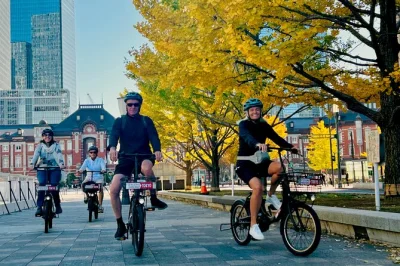 Tokyo: E-Bike City Tour with Sumo, Tsukiji & Akihabara StopsPedal Tokyo’s backstreets by e-bike, visit Tsukiji Market, meet sumo wrestlers in Ryogoku, and explore Akihabara’s pop culture. Includes bike rental & local guide.★ 4.92 (739)3hENJP¥ 9,800View ›
 Tokyo Backstreets Bike Tour: Asakusa & Sumo StadiumTokyo bike tour through Asakusa backstreets, Senso-ji Temple & Ryogoku Sumo Stadium. Includes water, snacks, helmet & local guide. 2-3 hours.★ 4.91 (124)4hEN · JAJP¥ 12,000View ›
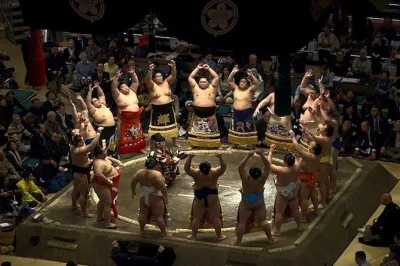 Sumo in Tokyo, Osaka, Nagoya: Live Tournament MatchesWatch live sumo matches at Japan's official tournaments with an English-speaking guide explaining every bout★ 4.87 (533)1dENJP¥ 27,800View ›
Top questions
What time do the sumo matches start and when does the tour end?
The Makuuchi Division wrestlers' matches run from 16:00 to 18:00, with the Yokozuna ring entrance at 15:40 and the bow-twirling ceremony closing at 18:00. The guide's pre-match lecture happens before you enter the seating area, so the full tour runs between four and five and a half hours depending on your seat class and when you arrive at the meeting point.
What's the difference between S-class, A-class and B-class seating?
All three are 2nd Floor chair seats at Kokugikan, and the specific seat is assigned on the day of the tour—you cannot choose it in advance. S-class and A-class both include a light snack (yakitori and a drink) and a cheering towel; B-class does not include food or a towel. The seating location may vary across the main, opposite, east and west sides of the arena depending on availability.
Can I bring my own food and drinks into the stadium?
No, food and drinks including alcohol cannot be brought into Kokugikan. You can purchase refreshments from the vendors inside the arena on the 1st and 2nd floors. If you book S-class or A-class seating, the yakitori and drink are provided as part of the tour.
What happens if I arrive late or need to join partway through?
Participants must join from the meeting location specified in advance and cannot join partway through the tour. If you arrive after the tour has started, you will not be able to participate.
Is the tour suitable for children and babies?
Children up to 3 years old can join and must sit on a parent's or guardian's lap while watching. Children ages 4 and up require their own seat. Stroller storage is available on the 1st and 2nd floors, but strollers cannot be brought into the seating area itself, and the arena takes no responsibility for theft. Parental permission in writing is required for all participants under 18, and anyone under 15 or not yet enrolled in middle school must be accompanied by a parent or guardian on the tour.
What should I know about the guide's role during the tournament?
Your National Government Licensed English Guide Interpreter gives a lecture before the matches begin and explains the ceremony, rankings and traditions as you watch. However, the guide cannot provide explanations or guidance during the actual sumo matches, the ring entering procession, speeches by the Sumo Association, or the ritual stomping ceremony. You may also have to wait to be seated if any of these events are underway when you arrive.
Tokyo Sumo Tournament Viewing Tour: 2nd Floor Seats English Guide
4h–5h 30m · EN
from JP¥ 31,000 per person
★★★★★★★★★★4.80872 reviews
