


Tokyo Ryogoku: Sumo Morning Practice & Photo Session




Summary
Sumo wrestlers’ morning rituals in Ryogoku with photo moments
You’ll sit quietly alongside locals in a real Tokyo sumo stable as wrestlers train just meters away, then stroll Ryogoku’s sumo-filled streets with your guide. Snap photos with wrestlers if allowed and pick up stories behind every ritual — it’s intense, humbling, and way more personal than you’d expect.

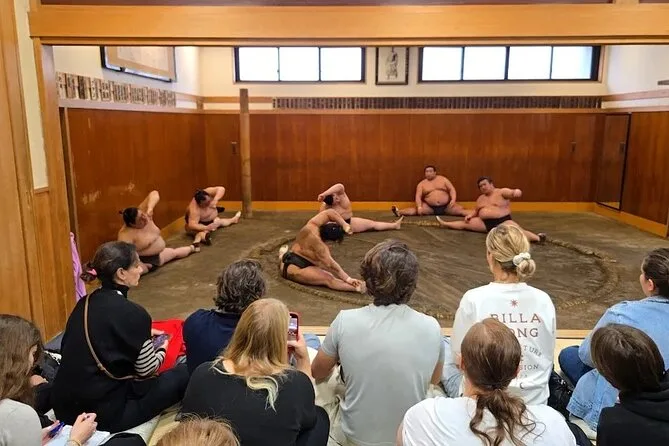
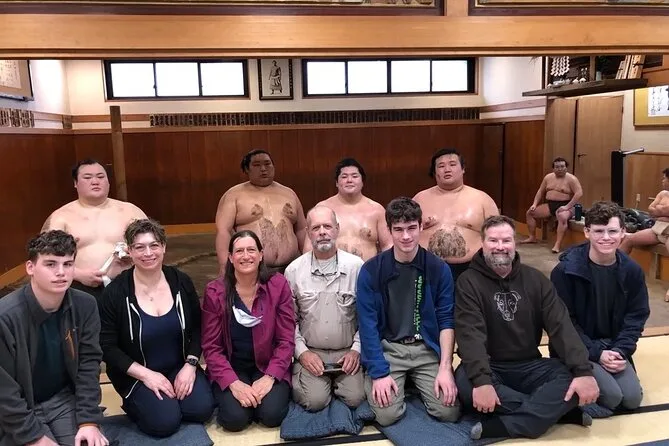
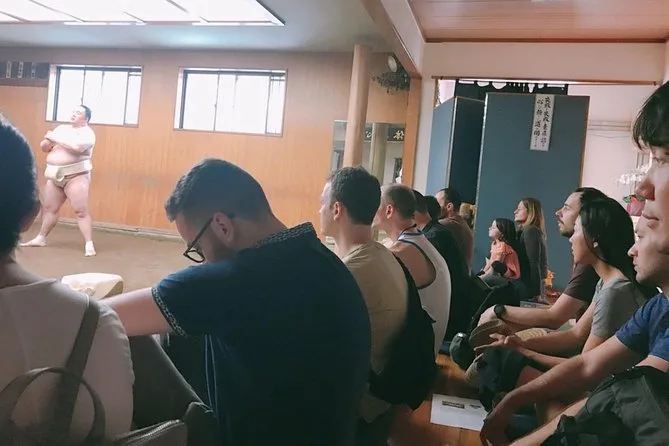
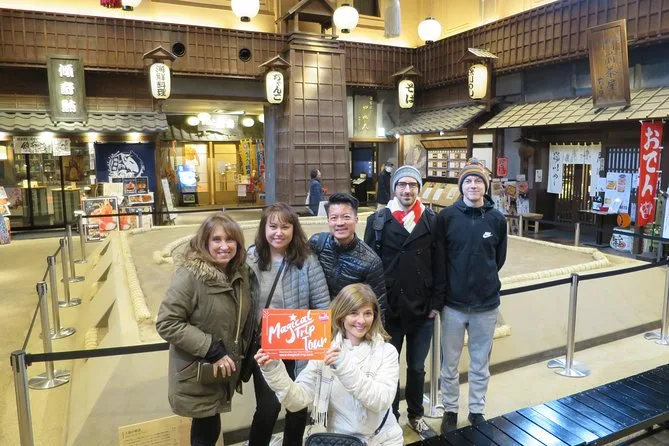
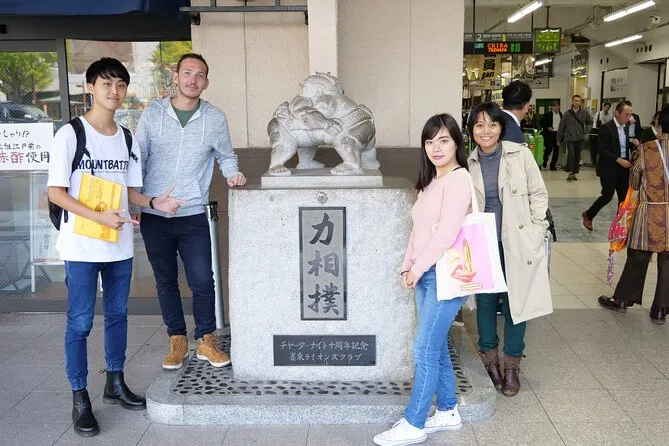
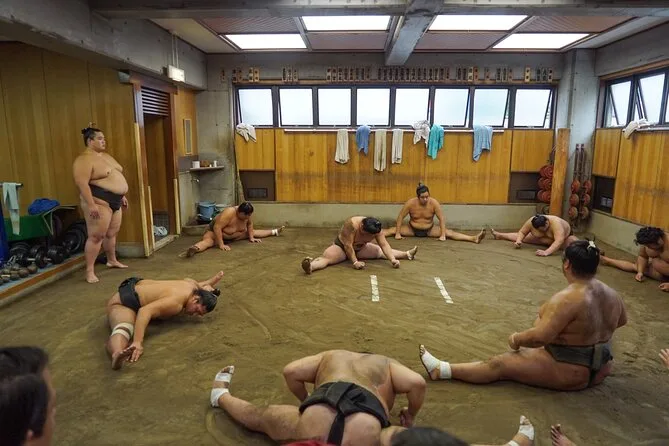
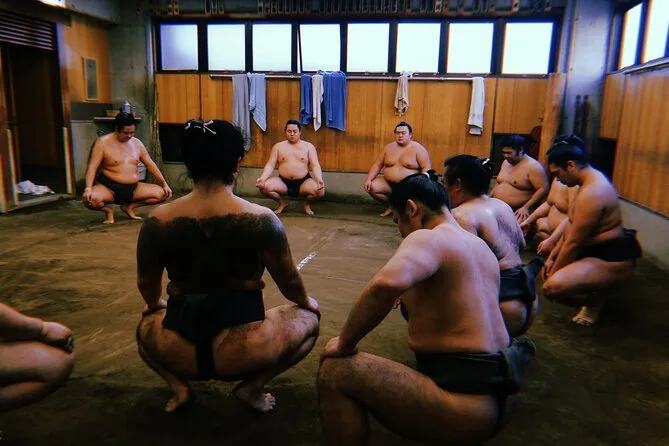
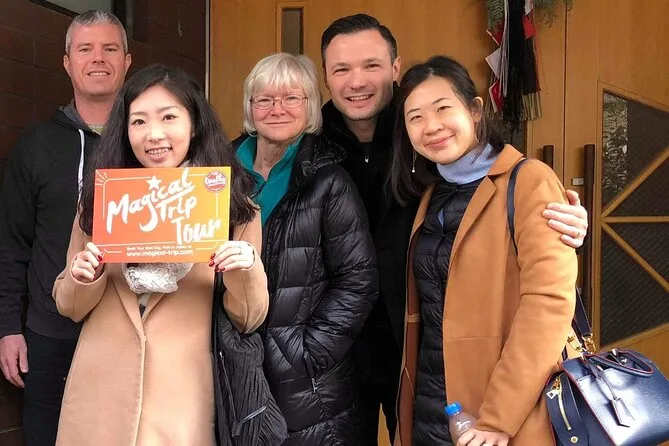
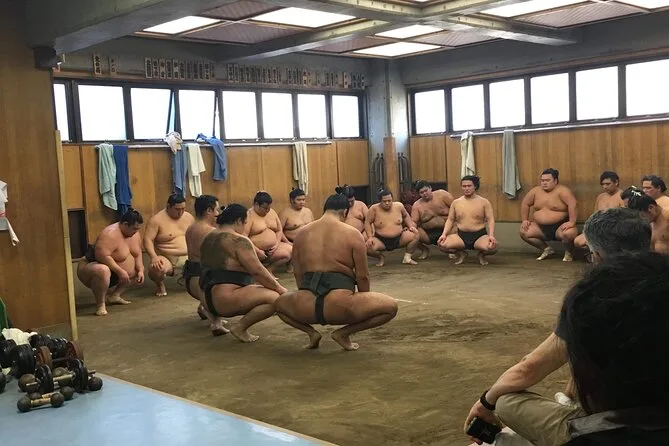
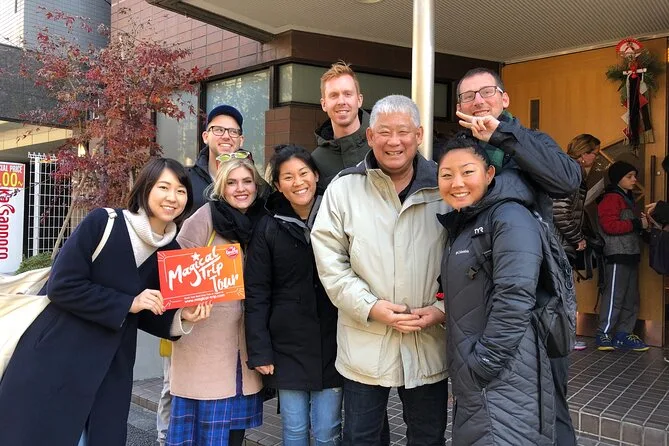
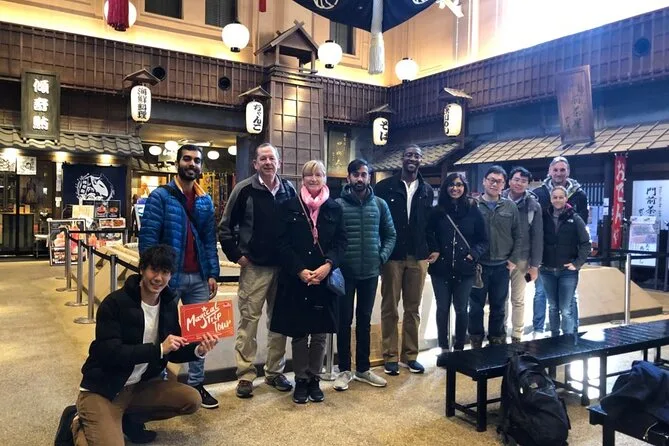
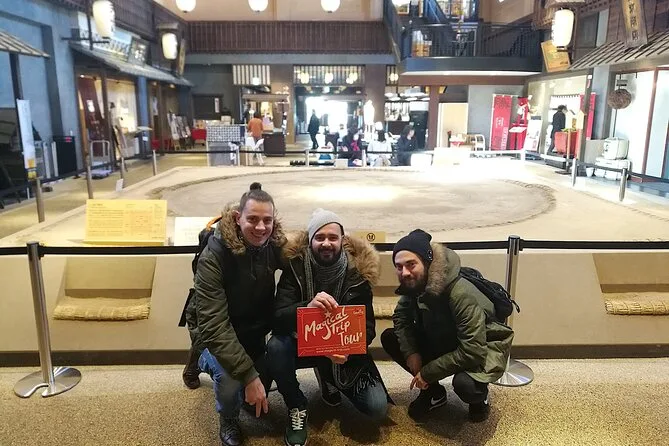
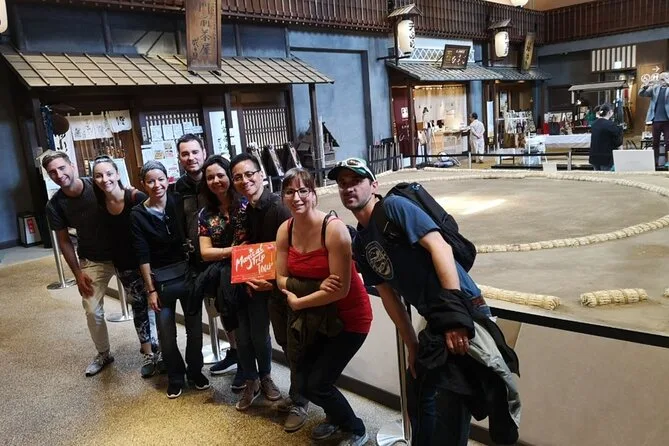
I’ll admit, I was nervous walking up to Ryogoku Station — not sure what to expect from a sumo morning practice. Our guide, Yuki, spotted me right away (the red MagicalTrip sign helps) and led us through quiet backstreets. There’s this thick hush before you even step inside the stable, like everyone’s holding their breath. The air smelled faintly of tatami and something savory drifting from a kitchen nearby. Shoes off, we sat cross-legged on the straw mat floor — not the most comfortable if you’re tall, but it felt right somehow.
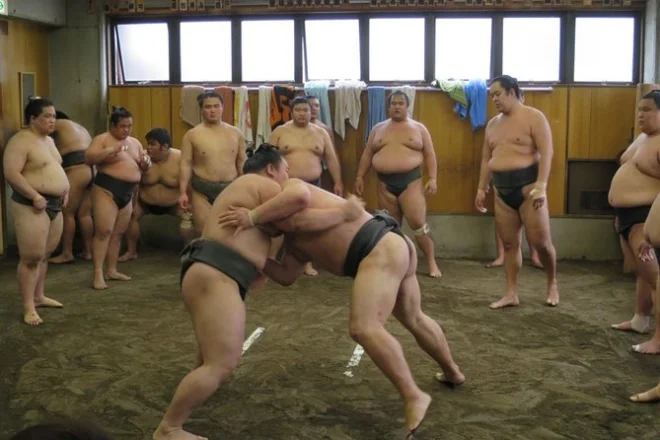
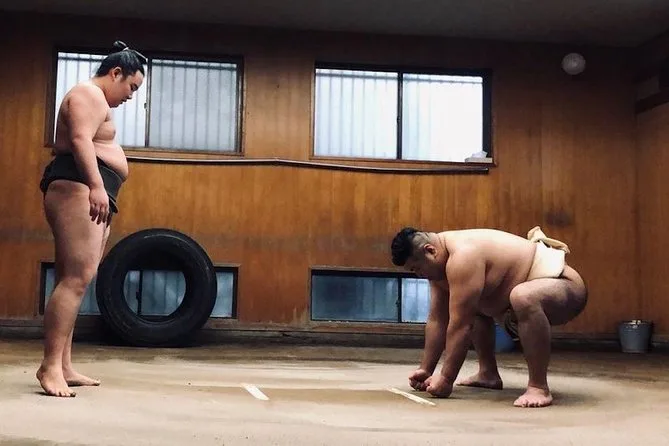
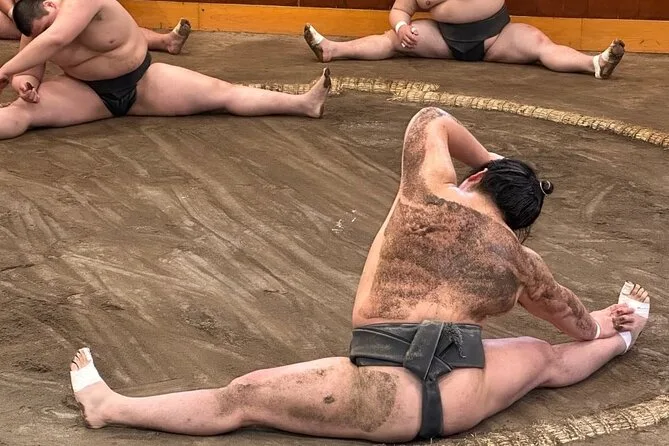
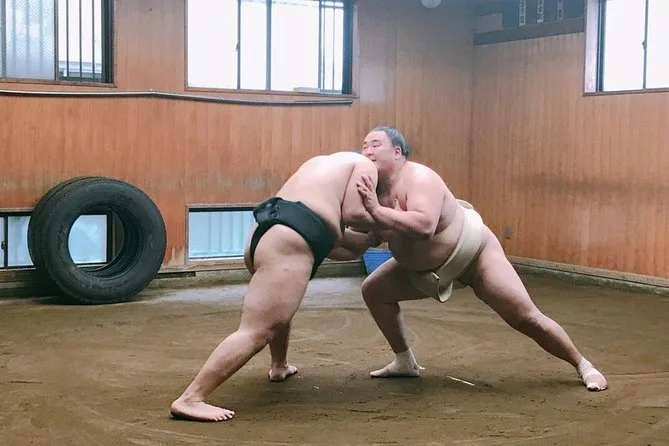
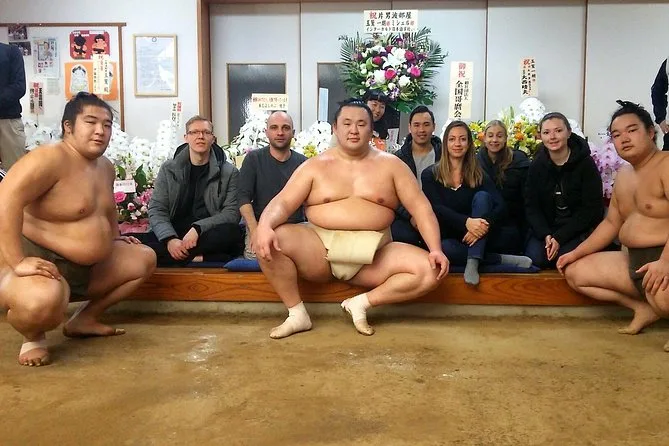
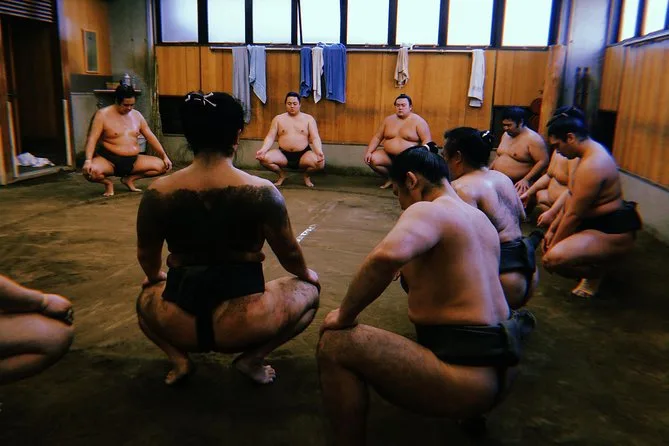
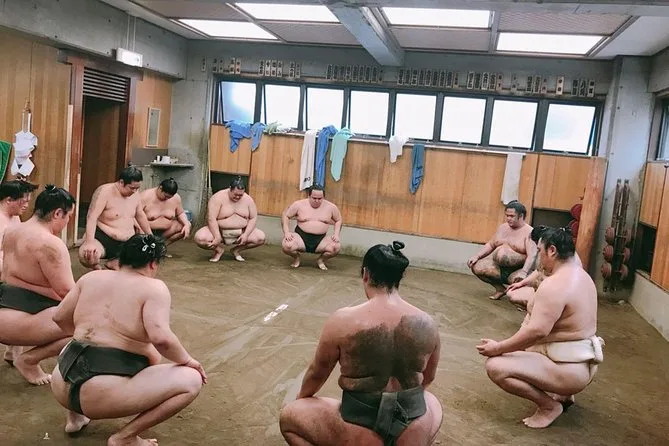
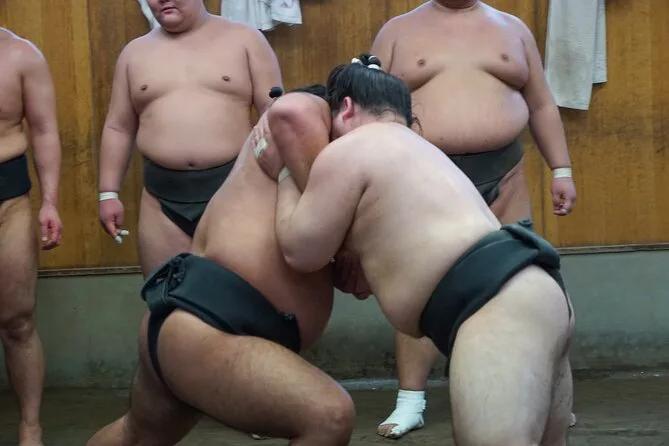
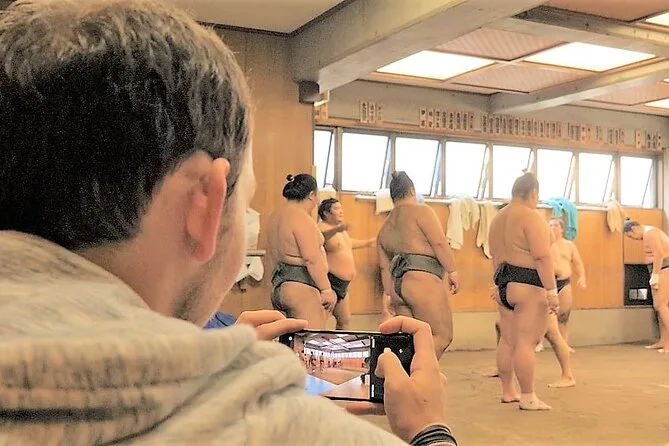
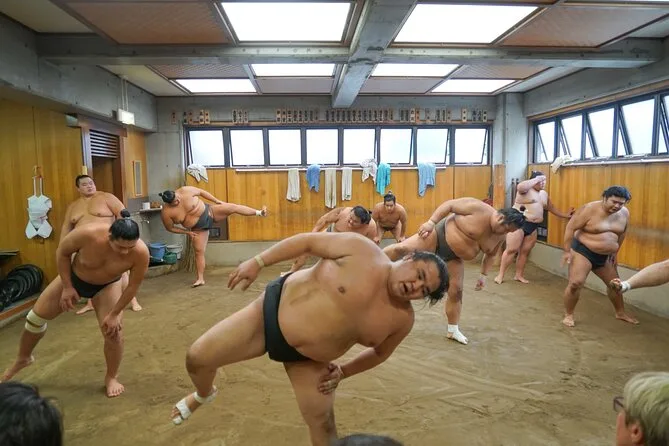
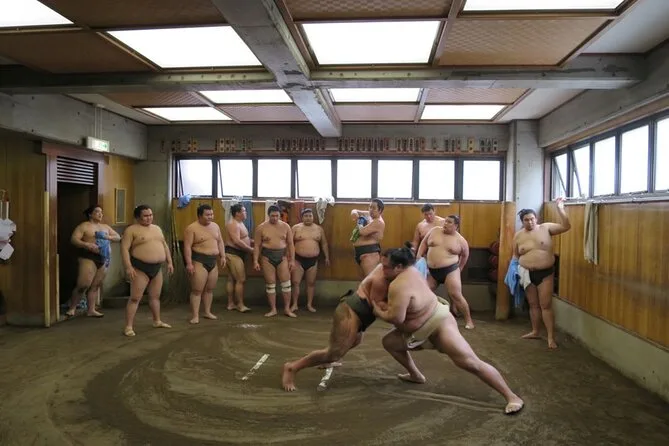
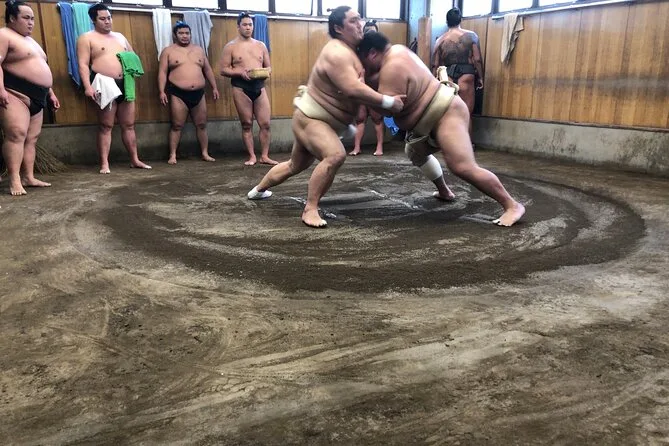
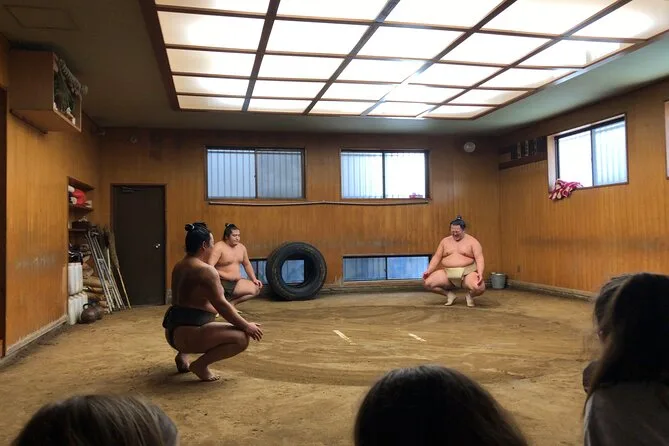
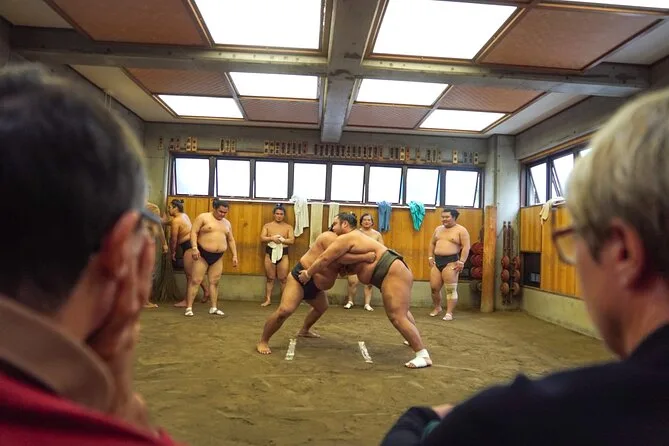
The first slam of bodies shook the room. It’s so different from watching sumo on TV — you feel every stomp in your chest. Nobody spoke; even Yuki just whispered little explanations about the rituals and rules between bouts. He passed around a booklet about sumo history (I still have it in my backpack), but honestly, I was too busy watching one wrestler tie his mawashi tighter while sweat dripped off his chin. You could see how much respect everyone had for the space — no phones out, just silence except for grunts and that rhythmic slap of flesh on flesh. It went on for almost two hours, but I lost track of time.
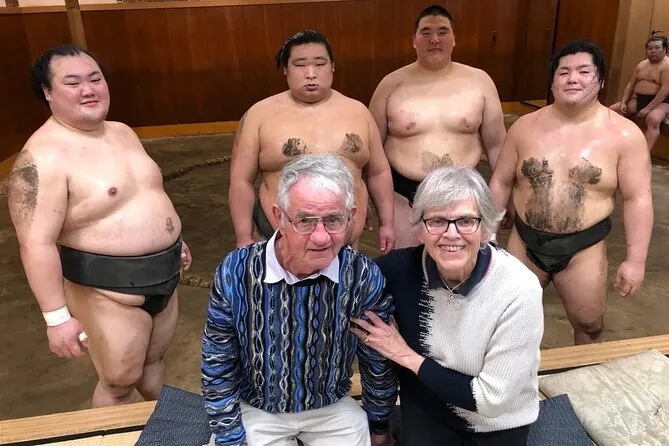
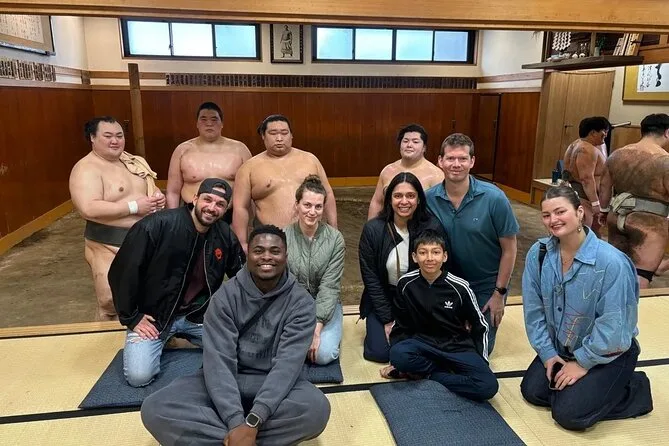
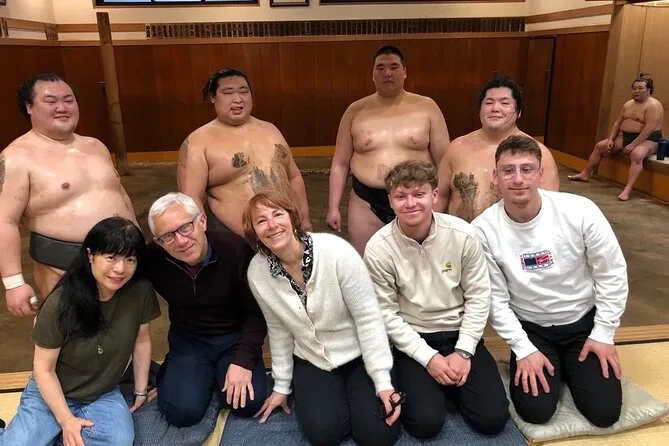
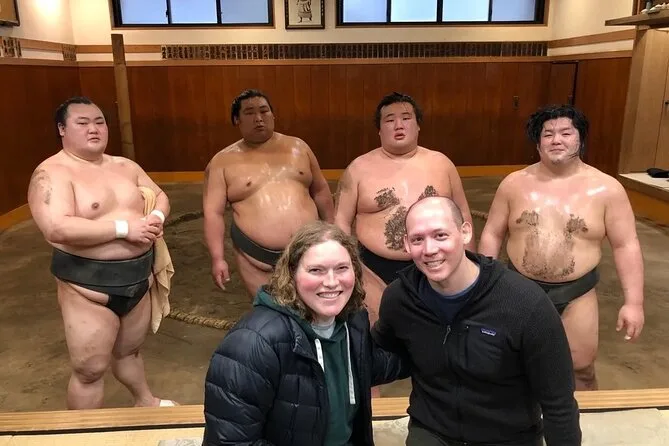
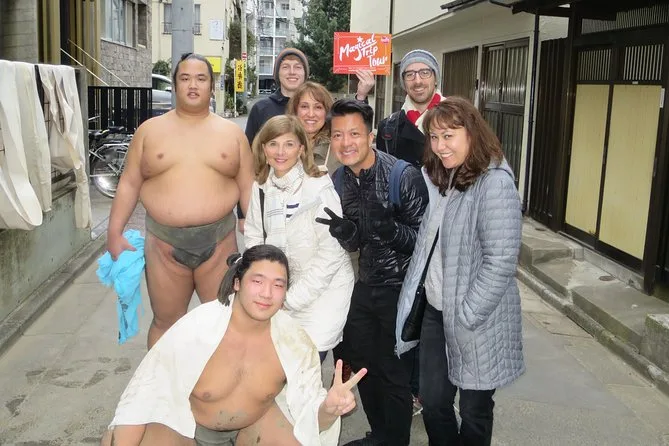
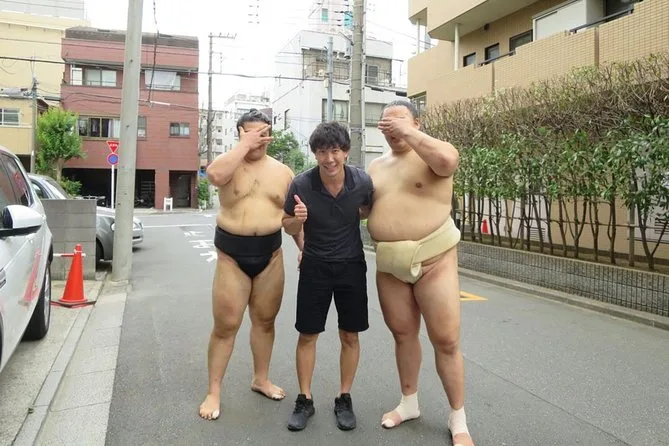
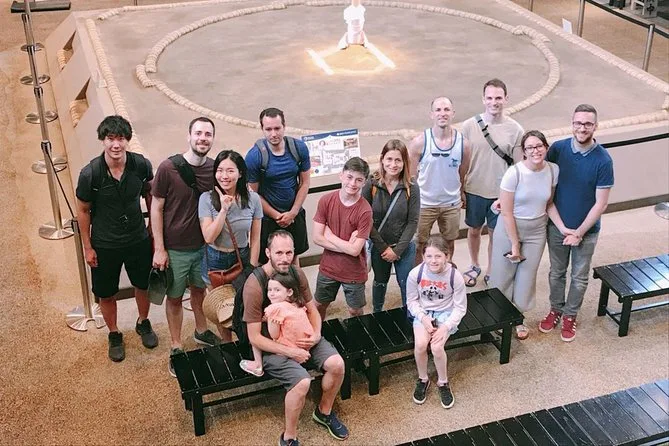
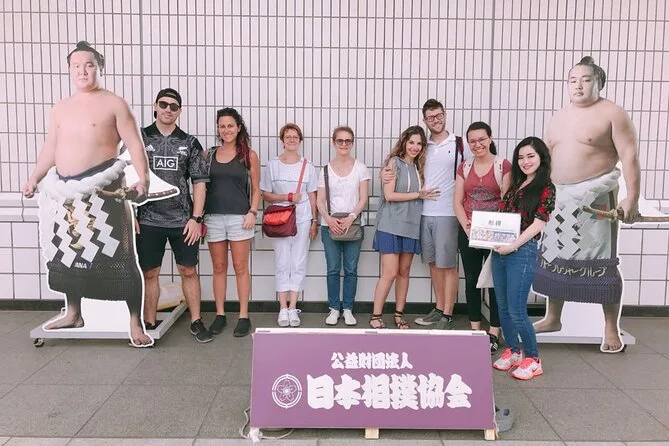
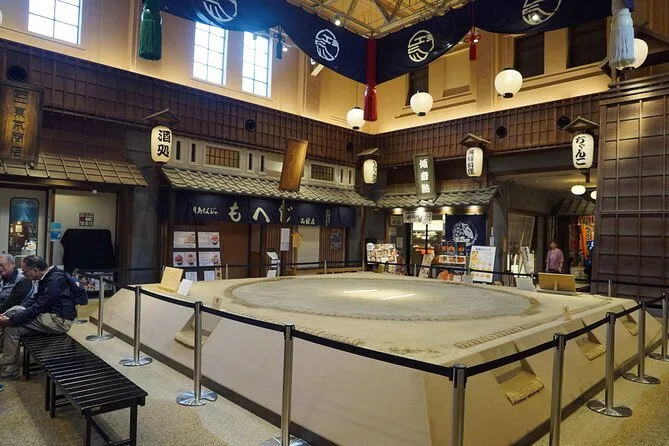
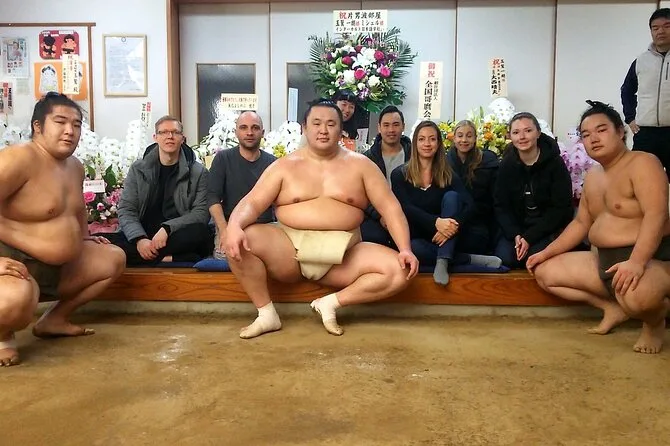
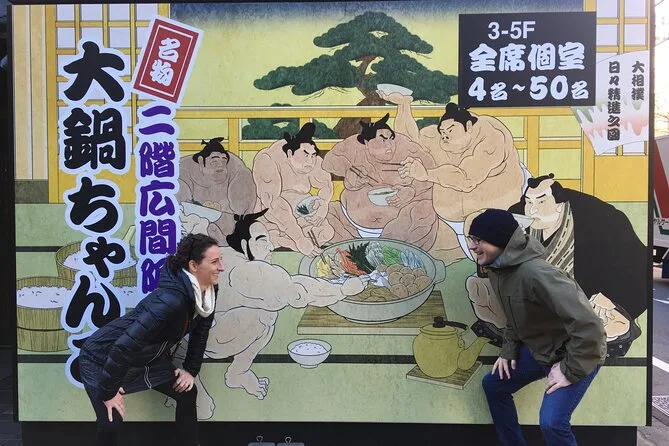
Afterwards, when we could finally talk again, Yuki took us through Ryogoku itself. The neighborhood feels shaped by sumo — there are murals everywhere and even the bakery had a cartoon wrestler painted on its window (I tried to say “sumopan” but probably butchered it; Yuki laughed). We got to take some group photos with a couple of wrestlers at the end — they’re massive up close but surprisingly gentle when they smile for the camera. I keep thinking about that moment when practice ended and everyone bowed together — something about it stuck with me.
 2h
2h

Step-by-step itinerary
Day 1 — Sumo practice and Ryogoku tour
- Meet guide at Ryogoku JR Station East Exit
- Walk to sumo stable with guide
- Watch sumo morning practice for 1-2 hours
- Explore Ryogoku sumo town with guide
- Walk back to Ryogoku station

Top questions

How long does the Tokyo sumo morning practice tour last?
The tour lasts around 2 to 3 hours including practice viewing and walking in Ryogoku.
Is hotel pickup included for this sumo tour?
No, you meet your guide at Ryogoku JR Station East Exit.
Can children join the Tokyo sumo morning practice tour?
No, only guests aged 12 or older can join due to stable rules.
Are photos with sumo wrestlers guaranteed?
No, photo opportunities depend on each stable’s policy that day.
Is seating provided during sumo practice?
Most stables require guests to sit on tatami mats; chairs are rarely available.
What should I bring or wear for this tour?
Comfortable clothes for sitting on the floor; bring water especially in summer as it gets hot and humid.
Will there be explanations about sumo traditions?
Yes, your local guide provides insights during breaks plus a handy booklet about rules and history.
What happens if I’m late to the meeting point?
If you’re more than 15 minutes late you can’t join or get a refund or reschedule.

What’s included
Your day includes entry into an active Tokyo sumo stable to watch morning practice up close (with all entrance fees covered), guidance from a local expert who shares stories and answers questions after practice ends, an easy-to-read booklet about sumo history and customs to keep, plus time for group photos with wrestlers at the end if permitted by the stable. All walking is done together from Ryogoku Station through sumo town landmarks before returning together afterwards.
 Super deal
  Free booking, free cancellation.
  Don't lose your place.


 Do you need help planning your next activity?


