
Kintsugi Workshop Tokyo: Learn Golden Joinery from a Master








Repair broken ceramics the way Japanese masters do, with gold instead of hiding the damage.
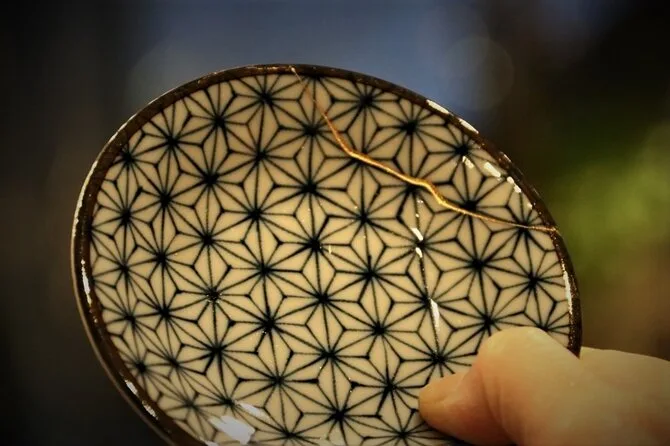
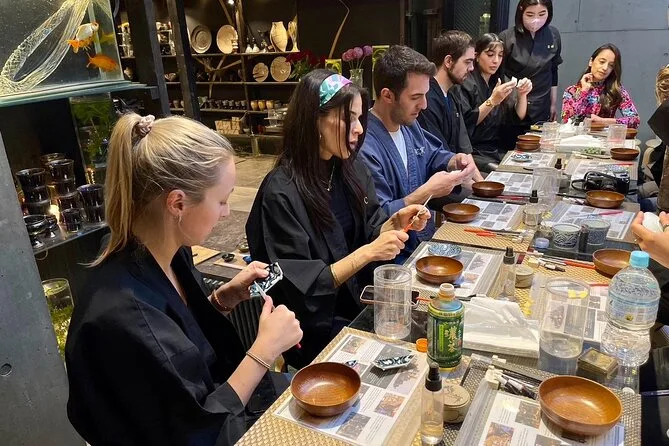
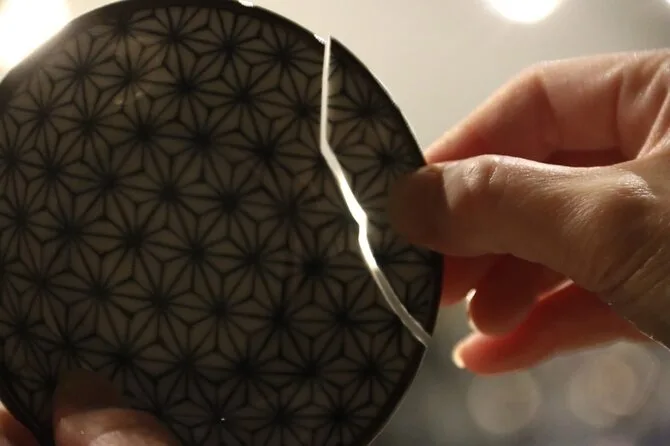
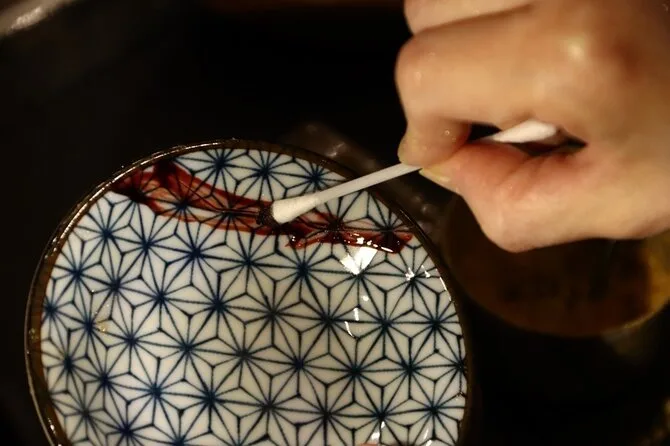
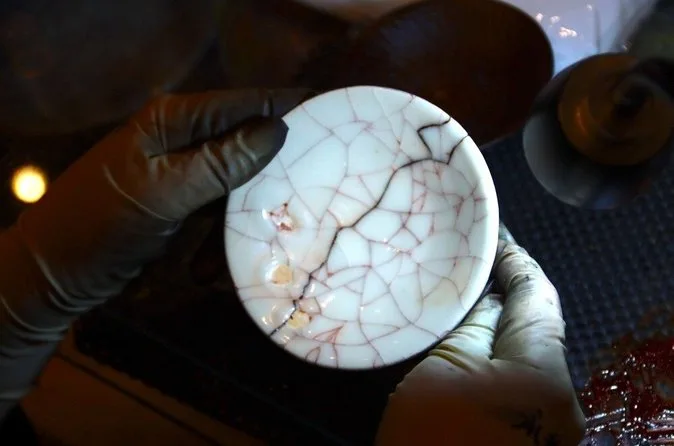
A kintsugi workshop in Tokyo where you repair a handcrafted ceramic vessel or small plate under instruction from a live English-speaking guide at the studio of Taku Nakano, a master kintsugi artist recognized by the Emperor of Japan. The studio merges a working atelier with a gallery of his own pieces, and all materials—synthetic lacquer, adhesive, and gold powder—are provided; your finished work goes home as a decorative piece.

The Experience
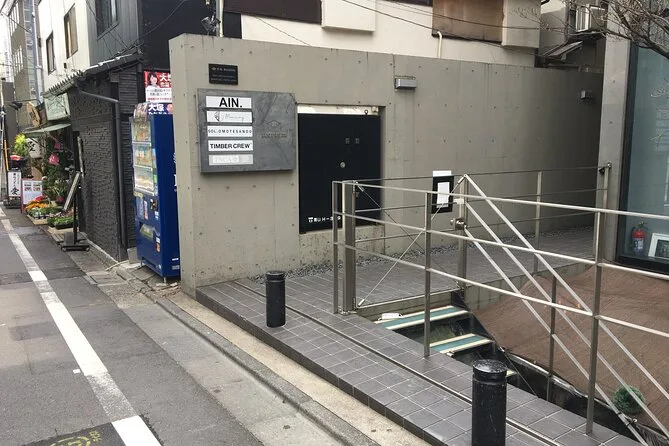
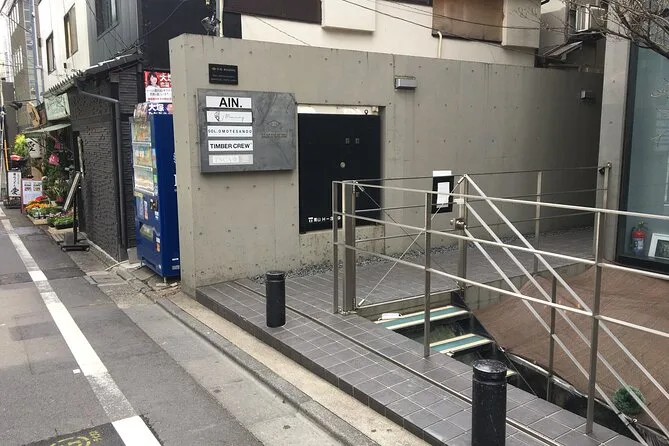
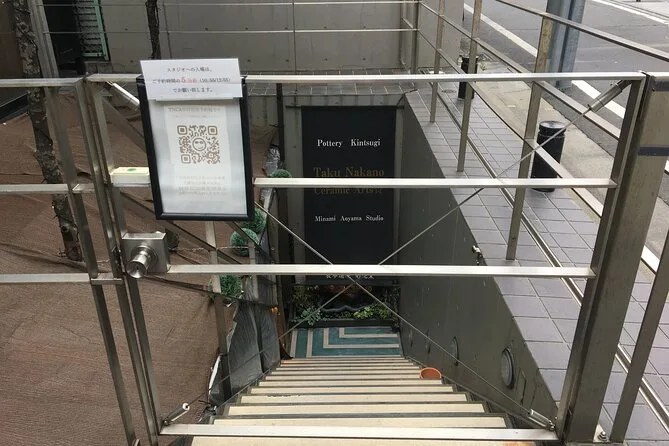
What does it mean to repair something so it becomes more beautiful than before? That's the philosophy behind kintsugi, the Japanese art of joining broken ceramics with gold. At Taku Nakano's studio in Omotesando, you'll learn this technique hands-on. Nakano is a soloist who developed his own method rooted in wabi-sabi aesthetics—the beauty of imperfection—and his work has been exhibited in New York and recognized with the Order of the Dark Blue Ribbon from the Emperor of Japan. The studio itself is unusual: it functions as both a working space where Nakano creates and a gallery where you can view and purchase his pieces.
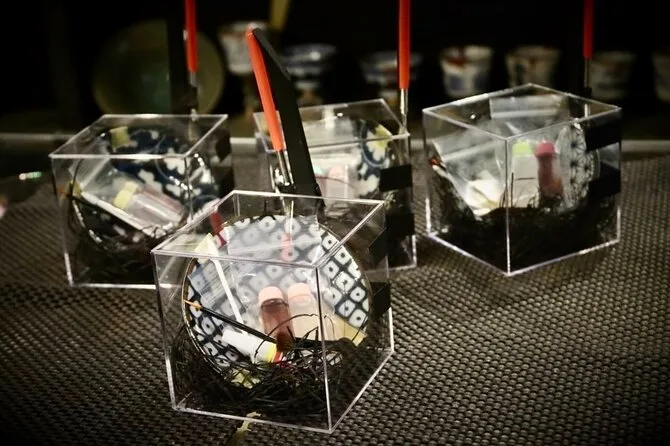
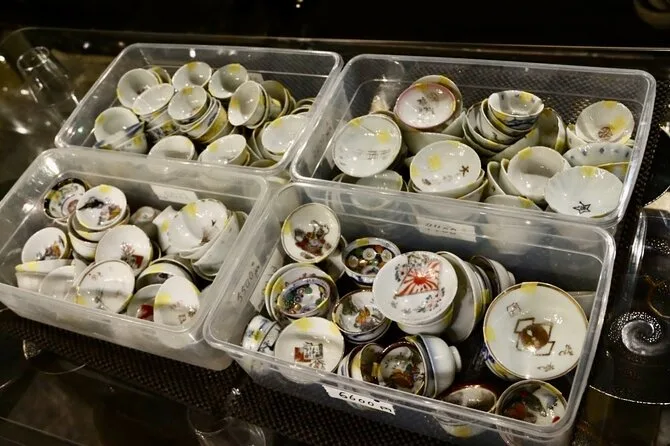
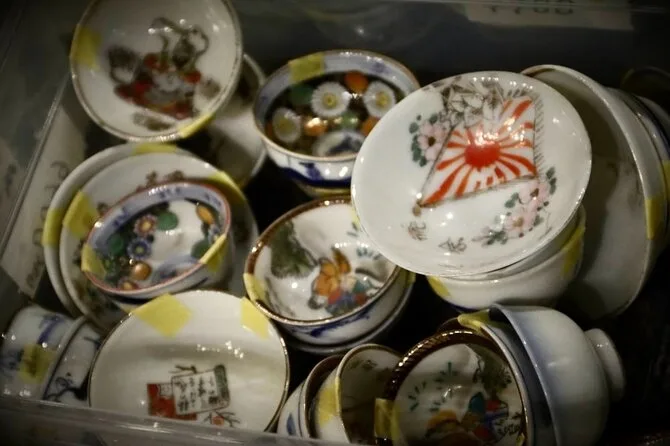
You choose between two options at checkout. Option C, yobitsugi, involves joining pieces of different colors or materials to the damaged area—a higher form of kintsugi that combines thin lines with intentionally thicker, irregular sections to highlight imperfection. Option D lets you select from five traditional Edo-period designs and apply kintsugi to a small plate. Both use synthetic lacquer that won't irritate skin, along with adhesive and substitute gold powder. The atelier provides the ceramic piece you'll repair; you cannot bring your own. All equipment is included, and you take your finished work home as a decorative piece—it's not intended for food use.
The workshop runs about an hour and welcomes everyone from children (age 6 and up) to complete beginners. A live English-speaking guide leads the instruction. The studio is wheelchair accessible, and public transportation options are nearby if you're traveling without a car.

What’s included
- All materials and equipment for the workshop.
- the ceramic piece you repair during the lesson.
- your finished kintsugi work to take home.
- instruction from a live English-speaking guide.
Operated by Beauty of Japan
Is this one for you?Choose yobitsugi (Option C) if you want to learn a more advanced technique using contrasting materials and colors; choose the Edo Komon plate (Option D) if you prefer a more straightforward introduction with a traditional pattern you select yourself. Either way, you're learning from a master artist in his actual studio, not a commercial workshop, which is why the instruction and the pieces themselves carry a different weight.
Traveler reviews
Compare the 13 similar options
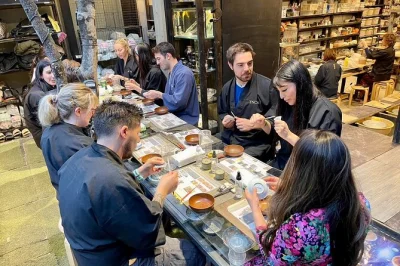 Kintsugi Workshop Tokyo: Learn Golden Joinery from a Master★ 4.89 (499)1hENJP¥ 9,900
 Tokyo Shinjuku: Sumo Show, Photo & Drinks with Real WrestlersStep into Tokyo’s Shinjuku for a sumo show up close—watch live matches, try a sumo challenge, snap photos, and enjoy a welcome drink. Includes bilingual guide.★ 4.94 (4,117)1h 30mENJP¥ 12,000View ›
 Tokyo: Tsukiji Fish Market Tour & Sushi Making with ChefWalk Tokyo’s Tsukiji Market, taste fresh flavors, and learn sushi making from a local chef. Includes guided tour, hands-on class, and lunch with tea and soup.★ 4.88 (976)4hENJP¥ 15,700View ›
 Tokyo Asakusa: Tea Ceremony with Kimono & Two-Bowl MatchaFeel the quiet beauty of a real Tokyo tea ceremony in Asakusa, try kimono dressing, taste seasonal wagashi, and prepare your own matcha—includes English guidance.★ 4.99 (220)1h 30mEN · JAJP¥ 8,820View ›
 Tokyo Shibuya Crossing & Hachiko: Private Walking TourShibuya walking tour with local guide: Hachiko Statue, Scramble Crossing, Shibuya Center Gai, matcha break, JUMP SHOP. Guide takes and shares photos.2h 30mENJP¥ 9,921View ›
 Tokyo Shinjuku: Food Tour 13 Dishes & 4 Local EateriesSmall-group food tour in Tokyo's Shinjuku with 13 dishes at 4 local spots: izakaya, stall, traditional restaurant & gastrobar. Includes 2 drinks & expert guide.★ 4.94 (9,689)3hENJP¥ 13,000View ›
 Tokyo Imperial Palace & Edo Castle Ruins Walking TourTour Tokyo Imperial Palace East Gardens and Edo Castle ruins with an English-speaking guide. See samurai history, stone gates, and Ninomaru Garden. Wheelchair accessible.★ 4.95 (3,152)2hENJP¥ 2,000View ›
 Tokyo: Shibuya Food Tour with Izakaya & 13 Local DishesStep into Shibuya’s lively streets on a guided food tour, tasting 13 dishes across four izakayas and bars. Includes all food, drinks, and a local guide.★ 4.91 (1,232)3hEN · JAJP¥ 13,000View ›
 Tokyo Tsukiji Fish Market Food and Walking TourStart at Tsukiji Hongwanji Temple, then walk the fish market with a local English-speaking guide, tasting sushi, omelets and street food at vendor stalls along the way.★ 4.94 (2,050)2hEN · JAJP¥ 5,000View ›
 Tokyo Imperial Palace: 2-Hour Walking Tour & Nijubashi Bridge2-hour guided walking tour of Tokyo Imperial Palace with local expert. Small groups, Nijubashi Bridge, East Gardens, samurai history included.2hEN · ZHJP¥ 7,833View ›
 Tokyo: Edo Castle & Imperial Palace Samurai Walking TourEdo Castle secrets, samurai history & Imperial Palace gardens in small groups under 10. Expert guide, 2,600-year imperial legacy, English-only tour from Tokyo Station.★ 4.95 (1,812)2hENJP¥ 2,000View ›
 Shinjuku: Food Tour with 15 Dishes & Memory Lane StopsFollow a local guide through Shinjuku’s lively alleys, taste 15 dishes at hidden spots, see Godzilla Head, and wander Memory Lane. Includes all food & drinks.★ 4.95 (527)3hENJP¥ 13,000View ›
 Tokyo & Mt. Fuji Private Tour: Custom Itinerary, Pickup & DriverFeel Tokyo’s pulse from Shibuya Crossing to Senso-ji Temple, with a private English-speaking driver, hotel pickup, and flexible stops—even Tsukiji Market snacks.★ 4.96 (329)9hEN · RU +1JP¥ 53,371per groupView ›
Top questions
What exactly is kintsugi, and how is it different from just gluing ceramics back together?
Kintsugi is a Japanese art form that repairs broken pottery by joining the pieces with gold or gold-colored material, celebrating the break rather than hiding it. The technique embraces wabi-sabi, the aesthetic philosophy that finds beauty in imperfection and impermanence. Unlike standard repair, kintsugi intentionally makes the damage visible and transforms it into the most beautiful part of the object.
Can I bring a broken piece from home to repair, or does the workshop provide one?
The atelier provides the ceramic piece you'll repair during the workshop; you cannot bring your own. For Option C, you'll work on a handcrafted vessel made by Taku Nakano. For Option D, you'll choose from five traditional Edo-period designs and repair a small plate.
What's the difference between the two workshop options?
Option C teaches yobitsugi, a higher form of kintsugi where you join pieces of different colors or materials to the damaged area, combining thin lines with thicker, irregular sections. Option D is more accessible—you select a traditional Edo-period design and apply kintsugi to a small plate. Both are hands-on and suitable for beginners.
Who is Taku Nakano, and why does his studio matter?
Taku Nakano is one of Japan's foremost kintsugi masters and ceramic artists. He developed his own "Okunodoi Method" through self-study, rooted in wabi-sabi aesthetics. His work has been exhibited internationally in New York, and his contributions to art have been recognized with the Order of the Dark Blue Ribbon, awarded by the Emperor of Japan. His studio in Omotesando functions as both a working atelier and a gallery where you can view and purchase his pieces.
Will the materials used cause skin irritation or allergic reactions?
The workshop uses synthetic lacquer that does not cause skin irritation, along with adhesive and substitute gold powder. These materials are safe for hands-on use during the class.
Can I use my finished kintsugi piece to eat or drink from?
Your finished work is for decorative purposes only and not intended for food use. It's designed to be displayed as a piece of art that celebrates the beauty of repair.
Kintsugi Workshop Tokyo: Learn Golden Joinery from a Master
1h · EN
from JP¥ 9,900 per person
★★★★★★★★★★4.89499 reviews
