
Tokyo Food Tour: Edo to Akihabara, 14 Tastings & Small Group
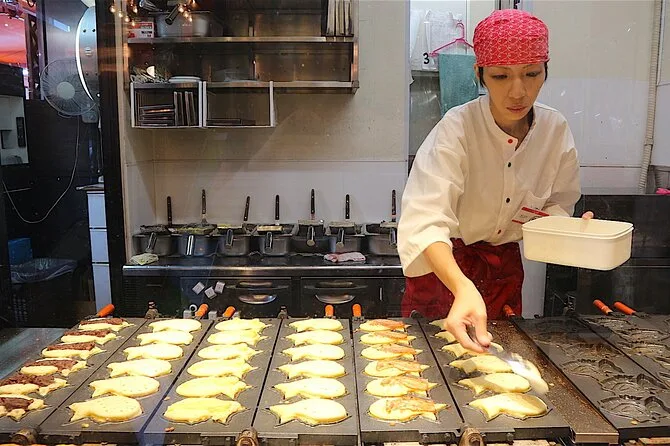
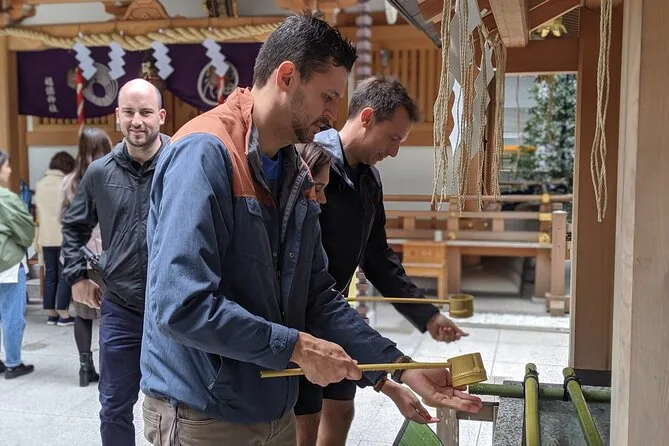
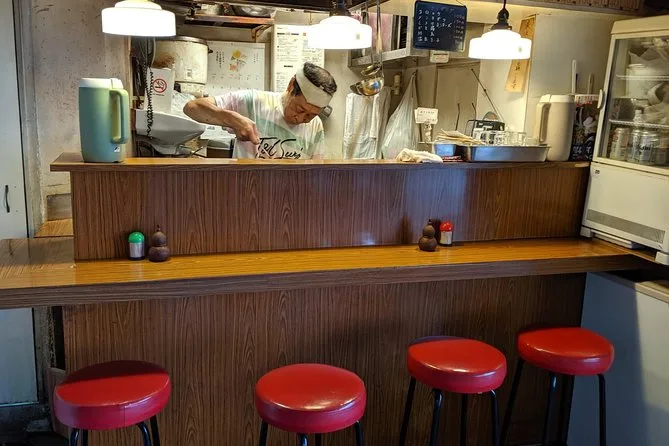

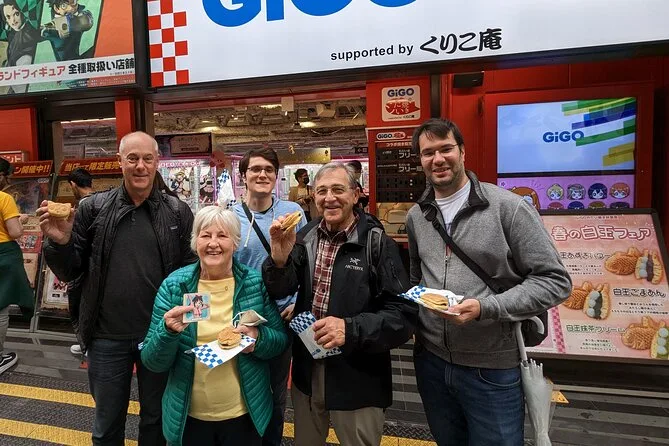
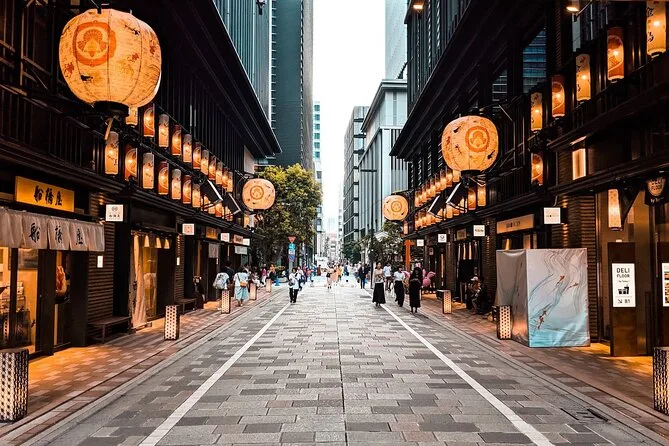

Three Tokyo neighborhoods, three eras of food — 14 tastings in 5.5 hours
You walk through Nihonbashi, Ginza and Akihabara over 5.5 hours, tasting 14 Japanese foods from Edo-period shops, postwar izakayas, and modern fusion desserts. The tour handles the route and the reservations; you bring an appetite and the ability to walk about 4 miles with subway stairs. Public transport gets you between neighborhoods, and the guide handles the history and the context.
 5h 30m

Step-by-step itinerary
Explore Tokyo's food history and culture
- Start in Nihonbashi, learn key ingredients
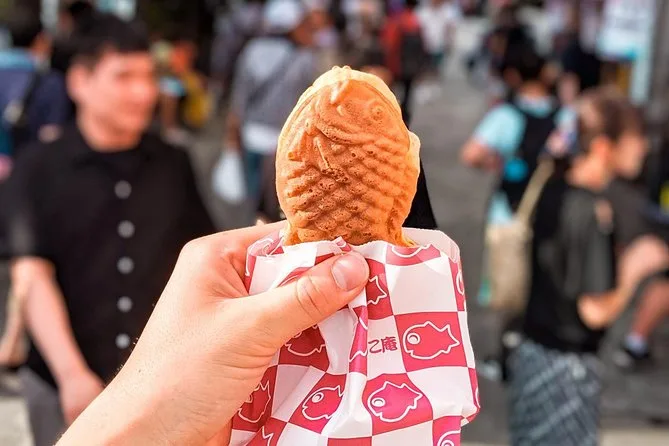
- Taste traditional snacks: Satsuma-age, Amazake, Imo Kenpi, Daifuku
- Visit Nihonbashi Bridge
- Visit Fukutoku Shrine, learn shrine customs
- Arrive in Ginza/Yurakucho, learn post-war industrialisation
- Eat at Izakaya and noodle stall under railway tracks
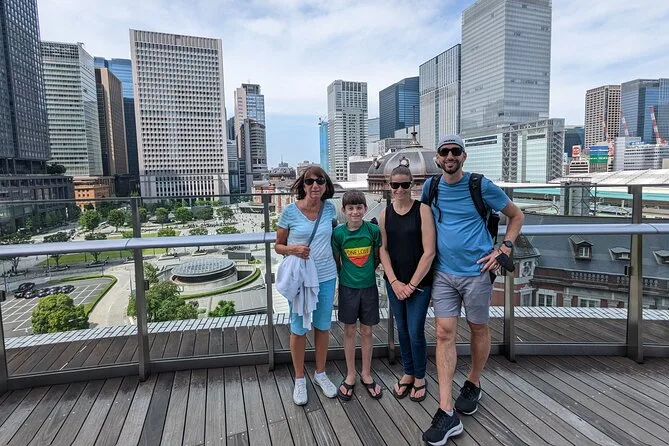
- Walk to Tokyo Station via International Forum Building
- Visit Kitte Building
- Try Tamagoyaki and Fruits Sando at Tokyo Station
- Arrive in Akihabara, explore future food fusion desserts

The Experience
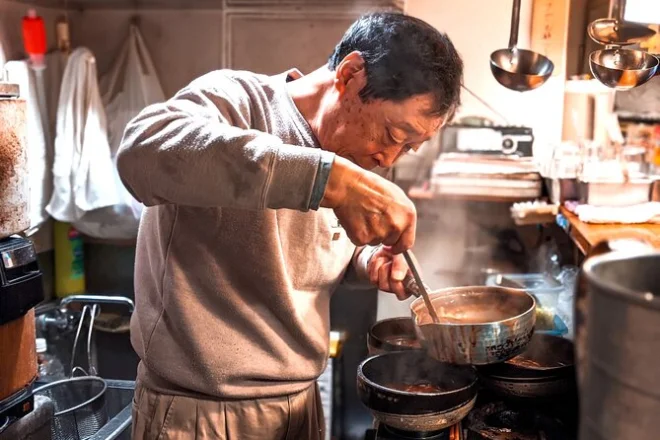
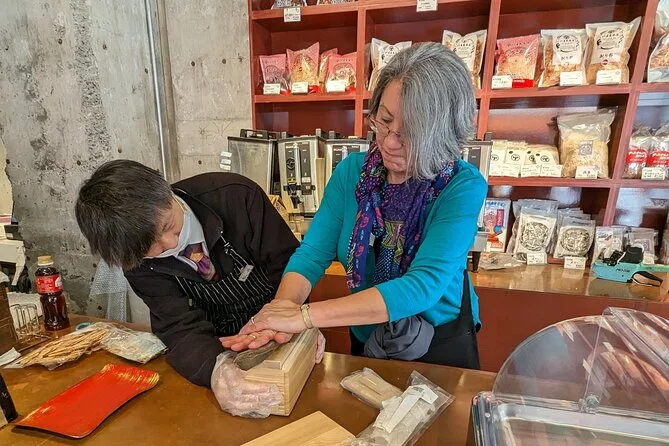
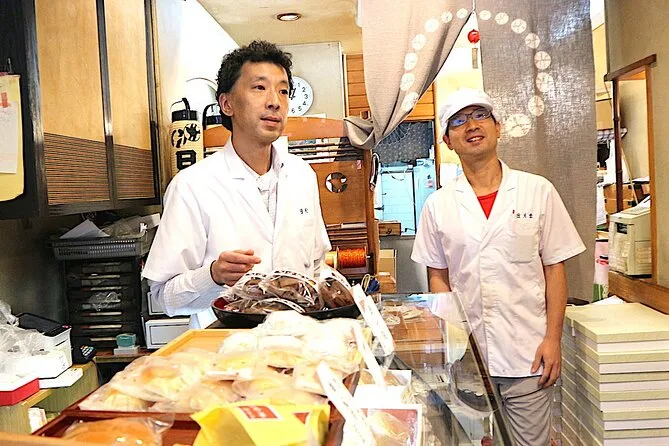
The tour starts in Nihonbashi, where the oldest shops are already open. You're walking into the foundation of Japanese food before most of the city wakes up — the Edo period, the ingredients, the stocks that still matter. Your guide stops you at a shop over 100 years old to talk about dashi, the broth that runs through almost everything, and katsuobushi, the fermented fish that tastes nothing like what you expect. You taste satsuma-age, amazake, imo kenpi, daifuku — four traditional snacks that have been eaten for generations, each one from a place that's been there since before the war. By the time you reach Fukutoku Shrine, you've already eaten twice and learned the difference between a shrine and a temple without it feeling like a lesson.
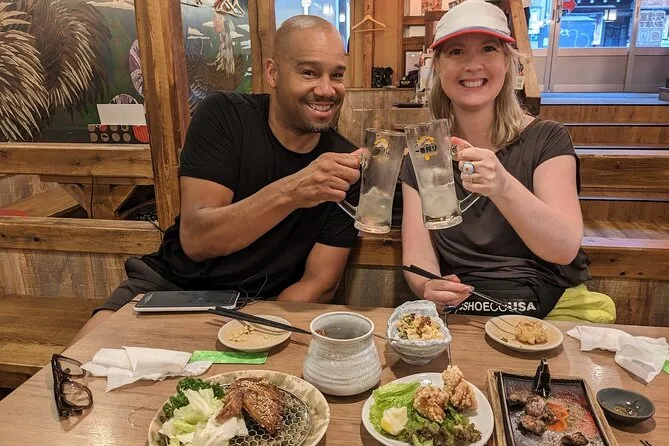
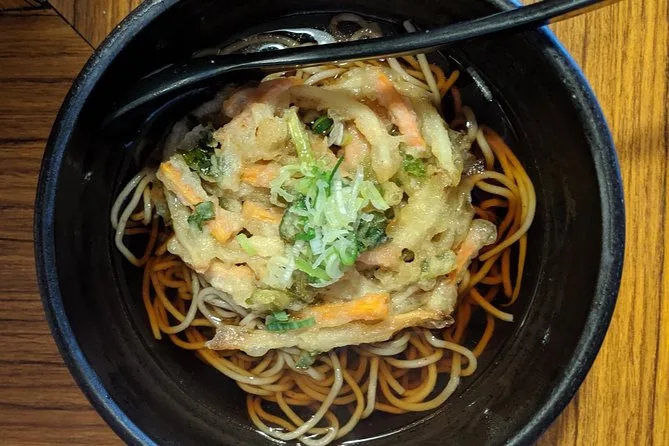
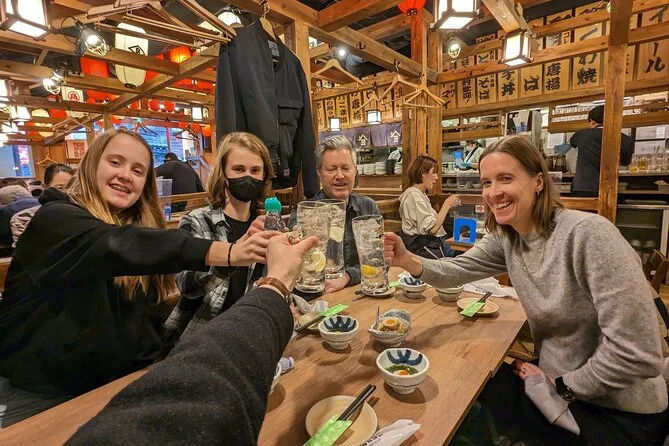
Then you move into Ginza and Yurakucho, where the story shifts to the postwar salarymen and the gado shita — those small bars and restaurants built under the railway tracks to feed working men before their commute home. You eat and drink like they did: yakitori on skewers, a sour (the Japanese alcoholic drink that tastes like nothing else), tempura soba or curry udon at a noodle stall. The walk between stops takes you past the International Forum Building and into Tokyo Station, where you try tamagoyaki and a fruits sando — the kind of food people grab on their way out. About 6.5 kilometers of walking happens across the 5.5 hours, and the stairs at subway stations are real, so you need to be ready for that.
Akihabara is where the food tour ends, but the idea shifts to the future. Fusion desserts — traditional flavors with a modern twist — and a conversation about how this neighborhood brings new technology and ideas to Japan. You finish with matcha bubble tea or ice cream, having moved through three periods of Tokyo in one afternoon, tasted 14 different things, and walked through three districts without arranging transport or timing yourself. The small group stays manageable, which means you're not rushing between stops or waiting for stragglers.

What’s included
- Your day includes 14 Japanese food tastings across three neighborhoods, starting with Edo-period ingredients and traditional snacks in Nihonbashi, moving to postwar izakaya food and yakitori in Ginza and Yurakucho, and finishing with fusion desserts in Akihabara.
- Public transportation between neighborhoods is included, as is one alcoholic drink and the guide's knowledge of each shop's history and the food itself.
- You do not arrange your own transport or make reservations at the shops.
Operated by Hello! Tokyo Tours
Is this one for you?Book this if you want to understand Japanese food through its history and neighborhoods without planning the route, making reservations, or timing yourself — the small group and fixed itinerary handle all three, which is what makes three eras of Tokyo food possible in one afternoon.
Traveler reviews
Compare the 13 similar options
 Tokyo Food Tour: Edo to Akihabara, 14 Tastings & Small Group★ 4.95 (161)5h 30mENJP¥ 27,627
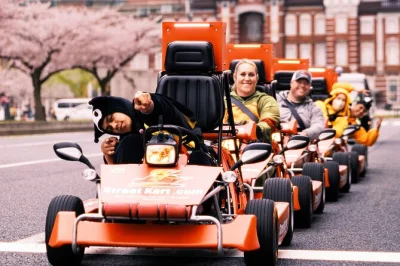 Tokyo Akihabara: Street Go-Kart Tour in Costume & GuideFeel the rush of Tokyo’s streets in a go-kart, dressed as your favorite character. Includes costume rental, pro guide, and all fees. Small groups, real city driving.★ 4.96 (1,843)1h–1h 30mENJP¥ 9,500View ›
 Tokyo Go Kart Tour Akihabara: Costume Driving & Shibuya CrossingDrive a go kart through Tokyo's streets in anime costume. Includes Akihabara, Shibuya Crossing, Tokyo Station, professional guide. International driving permit required.★ 5.00 (55)1h 40m–2hENJP¥ 9,500View ›
 Tokyo: Private City Tour with Vehicle & Custom ItineraryFeel the pulse of Tokyo with a private vehicle, licensed guide, and your pick of city highlights—includes pickup and flexible stops for up to 15 people.★ 4.91 (164)6hEN · JAJP¥ 49,450View ›
 Tokyo Shibuya Crossing & Hachiko: Private Walking TourShibuya walking tour with local guide: Hachiko Statue, Scramble Crossing, Shibuya Center Gai, matcha break, JUMP SHOP. Guide takes and shares photos.2h 30mENJP¥ 9,921View ›
 Tokyo Private City Tour by Car: Tsukiji, Shibuya & SkytreeFeel the pulse of Tokyo on a private city tour by car. Wander Tsukiji Market, cross Shibuya, see Skytree views. Includes hotel pickup and English guide.★ 4.97 (76)8h–9hEN · PA +1JP¥ 55,000per groupView ›
 Tokyo: Private Custom Walking Tour with Hotel Pickup & PhotosFeel the pulse of Tokyo on a private walking tour tailored to your pace—see Senso-ji, Akihabara, Meiji Shrine and more, with hotel pickup and unlimited photos.★ 4.96 (2,353)2h–8hENJP¥ 22,000View ›
 Tokyo: 1-Day Landmarks Bus Tour with Skytree & MatchaFeel the pulse of Tokyo in one day—Meiji Shrine, Asakusa temples, matcha tasting, SkyTree views, and a Tokyo Bay cruise. Includes pickup & lunch.★ 4.90 (16,932)9h–10hENJP¥ 19,488View ›
 Tokyo: Private Family Tour with Custom Itinerary & PickupLet a Tokyo local design your perfect private tour—see Senso-ji, Harajuku, Tsukiji Market, or hidden neighborhoods. Includes hotel pickup and flexible planning.★ 4.98 (113)2h–8hENJP¥ 7,692View ›
 Tokyo Imperial Palace: 2-Hour Walking Tour & Nijubashi Bridge2-hour guided walking tour of Tokyo Imperial Palace with local expert. Small groups, Nijubashi Bridge, East Gardens, samurai history included.2hEN · ZHJP¥ 7,833View ›
 Tokyo Walking Tour: Temples, Food Streets & Neon City SightsFeel the contrasts of Tokyo with a private walking tour—temples, food streets, and neon districts led by a local guide. Flexible itinerary and hotel pickup included.★ 4.90 (156)4h–7hEN · FR +1JP¥ 15,000View ›
 Tokyo: Full-Day City Tour with Hotel Pickup & River CruiseFeel Tokyo’s contrasts on a day tour with hotel pickup, river cruise, and Japanese lunch. See Shibuya Crossing, Skytree, shrines, and local neighborhoods in one trip.★ 4.52 (86)8h 30mENJP¥ 15,000View ›
 Tokyo: 6-Hour Private Tour with Licensed Guide & Custom StopsSix-hour customized Tokyo tour with government-licensed English guide. Choose 3-4 sites from Senso-ji Temple, Shibuya Crossing, Meiji Shrine, and Imperial Palace grounds.★ 4.92 (4,704)4h–8hEN · JAJP¥ 16,500View ›
Top questions
How much walking is involved?
About 6.5 kilometers (4 miles) over 5.5 hours, plus climbing stairs at subway stations. You need moderate fitness and a reasonable walking pace in a group.
What's included in the 14 tastings?
Dashi, katsuobushi, kombu, satsuma-age, amazake, imo kenpi, daifuku, yakitori, tempura soba or curry udon, tamagoyaki, fruits sando, fusion desserts, and matcha bubble tea or ice cream. One lemon sour (Japanese alcoholic drink) is included.
Do I need to arrange my own transport between neighborhoods?
No. Public transportation is used to move between Nihonbashi, Ginza and Akihabara. The guide handles the route.
How many people are in the group?
It's a small group tour, which keeps the pace manageable and the stops less crowded. The exact size varies by departure.
Can I cancel if my plans change?
Yes, you get a full refund (minus booking and admin charges) if you cancel more than 24 hours before the tour. No refunds if you don't show up or arrive late.
Is this tour suitable if I can't walk long distances?
The small group tour requires moderate fitness and the ability to walk 6.5 km with subway stairs. If that's not possible, contact the operator about switching to a private tour.
Are drinks included?
One lemon sour (Japanese alcoholic drink) is included. Matcha bubble tea or ice cream is also part of the final stop.
Tokyo Food Tour: Edo to Akihabara, 14 Tastings & Small Group
5h 30m · EN
from JP¥ 27,627 per person
★★★★★★★★★★4.95161 reviews
