
Tokyo Asakusa: Senso-ji Temple Food Walk & Edo Streets Tour
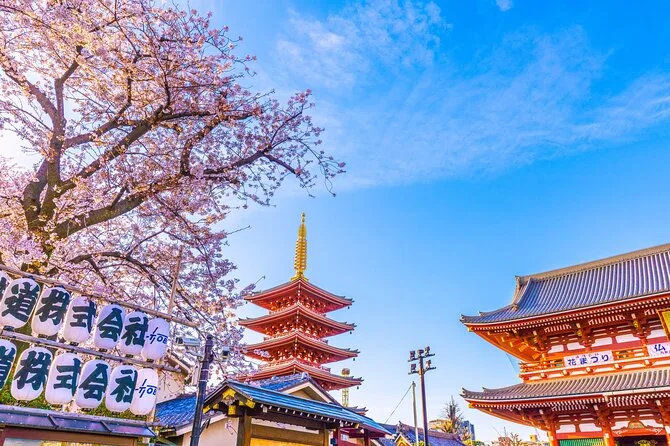
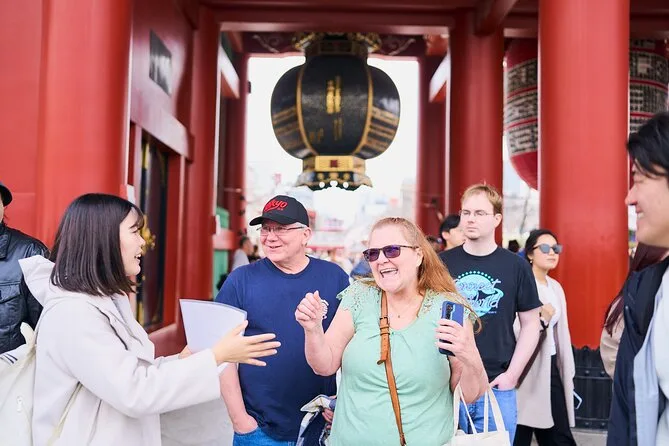
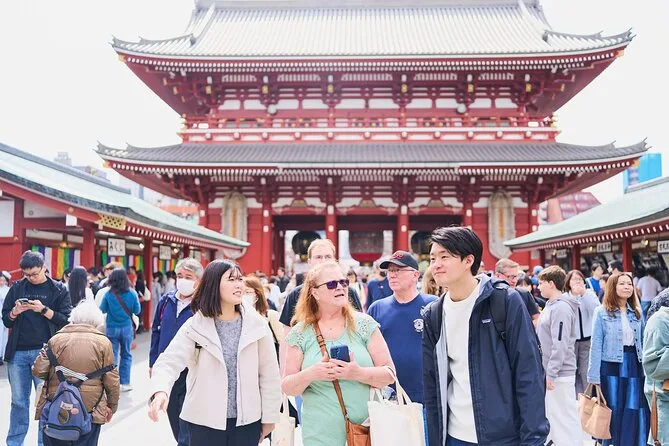





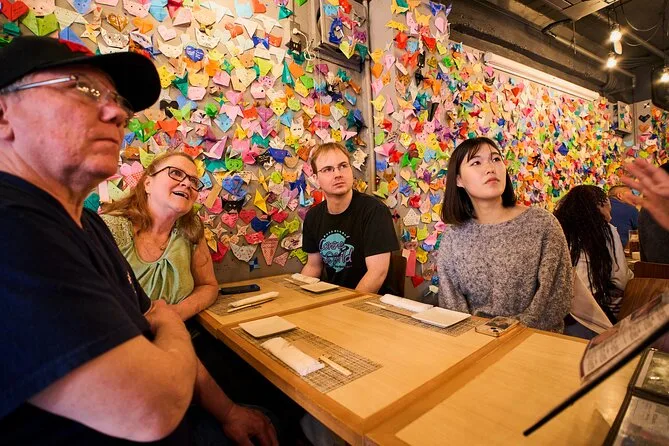
Stroll Asakusa’s temple streets tasting matcha sweets and melon bread
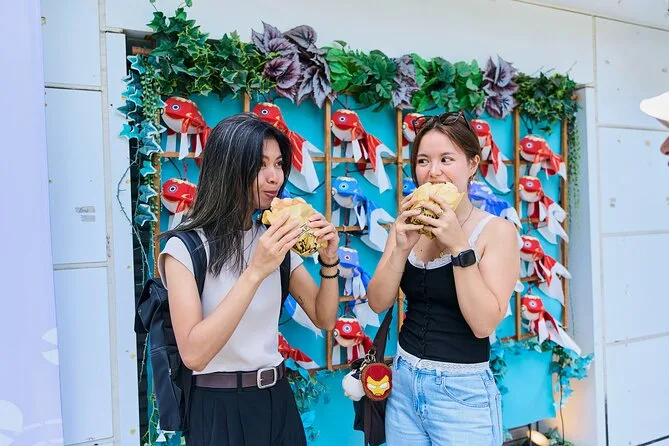
You’ll wander Asakusa’s lively streets with a local guide, taste fresh melon bread and matcha desserts near Senso-ji Temple, draw your fortune among clouds of incense, peek into samurai sword shops, and end browsing quirky snacks in a real Tokyo supermarket. Expect laughter, little surprises, and maybe a new favorite street food.
Compare the 9 alternatives
 Asakusa & Senso-ji Temple tour: 3 local food stops with guideEvery day · 10:00, 12:00 and 14:00 · All ages★ 4.94 (53)2hENJP¥ 8,000View ›
 Asakusa Walking Tour: Senso-ji Temple and Historic DistrictEvery day · First departure 08:30, last 19:00 · All ages★ 4.88 (1,125)2hEN
 Asakusa Street Food Tour: 5+ Local Vendors, 2 HoursMon–Fri · 11:30 · All ages★ 4.96 (293)2hEN · JAJP¥ 11,500View ›
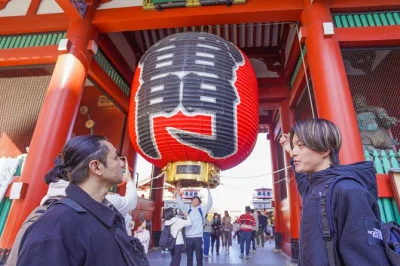 Asakusa: Senso-ji Temple, Matcha Making & Monjayaki LunchEvery day except Friday · 11:00 · All ages★ 4.93 (286)3hENJP¥ 13,000View ›
 Asakusa: Senso-ji Temple & Old Town Walking TourEvery day · 10:00 and 13:00 · All ages★ 4.95 (358)2hENJP¥ 2,250View ›
 Asakusa Walking Tour: Senso-ji Temple & Hidden LanesEvery day · 08:00★ 4.96 (116)2hENJP¥ 3,500View ›
 Asakusa Walking Tour: Senso-ji Temple and Local StreetsEvery day · 09:30, 12:00 and 14:30 · Up to age 64★ 5.00 (6)2hENJP¥ 11,500View ›
 Private Asakusa Walking Tour: Senso-ji Temple & Nakamise StreetEvery day · 10:00, 12:00 and 14:00 · All ages★ 5.00 (1)1h 30mENJP¥ 5,000View ›
 Asakusa: Senso-ji Temple & Nakamise Street Walking TourEvery day · First departure 09:00, last 18:00 · All ages★ 4.98 (1,229)2hEN · JA
Step-by-step itinerary
- Thunder Gate20m
- Senso-ji Temple20m
Explore Asakusa's history and local food
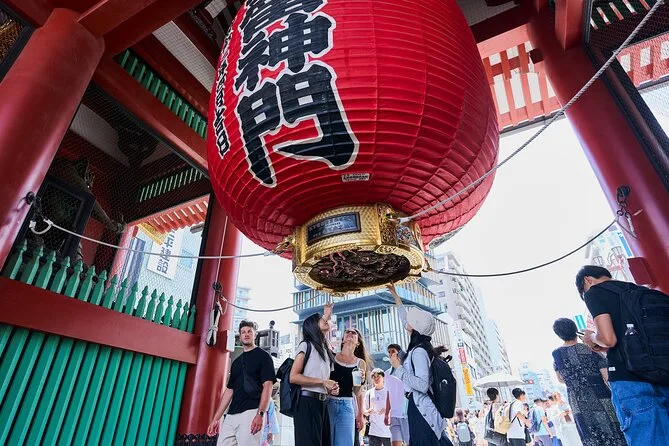
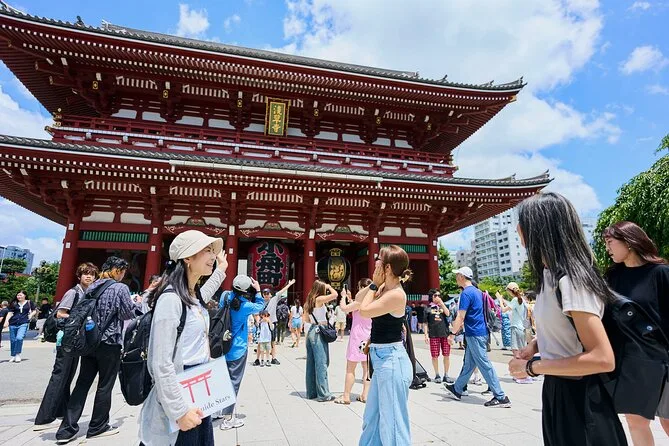
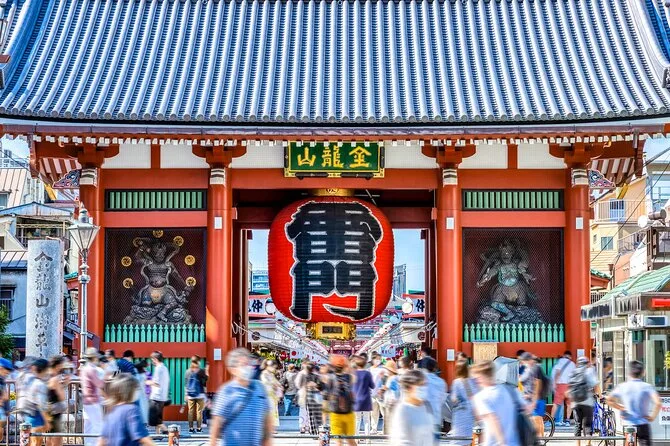
- Begin at Kaminarimon gate
- Learn gate history and features
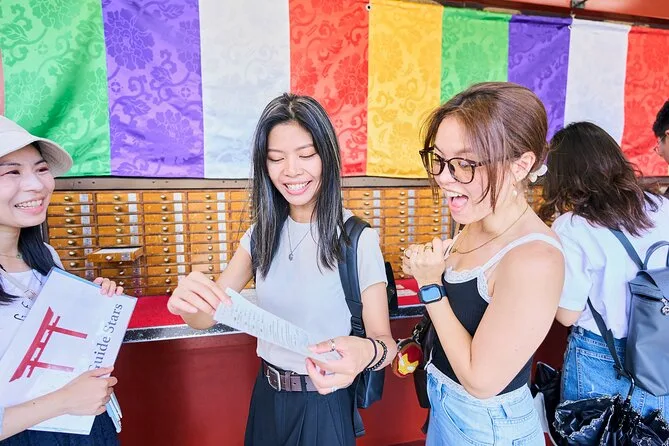
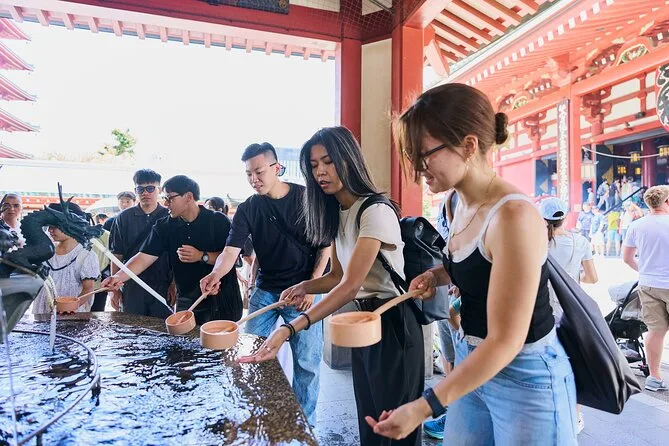
- Draw fortune and purify hands
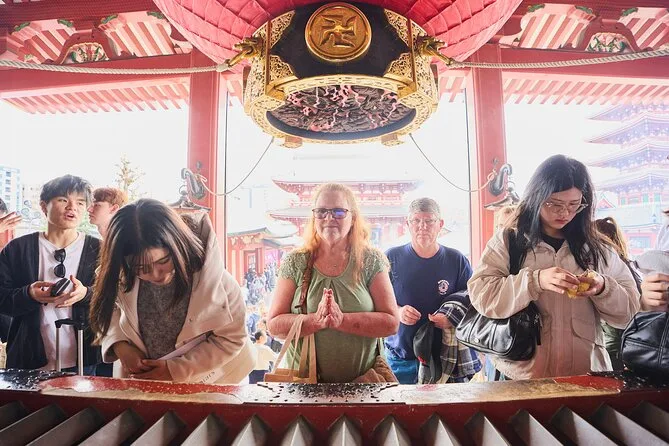
- Offer traditional prayer at Senso-ji
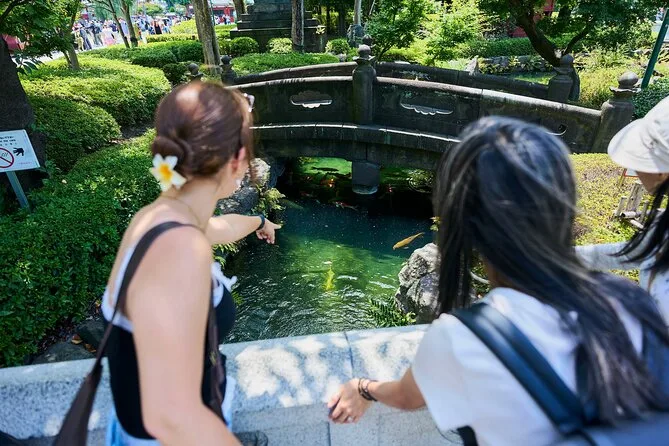
- Visit goshuin desk and koi pond
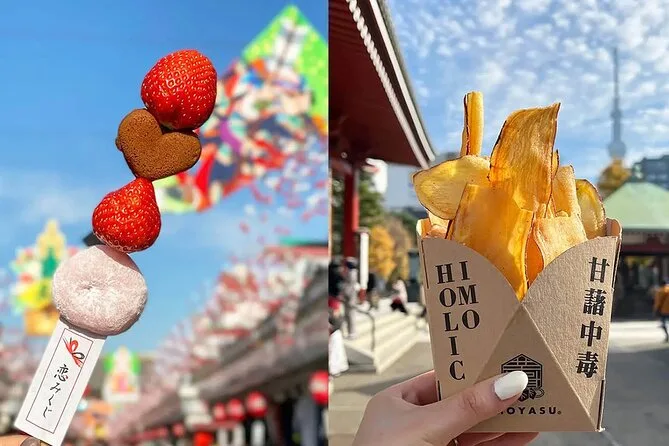
- Try matcha desserts at sweets shop
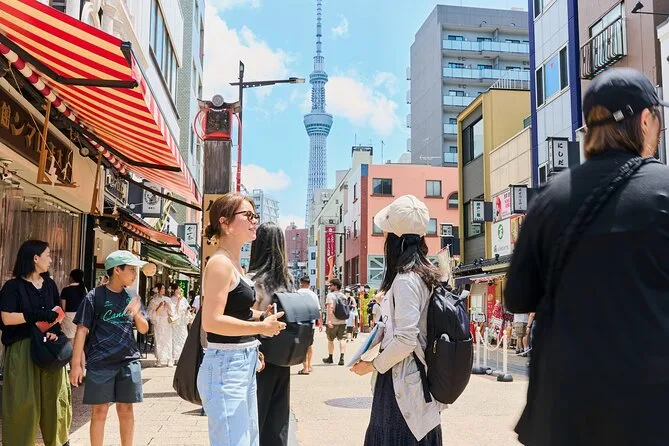
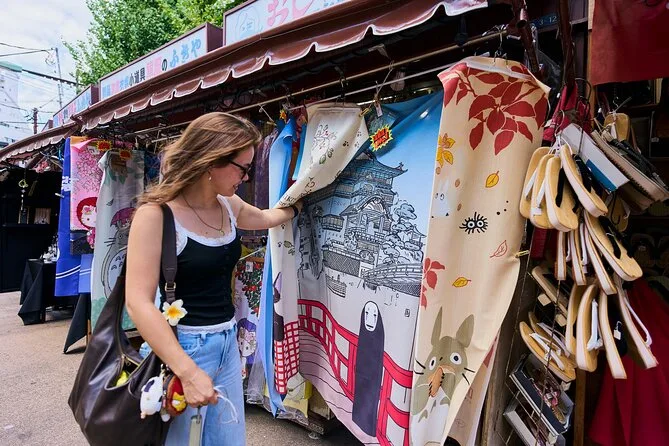
- Walk local shopping street
- Observe locals and Edo period shops
- Explore Edo-style street and street food
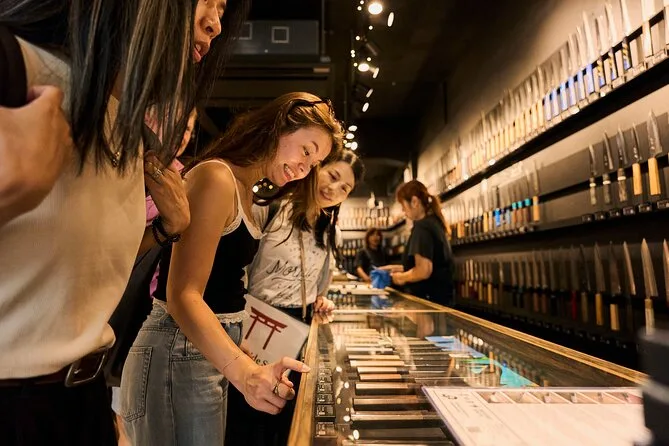
- Visit local knife shop demonstration
- Finish at local supermarket
The experience
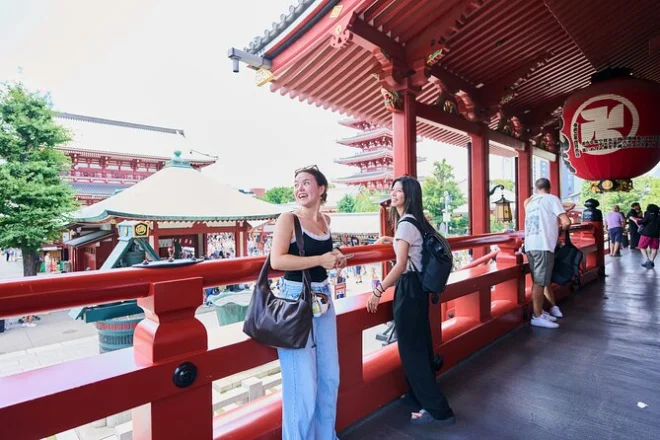
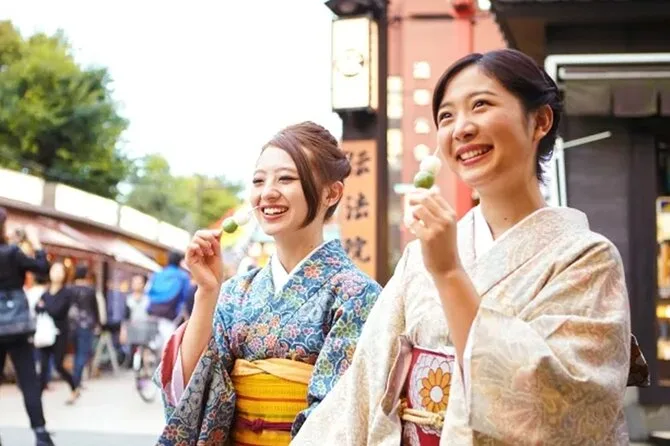
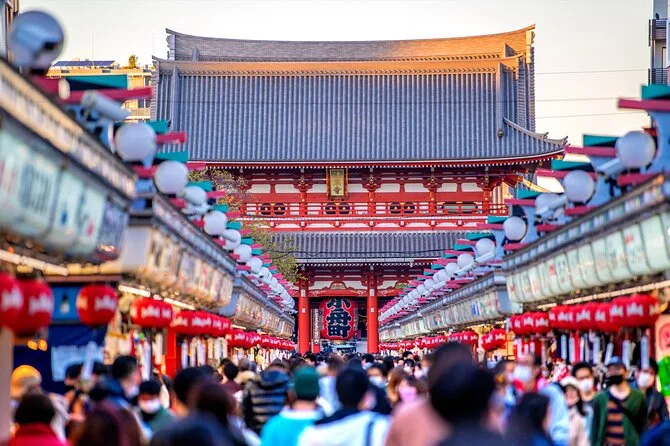
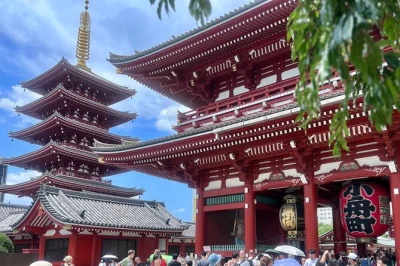
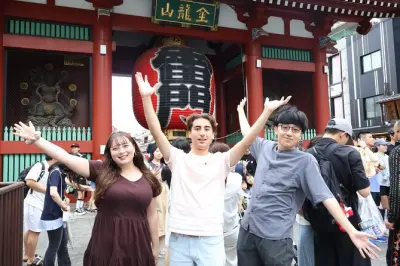
“You wanna try the melon bread or the matcha ice cream first?” That’s what our guide, Yuki, asked as we ducked under the giant red lantern at Kaminarimon Gate. I’d seen photos of this spot in every Tokyo travel blog, but standing there with incense smoke drifting over the crowd and the sound of shopkeepers calling out in Japanese. It just felt different. The air was sticky but not too hot, and someone nearby was laughing while trying to balance a tray of dango skewers. I tried saying “Kaminarimon” properly. Yuki grinned and gently corrected me. I probably still didn’t nail it.
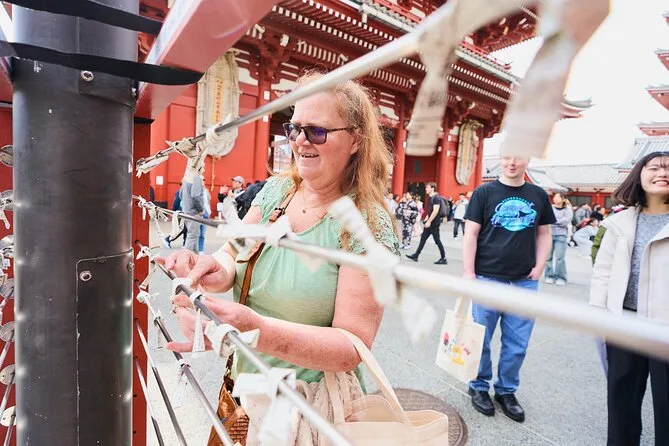
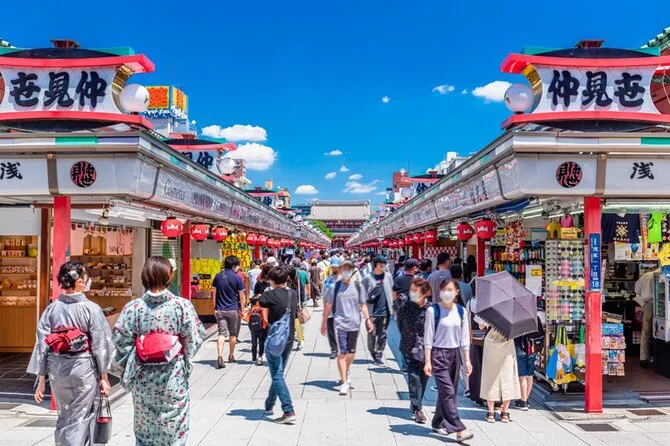
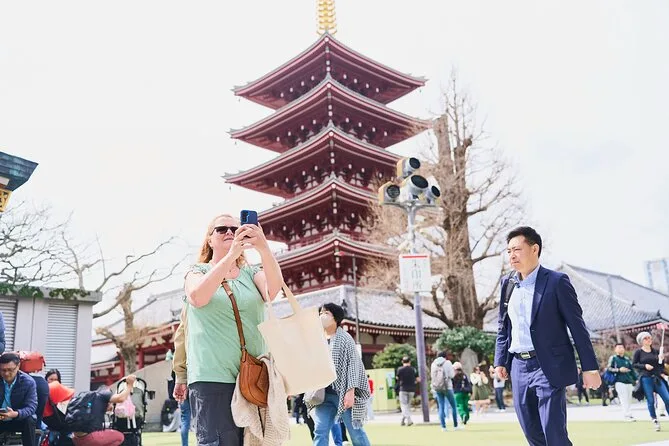
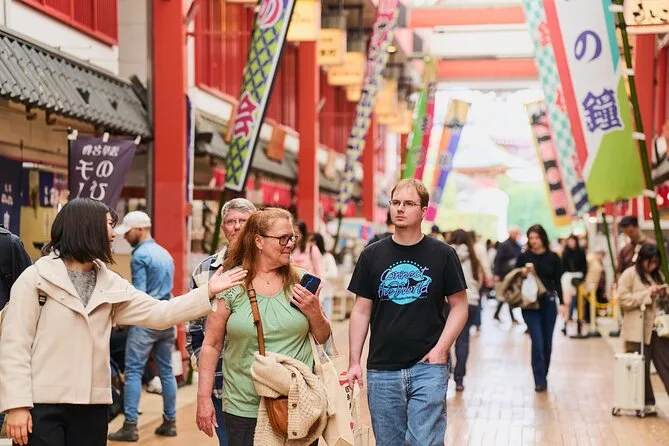
Walking up Nakamise Street, it was all colors and smells: sweet bean paste from ningyo-yaki cakes, fried menchi-katsu sizzling somewhere ahead, the faint whiff of sandalwood from souvenir stalls. We stopped so Yuki could explain why Senso-ji is such a big deal (oldest Buddhist temple in Tokyo (628 AD!) plus some wild legends about its founding). There were lines for fortunes and people waving incense smoke over their heads for luck. I hesitated before drawing a fortune. Mine said “small blessing,” which felt about right. The koi pond behind the main hall was quieter than I expected, just the soft plop of fish mouths at the surface.
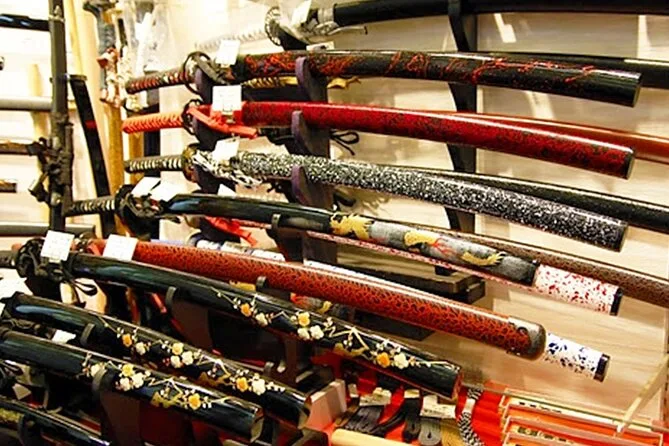
I’m not usually into shopping on tours but honestly, poking around those little knife shops and samurai sword stores was kind of fun. There’s one place where you can watch them sharpen knives by hand: hypnotic to see someone so focused. I tried picking up a tiny kitchen blade and nearly dropped it (not my proudest moment). The retro shopping street had vending machines selling things I still don’t understand. We passed old-timers sipping beer outside at noon like it was nothing special. Yuki told us about Jizo statues lined up with red bibs, something about protecting children’s spirits, and that stuck with me more than I thought it would.
We finished at this neighborhood supermarket where locals actually shop (no touristy stuff), and I grabbed some weird KitKats to take home. It wasn’t flashy or anything, but walking back through Asakusa with sticky fingers from matcha truffles and a pocket full of random snacks… yeah, that felt like real Tokyo to me.
What’s included
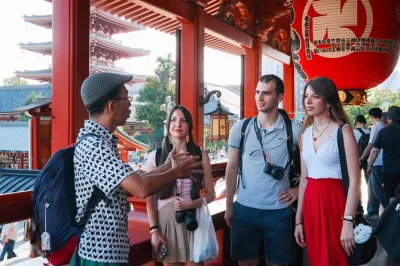
Your day includes an English-speaking local guide leading you through Asakusa’s temple grounds and shopping streets (sampling street food along Nakamise-dori, visiting traditional knife shops if you’re interested, exploring Edo-style storefronts and ending at a neighborhood supermarket for unique souvenirs) all fully accessible for wheelchairs or strollers.
Before you book
Prices and times updated 13 days ago
Operated by Japan Guide Star
Traveler reviews
Top questions
Can children come?
Yes. Ticket types: Child (6 to 11 years). Under 6: they can't be included in the booking.
Is this Asakusa tour wheelchair accessible?
Yes, all areas and surfaces on this Asakusa tour are wheelchair accessible.
Does the tour include street food tasting?
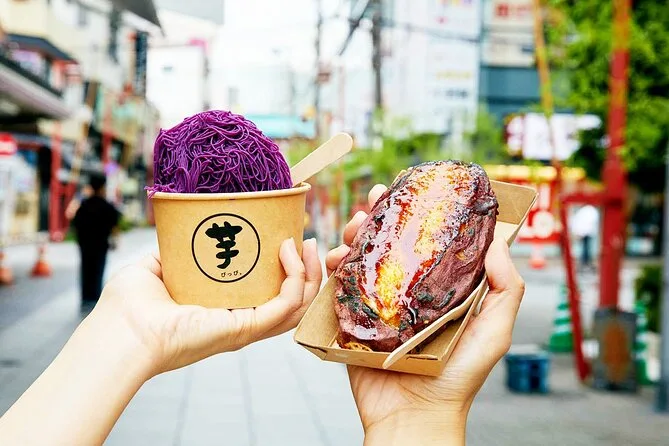
You’ll have chances to try local street foods like melon bread and matcha treats during the walk.
How long does it take to walk from Kaminarimon Gate to Senso-ji Temple?
The walk along Nakamise Street from Kaminarimon Gate to Senso-ji Temple takes about 10 minutes at a relaxed pace.
Can you visit samurai sword or knife shops on this tour?
Yes, your guide can introduce you to local knife shops or sword stores along the way.
Are there vegetarian options for street food?
Some sweets like melon bread or matcha desserts are vegetarian-friendly. Ask your guide for details during the tour.
Is hotel pickup included in this tour?
No hotel pickup is included. You meet your guide in Asakusa at the starting point.
Tokyo Asakusa: Senso-ji Temple Food Walk & Edo Streets Tour
2h · EN
from JP¥ 2,000 per person
4.981,015 reviewsVerified traveler reviews via our booking provider