
Shirakawa-go & Takayama Private Day Tour with Custom Stops

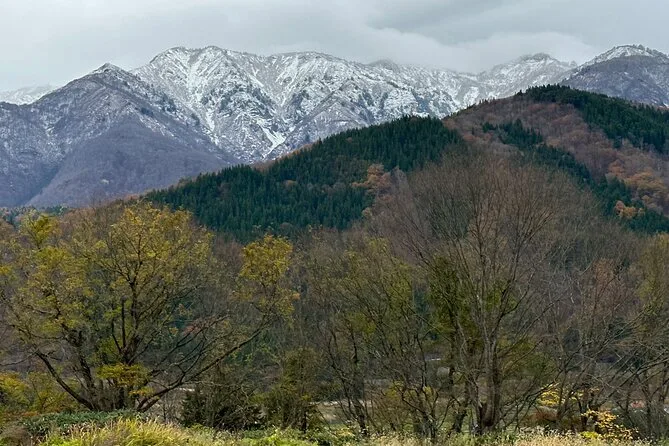
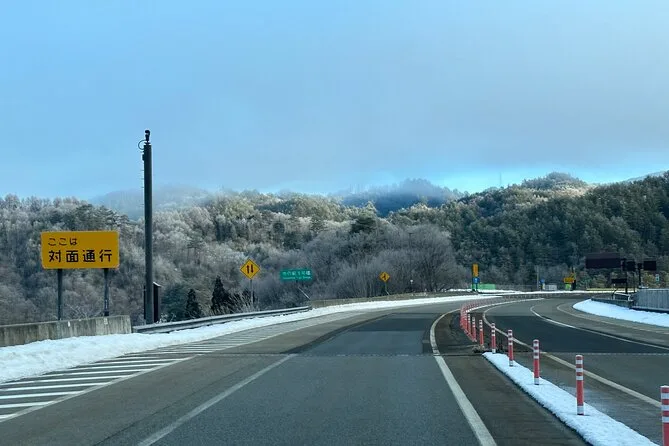
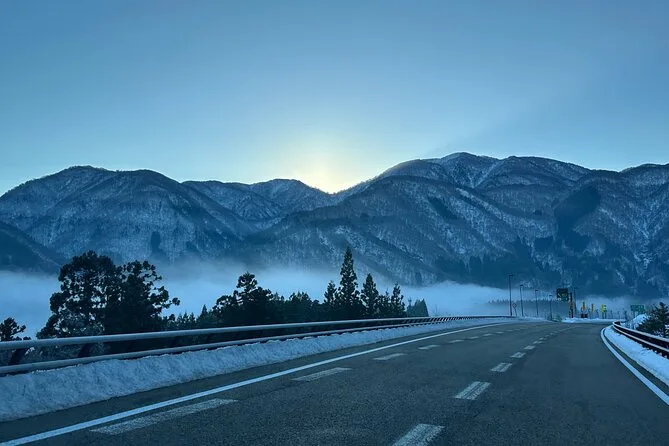
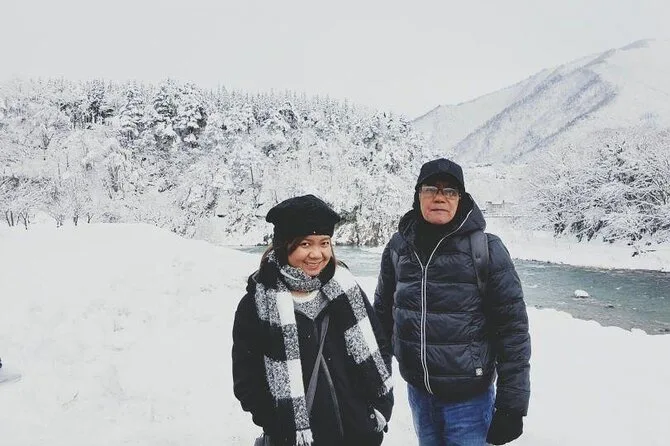
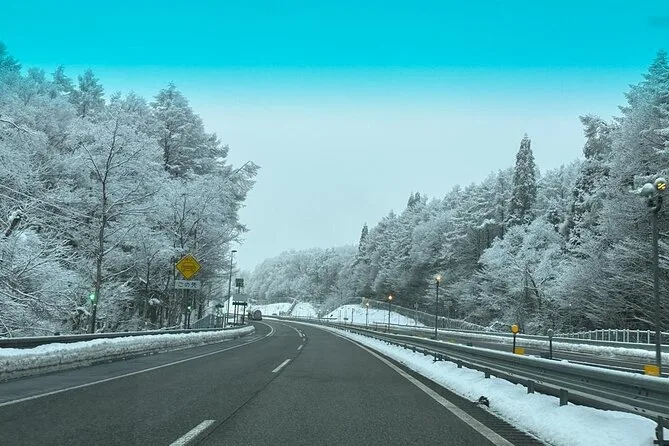
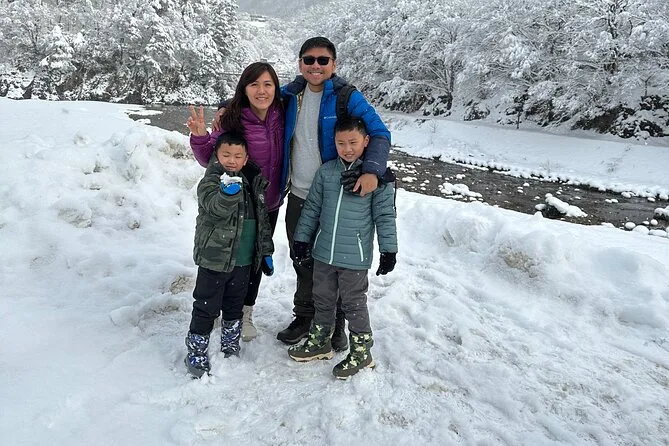

Quiet farmhouses, Edo streets and mountain air in Gifu’s heart
You’ll wander through Shirakawa-go’s peaceful farmhouses, taste mountain food you might not expect, and stroll Takayama’s Edo-era streets with a local guide who knows every shortcut. There’s space to linger or add your own stops — so you get both deep history and small moments that stay with you long after heading back down the mountain road.
 8h
8h

Step-by-step itinerary
Explore Shirakawa-go and Takayama highlights
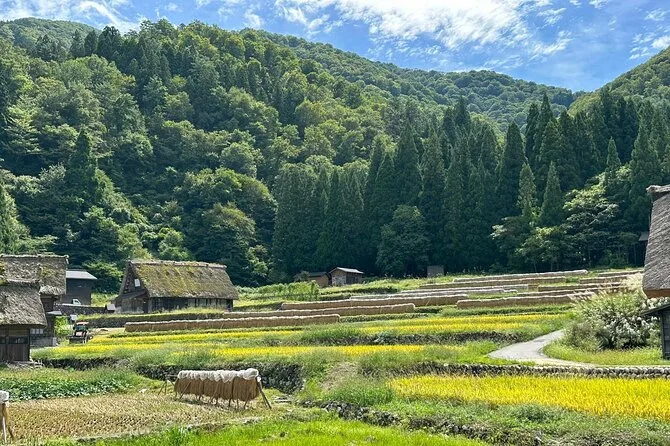
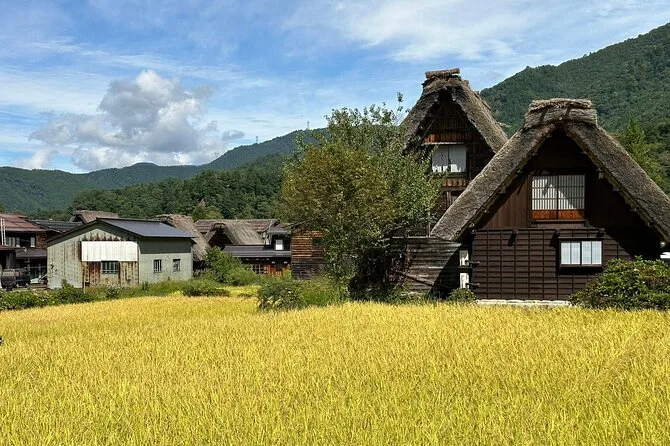
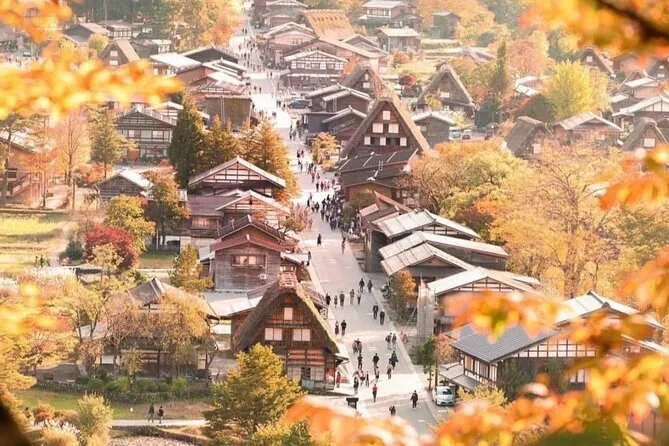
- Walk freely at Shirakawago village
- Enjoy lunch with mountain food
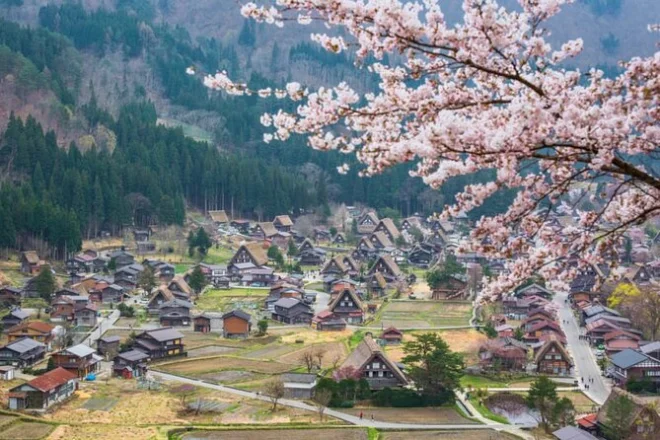
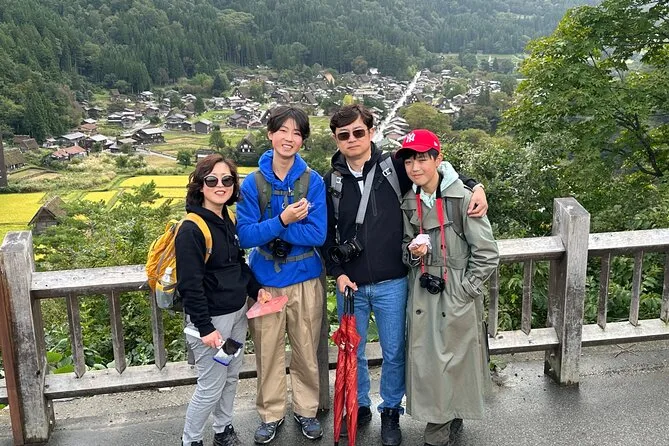
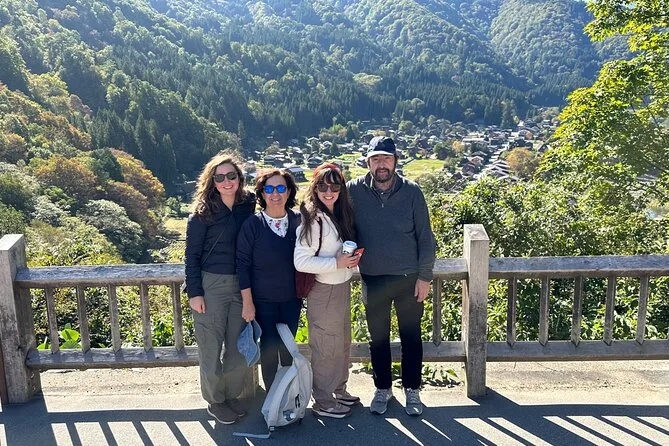
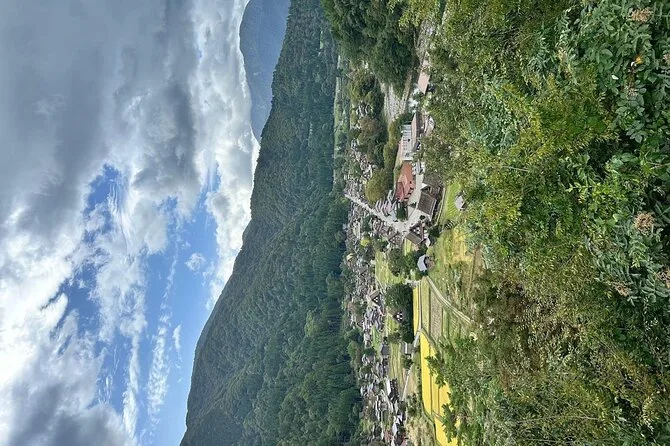
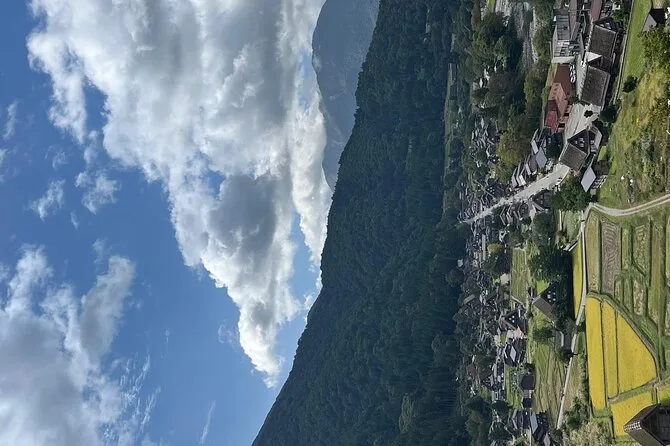
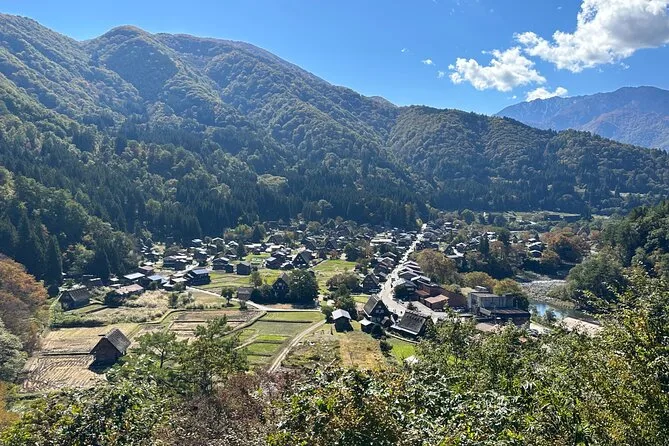
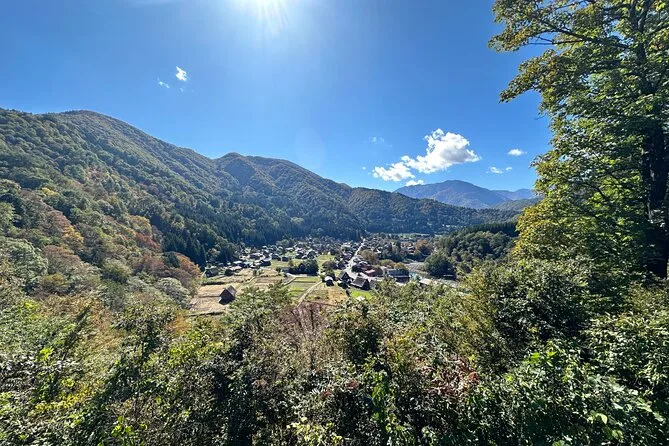
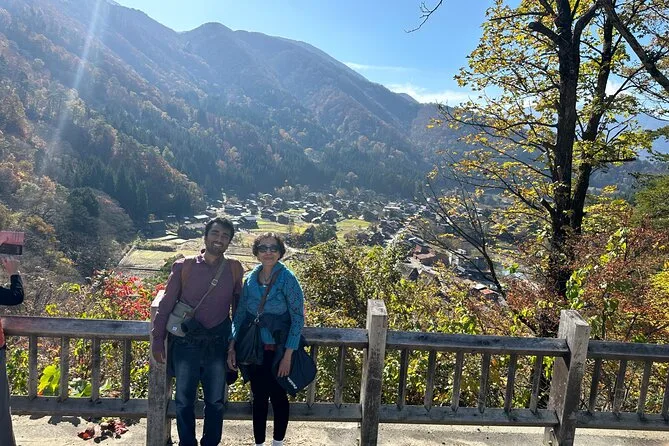
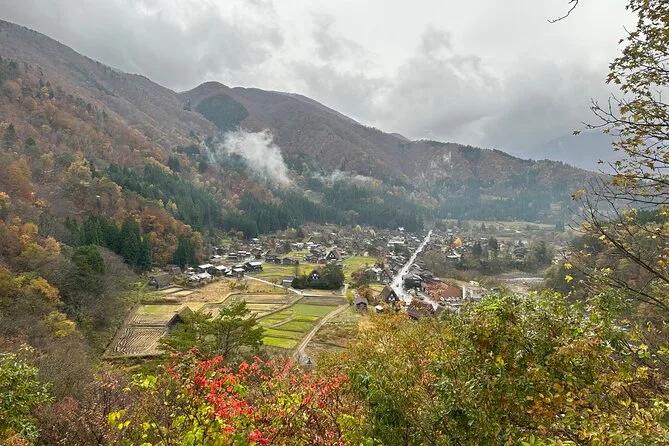
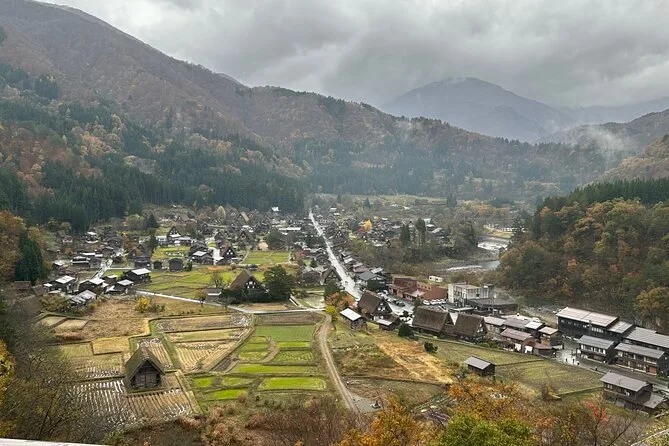
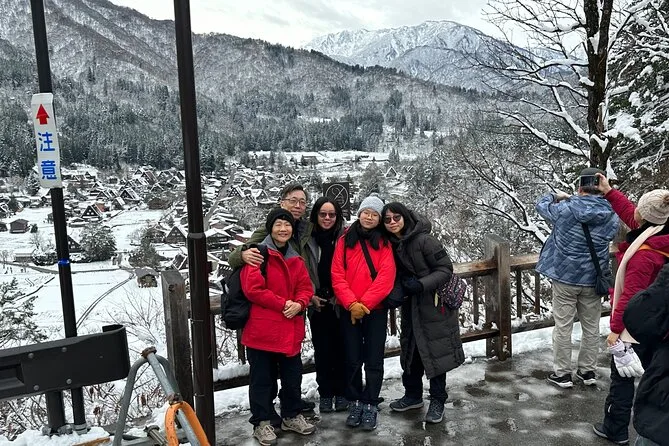
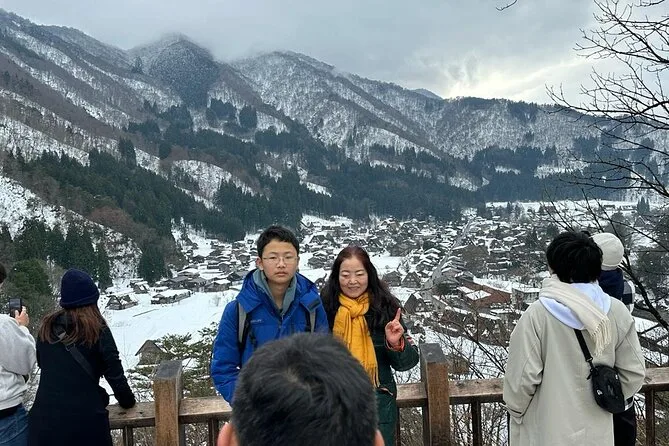
- View Shirakawago from best viewpoint
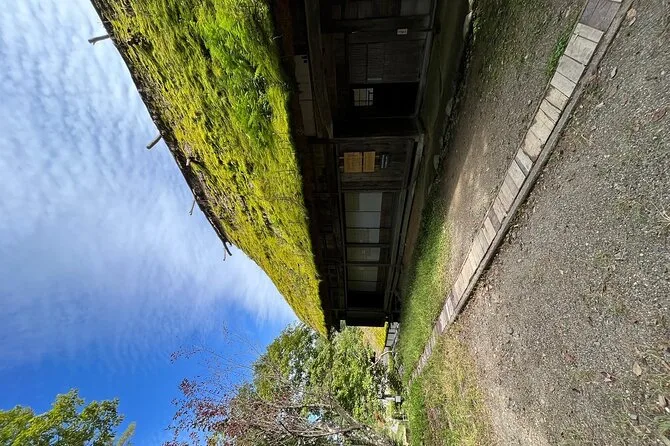
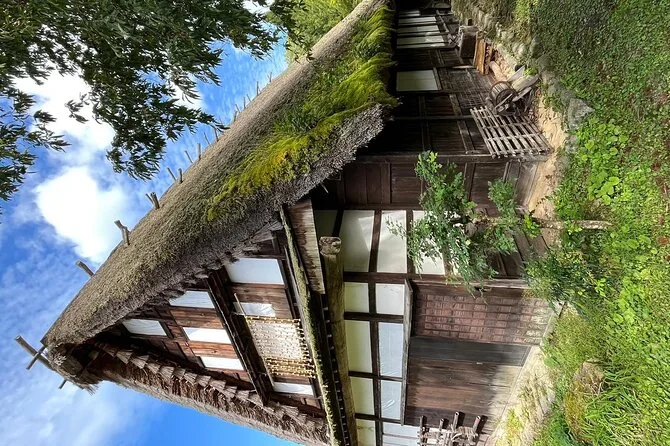
- Visit inside Wada House
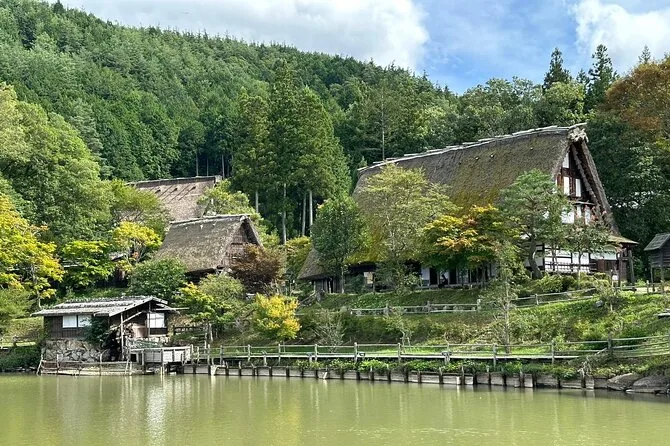
- Explore Hida Folk Village open-air museum
- Tour Takayama Jinya historic government office
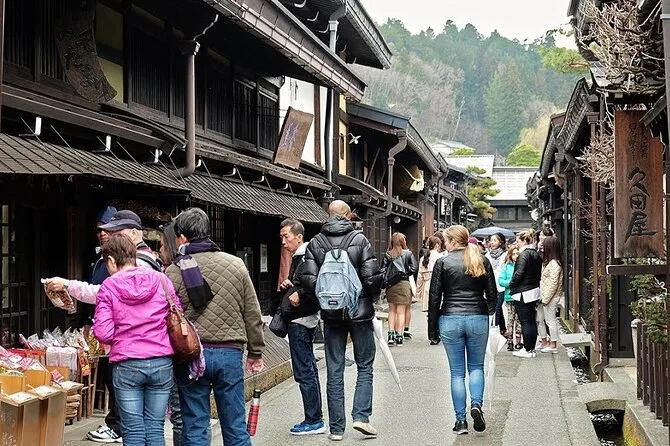
- Stroll Kamisannomachi street area
- Visit Takayama Betsuin Shorenji Temple

The Experience
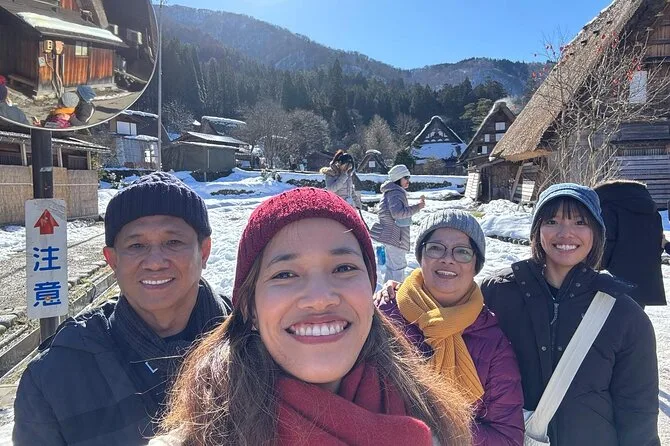
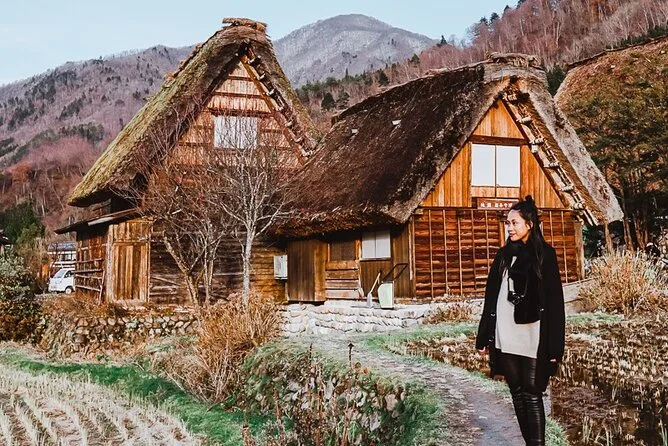
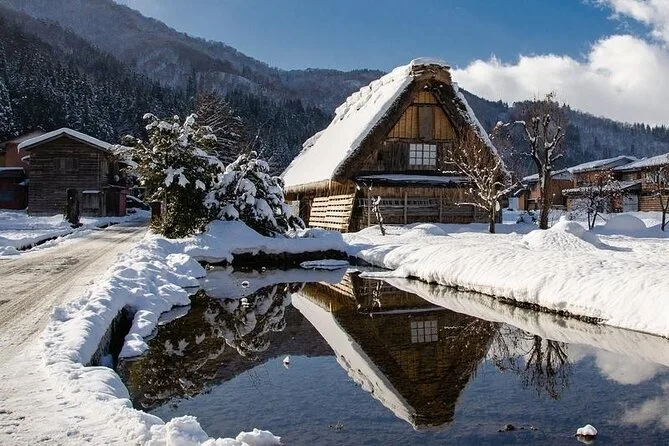
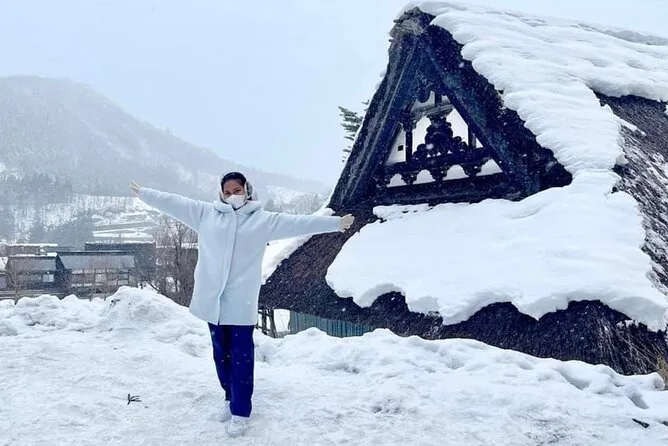
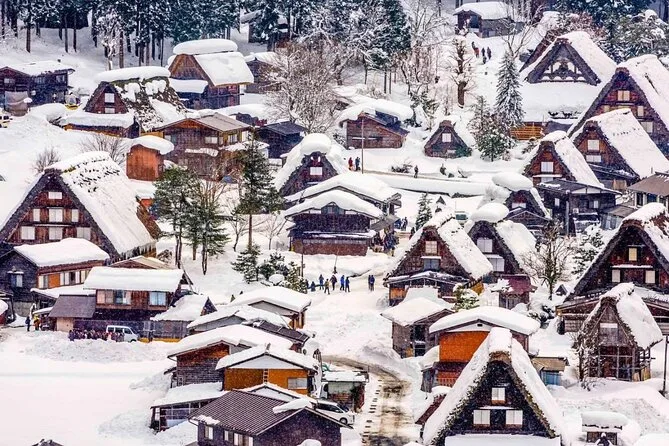
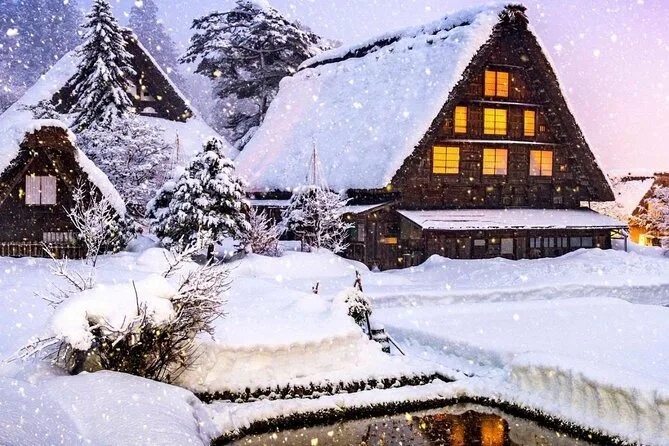
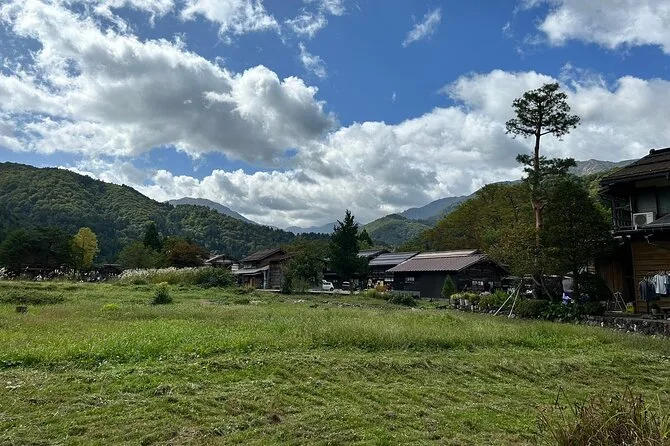
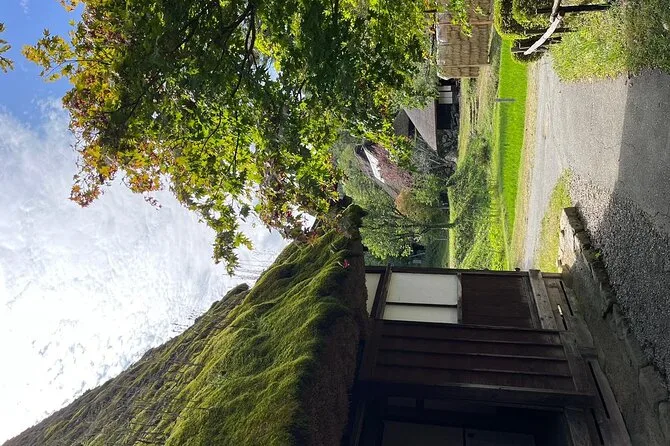
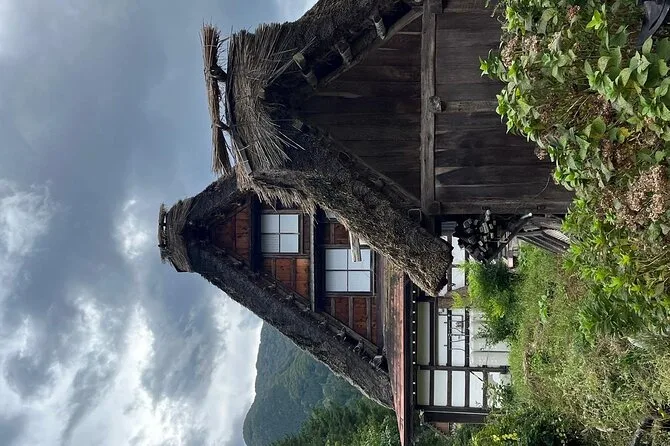
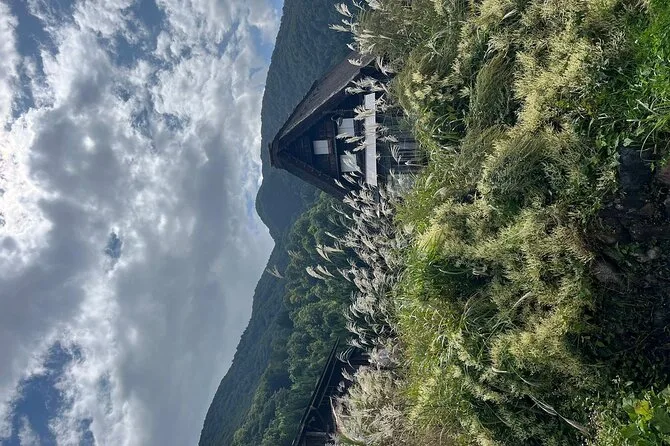
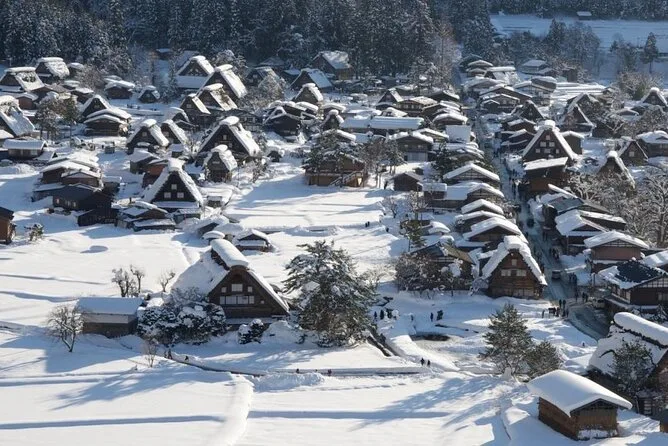
“You ever seen a roof like that?” our driver asked as we rolled into Shirakawa-go. I shook my head — those steep thatched roofs really do look like hands pressed together, just like he said. The air smelled kind of sweet, almost grassy, and the only sound for a minute was the river somewhere nearby. We wandered through the village at our own pace (no group hurrying us along), poking our heads into tiny shops selling pickles and these chewy rice cakes I still think about. At Wada House, I tried to picture what it’d be like living under all that straw in winter — honestly, couldn’t imagine it.
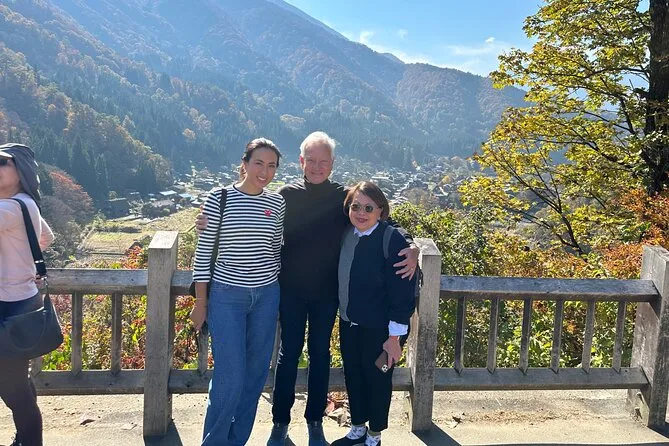
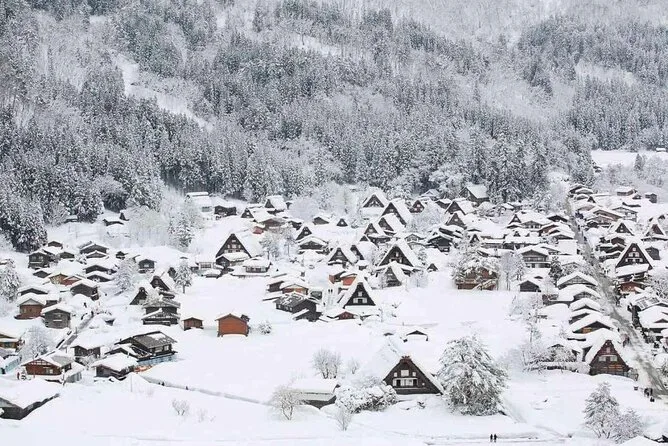
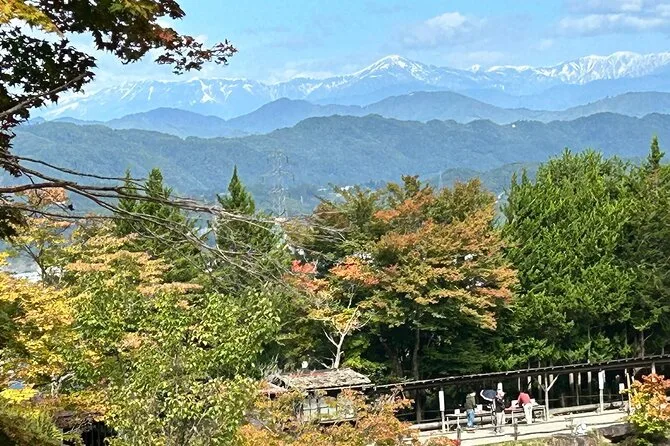
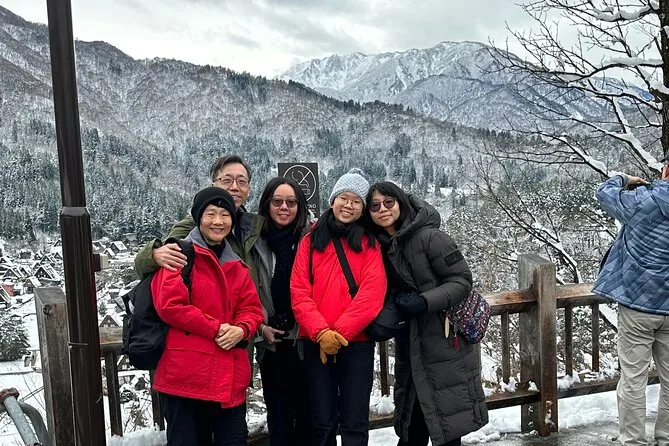
Lunch was a surprise: mountain veggies I didn’t recognize, grilled river fish with salt crystals popping on the skin. Our guide laughed when I tried to pronounce “gassho-zukuri” properly — pretty sure I butchered it. Later, from the viewpoint above Shirakawa-go, the whole place looked unreal: patchwork fields, smoke curling up from chimneys, roofs catching the sun in odd angles. There was this old woman sweeping her porch who waved at us; small thing but it stuck with me.
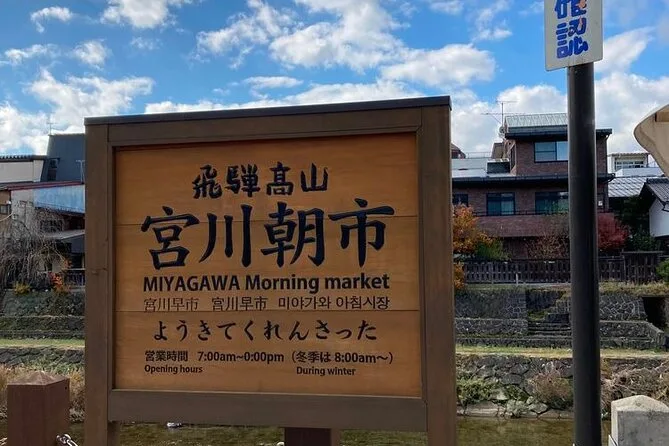
Takayama felt different — busier but still mellow somehow. We walked Kamisannomachi’s narrow lanes with willow trees brushing our shoulders and shopkeepers calling out greetings (I wish I understood more Japanese). The Hida Folk Village was quiet except for crows and someone hammering wood somewhere; seeing all those old houses lined up made me realize how much history is packed into these mountains. At Takayama Jinya, the tatami mats had this faint herbal smell and you could almost hear old voices echoing in those meeting rooms. It’s weird how a place can feel both lived-in and frozen in time.

What’s included
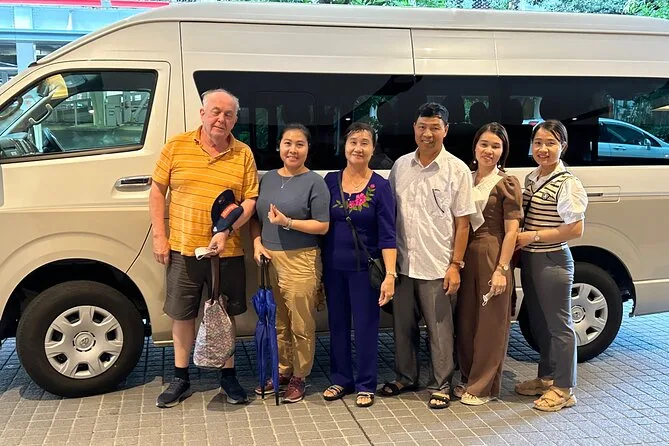
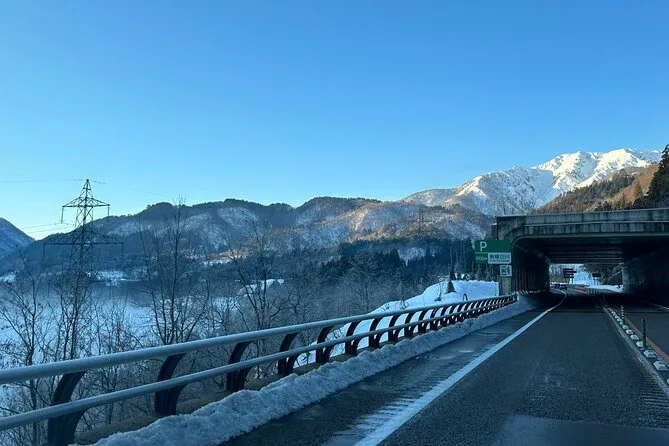
Your day includes private transportation with an English-speaking driver (and pickup), bottled water in an air-conditioned vehicle, a lunch full of local mountain flavors in Shirakawa-go, plus flexibility to add extra stops if there’s something special you want to see before heading back down from Gifu’s mountains.
Operated by Smile Tours
Traveler reviews
Compare the 13 similar options
 Shirakawa-go & Takayama Private Day Tour with Custom Stops★ 4.68 (291)8hEN · JAJP¥ 92,356per group
 Kanazawa Private Walking Tour: Customized with a Local GuidePrivate walking tour of Kanazawa led by a local guide who shapes the itinerary around your interests—samurai districts, markets★ 4.93 (213)2h–5hEN · JAJP¥ 10,308View ›
 Kanazawa Castle & Samurai History Walking TourWalk through samurai streets and castle grounds in Kanazawa with a local guide who explains the Maeda clan's legacy and how it shaped the city's art and culture.★ 4.92 (454)2h 30m–3hENJP¥ 8,500View ›
 Shirakawago & Kanazawa: UNESCO Village & Garden Day TripFull-day tour from Kanazawa Station to Shirakawago village with gassho-zukuri houses, Kenrokuen Garden, and Higashi Chaya district. Includes bilingual guide, lunch, and hotel pickup.★ 4.88 (97)8h 30mEN · ESJP¥ 8,866View ›
 Shirakawa-go & Kanazawa tour: UNESCO village & gardenFull-day guided tour from Kanazawa to the UNESCO World Heritage village of Shirakawa-go with stops at Ogimachi lookout and Kenroku-en Garden★ 4.93 (908)5hEN · JAJP¥ 12,308View ›
 Kanazawa: Omicho Market & Geisha District Food TourTaste fresh sushi and seasonal street food at Omicho Market, then explore Higashi Chaya's wooden teahouses and sake bars with a local guide. Small groups, photos included.★ 4.88 (146)2hENJP¥ 7,000View ›
 Kanazawa: Make Your Own Ring with Tsuchime HammeringCreate a silver or gold ring in 60–90 minutes using traditional Japanese hammering at GENTiL Tatemachi in Kanazawa. Take it home same day. From ¥3,850.★ 4.96 (202)1h 30mJP¥ 3,850View ›
 Kanazawa Ninja Temple and Geisha District: 2-hour walking tourTwo-hour walking tour of Kanazawa's Ninja Temple and geisha district with English-speaking guide, temple admission included★ 4.65 (37)2hENJP¥ 10,000View ›
 Kanazawa Sushi & Cooking Class: Hands-On at 56-Year SchoolLearn to make nigiri sushi, jibuni & dashi at Kanazawa's oldest cooking school. Small groups, AI translation, premium fish. Includes all dishes, sake & certificate.★ 4.99 (106)2h 30mEN · JA +3JP¥ 15,000View ›
 Kanazawa: Custom Walking Tour with Licensed Local GuideWander Kanazawa’s gardens, samurai lanes & teahouse districts on a private half-day walking tour. Includes meet-up, licensed guide & customizable route.★ 4.87 (116)4h–6hEN · JAJP¥ 18,500View ›
 Kanazawa: Shirakawa-go & Gokayama UNESCO Villages with Paper MakingFull-day tour from Kanazawa to UNESCO villages Shirakawa-go and Gokayama with wood carving, paper-making workshop, farmhouse visit, and English-speaking guide. 8–9 hours.★ 4.92 (126)9hENJP¥ 28,000View ›
 Kanazawa: Samurai District, Matcha & Geisha with Garden EntryFull-day Kanazawa walking tour of Ashigaru samurai homes, Nagamachi district, Kenroku-en Garden, and Higashi-chaya geisha district with matcha tea and wagashi sweets.★ 4.92 (104)9hENJP¥ 22,300View ›
 Shirakawa-go & Kanazawa tour: UNESCO village & craftsFull-day tour from Kanazawa to UNESCO World Heritage Shirakawa-go village, then back to Kanazawa for Kenrokuen Garden★ 4.97 (5,178)9h 30mEN · JAJP¥ 18,462View ›
Top questions
Is hotel pickup included for this Shirakawa-go & Takayama tour?
Yes, private transportation with pickup is included in your day trip.
Can I customize the itinerary for this private day trip?
Yes, guests can add 1–2 sites not already on the standard route.
How much time do we spend in Shirakawa-go?
You have free time to stroll at your own pace before lunch and visiting Wada House.
Are entry fees included for places like Wada House?
No, Wada House admission is paid separately: 400 yen for adults, 200 yen for children.
Is lunch provided during this tour?
A lunch featuring local mountain food is included during your visit to Shirakawa-go.
Is this tour wheelchair accessible?
Yes, transportation options are wheelchair accessible throughout the day.
How far is Takayama from Shirakawa-go by car?
The drive between Shirakawa-go and Takayama usually takes about one hour by private vehicle.
What language does the driver speak?
Your driver speaks English to help guide you through each stop comfortably.
Shirakawa-go & Takayama Private Day Tour with Custom Stops
8h · EN · JA · at your hotel
from JP¥ 92,356 per group
★★★★★★★★★★4.68291 reviewsVerified traveler reviews via our booking provider
