

 +507 6792-0894


Kyoto: Sake Brewery Walking Tour & Fushimi Tasting









Summary
Walk Kyoto’s Fushimi district tasting sake and history with locals
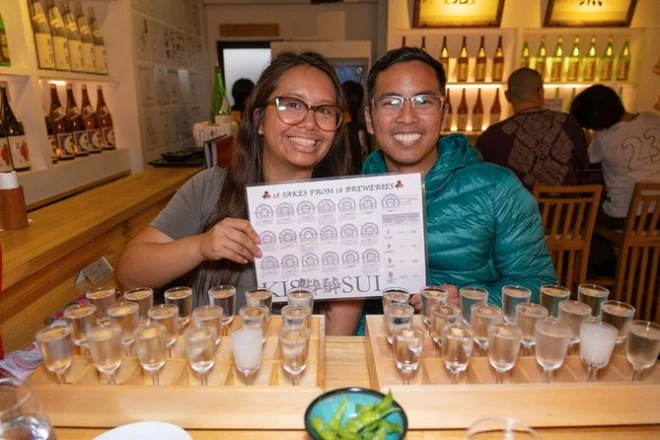
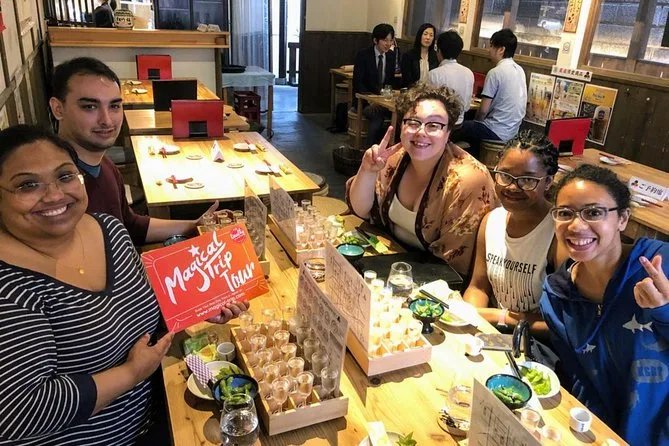
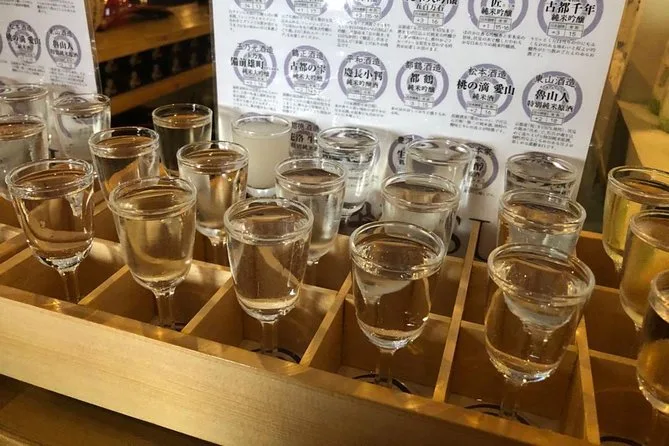
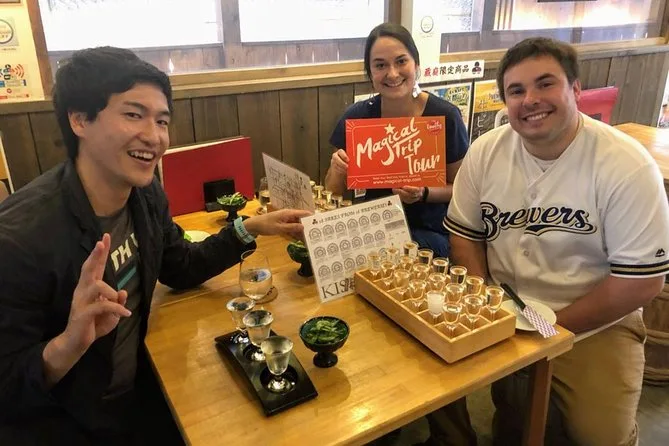
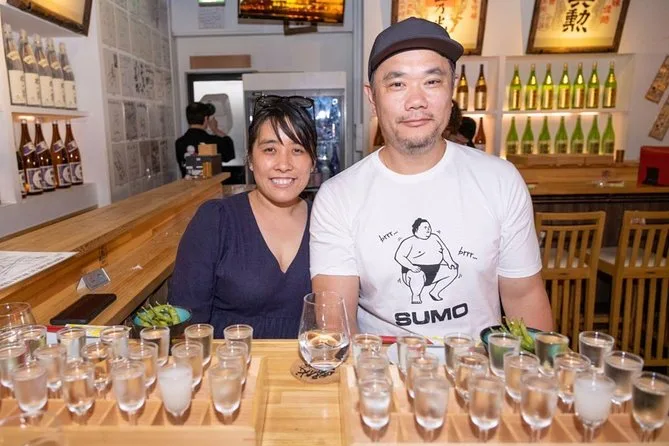
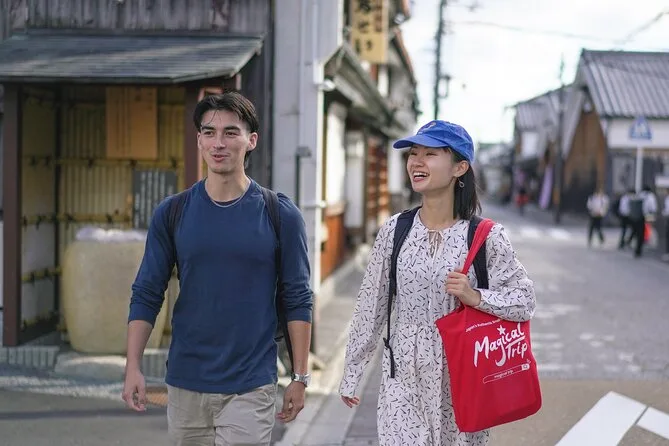
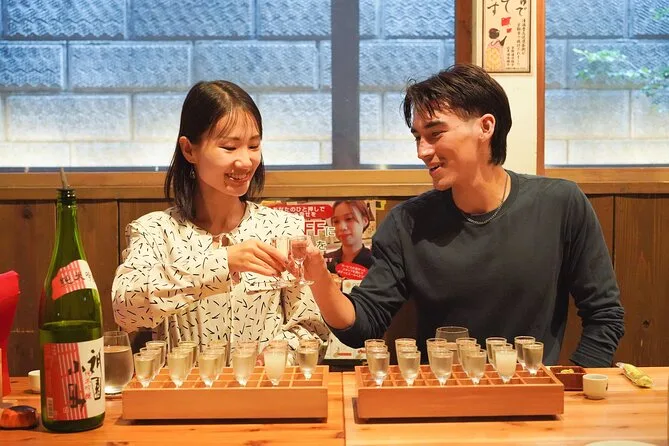
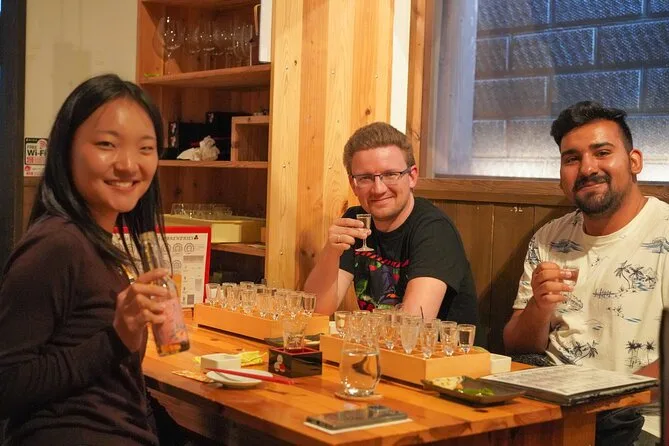
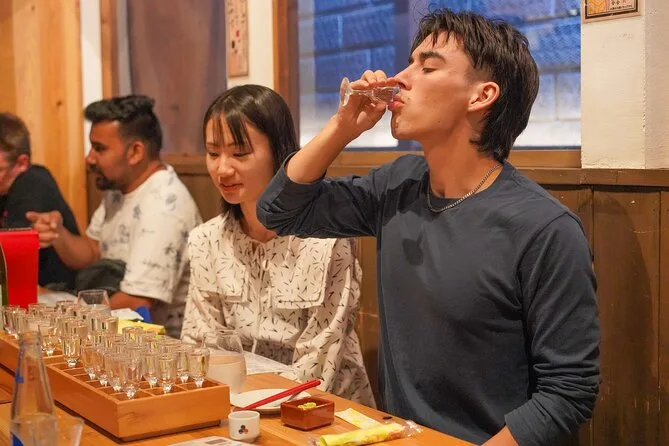
You’ll walk Kyoto’s Fushimi district with a local guide, tasting 18 types of sake at breweries and shops while learning why this area is Japan’s sake heartland. Expect moments of laughter over language slips, hands-on water tastings at shrines, and glimpses of samurai-era history tucked between modern life.

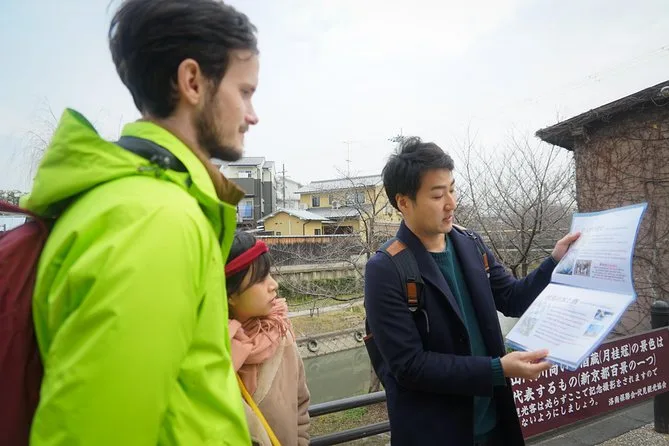
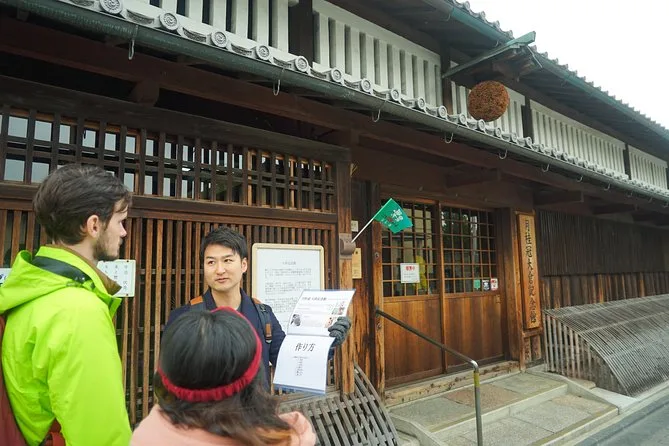
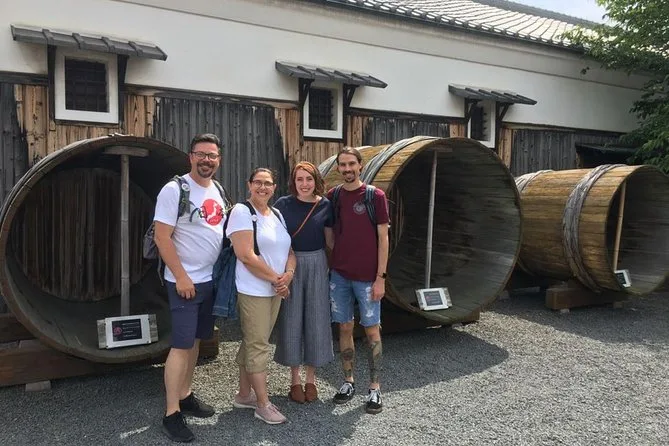
The tour started right in Fushimi — not the touristy part of Kyoto, but where the air actually smells faintly sweet from all the sake brewing. Our guide, Hiro, waved us over near the station (he had a little badge with a kappa on it, which I only realized was a thing here after). We ducked into the Gekkeikan Okura Sake Museum, and honestly, I didn’t expect to care much about old brewing tools or wooden barrels. But Hiro explained how this whole area’s water is what makes Fushimi sake so different — he even made us cup our hands under a little spout outside and taste it. It was cold and almost soft? Not sure how water can taste soft but it did.
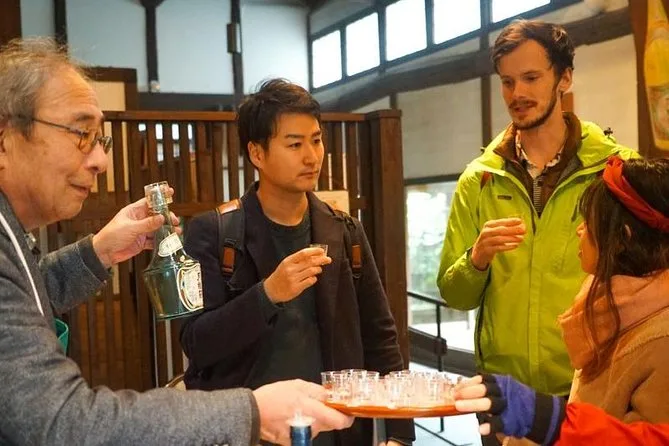
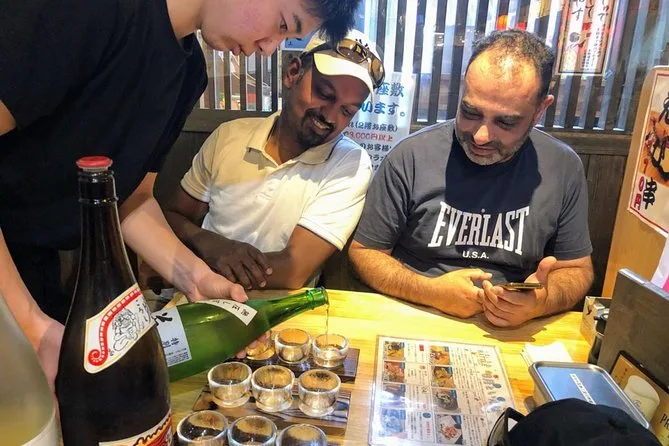
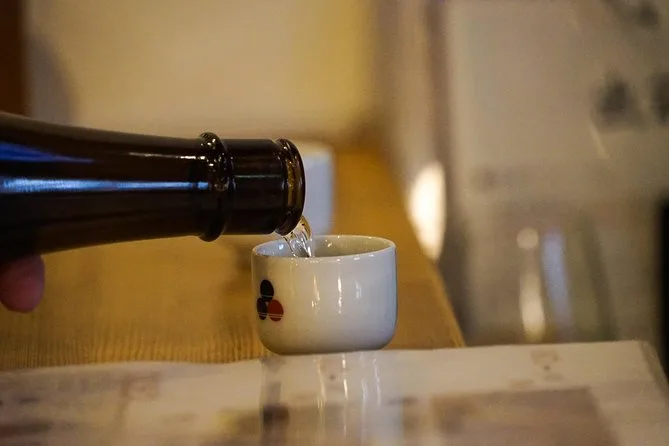
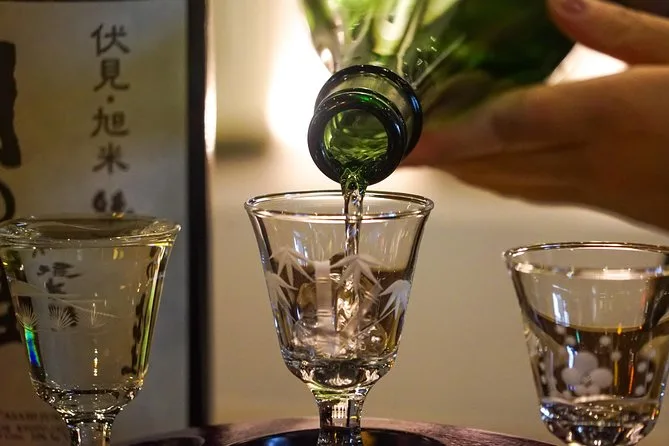
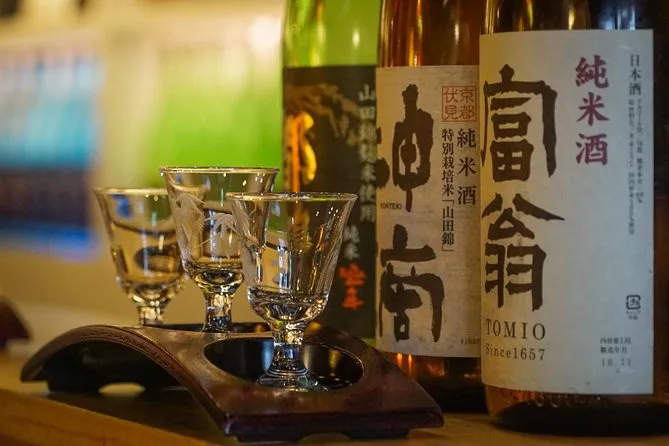
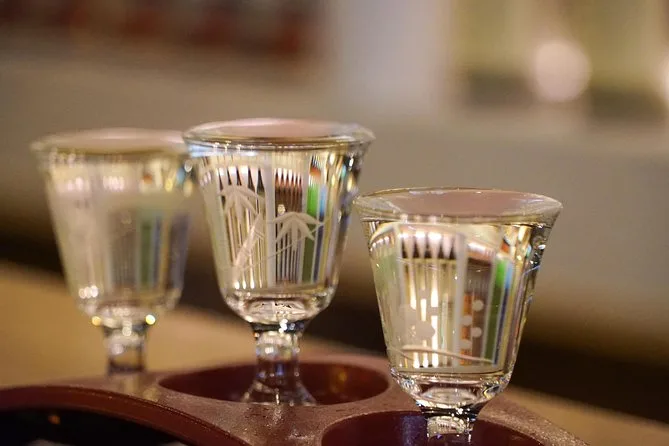
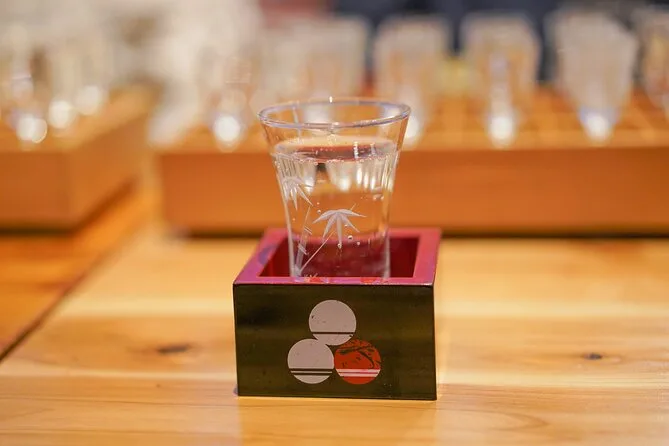
Inside the museum, there was this quiet — like the thick kind you get in places that are used to waiting for things to age. Hiro pointed out an old ledger with calligraphy so neat it looked printed. Then came the first sake tasting: three tiny glasses lined up. The first one burned a bit (in a good way), second was fruity, third just… smooth. I tried to say “kanpai” properly; Hiro laughed and said my accent made it sound like “goodbye.”
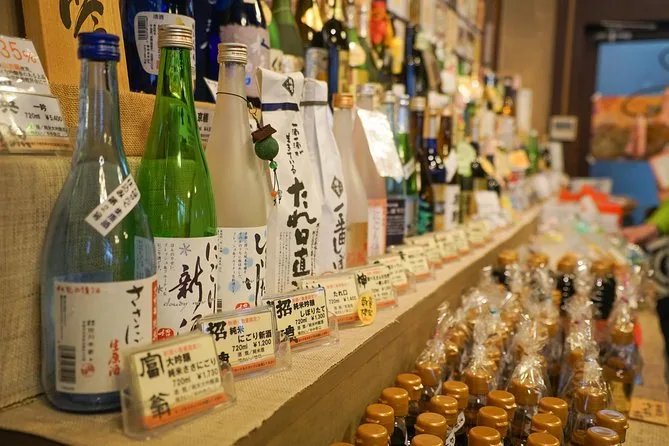
We wandered past Teradaya next — apparently some famous samurai drama happened there (I’m fuzzy on Edo period history), but you can still see people pausing for photos by the statue out front. There were little liquor shops everywhere, their windows fogged up from inside. At one stop, an older lady poured me something she called “junmai,” and I swear it tasted like rice fields after rain. Maybe that’s poetic but that’s what popped into my head.
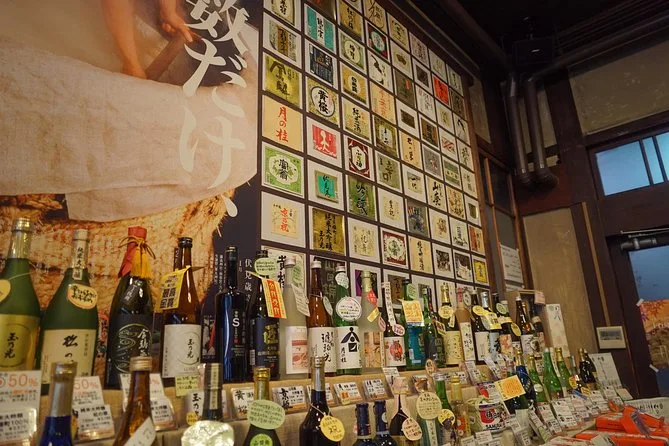
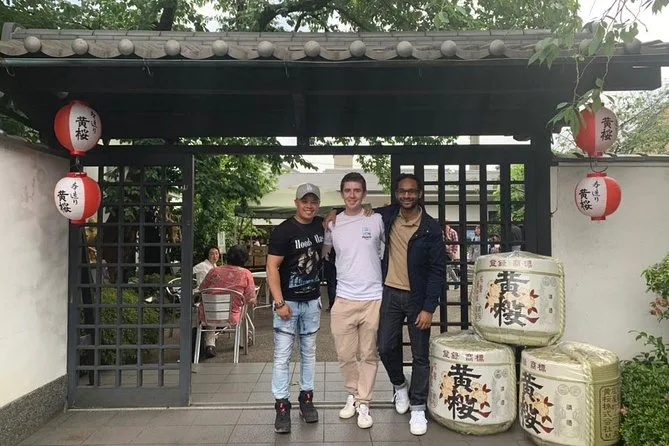
The last bit took us to Kizakura Memorial Hall — more kappa mascots everywhere (they’re these weird river creatures; Hiro says they bring good luck if you’re respectful). By then I felt tipsy in that warm way where everything seems extra golden around the edges. Before we finished, Hiro led us to a tiny shrine tucked between buildings and told us to drink some of the spring water there — said it’s tradition for clearing your head before heading home. I still think about that cool sip cutting through all those flavors lingering on my tongue.
 3h
3h

Step-by-step itinerary
Day 1 — Kyoto Sake Brewery and Cultural Tour
- Start tour in Fushimi
- Visit Gekkeikan Okura Sake Museum
- Pass by Teradaya historic site
- Explore Kappa Gallery and Kizakura Hall

Top questions

How many types of sake do you taste on this Kyoto brewery tour?
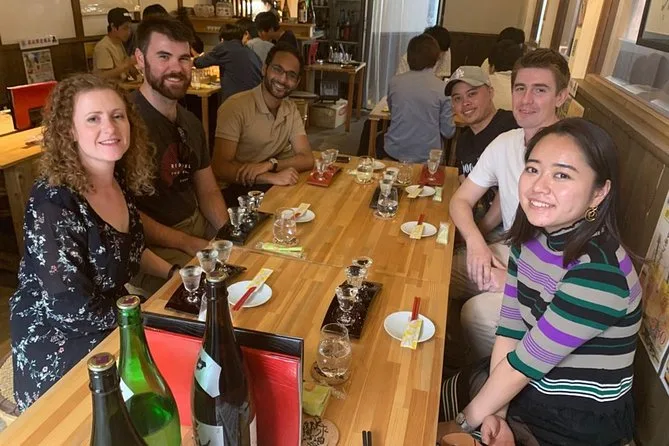
You’ll taste 18 kinds of sake during stops at breweries and restaurants in Fushimi.
Is pickup included for the Kyoto Sake Brewery & Tasting Walking Tour?
No hotel pickup is included; you meet your guide in Fushimi near public transport.
Can children join this Kyoto sake tasting tour?
Yes—kids or anyone under 20 get snacks or food instead of sake tastings.
Does the tour visit any historical sites in Kyoto?
Yes—you pass by Teradaya inn, famous for its role in late Edo period history.
Is lunch included on this Kyoto brewery walking tour?
No lunch is included; only sake tastings (or snacks for minors).
Are entry fees covered on this Kyoto sake tour?
Yes—all museum admission fees are included in your booking.
How long does the tour last?
The exact duration isn’t listed but expect several hours walking through Fushimi.
Is this Kyoto brewery tour suitable for people with mobility issues?
No—it involves walking and some locations aren’t accessible by wheelchair or stroller.

What’s included
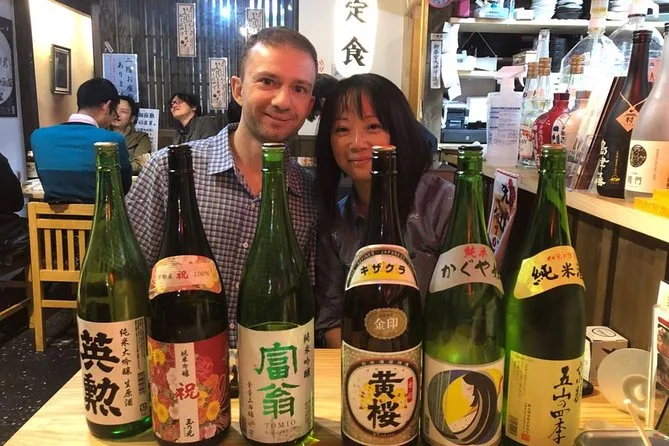
Your day includes entry fees to both Gekkeikan Okura Sake Museum and Kizakura Memorial Hall, guided walks through Fushimi’s brewery district with plenty of stops for tasting (up to 18 kinds of sake), plus snacks or food for anyone under 20 instead of alcohol. You’ll also get photos taken during the tour as a keepsake before heading back on your own from central Fushimi.
 Super deal
  Free booking, free cancellation.
  Don't lose your place.


 Do you need help planning your next activity?
  +507 6792-0894


