

 +507 6792-0894


Hiroshima & Miyajima: Private Spanish Tour with Ferry & Peace Memorial


Summary
Walk Hiroshima’s history then cross by ferry to sacred Miyajima
You’ll walk through Hiroshima’s Peace Memorial Park with a Spanish-speaking guide, stand before the Genbaku Dome, take a ferry to Miyajima Island, and explore Itsukushima Shrine and pagodas at your own pace. Expect moments of reflection—and maybe surprise at how life goes on around these places.


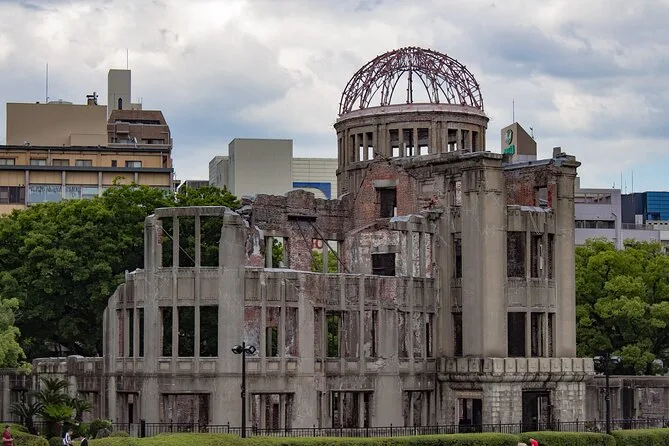
I didn’t expect the silence around the Genbaku Dome to feel so heavy—almost sticky in the air, you know? Our guide, Javier, met us right outside Hiroshima Station and led us through the Peace Memorial Park. I kept getting distracted by the sound of schoolkids laughing nearby, which felt strange against all those paper cranes and stone markers. Javier explained each spot in Spanish—sometimes pausing for questions or just letting us stand there a minute. The museum itself… well, it’s not easy. There’s this faint metallic smell inside that clings to your clothes for a bit after. I needed fresh air when we left.
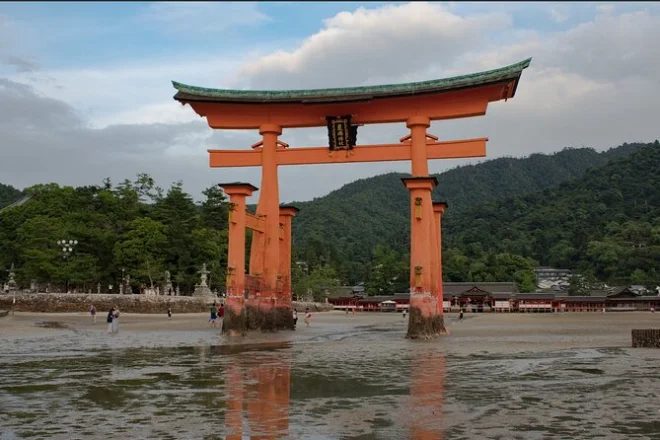
We had some time for lunch on our own (I ended up with okonomiyaki from a tiny place where the owner nodded but didn’t really speak much). Then we caught the tram and headed for Miyajimaguchi Pier—public transport here is so smooth it almost feels choreographed. The ferry ride across was quick, maybe 10 minutes? Windy on deck but worth it for that first glimpse of Miyajima’s floating torii gate. It looked almost unreal against the water, especially with clouds hanging low that day.
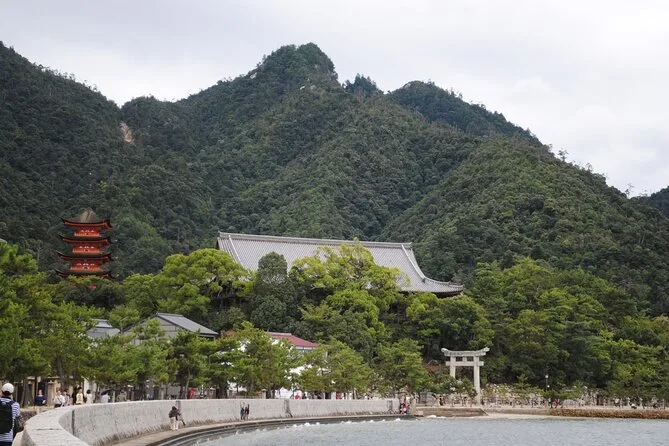
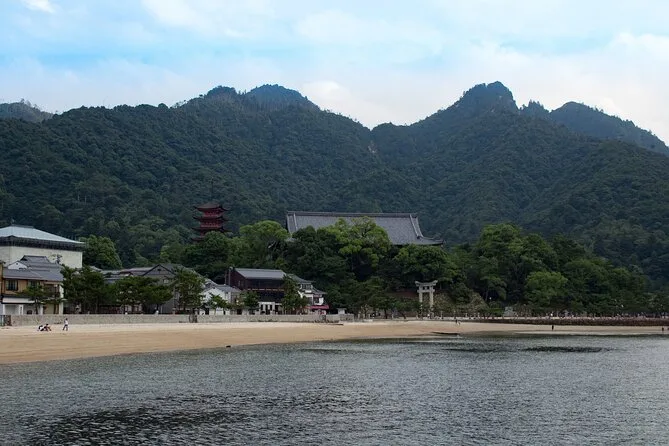
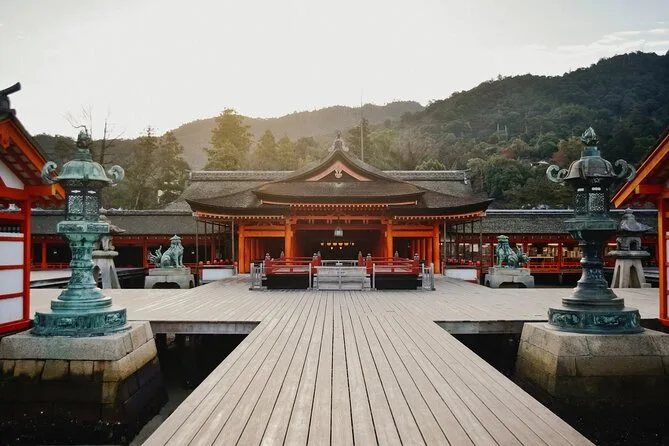
On Miyajima Island, we wandered through Itsukushima Shrine—red pillars slick from sea spray, and deer just wandering around like they owned the place. The Goju-no-to Pagoda rises above everything else; I tried counting floors but got distracted by a local couple taking wedding photos in full kimono (the bride was shivering but smiling anyway). We finished at Toyokuni Temple. I’m still thinking about that quiet moment under its wooden beams—just distant bells and my own shoes on old floorboards.
 8h
8h

Step-by-step itinerary
Day 1 — Visit Hiroshima and Miyajima Island
- Meet at Hiroshima Station
- Visit Hiroshima Peace Monument and Park
- See Genbaku Dome memorial
- Free time for lunch
- Travel to Miyajimaguchi Pier
- Board ferry to Miyajima Island
- Walk through Itsukushima Shrine and Grand Torii
- Visit Goju-no-to Pagoda
- Explore Toyokuni Temple

Top questions

Is this tour in Spanish?
Yes, you’ll have a Spanish-speaking guide throughout the tour.
Does the tour include both Hiroshima and Miyajima?
Yes, you’ll visit Hiroshima Peace Memorial Park and Museum, then travel to Miyajima Island by ferry.
How do we get from Hiroshima to Miyajima?
You’ll use public transportation—a tram to Miyajimaguchi Pier and then a short ferry ride to Miyajima Island.
Are entry fees or meals included?
No meals are included; you’ll have free time for lunch on your own. Some attractions may require cash payment for entry.
Where does the tour start?
The group meets at Hiroshima Station in the morning.
Is this tour suitable for all fitness levels?
Yes, it’s suitable for all physical fitness levels but involves walking and using public transport.
Can infants join this tour?
Yes, infants are welcome but must sit on an adult’s lap during transit.

What’s included
Your day includes meeting your Spanish-speaking guide at Hiroshima Station, guided walks through Peace Memorial Park and Museum, public transport tickets including tram and ferry rides to Miyajima Island, plus plenty of time to explore shrines and temples together before heading back on your own schedule.
 Super deal
  Free booking, free cancellation.
  Don't lose your place.


 Do you need help planning your next activity?
  +507 6792-0894


