
Venice Glass Factory Tour Murano: watch masters blow glass


What does it take to turn sand into a Murano masterpiece?
You watch real glass masters blow and shape molten glass at 1400°C in a working factory, walk through the batch room where the process starts, and see the coldshop finishing techniques. Safety glasses and a local English-speaking guide are included. The tour is physical—you're on your feet moving between hot rooms—so plan for moderate activity and the intensity of being near active furnaces.
 45m–1h

Step-by-step itinerary
Explore Murano glass factory process
- Enter the Batch Room
- Learn sand and chemical mixing
- Observe glass melting in furnace
- Watch glass blowing by masters
- Visit Coldshop for finishing
- See carving, drilling, and polishing

The Experience
The furnace sits at 1400°C, and you can feel the heat from across the room. That's the first thing that hits you when you step into the hotshop of a real Murano glass factory—not a showroom, not a demo space, but an actual working studio where artisans have been making glass the same way for generations. The tour starts in the batch room, where sand and chemicals get mixed to exact ratios before they're loaded into that furnace. It sounds simple until you realize one mistake in the blend and the whole day's work is ruined.
Once the glass melts, you move into the hotshop where the actual blowing happens. The master picks up a long iron pipe, dips it into the molten glass, and starts shaping it with nothing but air and gravity and decades of muscle memory. Your guide explains what you're watching—the way they reheat it, the tools they use, why the timing matters—all in English, so you're not just seeing it, you're understanding it. The temperature in that room is intense, and you'll be wearing safety glasses the whole time, which is a good reminder that this isn't theater. It's work.
After the hotshop, the coldshop shows you what happens next: the carving, drilling, cutting, and polishing that turns a blob of glass into something you'd actually want on a shelf. By the end, you've walked through the entire production chain—from the moment sand enters the building to the moment a finished piece leaves it. Most people who visit Venice and Murano never see this. They see shops. This is different.

What’s included
Your tour includes safety glasses, a local guide who explains the process in English, and access to all three sections of the factory: the batch room where sand is mixed, the hotshop where glass is blown and shaped, and the coldshop where finished pieces are carved and polished. You do not arrange your own entry or transportation to the factory.
Operated by Wave Murano Glass
Is this one for you?Right for travelers who want to understand how Murano glass is actually made, not buy souvenirs in a tourist trap. Expect to be on your feet in hot rooms and near active furnaces—that's what gives you the real factory experience instead of a staged one.
Traveler reviews
Compare the 13 similar options
 Venice Glass Factory Tour Murano: watch masters blow glass★ 4.93 (127)45m–1hEN€ 29
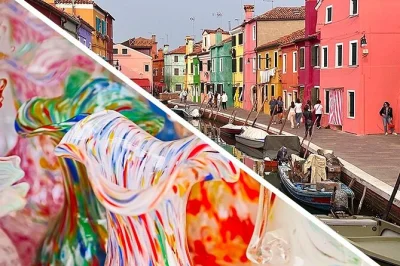 Venice Murano & Burano Private Boat Tour with Glass & LaceStep onto a private boat from Venice to Murano & Burano, watch glassblowing and lace making up close, wander colorful canals, and return with your small group.★ 4.77 (1,409)4h 30mEN€ 25View ›
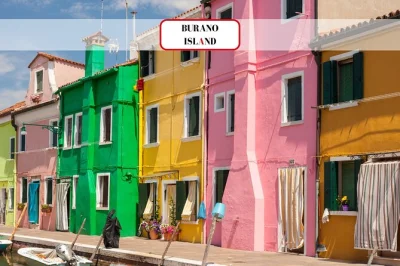 Venice Islands Tour: Murano Glass & Burano Lace DemonstrationsWatch glassblowers shape molten Murano glass, then explore Burano's colorful streets and lace-making traditions on a guided boat tour from San Marco★ 4.74 (2,241)4h–5hEN · IT +2€ 25View ›
 Venice: Doge's Palace & St Mark's Basilica Fast-Track TourSkip-the-line access to Venice's two most powerful landmarks with a licensed guide. Includes Doge's Palace, St. Mark's Basilica, and three museums. Small groups, 2–3 hours.★ 4.57 (136)2hEN · DE +2€ 79View ›
 Venice Ghost Tour: Haunted Legends and Dark HistoryWalk Venice's shadowy alleys and lesser-known squares on a guided ghost tour uncovering the city's chilling past1h 15mEN · ES€ 10.90View ›
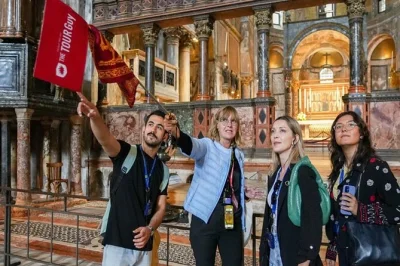 St. Mark's Basilica & Doge's Palace: Gondola Ride IncludedSt. Mark's Basilica and Doge's Palace guided tour in Venice with timed entry, expert guide, and gondola ride. Skip lines and learn Venetian history.★ 4.63 (1,259)3h 30mEN€ 99View ›
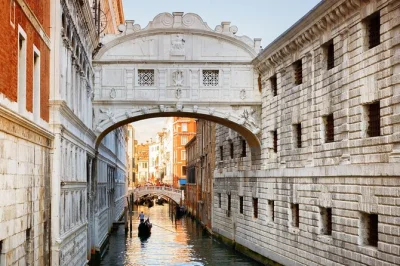 Venice: Doge's Palace & St Mark's Basilica Private TourStep inside Venice’s Doge’s Palace and St Mark’s Basilica with skip-the-line access, private guide, and a close-up look at golden mosaics, secret prisons, and the Bridge of Sighs.★ 4.97 (415)2h 30mEN · DE +3€ 199View ›
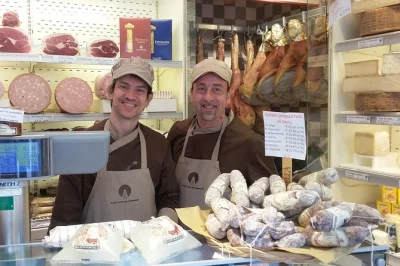 Venice food and wine tour: Cannaregio & San Polo cicchettiSmall-group food and wine tour through Venice's Cannaregio and San Polo districts with 15 tastings and sit-down dinner with expert local guide.★ 4.81 (3,956)2h 30m–3h 30mEN · DE +4€ 89View ›
 Venice: Pasta & Tiramisu Cooking Class with WineRoll pasta dough, sip local wine, and laugh with new friends in a Venice restaurant. Includes hands-on class, homemade tiramisu, and all drinks.★ 4.96 (1,651)3hEN€ 75View ›
 Venice wine tasting tour: 6 bars, 13+ tastings, Hemingway's tableWine tasting tour in Venice across 6 bars and restaurants with 13+ food tastings and regional Veneto wines. Expert guide, 2–3 hours.★ 4.86 (1,169)2h 30m–3hEN · DE +4€ 95View ›
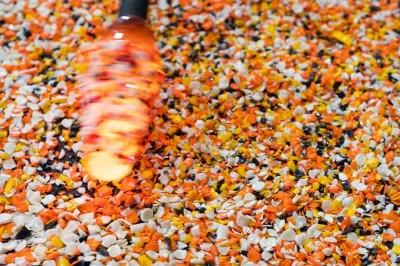 Venice: Murano, Burano & Torcello Private Motorboat TourPrivate boat tour of Venice's lagoon islands: Murano glass factory, Burano village, and Torcello's basilica. Includes hotel pickup and local guide. Small groups.★ 4.67 (452)4hEN · IT +2€ 200View ›
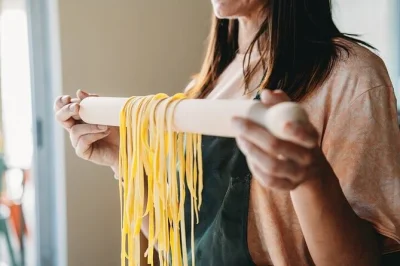 Venice Cooking Class: 3-Course Meal & Unlimited ProseccoRoll fresh pasta, master tiramisu, and share laughs over unlimited Prosecco in a hands-on Venetian cooking class. Includes all ingredients and a full meal.★ 4.82 (286)2h 30mEN · IT +1€ 79View ›
 Venice: Pasta & Gelato Cooking Class with Wine by St Mark'sFeel the warmth of Venice in a hands-on pasta & gelato class near St Mark’s, with Tuscan wine, laughter, and recipes to bring home. Includes lunch or dinner.★ 4.80 (103)3hEN · IT€ 89View ›
Top questions
Do I need special clothing or shoes?
Wear closed-toe shoes and comfortable clothes you don't mind getting warm in. Safety glasses are provided.
Is the tour suitable for children?
Infants must sit on an adult's lap. The tour is not recommended for travelers with spinal injuries, pregnant travelers, or those with poor cardiovascular health due to heat and standing.
How do I get to the factory from Venice?
Public transportation options are available nearby. Your guide or the operator can provide directions.
Will the guide speak English?
Yes, explanations are given in English throughout the tour.
Venice Glass Factory Tour Murano: watch masters blow glass
45m–1h · EN
from € 29 per person
★★★★★★★★★★4.93127 reviews
