
Mount Etna Summit Trek: 3,380m Crater Hike with Guide















The Long Descent: Why Mount Etna's Summit Hike Surprises Even Fit Climbers
You ascend Mount Etna's north slope by 4x4 to 2,960 meters, then trek on foot 5 kilometers to the summit craters at 3,380 meters with a licensed volcano guide. The descent is 7 kilometers on foot through soft volcanic sand and gullies, dropping 1,500 meters back to the start. Total distance is 12 kilometers over roughly six hours. Trekking poles, helmet, warm jacket, and insurance are included; the hike is suited only to experienced hikers with strong legs and high fitness.
 5h 30m

Step-by-step itinerary
Mount Etna summit trekking experience
- Meet guides at Piano Provenzana
- Briefing and equipment distribution
- Board 4×4 vehicles for ascent
- Drive panoramic northern slope to 2,960 m
- Begin guided hike to summit craters
- Climb 5 km with 550 m ascent
- Stop at summit to observe landscape
- Descend on foot to 1,800 m

The Experience
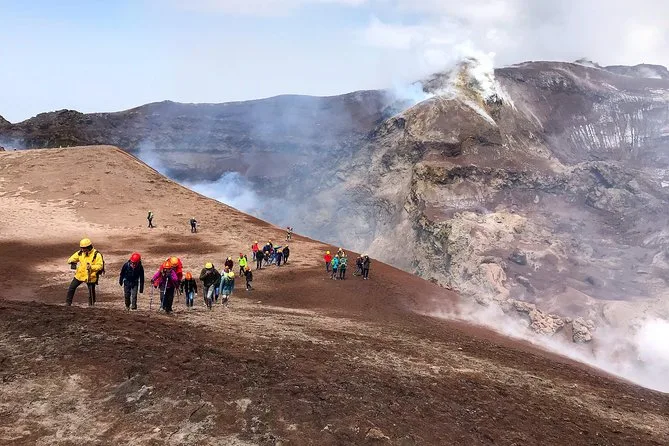
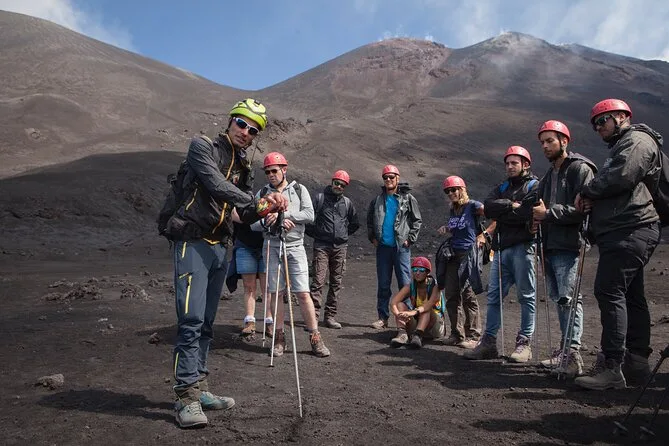
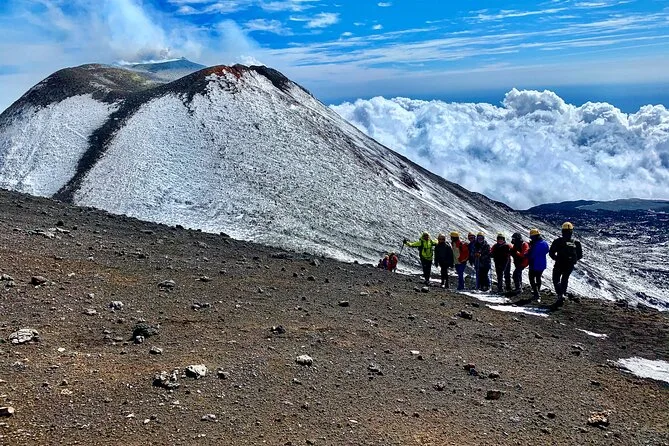
The briefing at Piano Provenzana happens fast. Your guide hands you a helmet, trekking poles, and a warm jacket, then mentions something that catches most people off guard: the descent from 3,300 meters down to 1,800 meters—that long, soft-scree drop through volcanic gullies—often feels harder on the knees than the climb itself. You nod like you understand, but you don't, not really, until you're halfway down and your quads are screaming and the ground beneath your boots is shifting like sand. That's when the hike stops being a summit achievement and becomes something you have to finish.
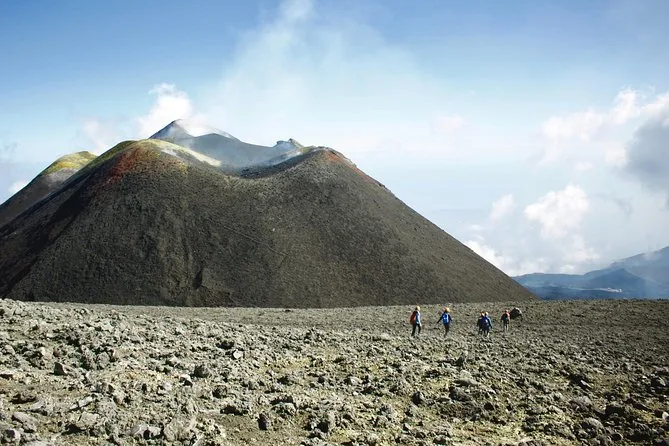
The day starts at 7:45 a.m. at Piano Provenzana, on Mount Etna's less-crowded northern slope. You board a 4x4 with your guide and climb 9.5 kilometers of unpaved track through lava fields, lateral craters, and eruptive fractures, rising from 1,800 meters to 2,960 meters. The road itself is the attraction—you pass through forests, cross recent lava flows, and on clear days the view opens to the Aeolian Islands, the Strait of Messina, and Calabria across the water. The guide points out the 2002 eruption scar, the way the landscape still looks raw, almost fresh. By the time you step out of the vehicle, you've already seen more of Sicily's geology than most people do in a week.
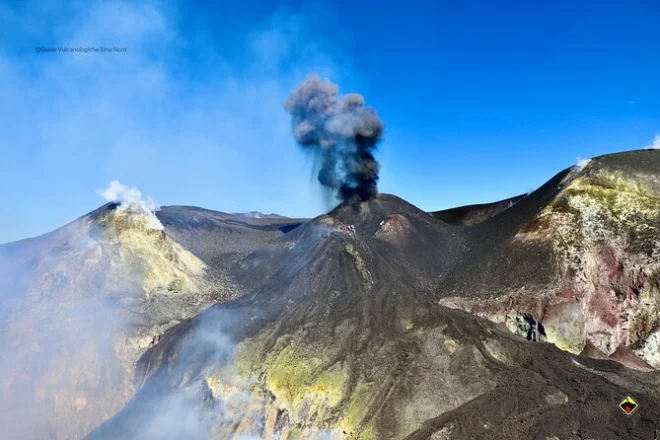
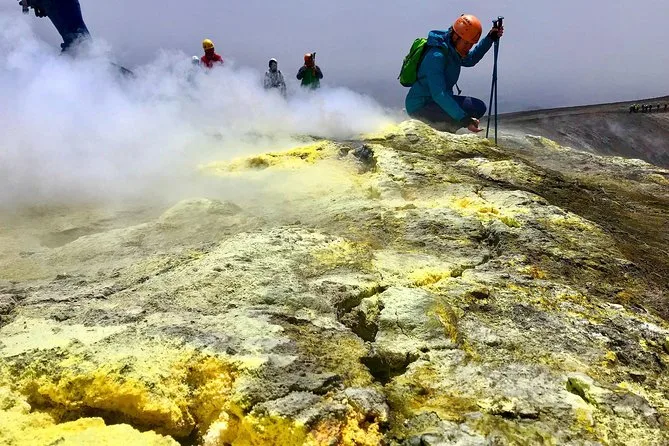
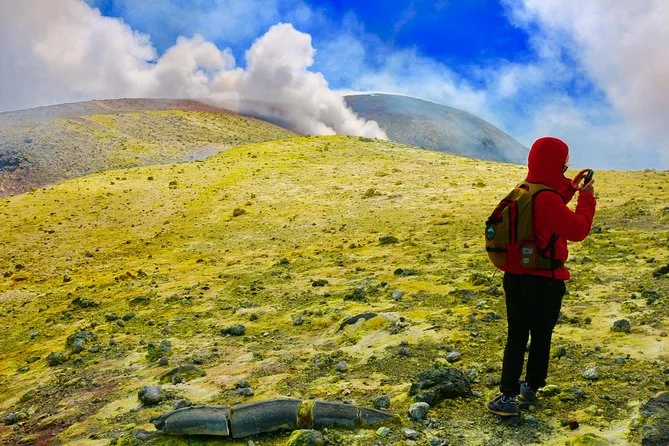
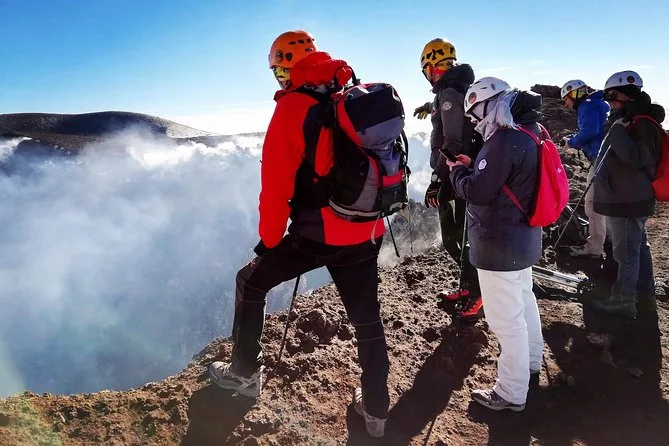
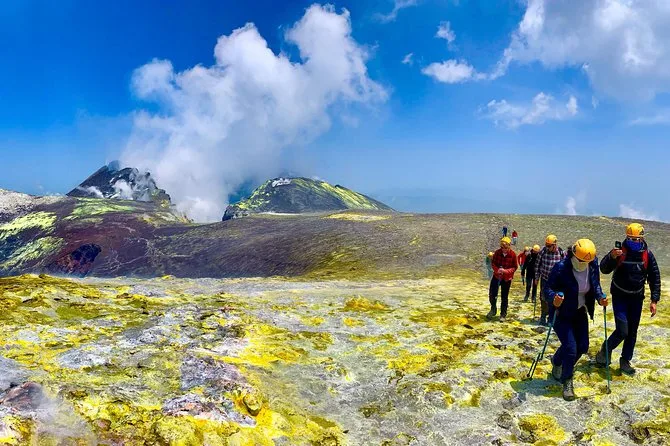
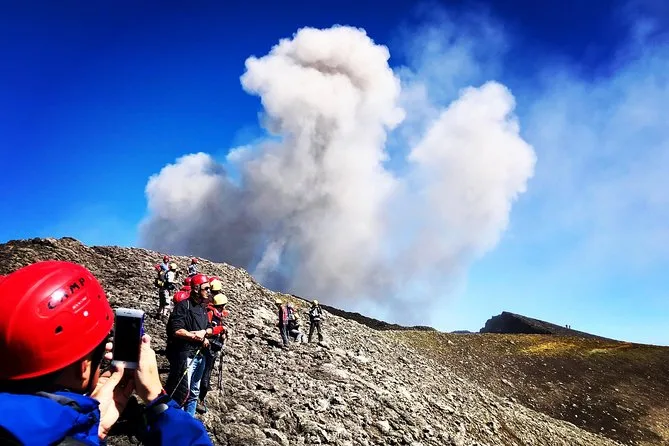
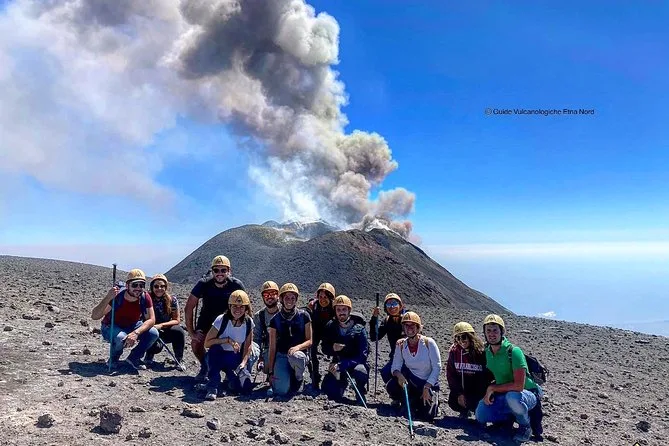
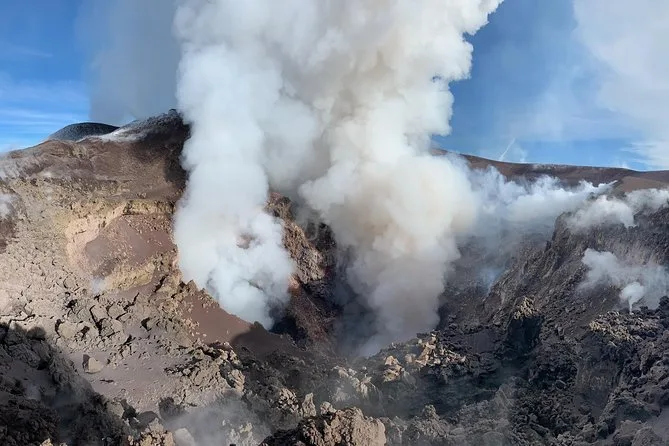
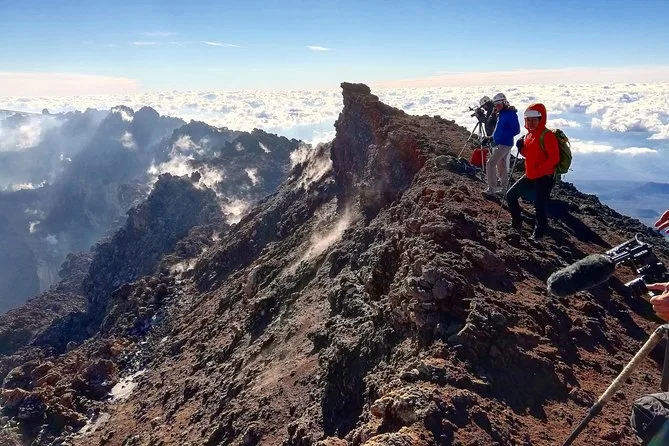
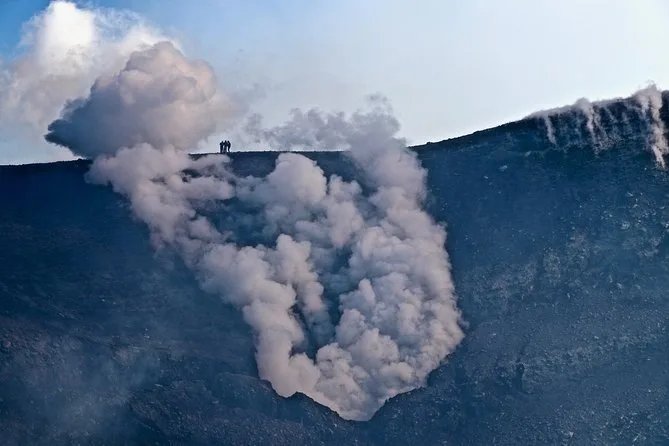
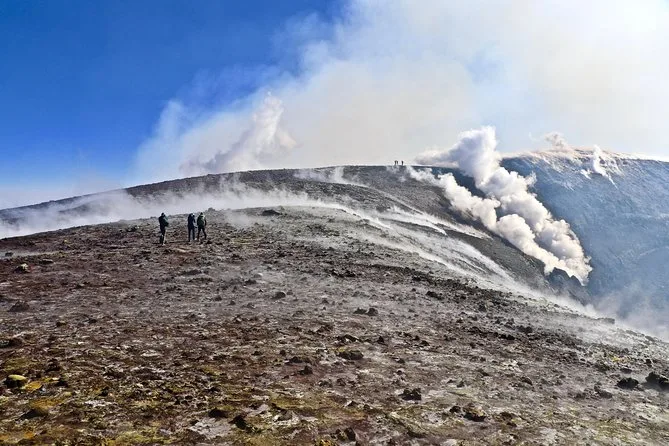
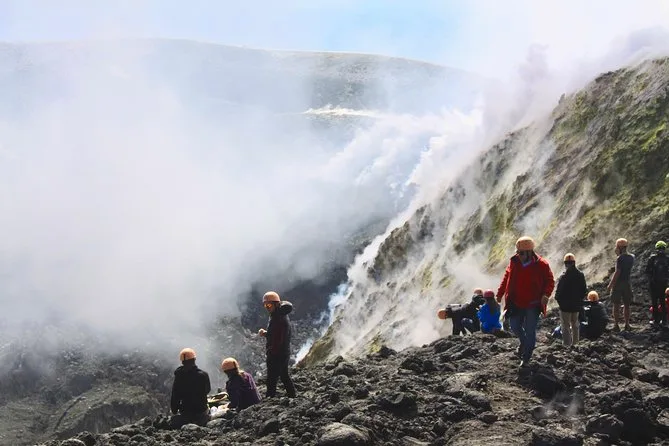
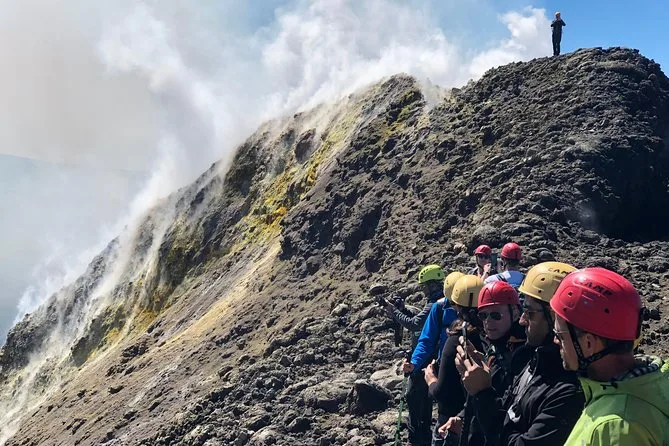
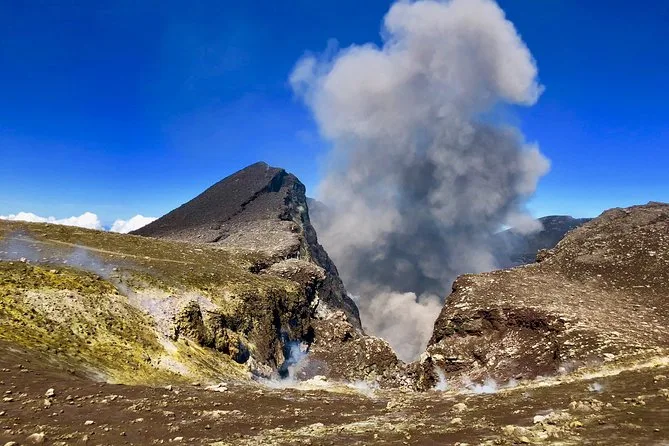
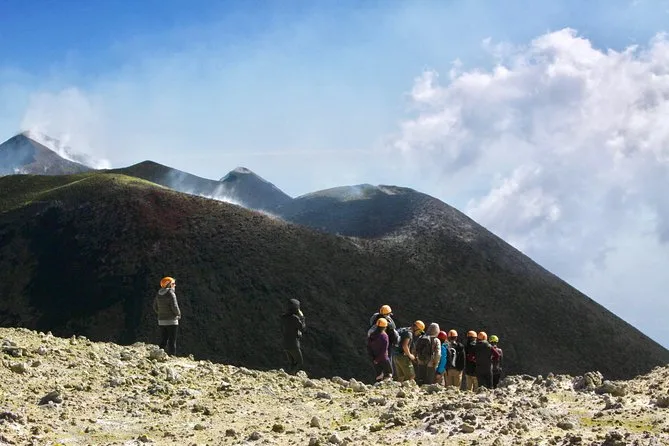
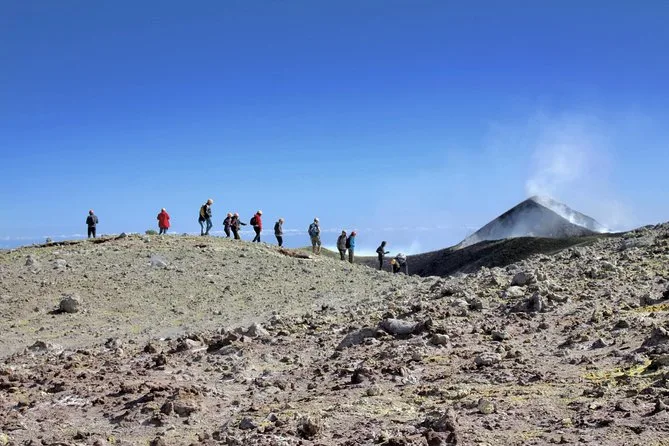
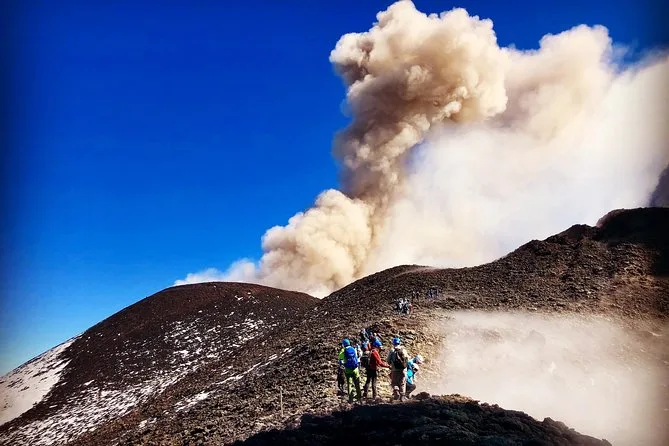
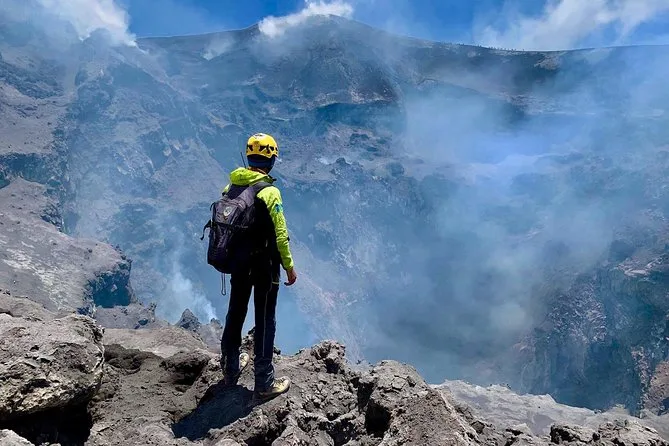
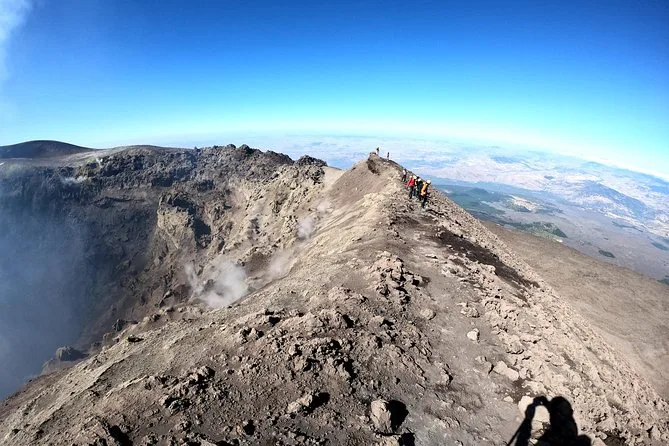
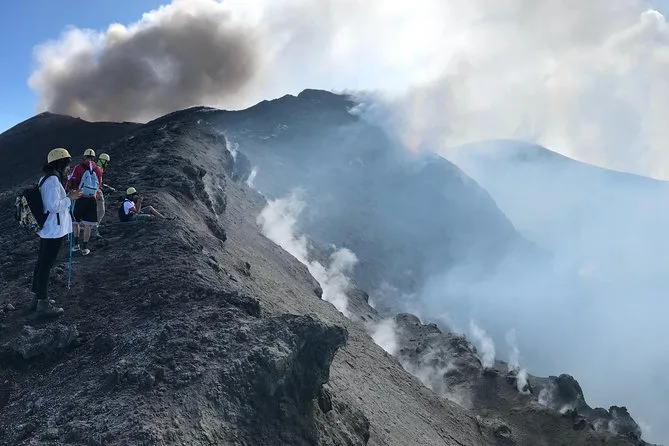
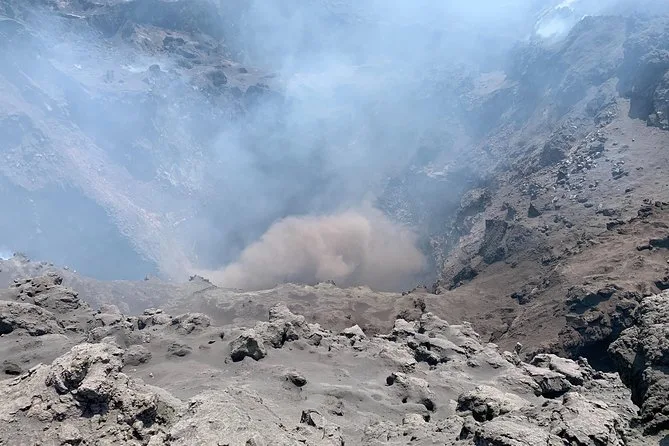
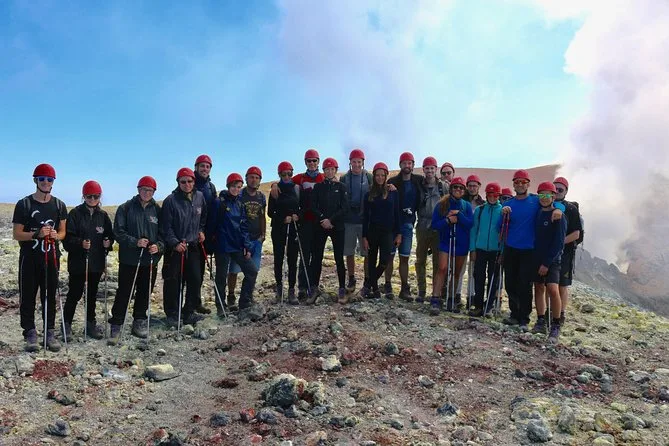
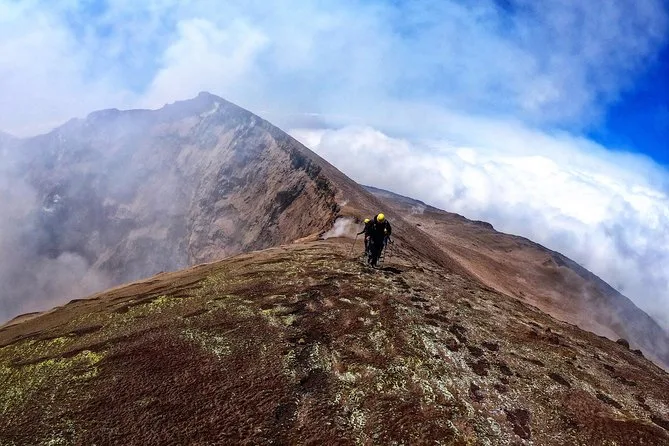
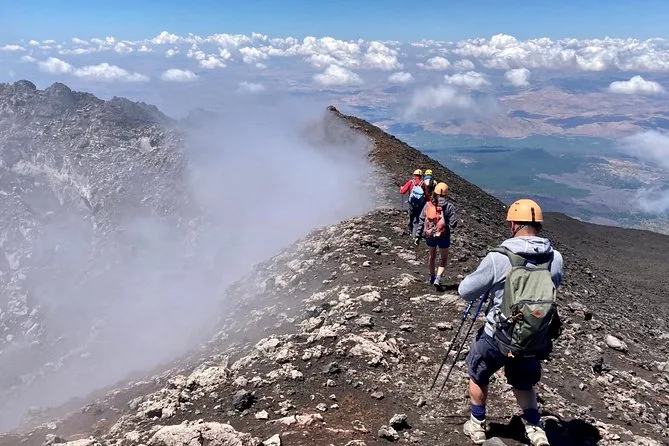
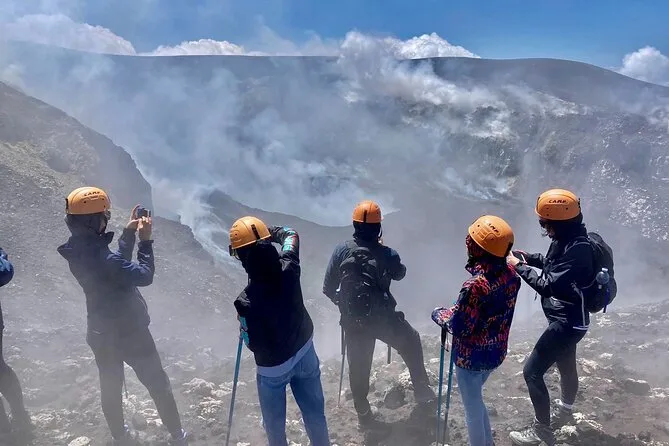
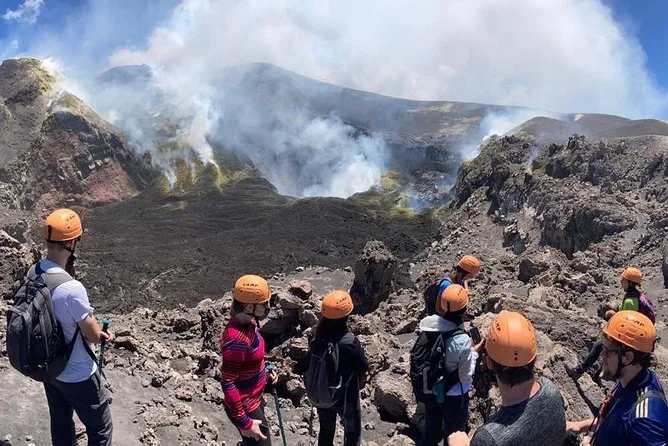
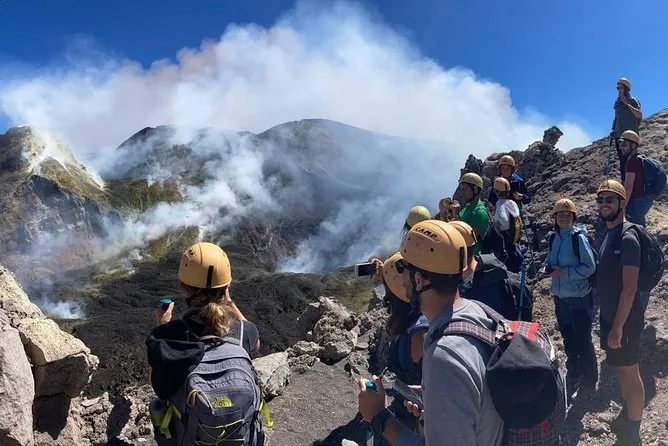
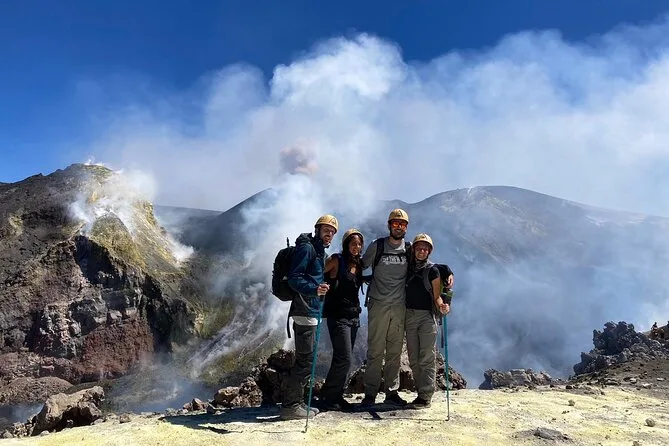
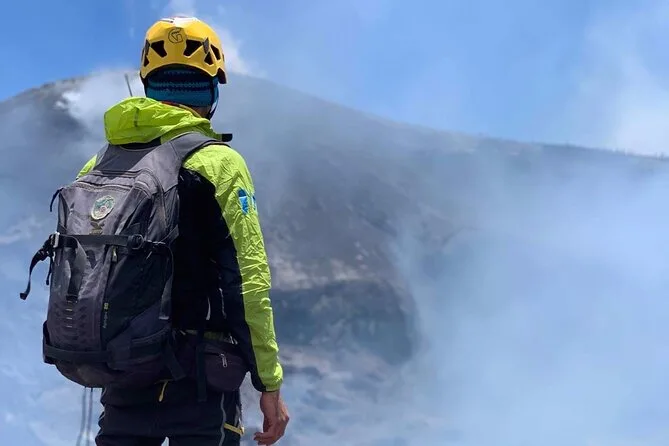
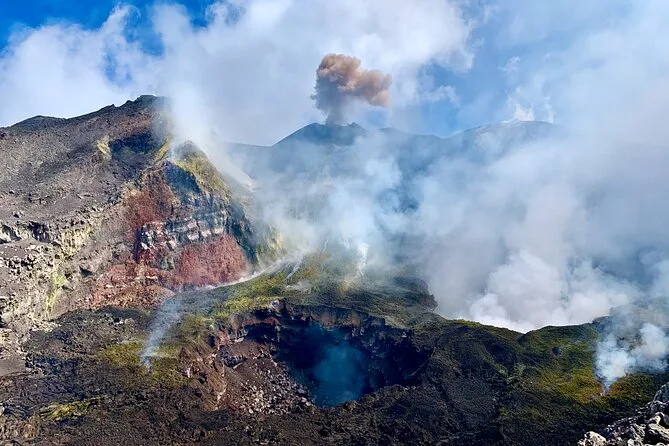
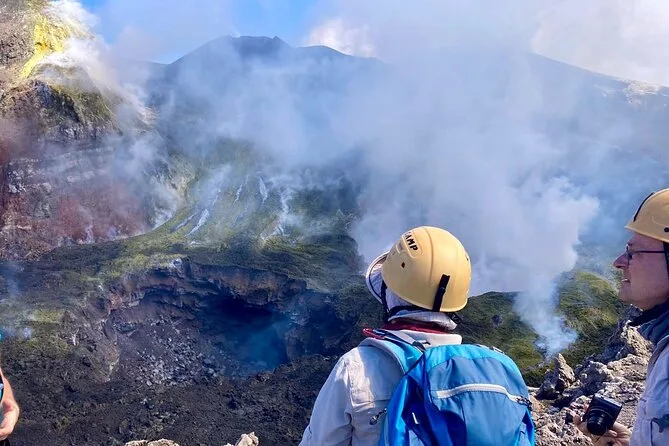
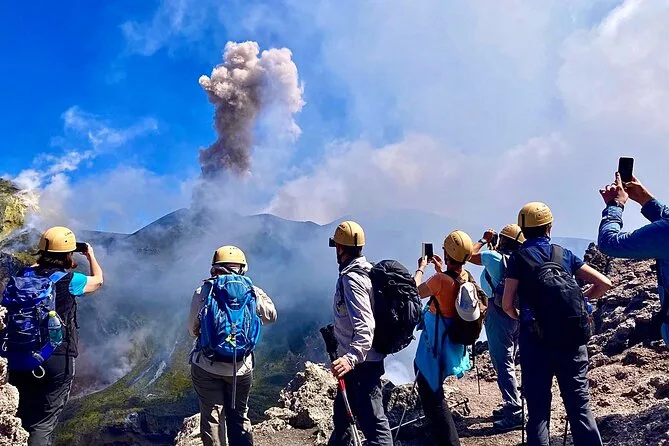
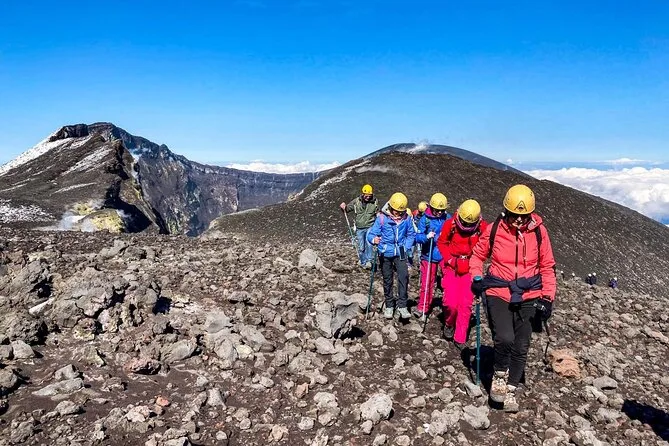
From 2,960 meters, the trek on foot begins. The climb is 5 kilometers with 550 meters of elevation gain to the crater rim at 3,380 meters. You're walking through volcanic scoria and lava bombs, the air getting thinner, the landscape becoming more alien—less green, more ash and black rock. The guide chooses the safest route toward the most active crater each day; volcanic conditions change, so the exact path shifts. You reach the summit area, stand at the rim of the Central Crater or one of the four main craters, and the scale of it hits you. Then you turn around and start the long way down. Seven kilometers, 1,500 meters of descent, mostly on soft sand and loose volcanic material. Your legs know the difference between climbing and descending almost immediately. The path crosses the Piano delle Concalze, then rougher ski slopes, and the whole thing takes roughly six hours total.
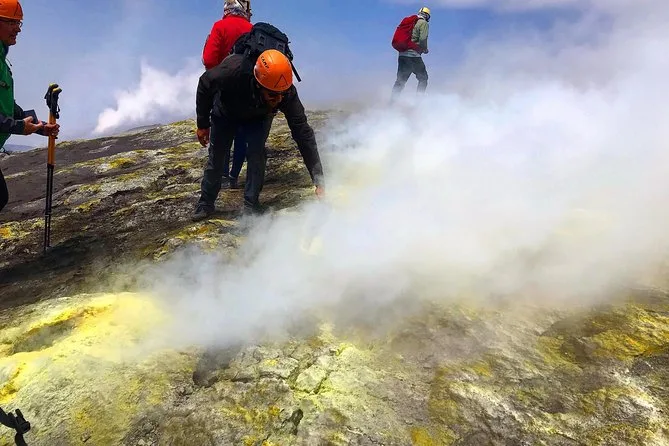
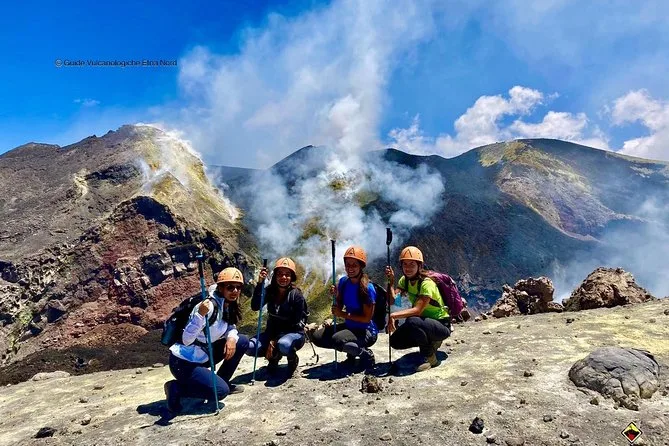
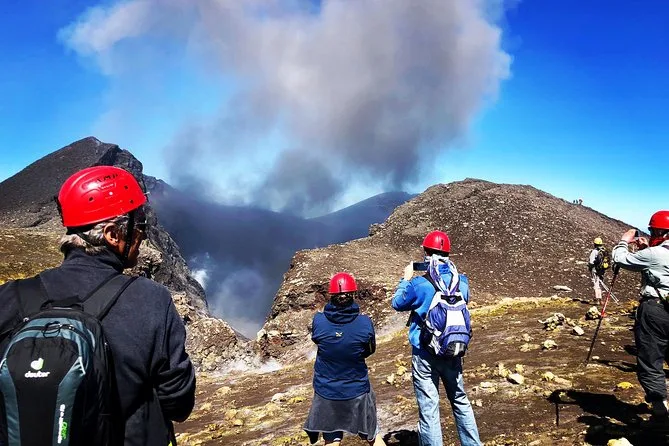
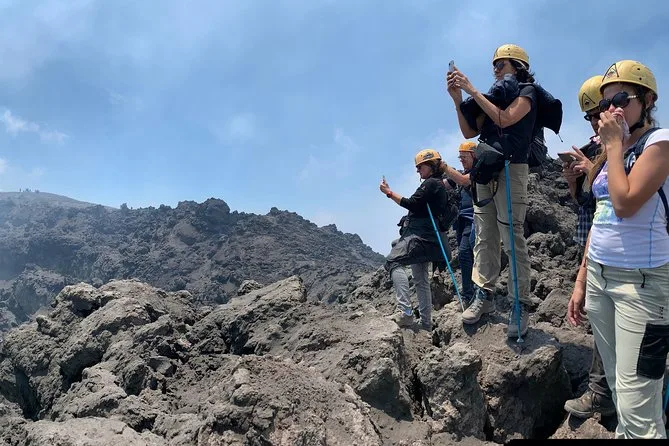
This is a trek for experienced hikers with strong knees and genuine fitness. The guide carries the technical knowledge—they know where the gas vents are, which craters are safe to approach, when conditions shift—but you carry the physical demand. Trekking poles help on the descent, and they're provided. So are helmets, warm jackets, extra socks, and a backpack. Insurance is included. If at 2,850 meters you decide the descent isn't for you, you can pay €70 extra to ride the 4x4 back down instead of walking. Some people do. Most don't mention it until they're already committed to the hike. Meet your guide at Piano Provenzana with your own car or rental—the access road is fully paved—and bring water, snacks, and the fitness to match the altitude and the terrain.

What’s included
- Your day includes a licensed volcano guide throughout the ascent and hike, entry to Mount Etna, a 4x4 drive up the panoramic northern slope to 2,960 meters, a guided trek to the summit craters at 3,380 meters, and the descent on foot back to the start.
- Equipment provided: trekking poles, helmet, warm jacket, extra socks, and a backpack.
- Accident insurance is included.
- You meet at Piano Provenzana at 7:45 a.m., and the whole experience takes roughly six hours.
- Breakfast, coffee, and water refills are available at the Piano Provenzana café before departure.
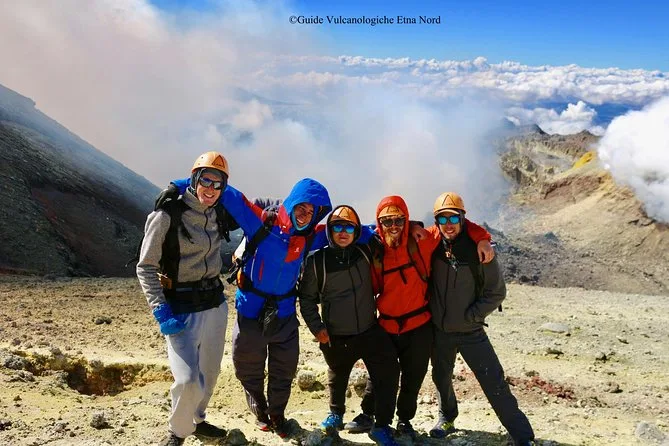
Operated by Guide Vulcanologiche Etna Nord
Is this one for you?This trek is for experienced hikers with strong fitness and resilient knees—the descent is longer and often harder than the climb, and the altitude and volcanic terrain demand genuine preparation. The guide handles the volcanic knowledge and route decisions; you handle the physical endurance.
Traveler reviews
Compare the 13 similar options
 Mount Etna Summit Trek: 3,380m Crater Hike with Guide★ 4.86 (289)5h 30mEN · IT +1€ 115
 Taormina & Etna: Half Day Nature Walk, Lava Cave & TastingFeel the crunch of Etna’s lava underfoot, explore a real lava cave, and taste Sicilian honey on this half day from Taormina with pickup and local guide included.★ 4.73 (337)7hEN · DE +3€ 74View ›
 Mount Etna: Small Group Volcano Hike & Valle del Bove ViewsFeel the crunch of black lava underfoot on a guided Mount Etna hike from Catania, with pickup, gear included, and a coffee stop in a Sicilian village.★ 4.64 (467)6h 30mEN · IT€ 75View ›
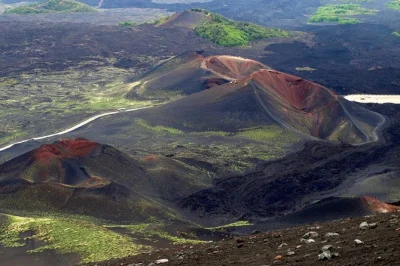 Etna: Morning Trek, Lava Cave & Valle del Bove with PickupFeel the crunch of Etna’s black earth, trek old craters, explore a lava cave and gaze into Valle del Bove—all with pickup from Catania and a local guide.★ 4.74 (1,383)6hEN · IT +2€ 59View ›
 Syracuse to Taormina & Mount Etna Day Trip with GuideFull-day guided tour from Syracuse to Taormina and Mount Etna's 1,900m crater. Includes arancino tasting, air-conditioned transport, and free lunch time.11hEN · IT€ 110View ›
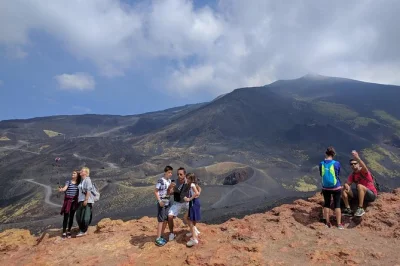 Messina to Etna & Taormina: Lava Walk, Corso Umberto, LunchFeel the crunch of Etna’s lava underfoot, wander Taormina’s Corso Umberto, and taste Sicilian treats on this day trip from Messina with guide and transport included.★ 4.77 (213)7hEN€ 120View ›
 Mount Etna 3000m: Cable Car, 4x4 & Crater Trek SicilyMount Etna trek to 3000m with cable car, 4x4 vehicle and volcanic crater hike. Includes guide, gear and views of Summit Craters. 4 hours walking, small groups.★ 4.70 (677)4h–5hEN · IT +1€ 55View ›
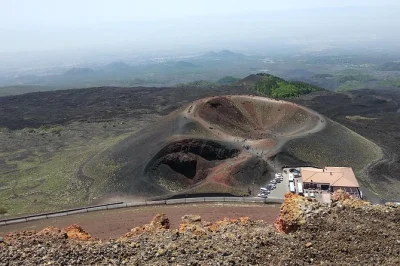 Mount Etna: Small Group Trek, Lava Tubes & Sicilian Farm TastingFeel the crunch of ancient lava underfoot on Mount Etna, explore volcanic caves, and taste Sicilian wines at a local farm. Includes guide and gear.★ 4.99 (215)6hEN · IT€ 75View ›
 Mt. Etna Sunset Trek from Taormina: Lava Caves & Local TastingMt. Etna volcano tour from Taormina with lava cave exploration, sunset views, and local honey & oil tasting. Hotel pickup included, multilingual guide, 1 day.★ 4.70 (233)5hEN · DE +3€ 75View ›
 Mt. Etna from Catania: Lava Cave, Craters & Sicilian TastingFeel volcanic earth underfoot on Mt. Etna, explore a real lava cave, taste honey and olive oil with a local guide. Small group tour includes pickup from Catania.★ 4.80 (594)7hEN · DE +3€ 59View ›
 Etna: Trek Valle Bove & lava tunnel with local guideWalk black sand trails, explore Valle del Bove, and enter a lava tunnel on Mount Etna with a Sicilian guide. Includes gear and private transport. Book now.★ 4.87 (99)6h–7hEN · IT€ 75View ›
 Mt. Etna from Taormina: Private Tour to 2000m Craters & Lava CavesDrive from beach to volcanic craters at 2000 meters with a private guide. Includes lava tube, extinct craters, forest walk, and hotel pickup from Taormina.★ 4.89 (111)6h–7hEN · IT€ 199View ›
 Mount Etna & Wine Tasting: Silvestri Craters & Gambino WineryPrivate Mount Etna tour from Sicily hotels: 2,000m crater walk, Valle del Bove views, honey tasting at Oro d'Etna, 4-wine pairing at Gambino Winery. Pickup included, full day.★ 4.82 (67)5h–8hEN · IT€ 230View ›
Top questions
What's the difference between the north and south slopes of Mount Etna?
The north slope (Piano Provenzana) has smaller groups, less crowding, and a more authentic volcanic landscape. The southern slope is more developed and busier.
Can I turn back or skip the descent?
Yes. If you reach 2,850 meters and decide not to hike down, you can pay €70 to return by 4x4 instead of walking the remaining 7 kilometers.
What's included in the tour?
Licensed volcano guide, entry to Mount Etna, trekking poles, helmet, warm jacket, extra socks, backpack, and accident insurance.
How long does the whole thing take?
Roughly six hours total, including the 4x4 drive up, the summit hike, and the descent.
Is this suitable for people with average fitness?
No. The trek is designed for experienced hikers only. You need strong legs, good cardiovascular health, and high physical fitness to manage the altitude and the long descent.
What time does it start?
Morning departures leave at 8:00–8:15 a.m. from Piano Provenzana. An afternoon start at 1:00 p.m. runs from May to October.
Do I need my own car to get there?
Yes. Piano Provenzana is accessible by private or rental car along fully paved public roads. In winter, carry snow chains or use winter tires.
What happens if volcanic conditions change?
The guide adjusts the route or may stop the hike if gas, heat, fractures, or other volcanic activity makes it unsafe. The excursion can be modified or cancelled at the guide's discretion for safety.
Can I wear contact lenses?
Not recommended. Volcanic gases and ash can irritate contact lenses. Glasses are a better choice.
What's the maximum altitude?
3,380 meters at the crater rim. Mild altitude effects are possible at this elevation.
Mount Etna Summit Trek: 3,380m Crater Hike with Guide
5h 30m · EN · IT +1
from € 115 per person
★★★★★★★★★★4.86289 reviews
