
Cremona: Torrazzo Tower Climb & Baptistery Entry Ticket
More experiences you might like
 Maranello Ferrari Museum & Balsamic Vinegar Tour from ParmaMon–Sat · 14:00 · From age 6★ 4.50 (4)4hEN · IT€ 159View ›
 Parma Private Walking Tour: Medieval to Modern HistoryDaily · 13 departure times, from 06:00 to 18:00 · All ages★ 5.00 (4)2hEN · IT€ 282per groupView ›
 Parmigiano Reggiano & Parma Ham Tour from Parma: Factory TastingsDaily · 08:30 and 10:00 · All ages★ 4.87 (677)4h–5hEN · IT€ 135View ›
 Parma: Guided City Walk Unfiltered & Local Stories SharedDaily · 10:00 and 15:00 · All ages★ 3.89 (19)2hEN · IT€ 25View › Compare more experiences like this »

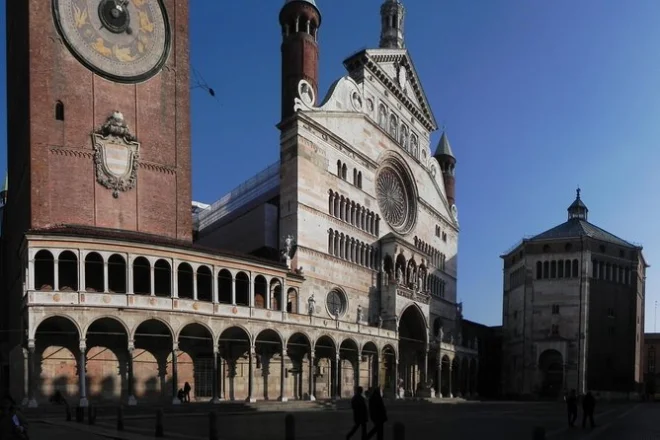
Climb torrazzo’s ancient steps pause in the vertical museum and wander baptistery halls with centuries-old stone
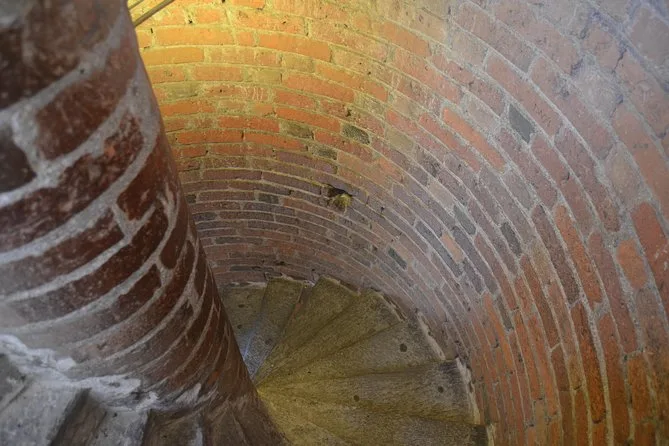
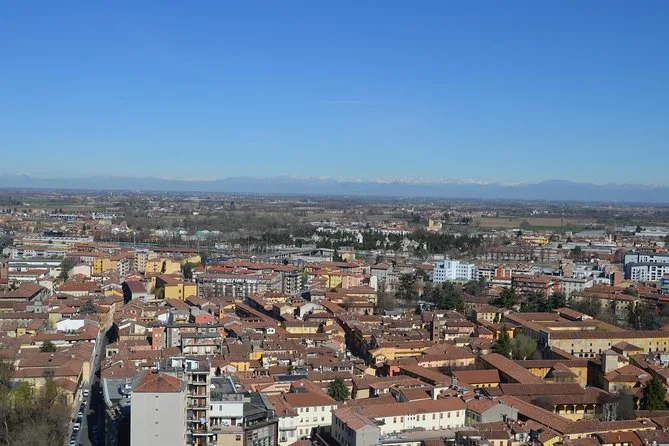
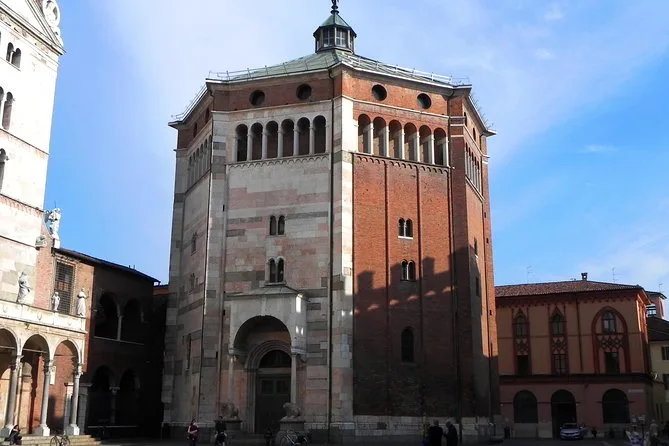
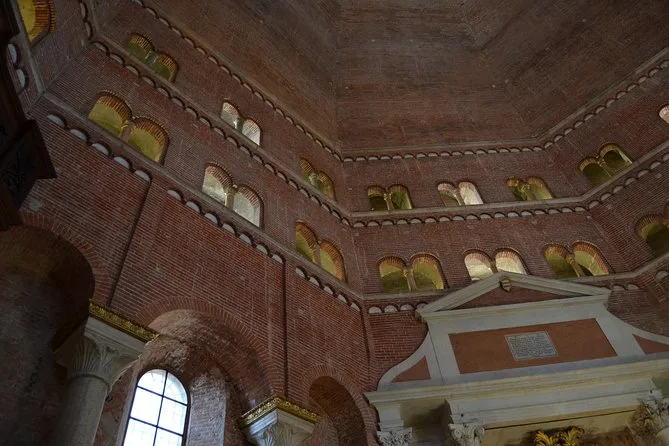
You’ll climb Cremona’s Torrazzo tower (the highest medieval masonry tower in Europe) pausing for breath (and curiosity) in its Vertical Museum rooms before soaking up city views from above. Then wander through the Baptistery’s cool halls to find ancient sculptures and quiet corners that linger in your memory long after you leave.
 1h–2h
1h–2h

Step-by-step itinerary
Climb Torrazzo and visit Baptistery
- Climb highest medieval masonry tower
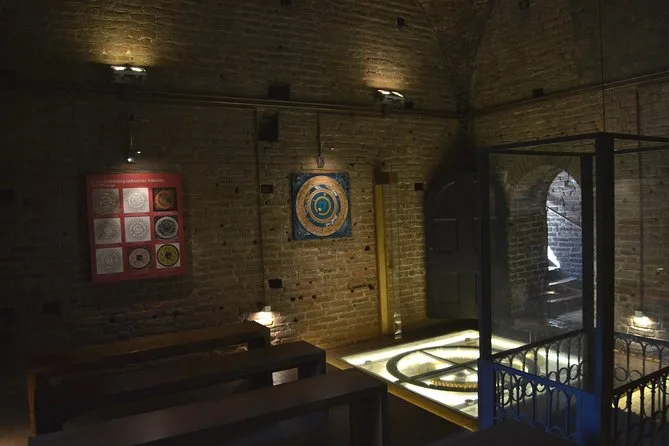
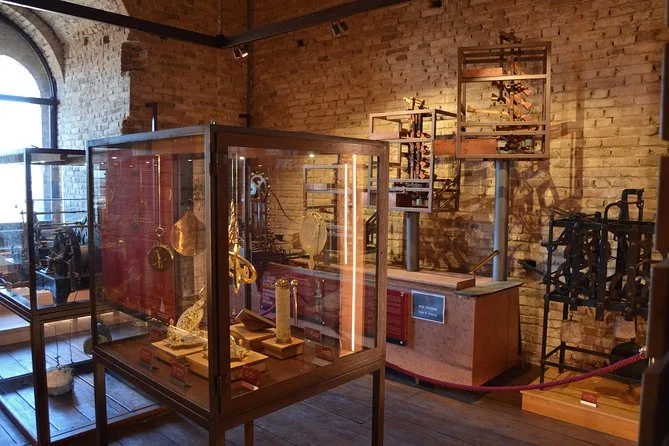
- Explore Vertical Museum rooms
- Enjoy panoramic city views
- Visit Baptistery and Romanesque Museum

The Experience
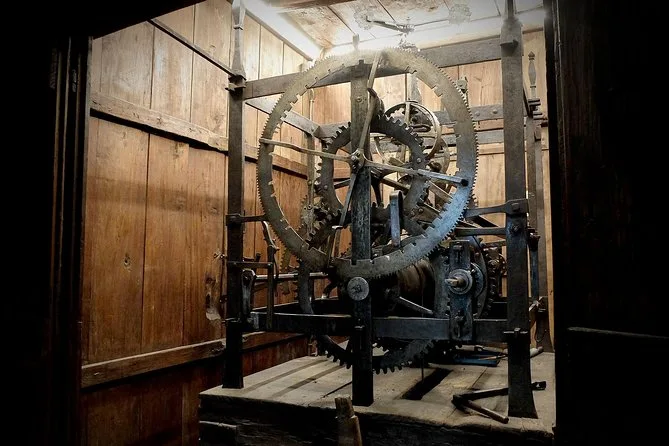
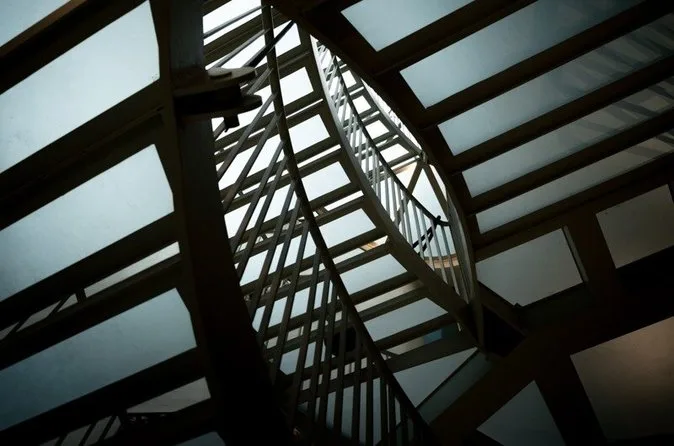
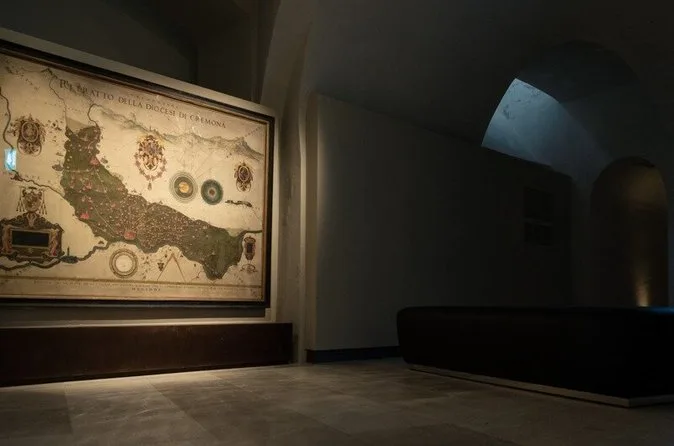
The first thing I remember is my shoes echoing on cool stone as we started up the Torrazzo in Cremona. It’s taller than it looks from the square: 122 meters, our guide said, and you feel every step. The air inside smelled a bit like old books and rain-soaked brick, which I weirdly liked. We stopped in these small museum rooms tucked into the climb. One had antique clocks with hands frozen at odd hours, and another played soft chimes that made me think of time passing even though we were just standing there catching our breath.
By the time we reached the top, my legs were jelly but nobody cared because the view was just so wide: red rooftops, green fields curling out past town, and a breeze that made my eyes water a little (or maybe that was just me). Our guide pointed out where Stradivari lived, somewhere down below, and an older man next to me tried to spot his own house. There was this quiet moment where everyone just sort of leaned on the railing and didn’t say much. I still think about that view sometimes.
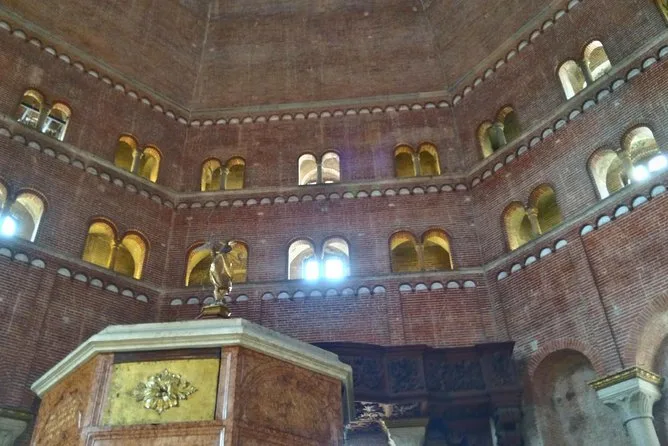
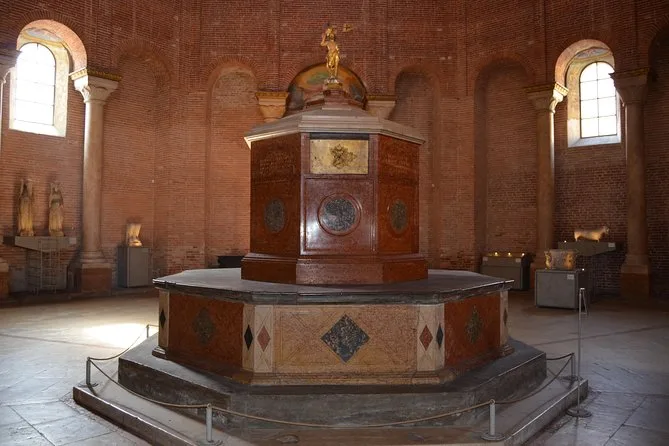
After climbing down (which felt easier but also made my knees click), we headed into the Baptistery. The light was softer in there, almost pinkish on the stone. I ran my hand over one of those medieval sculptures (they’re rougher than you’d expect), and Li laughed at how long I stared at a lion carving. She said it looked like her cat back home. The Museo delle Pietre Romaniche is small but feels heavy with stories. You can almost hear whispers if you stand still enough.

What’s included
Your day includes entry to Cremona’s Torrazzo tower (with stops inside its Vertical Museum rooms along your climb), and admission to the Baptistery where you can explore centuries-old sculptures before heading back out into town at your own pace.
Prices and times updated 3 days ago
Operated by Baptistery Religion Foundation
Traveler reviews

Top questions
Can children come?
7 to 14 years, free; under 7, free.
What happens if it rains?
It may be canceled due to bad weather. If that happens, you're offered another date or a refund. No refund if you cancel.
How tall is Cremona’s Torrazzo tower?
The Torrazzo stands at 122.22 meters, making it Europe’s tallest medieval masonry tower.
What do you see inside the Vertical Museum?
You’ll find exhibits about measuring time, including antique clocks and multimedia displays.
Is this tour suitable for people with mobility issues?
No, it’s not recommended for travelers with spinal injuries or poor cardiovascular health due to many stairs.
Are public transportation options nearby?
Yes, public transportation options are available near both sites.
What’s included with this ticket?
Your entry includes access to both the Torrazzo tower (with its Vertical Museum) and the Baptistery.
How fit should I be to climb the Torrazzo?
You should have at least a moderate level of physical fitness for the ascent.
What can I see in the Baptistery?
The Baptistery houses medieval sculptures in its Museo delle Pietre Romaniche della Cattedrale.
Cremona: Torrazzo Tower Climb & Baptistery Entry Ticket
1h–2h
from € 13 per person
★★★★★★★★★★4.5892 reviewsVerified traveler reviews via our booking provider