
Dublin: Irish Famine & Emigration Exhibition with Artifacts


A Soup Pot and a Letter: What the Irish Famine Left Behind
You walk through illustrated panels and watch a 15-minute film documenting Ireland's deadliest crisis, handling original artifacts including a famine soup pot and a father's letter. The exhibition takes around an hour and is fully accessible, with multilingual guides and a book available for purchase as a keepsake.
 1h
1h

Step-by-step itinerary
Explore Irish Famine Exhibition
- Walk through illustrated wall panels
- Learn about mass emigration
- Watch 15-minute documentary film
- View historic artefacts and letters
- Purchase a book on the famine

The Experience
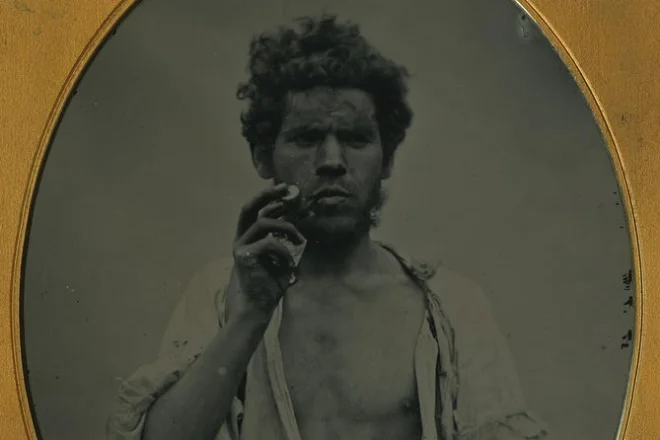
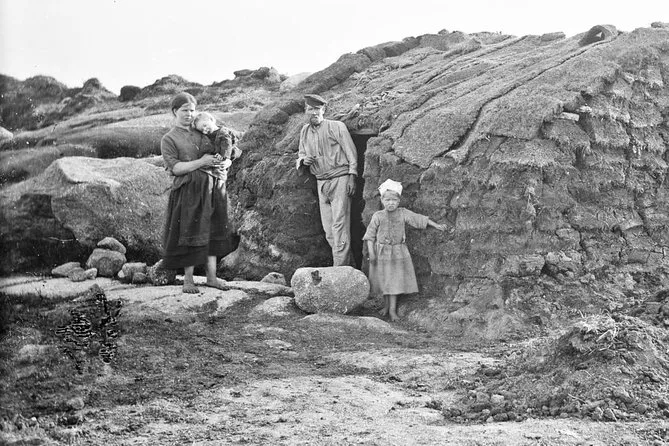
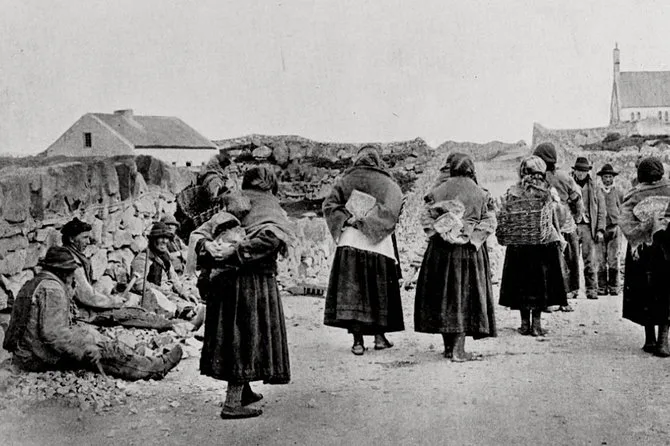
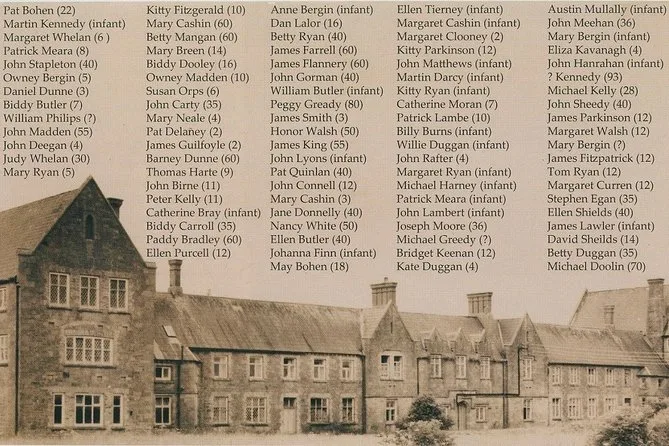
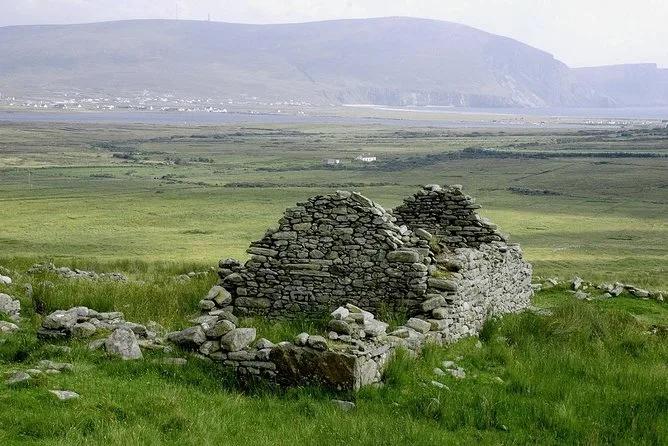
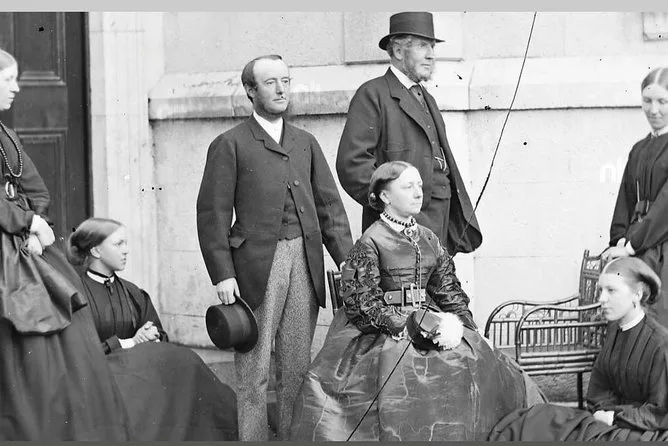
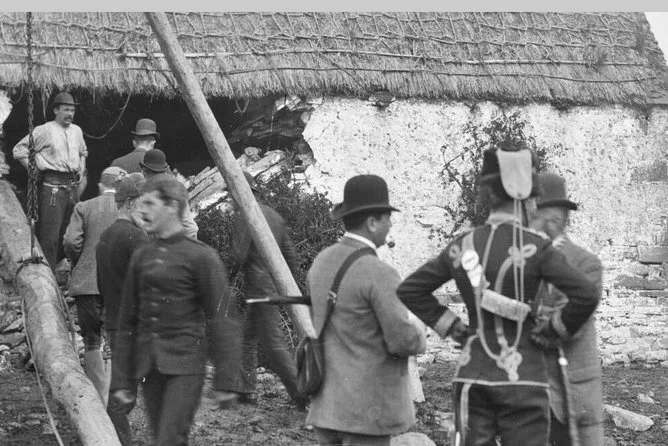
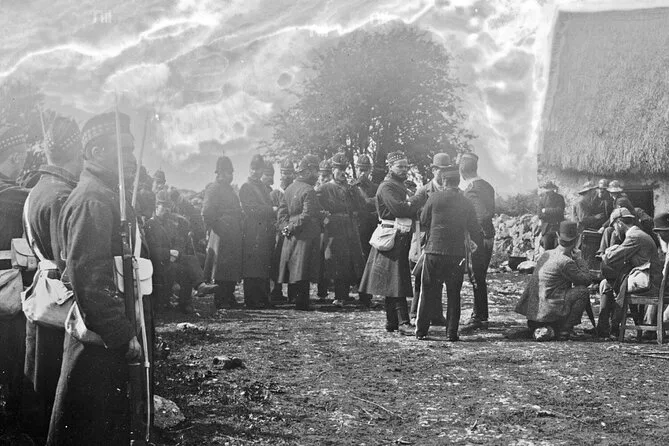
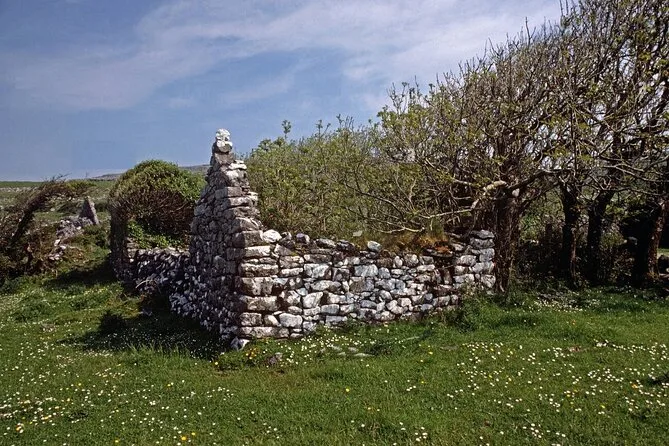
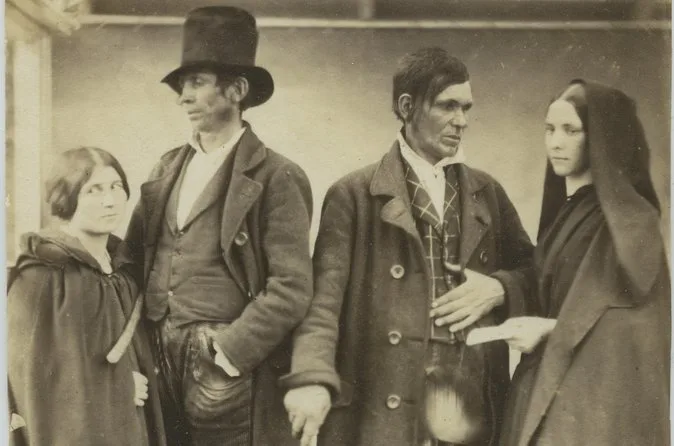
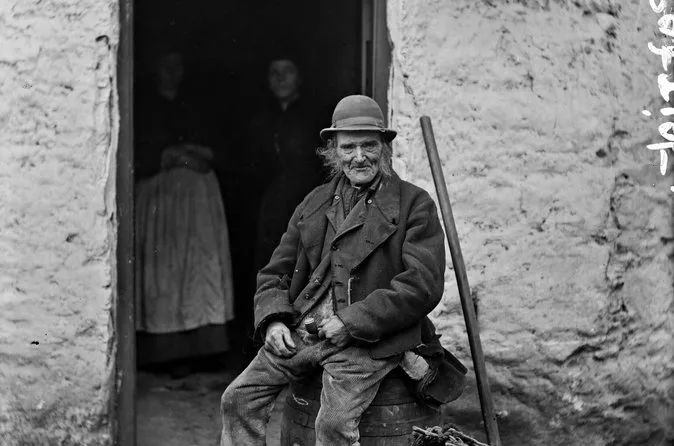
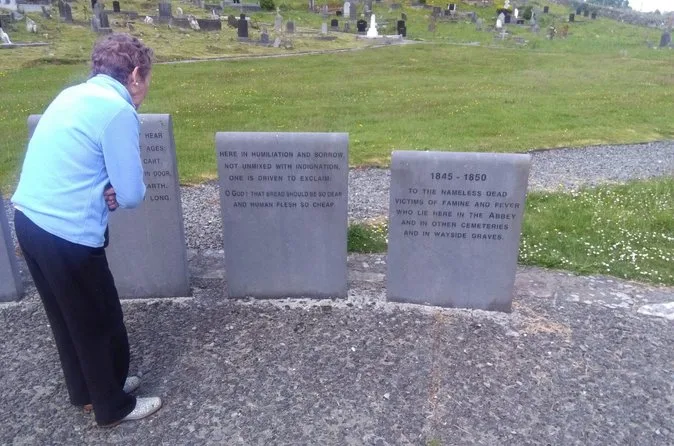
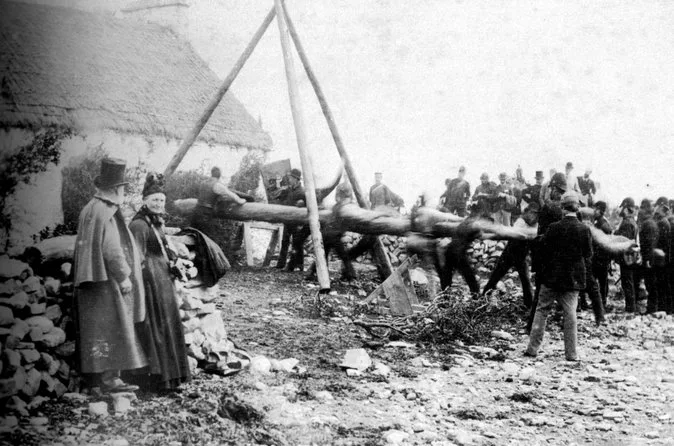
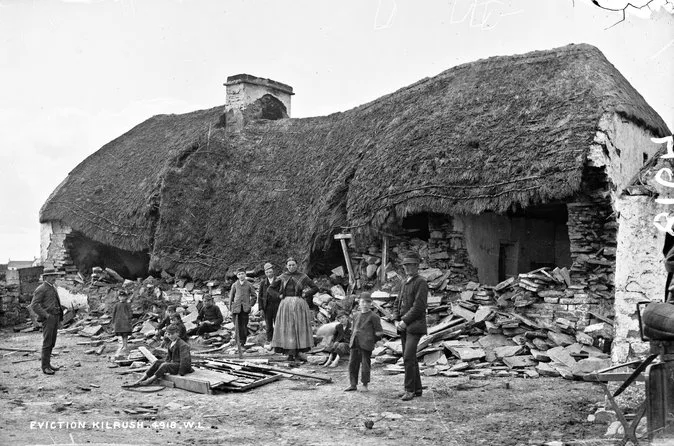
You'll stand in front of a pot. Not a museum piece behind glass, but something people actually used to feed their families when there was almost nothing left to feed them with. That's the first thing that hits you at this exhibition in Dublin — not the scale of the tragedy, though that comes too, but the smallness of what survival looked like. The Great Irish Famine killed a million people and sent millions more across the Atlantic, but this space doesn't try to contain all of that at once. Instead, it walks you through illustrated panels and 19th-century photographs, letting the story build as you move through the room.
The exhibition focuses on one of the most defining events in Irish history without the noise of a larger general history museum. You see historic newspaper reports from the time, a personal letter from a father to his son, and the kind of details that make the numbers real — what people actually wrote, what they actually owned, what they actually ate when the potatoes failed. There's a 15-minute documentary you can watch if you want the broader context, or you can just read the panels and sit with it. Most people spend around an hour here, moving at their own pace.
The Irish Famine & Emigration Exhibition traces how millions left Ireland for Canada, America, Britain and Australia, reshaping entire continents and creating the global Irish diaspora that still matters today. It's the kind of story you might find scattered across other Dublin attractions like EPIC The Irish Emigration Museum or the Jeanie Johnston Tall Ship, but here it's concentrated and intimate. Translation guides are available in French, German, Italian and Spanish if you need them, and the space is fully wheelchair accessible with room for prams and strollers. A high-quality book about the famine is available to buy if you want to take something deeper home with you.

What’s included
Entry to the exhibition, illustrated wall panels with 19th-century photographs and narrative text, access to a 15-minute documentary film, viewing of original artifacts including newspaper reports, a personal letter and a famine soup pot, and translation guides in French, German, Italian and Spanish. A book about the Irish Famine is available to purchase separately.
Operated by Irish Famine Museum / Exhibition
Is this one for you?Right for anyone wanting to understand a pivotal moment in Irish and global history without spending hours in a sprawling museum — the focused scope and one-hour timeframe fit easily into a Dublin day while the original artifacts and personal documents make the human cost impossible to miss.
Traveler reviews
Compare the 13 similar options
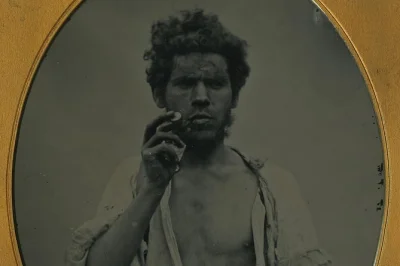 Dublin: Irish Famine & Emigration Exhibition with Artifacts★ 4.74 (313)1h€ 15
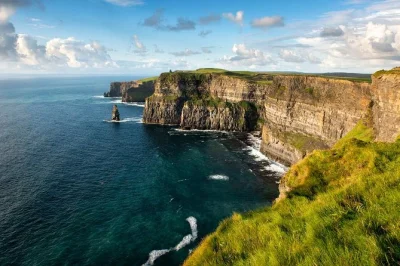 Dublin to Cliffs of Moher & Galway Day Trip with BurrenFeel the wind at the Cliffs of Moher, wander Galway’s lively streets, and cross the Burren’s wild landscape on this Dublin day trip with guide and entry included.★ 4.90 (14,834)12h 30mEN€ 70View ›
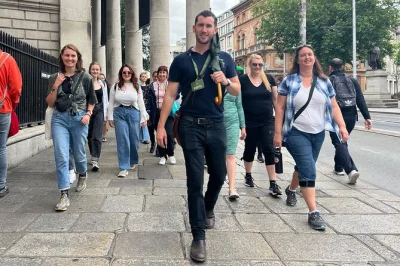 Dublin: Walking Tour with Castle, Bridges & Temple Bar StoriesFeel Dublin’s history come alive on a walking tour with local storytellers. Explore Dublin Castle, Trinity College, Temple Bar and more. Includes accredited guide.★ 4.94 (7,375)2hEN€ 24View ›
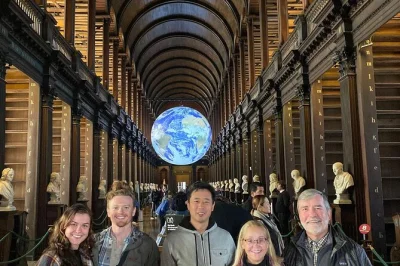 Dublin: Book of Kells Early Access & Castle Walking TourStep into Dublin’s heart with early access to the Book of Kells, a guided walk through castle grounds, and a singalong at Molly Malone—includes fast-track entry.★ 4.66 (4,238)2h 30mEN · DE +3€ 72View ›
 Dublin: St Patrick’s Cathedral, Book of Kells & Castle TourFeel Dublin’s soul on a guided tour with skip-the-line entry to St Patrick’s Cathedral, the Book of Kells at Trinity College & Dublin Castle. Includes priority tickets.★ 4.74 (1,501)3h 30mEN · DE +3€ 119View ›
 Haunted Dublin Walking Tour: Medieval streets & gothic secretsTemple Bar to St. Stephen's Green walking tour in Dublin with a guide. Explore medieval crime, grave robbing, and the Hellfire Club.★ 4.93 (1,082)2hEN€ 24View ›
 Dublin to Cliffs of Moher & Galway: Day Trip with Guide & DriverHear Irish music, walk the Cliffs of Moher, and explore Galway on a guided day trip from Dublin. Includes entry tickets, walking tour, and coach pickup.★ 4.87 (24,824)13hEN€ 75View ›
 Dublin: Hop-On Hop-Off Bus Tour & Little Museum EntryFind your own rhythm in Dublin with a hop-on hop-off bus ticket, live guide, and entry to the quirky Little Museum. Includes 25 stops and free kids ticket.★ 4.54 (3,642)55m–1h 45mEN€ 29View ›
 Dublin: Hop-on Hop-off Bus Tour & Live Guide CommentaryCatch Dublin’s sounds from an open-top bus, hop off at Guinness Storehouse or Trinity College, and hear stories from a live guide. Flexible tickets with walking tour.★ 4.66 (2,887)1h 50mEN€ 30View ›
 Dublin: Guinness Storehouse & Big Bus Hop-on Hop-off 24/48hrGuinness Storehouse entry plus 24 or 48-hour hop-on hop-off bus tour covering 25 Dublin stops. Live commentary, free pint at the bar, mobile ticket. Wheelchair accessible.★ 4.40 (355)1h 30mEN€ 64View ›
 Kilkenny, Wicklow & Glendalough: Sheepdog Trials from DublinFull-day tour from Dublin: Kilkenny, Wicklow Mountains, Glendalough, and sheepdog trial on a working farm. Includes guided walks, photo stop, lunch. Returns by 6:15 PM.★ 4.88 (8,750)10hEN€ 43View ›
 Dublin to Glendalough, Wicklow & Kilkenny: Full Day TourFull-day guided tour from Dublin through Wicklow Mountains to Glendalough's 1,500-year-old monastic ruins, then explore medieval Kilkenny castle city with a walking tour.★ 4.90 (6,497)9h 15mEN€ 45View ›
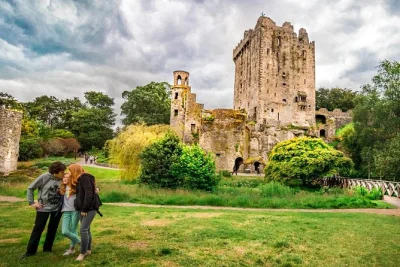 Dublin to Blarney Castle & Rock of Cashel Day TourFull-day tour from Dublin: Blarney Castle (kiss the stone), Rock of Cashel medieval ruins, 90 minutes in Cork city. Includes both entry fees, driver, WiFi. Returns by 8pm.★ 4.55 (2,824)12hEN€ 85View ›
Top questions
How long does the Irish Famine exhibition take to visit?
Around one hour to walk through the illustrated panels and watch the optional 15-minute documentary.
What artifacts are on display?
Historic newspaper reports from the era, a personal letter from a father to his son, and a famine soup pot that was used to feed starving families.
Is the exhibition suitable for children?
Yes, children are welcome when accompanied by an adult. Prams and strollers are permitted, and the space is fully accessible.
Are there language options available?
Translation guides are available in French, German, Italian and Spanish.
Is the exhibition wheelchair accessible?
Yes, all areas and surfaces are wheelchair accessible, and transportation options nearby are also wheelchair accessible.
Can I buy something to take home?
Yes, a high-quality book about the Irish Famine is available for purchase.
How does this exhibition differ from other Dublin history museums?
Unlike larger general history museums, this exhibition offers a more intimate and focused exploration of the Great Irish Famine and Irish emigration.
Is there a documentary included?
Yes, a 15-minute documentary overview explaining the causes, events and global impact of the famine is available to watch.
Dublin: Irish Famine & Emigration Exhibition with Artifacts
1h
from € 15 per person
★★★★★★★★★★4.74313 reviews
