
Old Goa Heritage Walk: Portuguese Churches & History






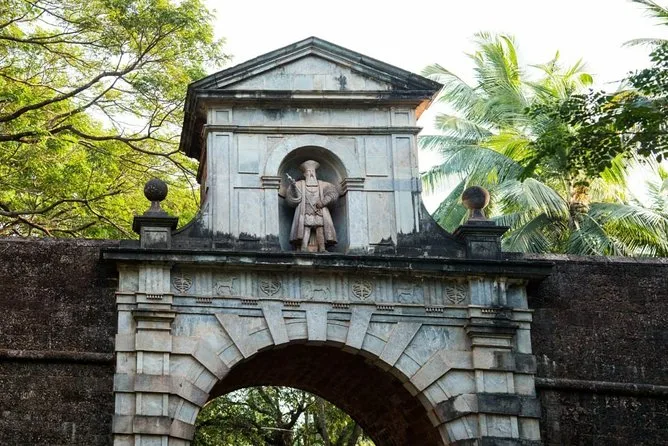
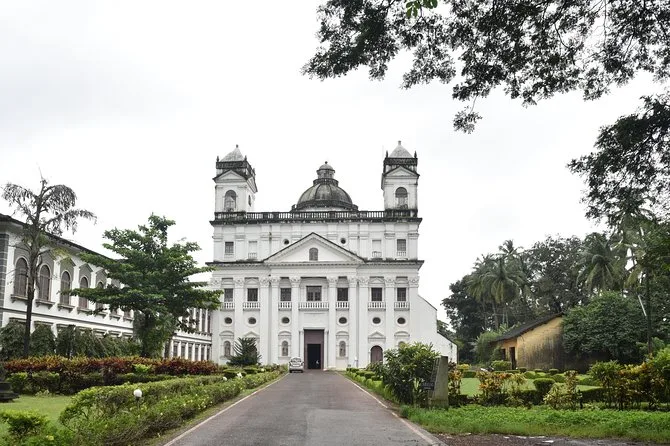
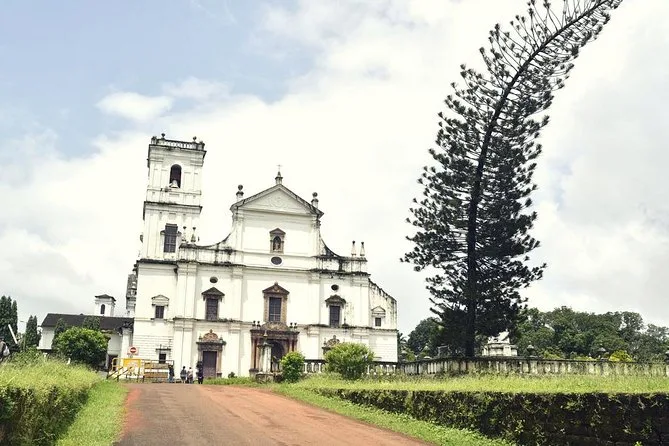
Where Portuguese traders built a capital that outlasted empires
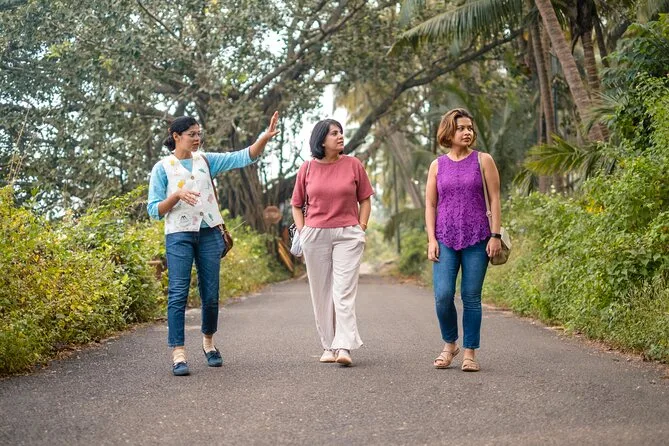
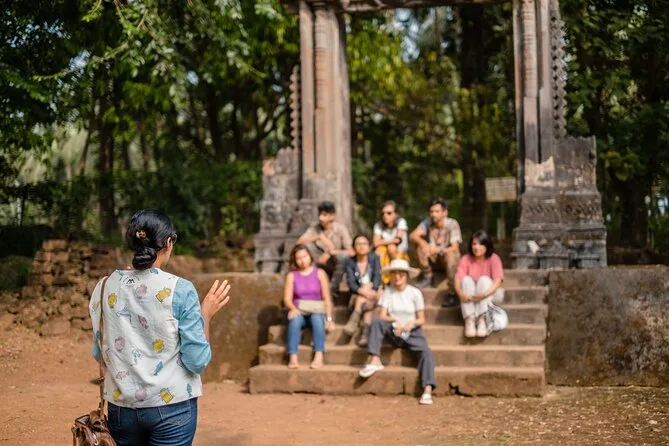
You walk through Old Goa's World Heritage churches with an English-speaking guide who carries a heritage map and explains the Portuguese colonial history, from Albuquerque's arrival in 1510 to the baroque architecture that still stands. Entry fees are included, and the guide adjusts the route if churches are closed for services. Wear clothes that cover knees and shoulders, and plan for two to three hours on foot.
Compare the 12 alternatives
 Goa Fontainhas Heritage Walk: Sweets, Music & Colorful StreetsEvery day · 10:30, 16:30 and 18:00★ 4.93 (3,011)2h 30mENUS$ 15.13View ›
 Chandor Heritage Trail: Goa History, Local Homes & SnacksEvery day · 10:30 and 15:00 · From age 5★ 4.92 (92)2h 15mENUS$ 14.05View ›
 Margao: Walking Tour of Mansions, Holy Spirit Church & Local BitesEvery day · 16:00 · All ages★ 4.91 (305)3hENUS$ 16.20View ›
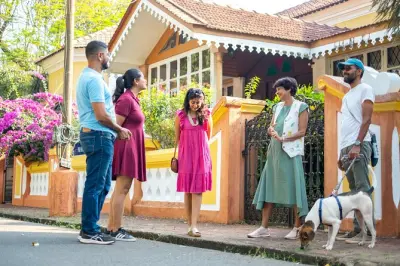 Campal Heritage Walk Goa: Architecture and community tourEvery day · 10:30 · From age 5★ 4.96 (53)2hENUS$ 12.97View ›
 Walking tour of Vasco, Goa: History & culture with a local guideEvery day · 10:00 and 16:00 · All ages★ 5.00 (3)2hENUS$ 11.55View ›
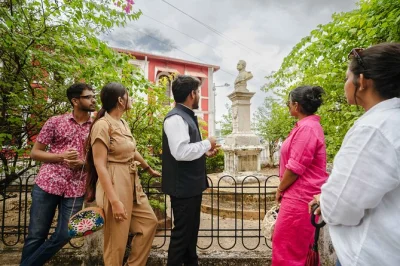 Goa Fontainhas Walk: Latin Quarter Colors & Bakery TastingEvery day · 08:00 and 16:00 · All ages★ 4.94 (651)2h 30mENUS$ 19.45View ›
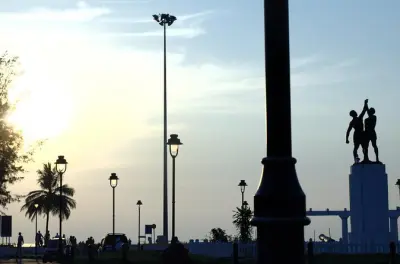 Campal walking tour Panjim: Heritage lanes and hidden storiesEvery day · first departure 09:00, last 17:00 · From age 8★ 5.00 (2)2hEN · HIUS$ 11.24View ›
 Goa: Aguada Jail Heritage Walk & Secret Tunnel AccessEvery day · first departure 10:30, last 18:00 · From age 5★ 4.93 (116)1hENUS$ 12.97View ›
 Goa Fontainhas: Wine Tasting in 150-Year-Old Heritage HouseMon–Sat · 11:00 · All ages★ 4.94 (296)2h 30mENUS$ 42View ›
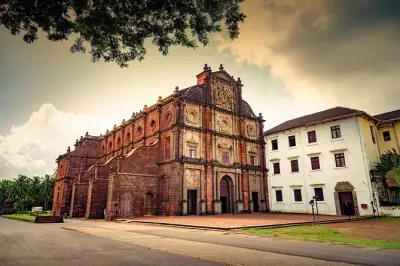 Goa Walking Tour: History, Culture, Art and ArchitectureEvery day · 08:30 · All ages★ 4.50 (2)4hENUS$ 94View ›
 South Goa Hinterland: Spice Plantation & Rivona Caves Half-DayEvery day · 08:00 · All ages★ 4.96 (175)3h 30mENUS$ 25View ›
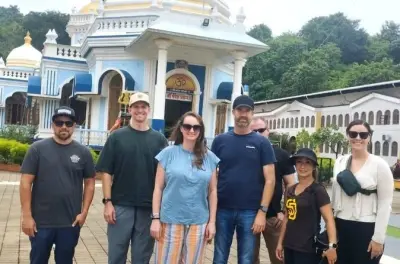 Old Goa Churches, Temples & Spice Plantation Tour with LunchEvery day · 10:00 · All ages★ 4.71 (35)5h–6hENUS$ 80View › Compare more experiences like this »
Step-by-step itinerary
Explore Old Goa's historic churches and archway
- Visit fine baroque style church
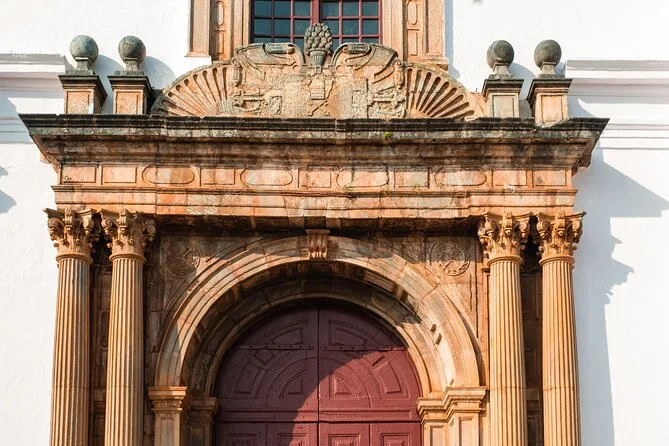
- See majestic archway entrance
- Explore beautiful World Heritage church
The experience
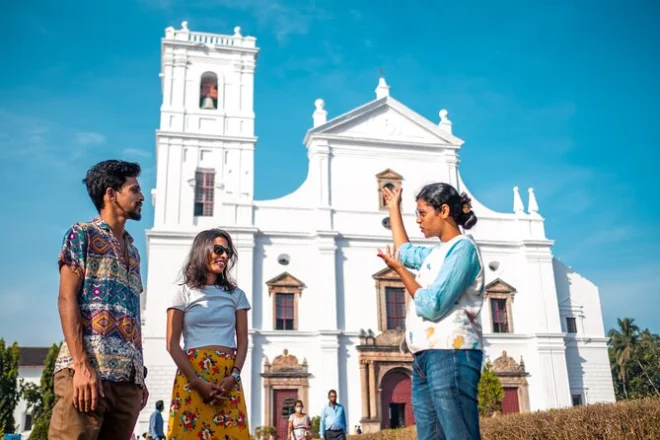
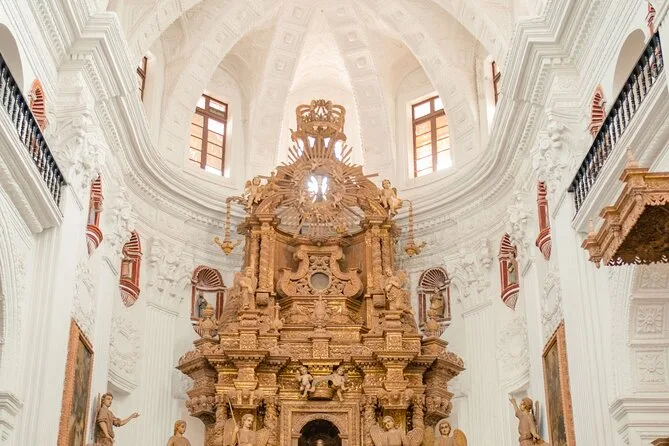
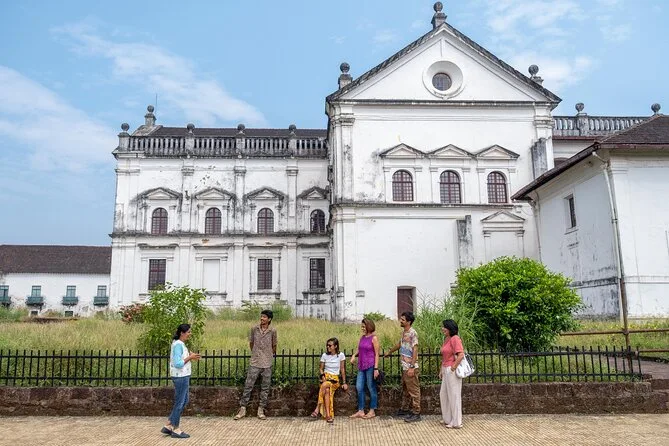
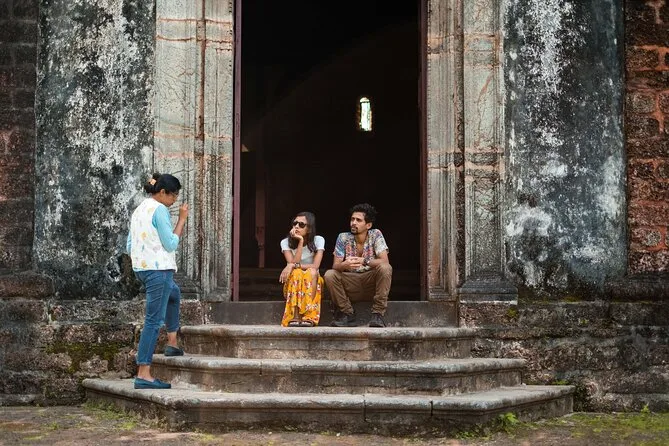
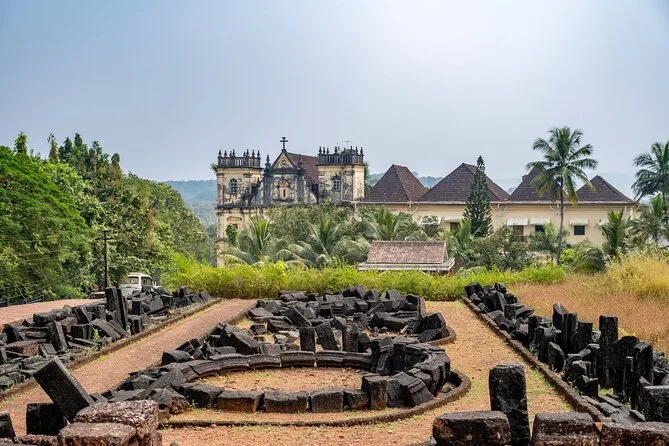
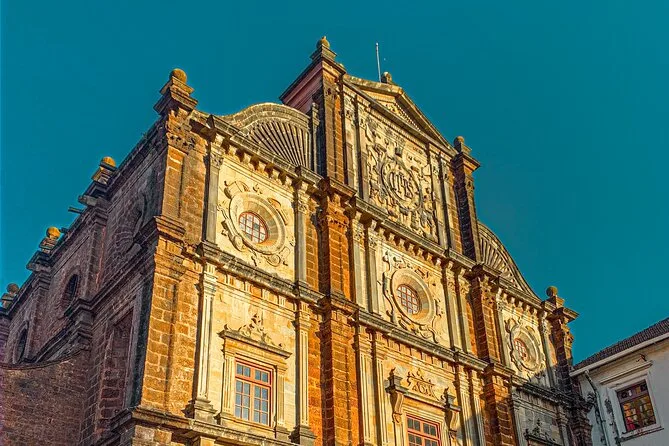
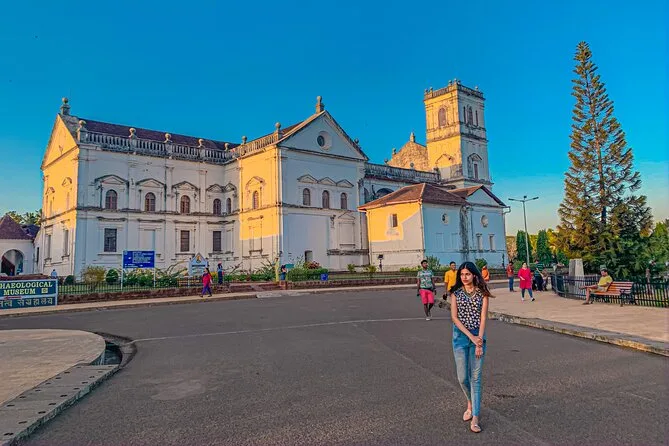
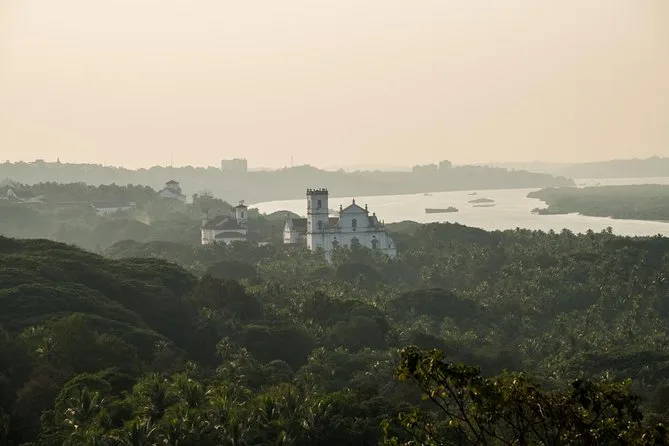
You arrive at Old Goa expecting ruins. Instead, the baroque facades are still standing: Se Cathedral, Basilica of Bom Jesus, the Church of St. Francis: all built when the Portuguese arrived in 1510 under Afonso de Albuquerque and turned this place into a trading post that became a city. The contrast hits you: these are not crumbling relics behind velvet ropes. They're active churches, still used, still painted, still full of intricate woodwork and wall paintings that have survived five centuries of monsoons and neglect and restoration. Your guide meets you with a heritage map and walks you through the layout: how the city was organized, where the river used to matter, what each building meant to the people who built it.
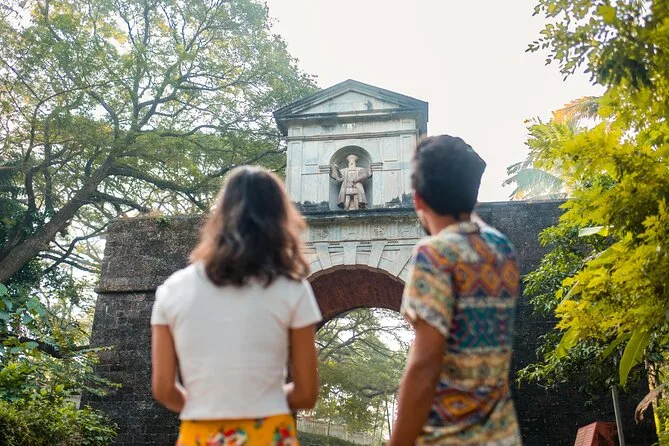
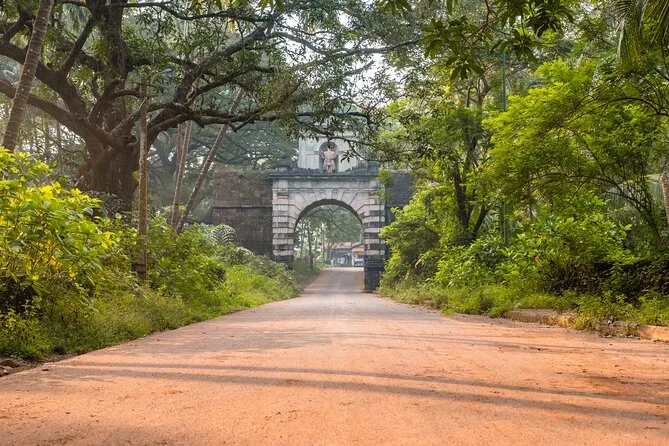
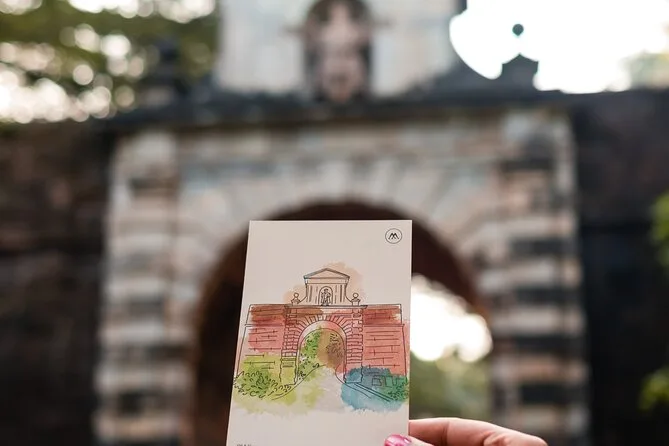
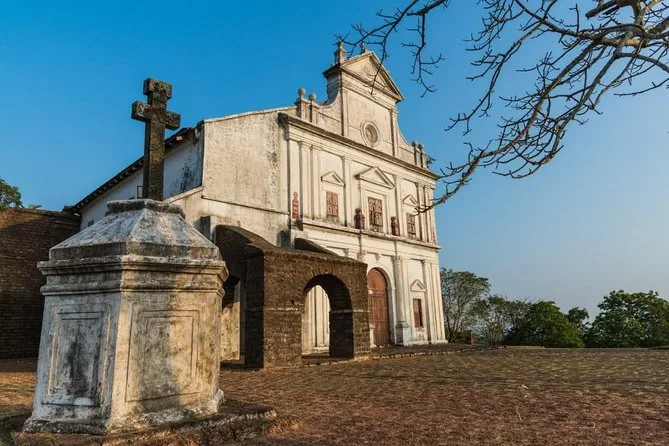
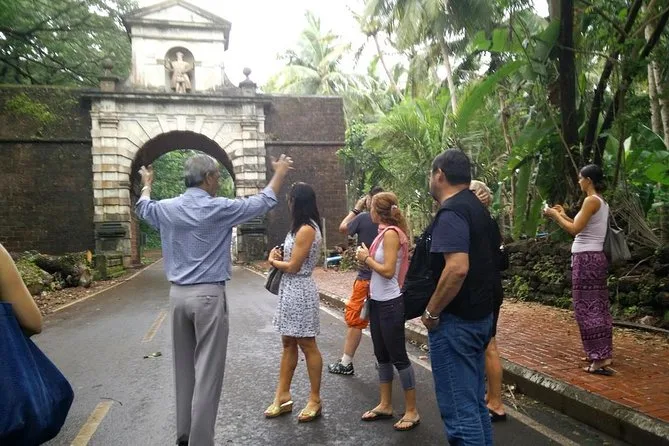
The Old Goa Heritage Walk takes you to the most historically significant buildings on the site, which is a UNESCO World Heritage location. You'll see the baroque style church with its detailed interior, the majestic archway that once marked the main entrance from the Mandovi riverfront, and depending on the day (whether mass is happening) either the Basilica of Bom Jesus or the Church of Our Lady of Rosary on Holy Hill. The guide doesn't rush. You stand in front of each one long enough to notice the proportions, the way light moves through the windows, the names carved into stone. It's the kind of walk where you understand why this place mattered, not just that it did.
The dress code is strict: knees and shoulders covered to enter the churches. It's not a suggestion. Wear something you can move in (the walk covers ground, and the heat in Goa is real), but plan for it. The site is accessible by public transport, and if you're traveling with small children, a pram or stroller works on the paths. The whole experience runs two to three hours, which is long enough to see the main sites without the day dissolving into heat and fatigue.
What’s included
- Your day includes entry fees to the churches, a heritage map of Old Goa, and a friendly English-speaking guide who walks you through the baroque architecture and Portuguese colonial history.
- The route covers the main sites: Se Cathedral or Basilica of Bom Jesus (depending on mass schedules), the historic archway from the Mandovi riverfront, and additional churches including the Church of Our Lady of Rosary if needed.
- The walk takes two to three hours and is suitable for all fitness levels, though you'll need to cover knees and shoulders to enter the churches.
Before you book
Prices and times updated 7 days ago
Operated by Make It Happen
Is this one for you?Book this if you want to understand Old Goa's colonial history without arranging a private guide or transport: the fixed route and included map let you move through five centuries of architecture in one morning, and the English-speaking host handles the context so you're not reading plaques alone.
Traveler reviews
Top questions
Can children come?
Yes. Ticket types: Youth (13 to 17 years); Child (6 to 12 years); Infant (under 6).
What happens if it rains?
It may be canceled due to bad weather. If that happens, you're offered another date or a refund. Free cancellation up to 24 h before the start.
What happens if the Basilica of Bom Jesus is closed when I visit?
The walk includes a visit to the Church of Our Lady of Rosary on Holy Hill instead, which is also architecturally significant and part of the World Heritage site.
How long does the Old Goa Heritage Walk take?
The walk takes two to three hours, covering the main churches and colonial sites on foot.
Is there a dress code?
Yes. You must cover your knees and shoulders to enter the churches. Plan your clothing accordingly.
Can I bring a stroller or pram?
Yes, strollers and prams work on the paths, and the walk is suitable for all fitness levels.
What's included in the walk?
Entry fees to the churches, a heritage map of Old Goa, and an English-speaking guide.
Is public transport available to reach Old Goa?
Yes, public transportation options are available nearby to get to the site.
When was Old Goa built by the Portuguese?
The Portuguese arrived and captured the city in 1510 under commander Afonso de Albuquerque. It became a major trading post and colonial capital.
Is Old Goa a protected site?
Yes, Old Goa is a UNESCO World Heritage site housing some of the oldest and grandest churches in the region.
Old Goa Heritage Walk: Portuguese Churches & History
2h 30m · EN
from US$ 12.97 per person
4.94895 reviewsVerified traveler reviews via our booking provider