
Gangtok & Darjeeling: 7-Day Private Tour from Siliguri


Seven Days Across Sikkim's Mountains: From Gangtok's Markets to Darjeeling's Dawn
You travel from Siliguri through Gangtok, Pelling and Darjeeling over seven days with a private driver and hotel stays included. You catch the Kanchenjunga sunrise from Tiger Hill, visit sacred lakes and centuries-old monasteries, walk the Pelling Sky Walk, and explore the high-altitude zoo. All transport, permits and driver costs are covered, so you arrive and the logistics are already solved.
 7d
7d

Step-by-step itinerary
Day 1 — Arrival and transfer to Gangtok
- Arrive at NJP railway station or IXB airport
- Meet representative and transfer to Gangtok
- Check in to hotel
- Rest and leisure time
Day 2 — Tsomgo Lake and Baba Mandir visit
- Depart hotel for Tsomgo Lake visit
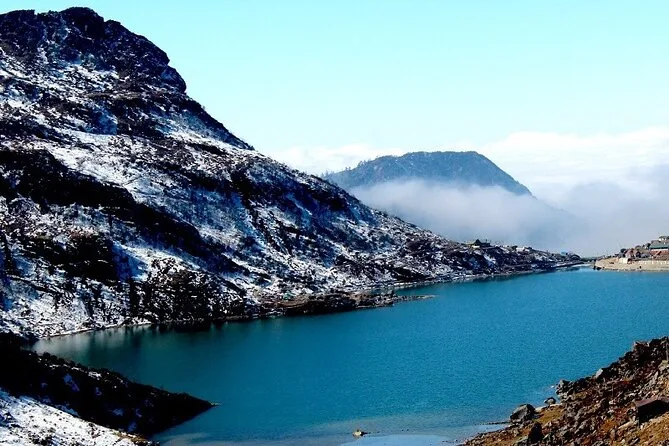
- Visit Tsomgo Lake
- Visit Baba Harbhajan Singh Memorial Temple
- Evening free for shopping in Gangtok
Day 3 — Transfer from Gangtok to Pelling
- Breakfast at hotel
- Check out and transfer to Pelling
- Check in to hotel in Pelling
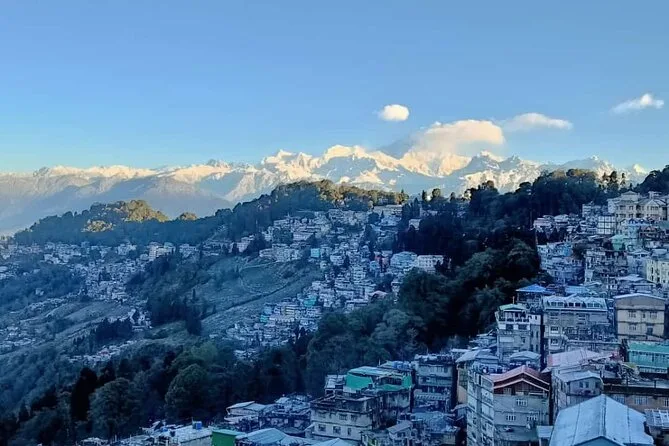
- Relax and enjoy Kanchenjunga views
- Explore local markets in evening
Day 4 — Pelling local sightseeing and Sky Walk
- Visit Rimbi Waterfall and Sewaro Rock Garden
- Visit Kanchenjunga Falls
- Visit Khecheopalri Lake
- Visit Pemayangtse Monastery
- Visit Rabdentse Palace Ruins
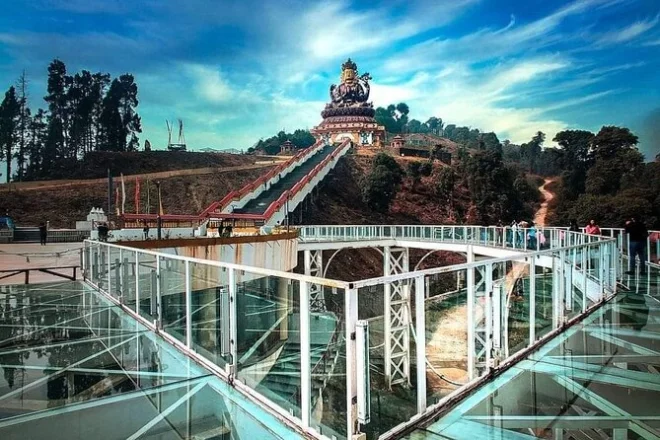
- Visit Pelling Sky Walk and Chenrezig Statue
Day 5 — Transfer from Pelling to Darjeeling
- Breakfast at hotel
- Check out and transfer to Darjeeling
- Check in to hotel in Darjeeling
- Evening free to explore Mall Road
Day 6 — Darjeeling local city tour
- Early morning visit to Tiger Hill for sunrise
- Return to hotel for breakfast
- Visit Old Ghoom Monastery
- Visit Batasia Loop
- Visit Himalayan Mountaineering Institute
- Visit Padmaja Naidu Himalayan Zoological Park
- Visit Tibetan Refugee Self Help Centre
- View Peace Pagoda from outside
- Visit Japanese Peace Pagoda
- Afternoon free to explore Darjeeling town
Day 7 — Departure from Darjeeling to NJP/IXB
- Breakfast at hotel
- Check out from hotel
- Transfer to NJP railway station or IXB airport
- Tour ends

The Experience
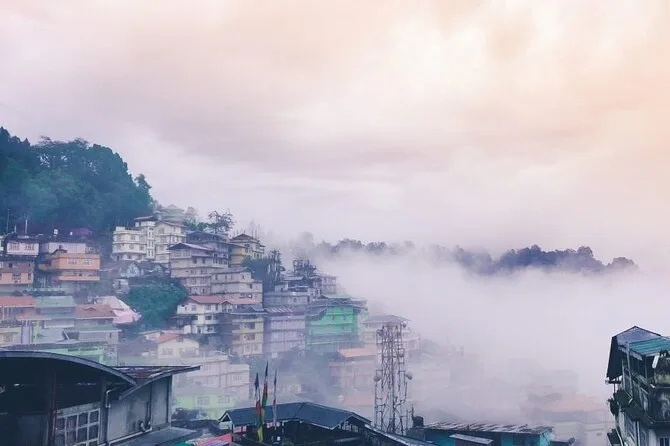
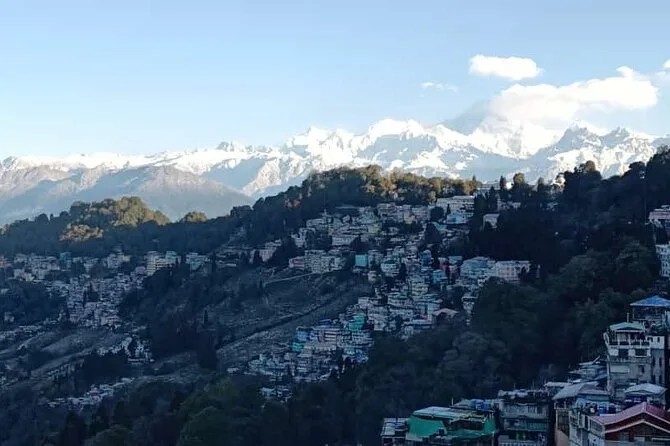
You arrive at Siliguri airport or railway station with a week ahead and no plan to arrange transport, permits, or figure out which monastery matters most. That's the pull of this tour — someone meets you, drives you 125 kilometers uphill to Gangtok, and from there the days unfold in a shape that actually works. Gangtok sits at 5,410 feet in the eastern Himalayas, a city of 100,000 people from Bhutia, Lepcha and Gorkha backgrounds, and it's where the tour begins, with a 3-star hotel and an evening free to walk the streets without rushing.
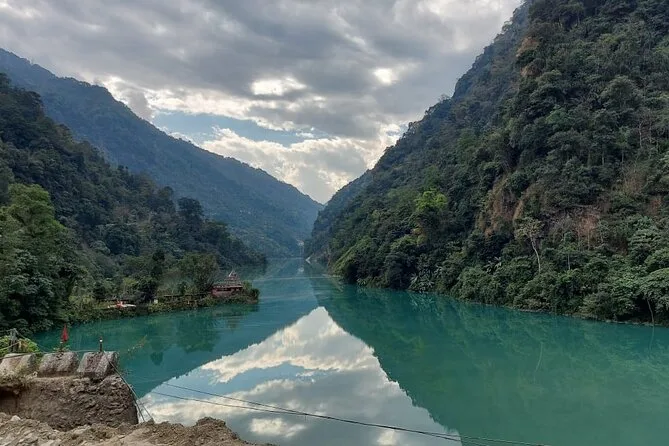
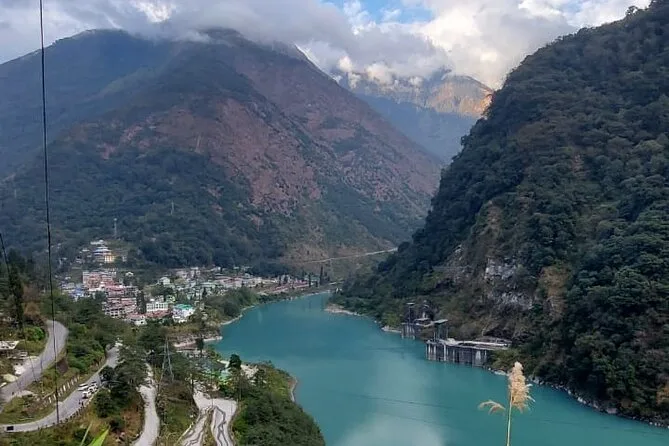
The second day you leave early for Tsomgo Lake, 32 kilometers away at 12,400 feet — the permit comes through your driver, not through you. The lake is almost a kilometer long, 15 meters deep, and the local people consider it sacred. After that, another 12 kilometers to Baba Harbhajan Singh Memorial Temple, and you're back in Gangtok by evening with time to shop. Then comes the drive to Pelling, 116 kilometers over four hours, and the view of Kanchenjunga opens up from your hotel window. A full day in Pelling takes you to Rimbi Waterfall, Kanchenjunga Falls 28 kilometers further, and Khecheopalri Lake — a wish-fulfilling lake sacred to both Buddhists and Hindus, located 34 kilometers northwest of town. You also see Pemayangtse Monastery, built in 1647 and one of the oldest in Sikkim, and the Rabdentse Palace Ruins, the second capital of the former Kingdom of Sikkim until the Gurkha army destroyed it in 1814. The Pelling Sky Walk, a glass platform leading to a 137-foot Chenrezig statue, opened in 2018 and draws crowds; it's the kind of thing you either want or you don't, but it's there.
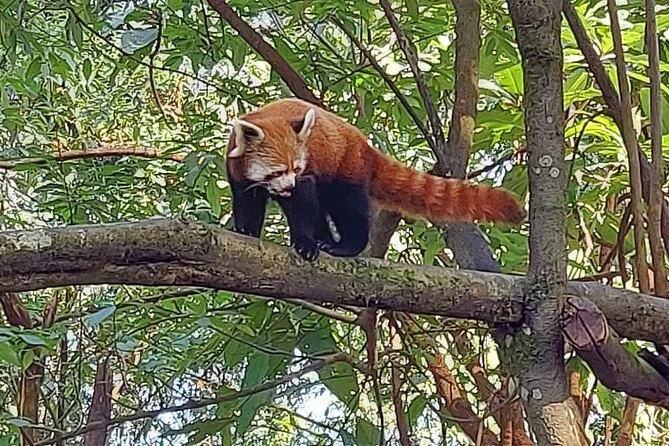
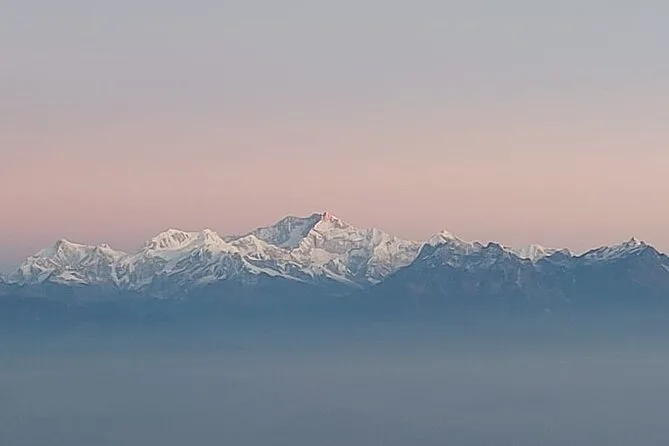
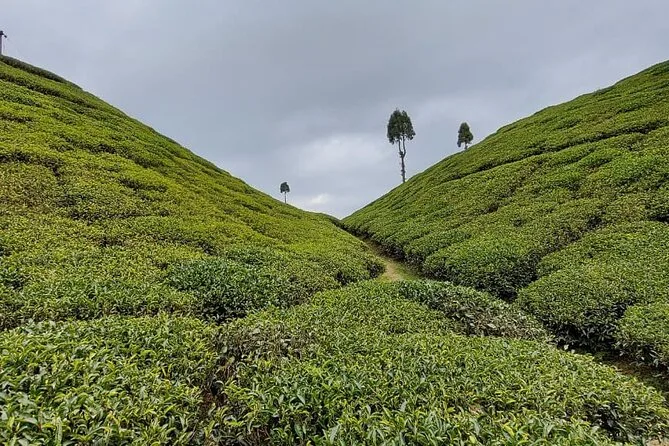
Darjeeling comes next, 72 kilometers in three hours, and the real moment happens at 4 a.m. on Tiger Hill. You watch the sun hit Kanchenjunga — the highest peak in India — from a sunrise point, and then eat breakfast while the light is still new. The half-day city tour after that covers Ghum Monastery (also called Yiga Choeling), which holds a 15-foot Maitreya Buddha statue; Batasia Loop, a scenic uphill train track with gardens and a war monument; the Himalayan Mountaineering Institute, established in 1954; and the Padmaja Naidu Himalayan Zoological Park, a 67-acre zoo at 7,000 feet elevation — the largest high-altitude zoo in India, though it closes Thursdays. You also pass the Tibetan Refugee Self Help Centre, where Tibetan handicrafts are made (closed Sundays), and the Japanese Peace Pagoda, one of several peace pagodas worldwide designed to unite people across faiths. The afternoon is yours to wander Darjeeling's town.
On the final morning, after breakfast, the driver takes you back to Siliguri airport or railway station, 72 kilometers in three hours. Transportation, parking, tolls, and driver allowance are all included — you don't negotiate at the curb or wonder if you've paid enough. The tour moves at a pace that lets you see the monasteries, the lakes, the waterfalls and the peaks without feeling like you're ticking boxes.

What’s included
- Your seven days include private transportation from Siliguri airport or railway station to Gangtok, Pelling and Darjeeling, with all parking fees, toll taxes, driver allowance and fuel covered. You stay in 3-star hotels in each city for two nights each. The tour takes you to Tsomgo Lake and Baba Mandir in Gangtok.
- Rimbi Waterfall, Kanchenjunga Falls, Khecheopalri Lake, Pemayangtse Monastery and Rabdentse Palace Ruins in Pelling.
- and Tiger Hill sunrise, Ghum Monastery, Batasia Loop, the Himalayan Mountaineering Institute, Padmaja Naidu Himalayan Zoological Park, the Tibetan Refugee Self Help Centre and the Japanese Peace Pagoda in Darjeeling. Permits for Tsomgo Lake are arranged by your driver.
Operated by Your Trip Planner
Is this one for you?This tour works well if you want to see the main Himalayan towns and monasteries without arranging your own transport, permits or timing — the private driver and fixed itinerary handle all of that, leaving you to focus on the sights and the altitude.
Traveler reviews
Compare the 5 similar options
 Gangtok & Darjeeling: 7-Day Private Tour from Siliguri★ 5.00 (6)7dENUS$ 1,197
 5-Day Private Tour of Gangtok and Darjeeling from NJPPrivate 5-day guided tour from NJP airport through Gangtok and Darjeeling with all transport, entry fees and an English-speaking guide included★ 5.00 (14)5dENUS$ 855View ›
 Darjeeling & Gangtok tour: Kanchenjunga sunrise, tea estatesSix-day private tour from Darjeeling through Gangtok with a guide in English, visiting Tiger Hill at sunrise, the Darjeeling Himalayan Railway6dENUS$ 687View ›
 Lake Tsomgo day trip from Gangtok: Glacial lake at high altitudeDay trip from Gangtok to Tsomgo Lake at 10,000 feet with hotel pickup, English-speaking guide, entrance fees and mineral water included.7hENUS$ 153View ›
 Gangtok Hill & Buddhist Monasteries Tour from BagdograFour-day tour from Bagdogra airport through Gangtok's monasteries, Tsomgo Lake and alpine sanctuary with private car, guide and hotel pickup included4dENUS$ 379View ›
Top questions
What's included in the tour price?
Transportation from Siliguri to Gangtok, Pelling and Darjeeling and back; parking fees; toll taxes; driver allowance; and fuel. Hotel stays are separate. Meals are not mentioned as included.
Do I need a permit to visit Tsomgo Lake?
Yes. The permit is arranged by your driver and communicated to you before departure.
Is the Padmaja Naidu Zoo open every day?
No, it's closed on Thursdays.
What time does the Tiger Hill sunrise tour start?
The tour departs at 4 a.m. from your Darjeeling hotel.
How long is the drive from Siliguri to Gangtok?
Approximately 4 to 5 hours, covering 125 kilometers.
Can I do this tour alone or do I need a group?
This is a private tour, so you can book it for yourself, a couple, or a small group traveling together.
What's the elevation of Darjeeling?
Darjeeling is at 2,042 meters (approximately 6,700 feet) elevation.
Is the Tibetan Refugee Self Help Centre always open?
No, it's closed on Sundays.
How many nights do I stay in each city?
Two nights in Gangtok, two nights in Pelling, and two nights in Darjeeling, based on the itinerary.
What happens if I arrive late at Siliguri?
The itinerary shows a 4 to 5 hour drive to Gangtok on arrival day. If you arrive late, check with the operator about adjusting the first day's schedule.
Gangtok & Darjeeling: 7-Day Private Tour from Siliguri
7d · EN · at your hotel
from US$ 1,197 per person
★★★★★★★★★★5.006 reviewsVerified traveler reviews via our booking provider
