
Sólheimajökull: Private Glacier Hike & Ice Climb Adventure


Walk Sólheimajökull’s glacier, climb crevasses, feel Iceland’s wild
You’ll hike across Sólheimajökull’s wild glacier terrain with a private guide who keeps things safe (and fun), climb real ice walls or moulins using proper gear, and get personal tips on glacier geology along the way. Expect laughter, some shaky moments on crampons, and that raw Iceland air you’ll remember long after you leave.
 4h 30m

Step-by-step itinerary
Glacier adventure and climbing experience
- Meet your guide
- Check and rent climbing boots if needed
- Gear up with harness, helmet, and crampons
- Walk 20 minutes to glacier front
- Learn to wear crampons and walk safely
- Follow guide on glacier to plateau
- Climb moulin or crevasse wall
- Return to starting point
- Gear collection and check out

The Experience
Boots thudded on gravel as we shuffled out of the van at Sólheimajökull — I was still fiddling with my harness when our guide, Jón, started checking everyone’s boots. He squinted at mine and just shook his head, so off I went to rent a pair from the shop next door. (Honestly? Worth it for the grip alone.) We geared up in this weird half-silence — helmets, harnesses, crampons clicking — and then Jón handed us ice axes. I’d never held one before. It felt heavier than I expected, cold through my gloves.
The walk to the glacier took about twenty minutes, but it felt shorter because Jón kept pointing out these little details — streaks of black ash in the ice from past eruptions, blue veins running under the surface. There was this smell too: sharp and clean, almost metallic. When we finally stepped onto the glacier itself, everything changed underfoot — suddenly it was crunchy and slippery at the same time. We moved in single file behind Jón. He showed us how to kick our feet in so we wouldn’t slide (I still nearly fell once; my friend laughed so hard she nearly dropped her axe).
At the plateau he picked a spot by this deep moulin — basically an ice well that looked like it went forever down. Standing there with wind tugging at my jacket, I felt tiny in a good way. Climbing up that wall was harder than I thought; my arms were jelly after two tries but somehow also buzzing with adrenaline. Jón shouted encouragement in Icelandic — I didn’t catch most of it but his grin said enough. By the end we were all sweaty and weirdly proud, even though none of us looked graceful doing it.
I keep thinking about that sound: crampons biting into blue ice while everything else is just wind and breath. On the walk back, nobody talked much — not out of tiredness exactly, more like we were letting it all sink in.

What’s included
Your day includes all technical gear—helmet, harnesses, crampons and ice axes—plus expert guidance from a local who knows every icy crack and story along Sólheimajökull’s shifting surface. Boot checks are done before setting off; if yours aren’t right for climbing you can rent suitable ones next door before heading out together onto the glacier itself.
Operated by Iceland Adventures
Traveler reviews
Compare the 13 similar options
 Sólheimajökull: Private Glacier Hike & Ice Climb Adventure★ 5.00 (90)4h 30mEN · IT +1US$ 381
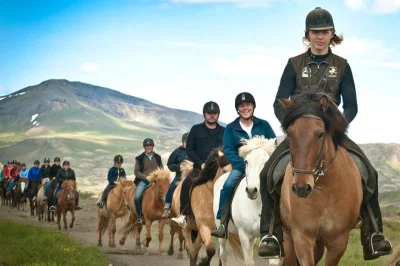 Icelandic Horseback Riding from Reykjavik: Laxnes FarmRide Icelandic horses at Laxnes Farm near Reykjavik with helmet and rain gear included; pickup from the city, live English guide★ 4.82 (897)3h 30mENUS$ 170View ›
 Silfra Snorkeling Tour: 3 Hours in Glacier WaterSnorkel between the North American and Eurasian plates in Iceland's Silfra Fissure at Thingvellir National Park with a PADI guide and thermal drysuit.★ 4.92 (3,678)3hENUS$ 148View ›
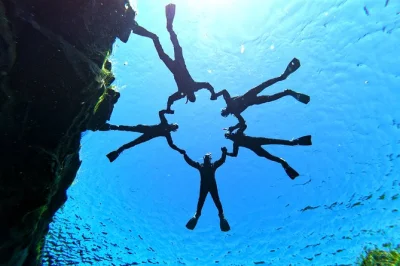 Silfra Snorkeling from Reykjavik: Between Tectonic PlatesSnorkel between two tectonic plates in Iceland's Silfra fissure. Your guide provides all gear, photography, and transport from Reykjavik for this unique underwater adventure.★ 4.88 (727)5hENUS$ 189View ›
 Horseback Riding from Reykjavik: 1 Hour in the SaddleHorseback riding tour from Reykjavik with pickup, helmet and riding lesson included -- spend an hour on Icelandic horses through the Hólmsheiði hills★ 5.00 (15)3hEN · DE +1US$ 192View ›
 Reykjavik: 4x4 Northern Lights Tour with Cocoa & PastriesStep into Iceland’s wild night for a 4x4 Northern Lights tour from Reykjavik, with hotel pickup, photos, hot chocolate, pastries & a local guide in English or Spanish.★ 4.83 (516)4hEN · ESUS$ 176View ›
 Reykjavik: RIB Whale Watching & Puffin Islands Small-Group BoatRIB speed-boat whale watching from Reykjavik's Old Harbour with puffin islands, Faxaflói Bay search & city views. Max 12 per boat, marine biologist guide, ~2 hours.★ 4.73 (272)2hENUS$ 187View ›
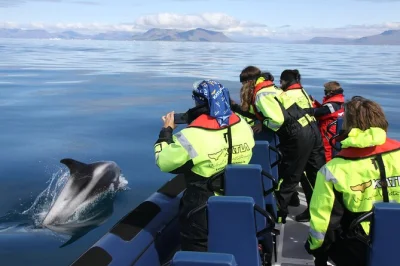 Reykjavik: Speedboat Whale Watching Tour Small Group SeatsFeel the rush of a speedboat whale watching tour in Reykjavik’s Faxaflói Bay, spotting whales and puffins with a local guide. Includes gear and small group comfort.★ 4.65 (262)2hENUS$ 164View ›
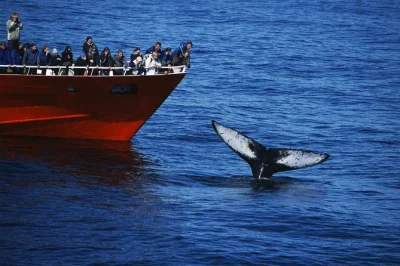 Reykjavik: Whale Watching Cruise with 90% Sighting RateWhale watching tour in Faxaflói Bay from Reykjavik for humpback and minke whales. Includes overalls, guide and Wildlife Exhibition entry. Free return if no whales spotted.★ 4.59 (2,949)3hENUS$ 105View ›
 Blue Lagoon Iceland: Geothermal Spa Entry & Optional TransferBlue Lagoon admission with silica mud mask, in-water bar, and saunas. Optional round-trip transfer from Reykjavik or Keflavik Airport. Water stays at 38°C year-round.★ 4.80 (5)2h–5hUS$ 208View ›
 Golden Circle, Blue Lagoon & Volcano Crater Day TripFeel the spray at Gullfoss, watch Strokkur erupt, and soak in the Blue Lagoon. Includes small-group transport, guide, and pickup from Reykjavik.★ 4.81 (2,783)11hENUS$ 268View ›
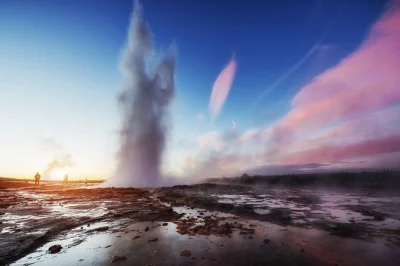 Golden Circle tour Reykjavik: Strokkur, Gullfoss, ÞingvellirGuided Golden Circle tour from Reykjavik with pickup included, visiting Strokkur geyser, Gullfoss waterfall and Þingvellir National Park on a modern bus★ 4.76 (2,680)6h 30mENUS$ 88View ›
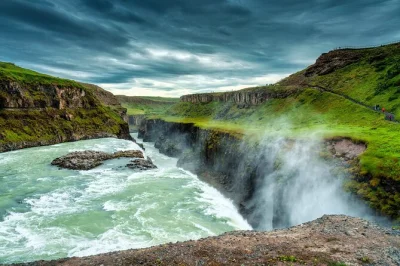 Golden Circle tour from Reykjavik: Small group farms & craterSmall-group Golden Circle tour from Reykjavik with hotel pickup, local guide and stops at Thingvellir, Geysir, Gullfoss★ 4.94 (1,147)9hENUS$ 151View ›
Top questions
How long does the private Sólheimajökull glacier tour take?
The activity involves about 20 minutes walking each way plus climbing time; expect several hours total including gearing up.
Is equipment provided for the glacier hike & climb?
Yes, helmets, harnesses, crampons and ice axes are included for all participants.
Do I need special boots for Sólheimajökull glacier climbing?
Your boots will be checked; if they’re not suitable for ice climbing you’ll need to rent proper ones nearby before starting.
How many people are on each private glacier adventure?
The group size is limited to four people for a more personal experience with your guide.
Is lunch included on this tour?
No lunch is included; bring snacks if you want something during or after your adventure.
Are there any health restrictions for joining?
This tour isn’t recommended for pregnant travelers or those with spinal injuries or poor cardiovascular health.
Will we have a local guide during the Sólheimajökull tour?
Yes, you’ll be led by a qualified local guide experienced in glacier safety and area geology.
What kind of climbing will we do on Sólheimajökull?
You’ll have a chance to climb vertical ice walls or inside moulins/crevasses depending on conditions and group fitness.
Sólheimajökull: Private Glacier Hike & Ice Climb Adventure
4h 30m · EN · IT +1
from US$ 381 per person
★★★★★★★★★★5.0090 reviewsVerified traveler reviews via our booking provider
