
Budapest Jewish Ghetto Tour: 3 Synagogues & Holocaust History
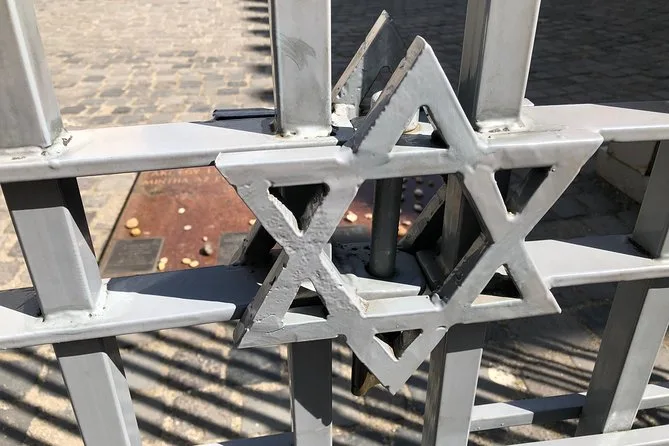


Three centuries of Budapest Jewish life in one morning, inside Europe's largest synagogue
A guided tour of Budapest's Jewish district covering the Dohány Street Synagogue (Europe's largest), the Rumbach Street Synagogue and the Heroes' Temple, plus the streets of the former ghetto. You pay only the synagogue admission fees; the expert guide and route planning are included. The tour runs about 2.5 hours and operates in English or French.
 2h 20m

Step-by-step itinerary
Explore Budapest Jewish District and Synagogues
- Visit Dohány Street Synagogue
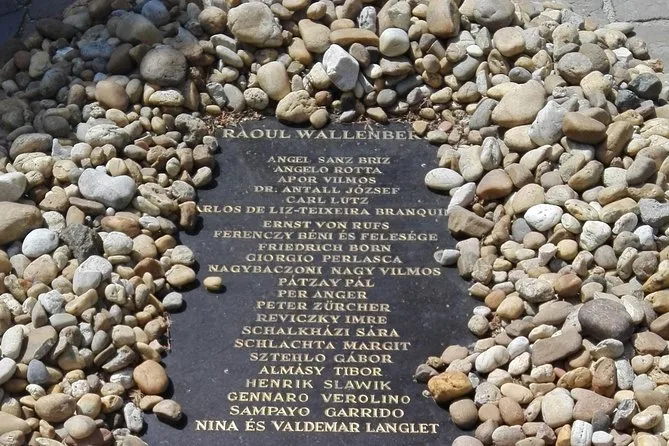
- Learn about Hungarian Holocaust and Righteous Gentiles
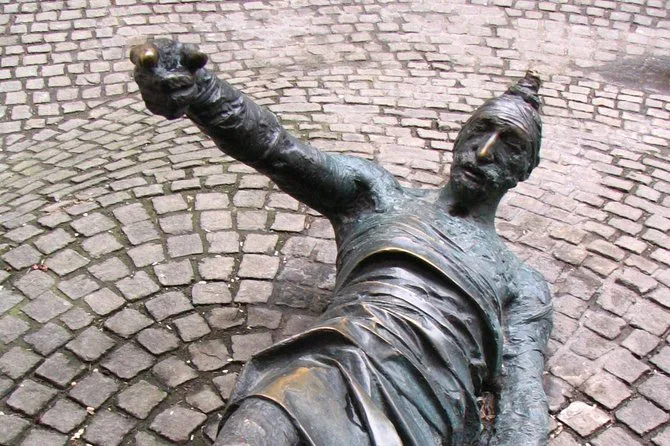
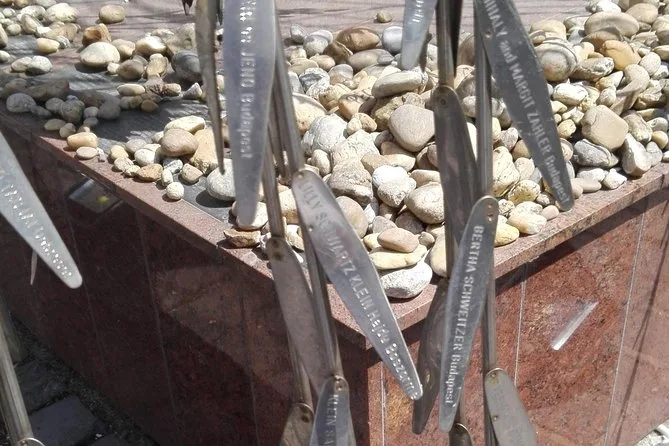
- Visit Emmanuel Tree of Life Memorial
- Visit Holocaust Cemetery in Budapest ghetto
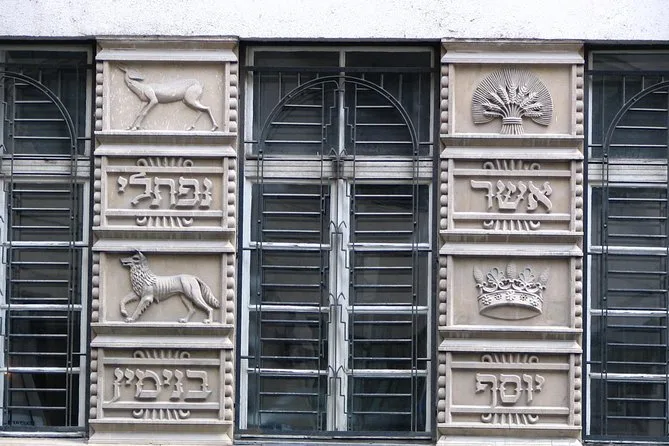
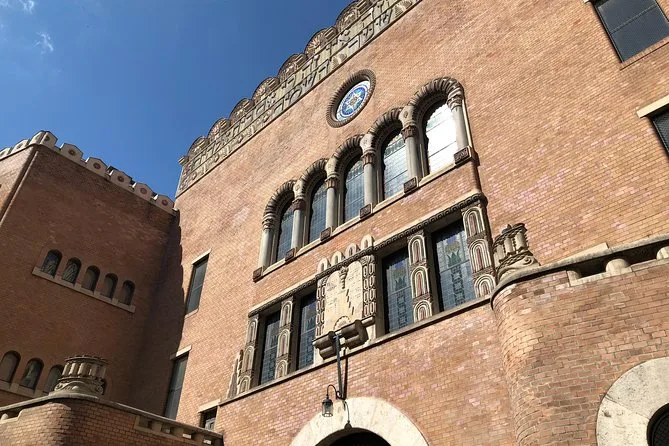
- Tour Rumbach Synagogue
- Walk along Kiraly street
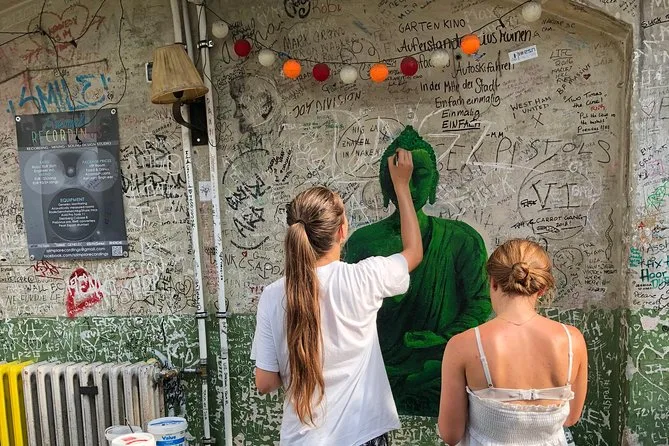
- Explore Gozsdu Courtyard
- Meet a Righteous Gentile hero
- See Jewish Dutch philosopher's cultural site
- Pass by kosher flodni cake spot
- Walk along the central Jewish district street
- Visit Kazinczy Street Synagogue and Orthodox Jewish Center

The Experience
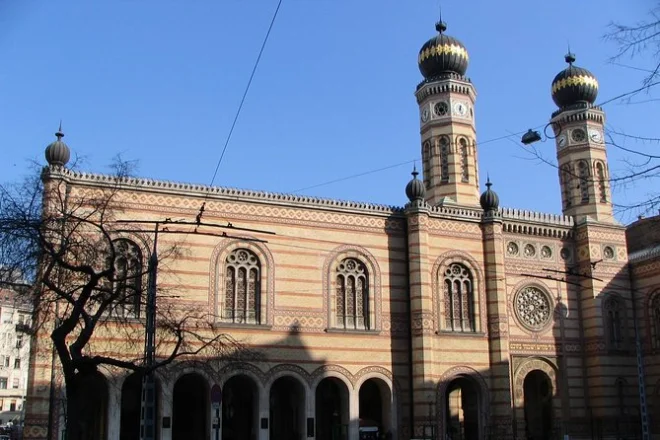
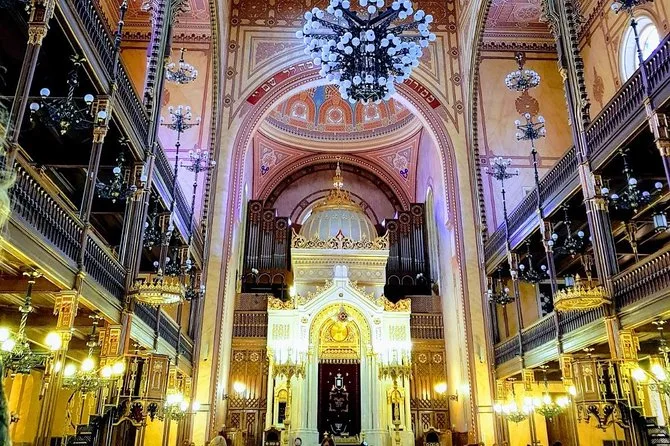
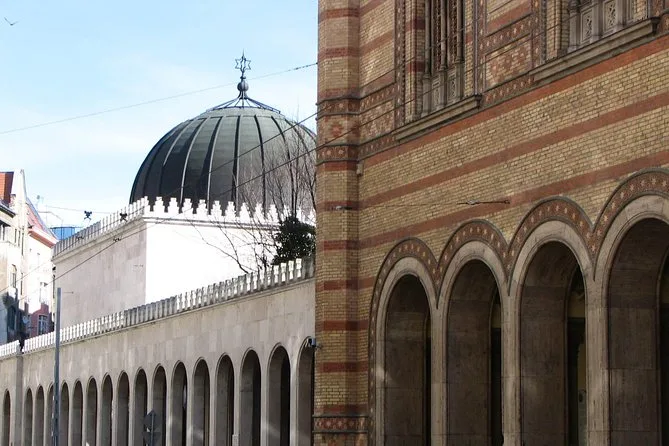
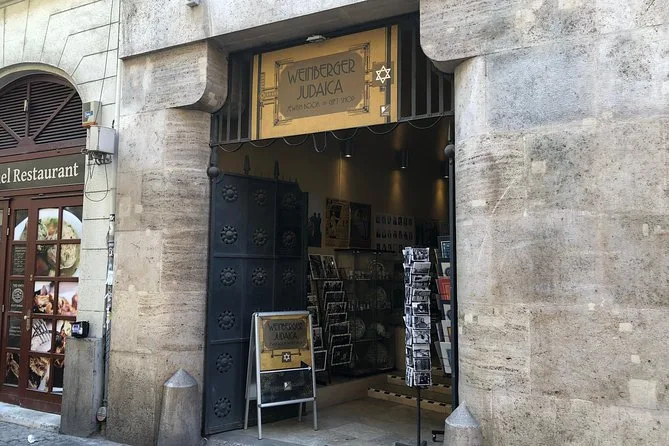
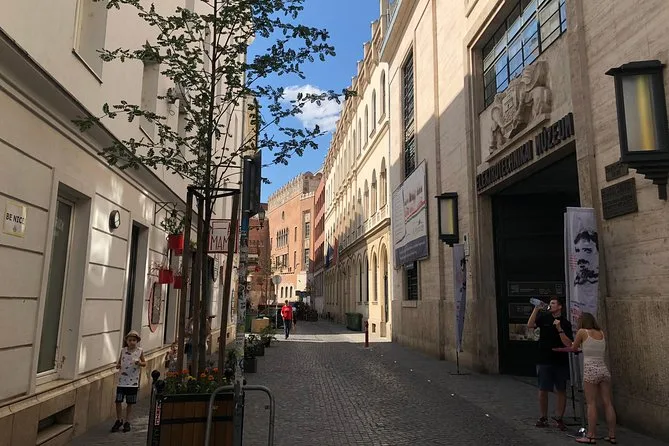
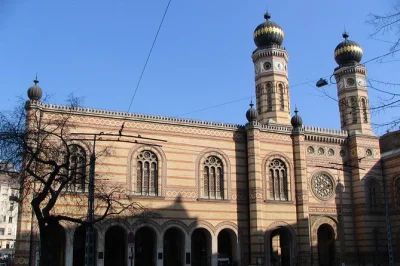
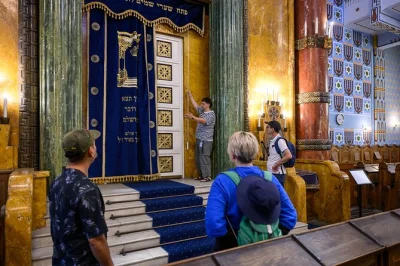
The tour opens at the Dohány Street Synagogue, the architectural centerpiece of 1850s Budapest and Europe's largest Jewish temple. Inside, you'll see the organ played by Franz Liszt and learn about the Hungarian Neologue Jewish Community and the broader arc of Hungarian Jewry. From there, the guide leads you through the streets that formed the heart of Budapest's Jewish life—Király Street, which was Pest's commercial center in the 18th century and the cradle of the city's Jewish settlement, and Kazinczy Street, now called the cultural street of Budapest, lined with ruin pubs, kosher restaurants, the Orthodox Jewish Center, and early 20th-century Secession architecture.
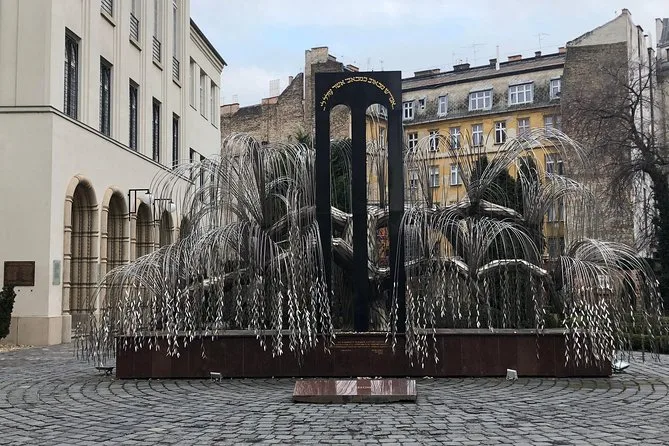
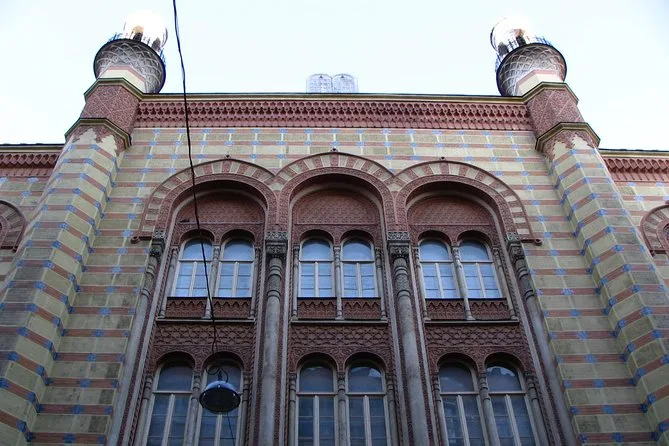
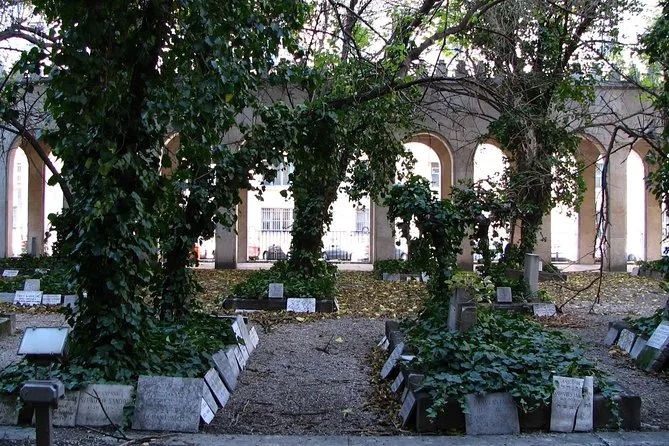
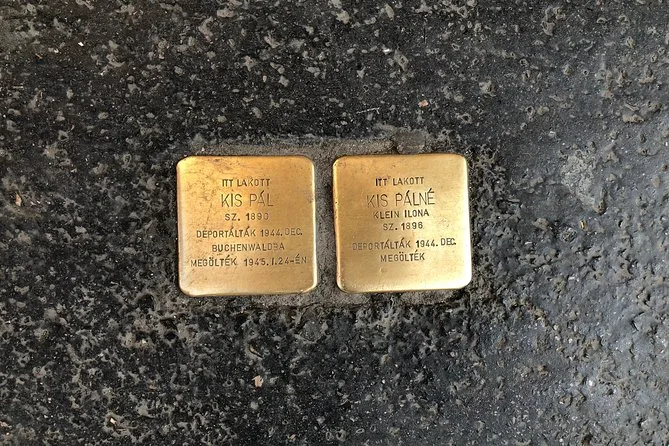
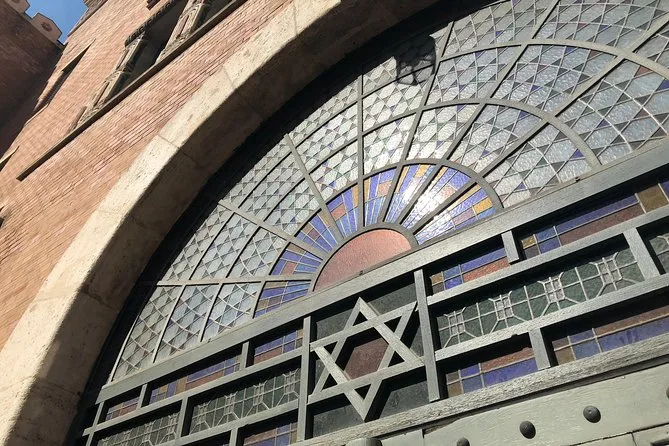
The route takes in the Rumbach Street Synagogue, a Moorish masterpiece designed by Viennese architect Otto Wagner in 1872 and recently reopened after years of renovation. You'll also visit the Emmanuel Tree of Life Memorial and the Holocaust Cemetery, created on the territory of the former Budapest ghetto, where more than 2,000 victims are buried. The guide explains the role of Righteous Gentiles who risked their lives to save tens of thousands of Hungarian Jews during the Holocaust. Gozsdu Courtyard, the most colorful spot in the district, rounds out the walk—once home to kosher food stores and apartments, it now hosts local Jewish artists, galleries, and restaurants where you can eat and drink with friends.
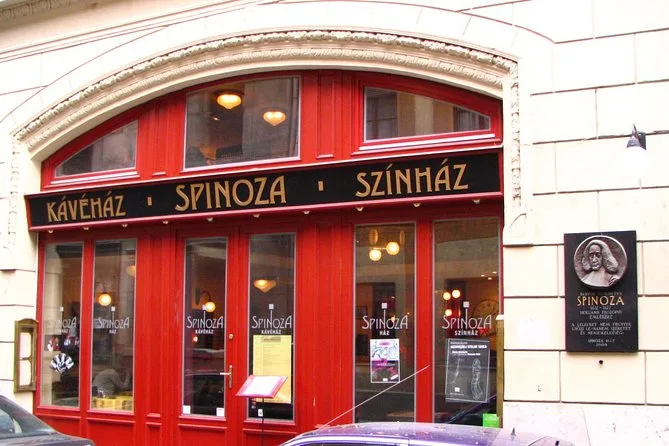
You'll also pass the Kazinczy Street Synagogue, serving the Hungarian Orthodox Jewish Community, and see landmarks like the restaurant and cultural venue named after Spinoza, the 17th-century Jewish philosopher. The guide points out one of Budapest's best-known spots for kosher flodni, the traditional Hungarian Jewish cake. The tour is wheelchair accessible, and all areas and surfaces accommodate mobility devices. Dress code: shoulders covered, clothing to the knee or covered; head covers for men are available at entry. The tour operates in English or French, depending on which option you book.

What’s included
- Expert guide in English or French.
- admission to Dohány Street Synagogue, Rumbach Street Synagogue and Heroes' Temple.
- access to the Emmanuel Tree of Life Memorial and Holocaust Cemetery.
- route through the former ghetto and Jewish district landmarks including Kazinczy Street, Király Street and Gozsdu Courtyard.
- all fees and taxes.
Operated by Hidden Treasure Tours
Is this one for you?Book this tour if you want to understand Budapest's Jewish heritage without arranging multiple stops and entry times yourself—the guide handles the route, the timing and the context, so you move through three centuries of history in one morning.
Traveler reviews
Compare the 13 similar options
 Budapest Jewish Ghetto Tour: 3 Synagogues & Holocaust History★ 4.82 (288)2h 20mEN · FRUS$ 65
 Budapest Jewish District: Synagogues & Street Art Walking TourBudapest Jewish District tour with local guide covers Dohány Street Synagogue, hidden histories and contemporary street art. Small groups, 4+ participants required.★ 4.93 (304)1h 45mENUS$ 3.55View ›
 Dohány Synagogue Budapest: skip line guided tour freeEurope's largest synagogue features a live English guide tour, Holocaust Cemetery visit, and Hungarian Jewish Museum access in 45 minutes with priority entry.★ 4.37 (262)45mENUS$ 47View ›
 Budapest: Jewish Heritage Walking Tour & Synagogue EntryTour the Dohány Street Synagogue, Jewish Museum, and Holocaust memorials in Budapest with a local guide. 2.5–3 hours, entrance included.★ 4.76 (624)2h–4hENUS$ 82View ›
 Buda Castle Walking Tour: Fisherman's Bastion & Matthias ChurchWalk the UNESCO Buda Castle District with a live guide through 1,000 years of Hungarian history—Fisherman's Bastion, Matthias Church2h 30mEN · DE +4US$ 46View ›
 Budapest: Food Tour District 7, Street Eats & Tokaji WineTaste Budapest’s Jewish Quarter with street food, chicken paprikash, local drinks & Tokaji wine. Includes guided walk, entry to top eateries & vegetarian options.★ 4.92 (91)2h 30mENUS$ 82View ›
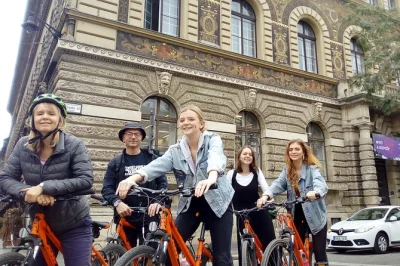 Budapest: Downtown Bike Tour & City Park with Small GroupsSmall-group bike tour through Budapest's Pest side: Jewish Quarter, Andrássy Avenue, Heroes' Square, City Park & Vajdahunyad Castle. Includes helmet, water & guide. 3–4 hours.★ 4.92 (300)3h 30mENUS$ 26View ›
 Budapest: Private Jeep City Tour with Pickup & StrudelFeel Budapest’s pulse in a classic Russian Jeep or G-Wagon, with a local guide, flexible pickup, and strudel treat—see Buda Castle, Parliament & more.★ 4.98 (530)2h–3hENUS$ 266per groupView ›
 Budapest: E-Bike City Tour with Castle Hill & Thermal BathsFeel the breeze on a Budapest e-bike tour—ride Castle Hill, see Parliament, Heroes’ Square, and thermal baths. Includes helmet, water, and local guide insights.★ 4.86 (255)3h 30mEN · DE +1US$ 64View ›
 Budapest: Private Tuk Tuk City Tour with Flexible StopsFeel Budapest’s pulse on a private tuk tuk ride, with flexible stops at Parliament, Fisherman’s Bastion & more. Includes hotel pickup and friendly local guide.★ 4.93 (692)4hEN · FRUS$ 175View ›
 Budapest: Small Group Food Tour with Drinks & Jewish QuarterFollow local food trails through Budapest’s Jewish Quarter, taste classic dishes and drinks, and hear stories from a foodie guide. Includes tastings and sit-down meal.★ 4.87 (172)2h 30mENUS$ 82View ›
 Budapest: Private City Tour by Car with Hotel PickupFeel Budapest’s grand boulevards, Parliament, Buda Castle & thermal baths on a private city tour by car with hotel pickup. See more in comfort & at your pace.★ 4.69 (103)4hEN · DE +5US$ 230View ›
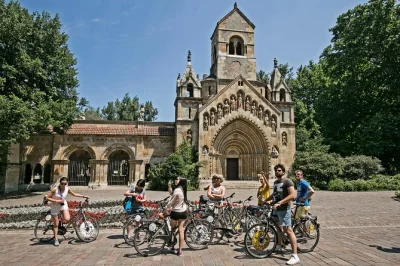 Budapest Bike Tour: Chain Bridge, Parliament & DanubeBike tour of Budapest covering Chain Bridge, Parliament Building, St. Stephen's Basilica and Margaret Island. Includes bike hire, helmet, coffee and dessert with guide.★ 4.77 (379)2h 30m–4hENUS$ 46View ›
Top questions
What's inside the Dohány Street Synagogue that makes it worth the visit?
The Dohány Street Synagogue is Europe's largest Jewish temple, built in 1850 as an architectural masterpiece of Budapest. Inside you'll see the organ played by Franz Liszt and learn about the Hungarian Neologue Jewish Community and the history of Hungarian Jewry.
Can I visit the Rumbach Street Synagogue on this tour?
Yes, the Rumbach Street Synagogue is a main stop. Designed by Viennese architect Otto Wagner in 1872, it's a spectacular Moorish building that recently reopened after extensive renovations and is considered a hidden treasure of the Jewish district.
What will I learn about the Holocaust on this tour?
The guide explains the Holocaust's impact on Hungarian Jews and takes you to the Emmanuel Tree of Life Memorial and the Holocaust Cemetery, created on the territory of the former ghetto and the resting place of more than 2,000 victims. You'll also learn about Righteous Gentiles who risked their own lives to save tens of thousands of Hungarian Jews.
How long does the tour take?
The tour runs about 2.5 hours and covers the three main synagogues, the streets of the former ghetto, memorials, and cultural landmarks like Gozsdu Courtyard and Kazinczy Street.
What do I need to know about dress code?
Shoulders must be covered and clothing must reach the knee or be covered; head covers for men are available at entry. Regular clothing is fine as long as it meets these requirements.
Is the tour wheelchair accessible?
Yes, all areas and surfaces are wheelchair accessible, and transportation options nearby are also wheelchair accessible. Infants and small children can ride in a pram or stroller, and service animals are allowed.
Budapest Jewish Ghetto Tour: 3 Synagogues & Holocaust History
2h 20m · EN · FR
from US$ 65 per person
★★★★★★★★★★4.82288 reviews
