
Kumasi: Lake Bosomtwe Boat Cruise & Ashanti Palace Museums







More experiences you might like
 Kumasi: Asante Kingdom Museums & Kejetia Market Day TourDaily · 08:00 · 27–58 years★ 5.00 (6)4h–8hEN · DEUS$ 130View ›
 Kumasi City Tour with Lunch: Kejetia Market & Palace MuseumsDaily · 09:00 · From age 5★ 5.00 (4)4hENUS$ 110View ›
 Kumasi City Tour: Ashanti Kingdom History & Local MarketsDaily · 09:30 and 14:30 · From age 10★ 4.72 (36)5h–6hENUS$ 100View ›
 Bonwire Kente weaving class and naming ceremony near KumasiDaily · From age 6★ 4.98 (47)5h 30mENUS$ 170View › Compare more experiences like this »

A Meteor Lake & the Heart of the Ashanti Kingdom in One Day
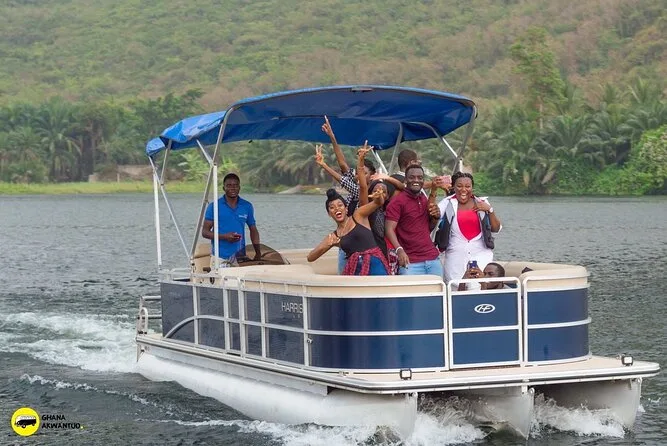
You spend the morning on a boat circling Lake Bosomtwe, hearing the meteor and antelope god stories while watching fishing villages slip past. After lunch, you walk through two palace museums filled with Ashanti royal artifacts and learn the history of the kingdom through objects: gold, war attire, ceremonial dress. You finish at Kejetia Market, one of West Africa's largest, guided through 11,000 stalls so you actually understand what you're seeing instead of just walking in circles. Transport, meals, and all entry fees are included, so you show up and follow the itinerary.
 6h–7h
6h–7h

Step-by-step itinerary
- Lake Bosumtwi2h · entry included
- Manhyia Palace Museum1h · entry included
- Prempeh II Jubilee Museum1h · entry included
- Kejetia Market1h · entry included
Lake Bosomtwe and Kumasi city tour
- Learn meteor impact history at lake
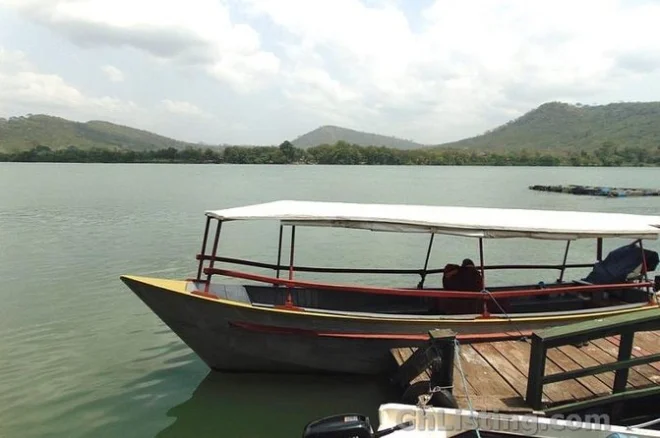
- Boat cruise around Lake Bosomtwe
- Watch Ashanti history video
- Tour Manhyia Palace Museum
- Visit Golden Stool site
- Explore Prempeh II Jubilee Museum
- Walk around Kejetia Market

The Experience
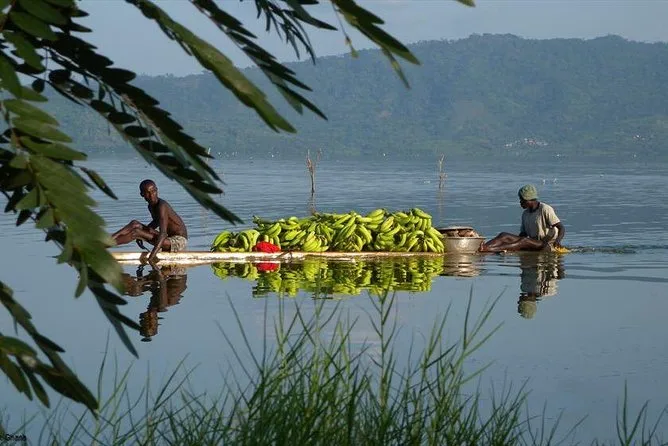
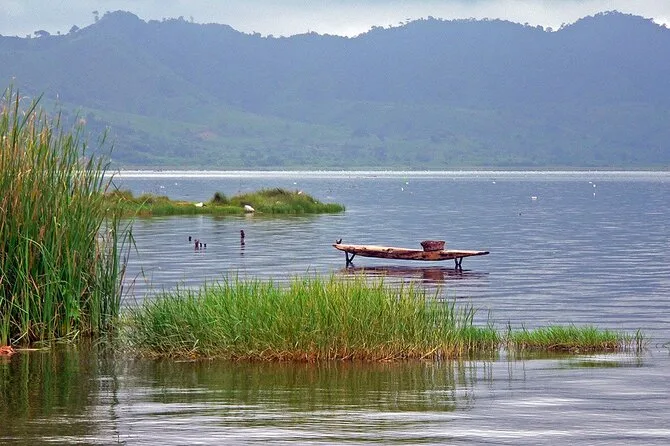
"How deep is it really?" The question comes up on every boat that leaves the shore of Lake Bosomtwe, and your guide will tell you the story: a meteor strike a million years ago, or the antelope god legend, depending on which version you believe. Either way, you're on water that's older than most places on earth, surrounded by fishing villages tucked into forest so thick it feels like the trees are holding the lake in place. The boat moves slowly enough that you can see the details: nets drying on wooden racks, children waving from the bank, the way the water reflects the green so perfectly you can't tell where the lake ends and the forest begins.
After the lake, Kumasi's museums come next, and they're not the quiet kind. Manhyia Palace Museum starts with a video about the Ashanti empire, then walks you through rooms filled with the actual artifacts: war attire of kings, ceremonial gold, the personal belongings of figures like Yaa Asantewaa, the war queen who led resistance against British colonial rule. The Prempeh II Jubilee Museum is built to look like an Ashanti chief's house, and inside are the king's jewels, his bathing equipment, his royal insignia: the physical proof that this kingdom was real, organized, and powerful. Your guide explains the significance of each room, and you start to understand why the Ashanti history matters not just to Ghana, but to how West Africa sees itself.
Then there's Kejetia Market. From above it looks like a mothership landed in central Kumasi: 11,000 stalls, rusting tin roofs stretching in every direction, and at least 44,000 people working inside on any given day. Walking through it with a local guide means you're not just passing through. You're learning which vendors have been there for decades, what the different sections sell, how the market moves with the seasons. It's disorienting and captivating at the same time, and it's the part of Kumasi most visitors miss because they don't know how to enter it without getting lost.
The day runs full: Lake Bosomtwe in the morning, the two palace museums in the afternoon, Kejetia Market before you head back. Your driver handles the air-conditioned transport between stops, lunch is included, and entrance fees are covered. You're not arranging tickets or timing yourself. The guide does that. What you do is pay attention.

What’s included
Your day includes air-conditioned transport with fuel, bottled water, entrance fees to Lake Bosomtwe, Manhyia Palace Museum, Prempeh II Jubilee Museum, and Kejetia Market, a full lunch, and a guide who leads you through each stop and explains the history and significance of what you're seeing.
Prices and times updated today
Operated by Bilson Tours Gh
Is this one for you?Book this if you want to see both the natural and cultural sides of Kumasi in one day without arranging your own transport, tickets, or timing. The fixed itinerary is what makes it possible to fit the lake, two museums, and the market into a single trip.
Traveler reviews

Top questions
Can children come?
18 to 29 years; 10 to 17 years. Under 10: no ticket type, they can't be added to a booking.
What happens if it rains?
It may be canceled due to bad weather. If that happens, you're offered another date or a refund. Free cancellation up to 24h before the start.
What's the difference between Manhyia Palace Museum and Prempeh II Jubilee Museum?
Manhyia Palace Museum focuses on the broader Ashanti empire history and features artifacts related to various kings and figures like Yaa Asantewaa. Prempeh II Jubilee Museum is specifically dedicated to King Prempeh II and is designed to look like an Ashanti chief's house, displaying his personal items, clothing, and royal insignia.
Is Kejetia Market safe to walk through?
Yes, you're guided through it by a local guide who knows the layout and vendors, so you're not navigating alone. The market is crowded and can feel disorienting, but it's a functioning marketplace that thousands of people use daily.
What's included in the tour price?
Air-conditioned transport, entrance fees to all attractions, lunch, bottled water, and a tour guide for the full day.
Can I skip any of the stops?
The tour is designed as a full-day itinerary covering Lake Bosomtwe, both museums, and Kejetia Market. Check with the operator about customizing the route.
Kumasi: Lake Bosomtwe Boat Cruise & Ashanti Palace Museums
6h–7h · EN
from US$ 250 per person
★★★★★★★★★★4.336 reviewsVerified traveler reviews via our booking provider