
Ghana: Cultural heritage tour with local guides
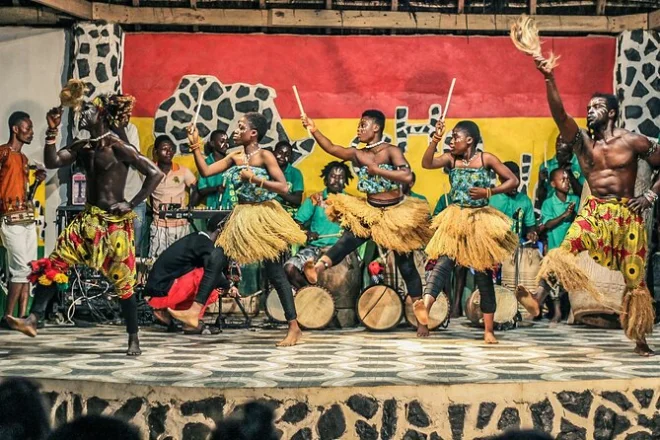
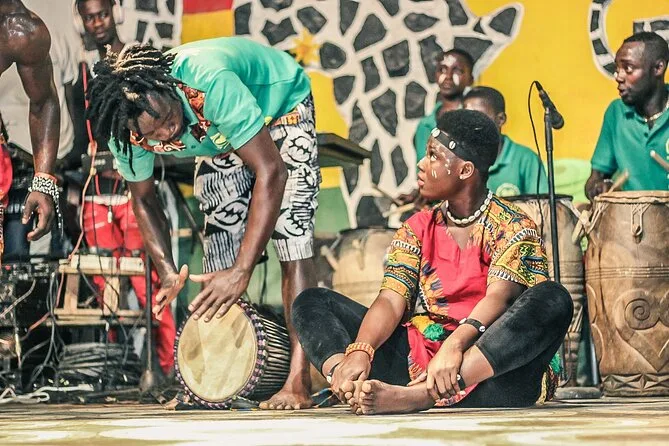
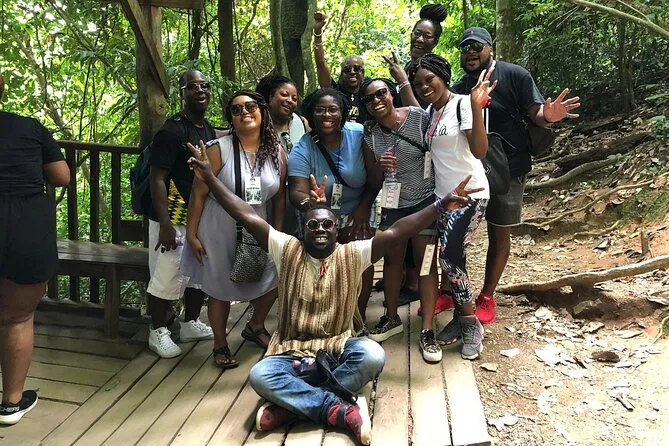
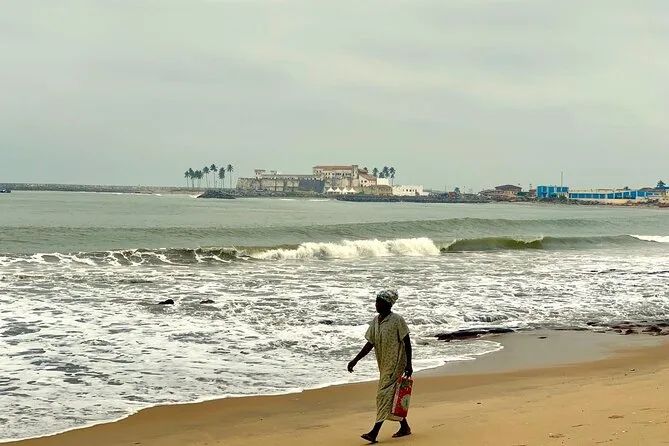


Walk Ghana’s story from Accra’s markets to Elmina’s shores
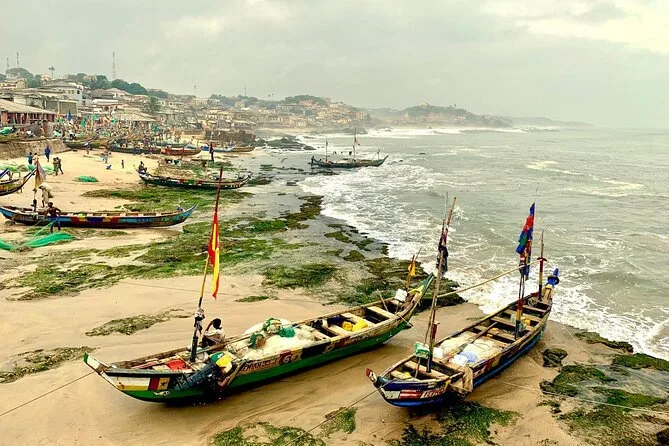
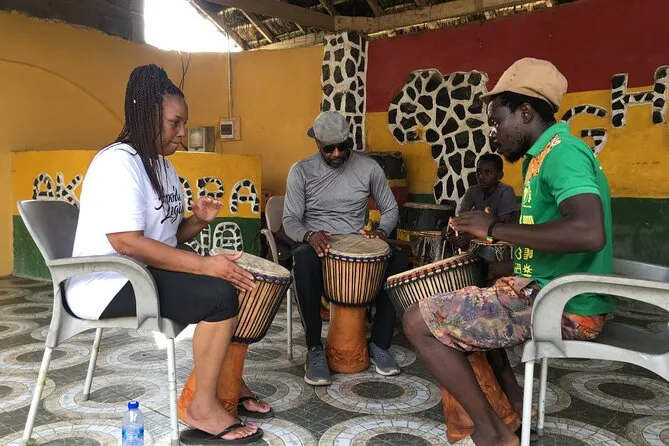
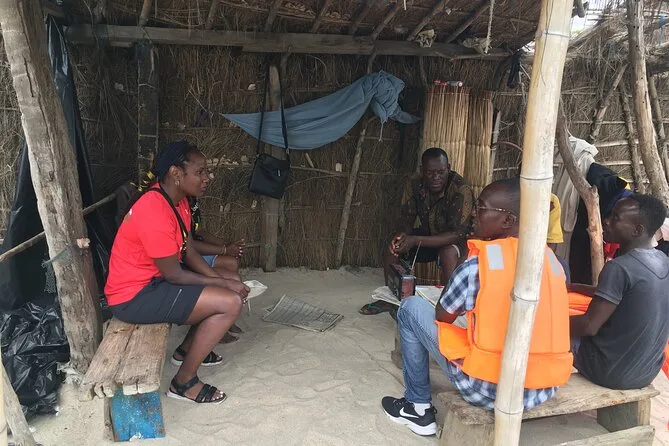
You’ll walk through Accra’s bustling markets with local guides, touch history at Elmina Castle and Assin Manso Slave River, and join traditional ceremonies in village palaces. Expect laughter over shared meals, moments of quiet reflection by the ocean, and new friends who feel like family by the end. These are memories you’ll carry home long after leaving Ghana.
 10d
10d

Step-by-step itinerary
Day 1: Arrive in Ghana and Welcome Dinner
- Airport pickup and hotel transfer
- Welcome dinner and drinks
Day 2: Explore Accra's Historical Sites
- Visit Kwame Nkrumah Mausoleum
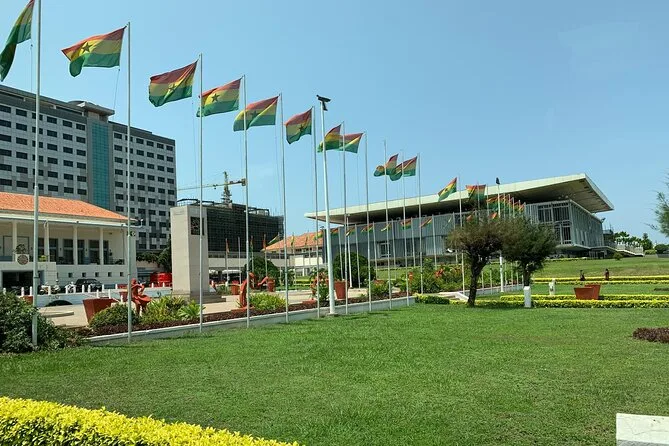
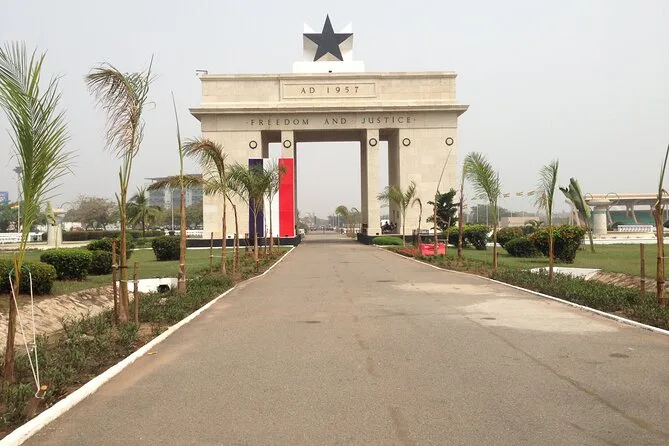
- Tour Independence Square
- Explore Makola Market
- Visit National Museum of Ghana
Day 3: Visit Aburi Gardens and Memorial
- Tour Aburi Botanical Gardens
- Visit W. E. B. Du Bois Memorial Centre
Day 4: Explore Cape Coast Slave History
- Visit slave dungeons and Door of No Return
Day 5: Elmina Town and Kakum Rainforest
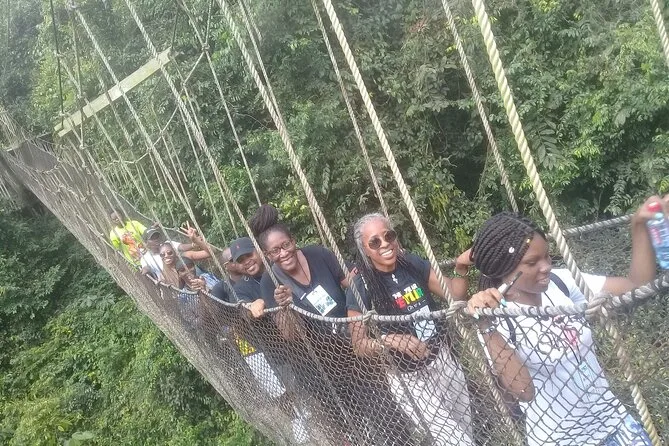
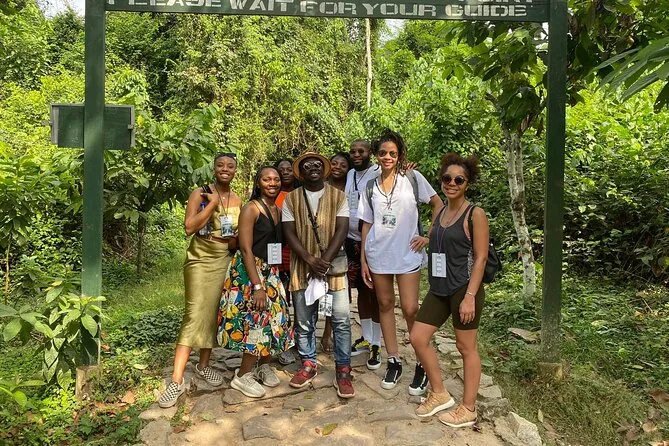
- Explore Kakum Rainforest and Canopy Walk
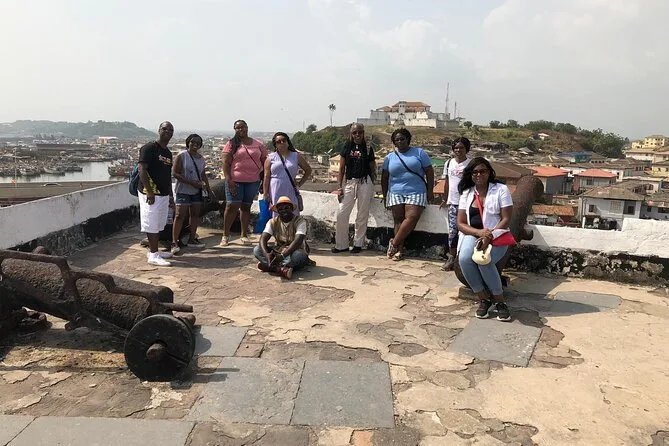
- Walking tour of Elmina historical sites
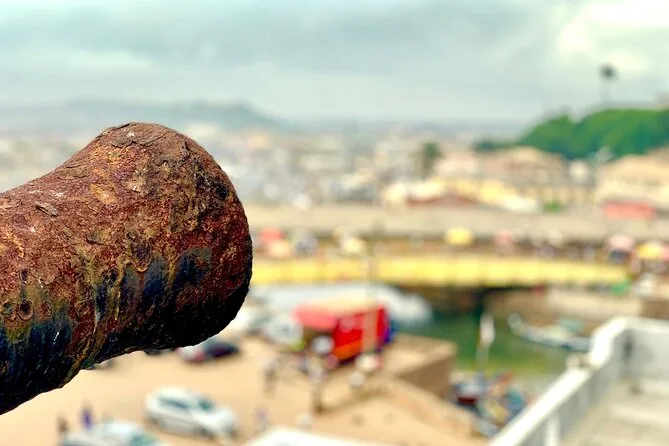
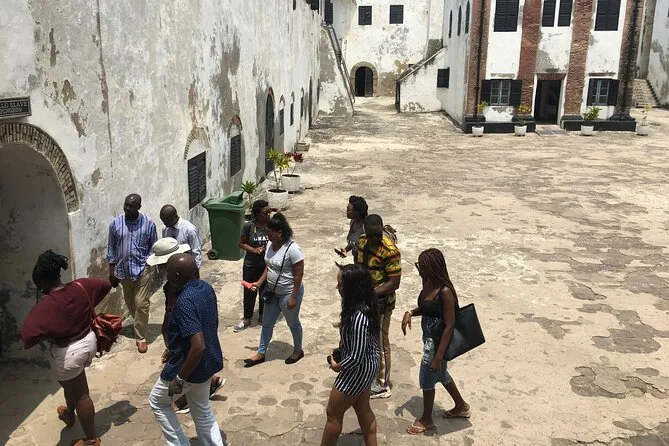
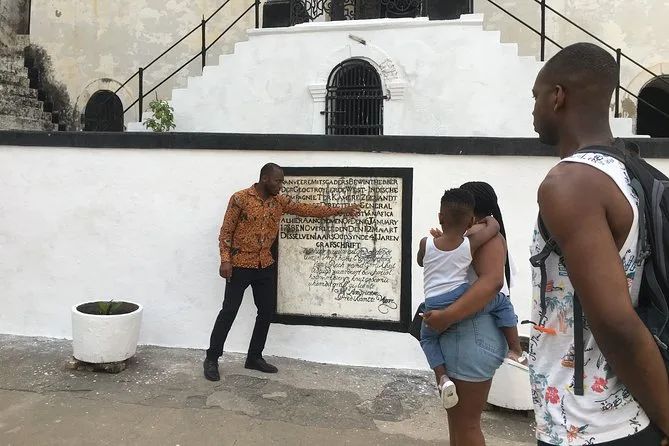
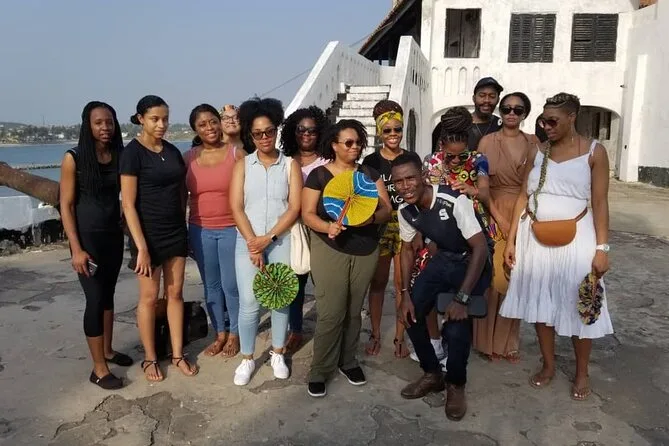
- Visit Elmina Castle slave dungeon
Day 6: Rest and Naming Ceremony
- Rest and relaxation. Visit chief palace and naming ceremony
Day 7: Drive to Kumasi via Slave River
- Visit Assin Manso Slave River and Memorial Wall
Day 8: Explore Kumasi Cultural Sites
- Visit Manhyia Palace Museum
- Explore Kejetia Market
- Visit Kumasi Cultural Center and Okomfo Anokye Sword site
Day 9: Return to Accra via Kente Village
- Visit Bonwire Kente Village
Day 10: Depart Ghana with Souvenir Shopping
- Shop at Accra Arts Center
- Airport drop-off

The Experience
“You’re not going to forget this smell,” Kwame grinned as we ducked into Makola Market in Accra. He was right. It was a mix of fried plantain, sweat, spices, and something sweet I never figured out. Our group kept close, weaving through women balancing bowls on their heads like it was nothing. I tried to keep up but almost tripped over a basket of yams. The market felt endless: colors everywhere, voices bouncing off tin roofs, and the kind of heat that makes your shirt stick to your back before noon. Kwame knew everyone. He’d stop every few meters for a joke or a handshake. I didn’t expect to laugh so much in the middle of all that chaos.
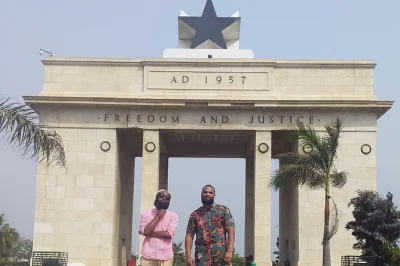
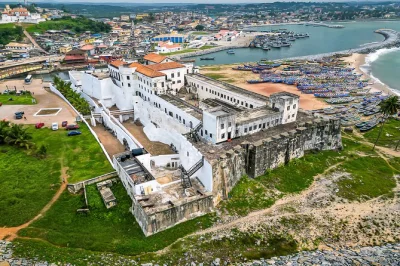
The next day at the Kwame Nkrumah Mausoleum, our guide Ama told us stories about Ghana’s first president that you don’t find in guidebooks: like how his favorite smock is still on display there. I stood in front of the Black Star Gate later, squinting into the sun, thinking about independence and how much pride you could feel just standing in a place. There was this moment at Elmina Castle (cold stone under my hand, salty air blowing in from the sea) when everything went quiet inside me for a second. The “door of no return” isn’t just a phrase after you’ve seen it up close.
We spent one morning walking barefoot down to Assin Manso Slave River. It felt strange at first (mud between my toes, grass brushing my ankles), but Ama said it was tradition for reconnecting with ancestors. People went silent for a bit. Even the birds seemed quieter than usual. Later that day we had a naming ceremony at a chief’s palace (I got called “Kwabena” since I was born on Tuesday). They dressed us in kente cloth and everyone clapped when I tried some Twi greetings: probably butchered them but nobody seemed to mind.
Kumasi was wild in its own way: Kejetia Market is bigger than any market I’ve ever seen (and I’ve been to Istanbul). The Manhyia Palace Museum had these gold weights and stools that looked ancient but somehow familiar after all we’d learned along the way. By then, our group felt more like family than strangers who’d met at an airport dinner ten days earlier.

What’s included
Your journey includes airport pickup upon arrival in Accra and comfortable travel by air-conditioned vehicle throughout Ghana. You’ll have dinner included most evenings plus guidance from knowledgeable local leaders (both men and women), who share stories beyond what’s written in books or museums as you explore each destination together.
Operated by Freelancenana Travel And Tours
Traveler reviews
Compare the 13 similar options
 Ghana: Cultural heritage tour with local guides★ 4.95 (44)10dENUS$ 3,500
 Ghana Culture & Wildlife Private Tour with Local GuideDiscover Ghana’s vibrant markets, UNESCO castles, and rainforest canopy walk on a private 7-day tour. Includes expert guide, all fees, hotels, and airport transfers. Book now.★ 5.00 (10)7dENUS$ 3,095View ›
 Accra City Tour: History, Markets & Independence SquareGuided tour of Accra with a live English-speaking guide visiting Kwame Nkrumah Mausoleum, Independence Square, Makola Market and the National Museum, including hotel pickup.★ 4.84 (230)6hENUS$ 39View ›
 Accra: City Tour with Makola Market, Jamestown & Labadi BeachFeel the pulse of Accra: walk Jamestown, shop Makola Market, explore museums, and relax at Labadi Beach. Includes snacks, flexible transport, local guide.★ 4.63 (123)3h–6hENUS$ 95View ›
 Accra Day Tour: Kwame Nkrumah & Makola Market with GuideFull-day Accra tour covering Kwame Nkrumah Mausoleum, Independence Square, Makola Market and Jamestown. Includes pickup, guide, entrance fees and water. Wheelchair accessible.★ 4.86 (420)6hENUS$ 40View ›
 Accra City Tour: Markets & Colonial LandmarksPick up from your hotel in an air-conditioned vehicle and spend the morning at Independence Square and the Du Bois Centre.★ 5.00 (27)1h–5hENUS$ 100View ›
 Cape Coast & Elmina Castles, Kakum Canopy Walkway from AccraStep inside Cape Coast & Elmina Castles, walk the Kakum canopy, and hear living history with a private guide. Includes pickup, entry fees, snacks & WiFi.★ 4.82 (742)11h–15hEN · FRUS$ 99View ›
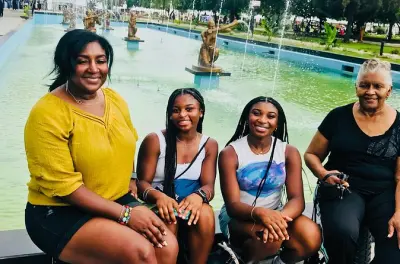 3-Day Accra, Cape Coast & Kumasi Tour: Castles, Canopy & CultureThree-day tour from Accra through Ghana's slave castles and Kumasi's weaving villages, with guide, transfers, entrance fees and lunch included.★ 5.00 (2)3dENUS$ 750View ›
 Cape Coast & Elmina Castle: Day Trip with Kakum Canopy WalkFeel the weight of history at Cape Coast & Elmina Castles, walk the Kakum canopy, and share lunch by the ocean: private day trip from Accra with transport included.★ 4.74 (86)9h–12hENUS$ 170View ›
 Accra City Tour: 5 stops from market to independenceAccra city tour visiting Makola Market, Kwame Nkrumah Mausoleum, Independence Square, National Museum, W.E.B. Du Bois Center with guide and transport.★ 5.00 (8)5h–8hEN · FRUS$ 95View ›
 Accra to Cape Coast & Elmina: Slave Castles & Kakum Canopy WalkFeel the weight of history at Cape Coast & Elmina slave castles, walk above rainforest on Kakum’s canopy, and travel in comfort with private transport from Accra.★ 4.93 (80)11h–13hENUS$ 165View ›
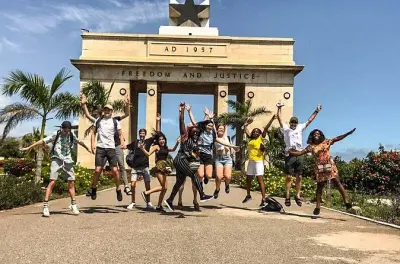 Accra City Tour: Osu Castle, Markets & Independence SquareAccra city tour with live English guide covers Osu Castle, Kwame Nkrumah Mausoleum, Makola Market and Independence Square. Includes pickup, lunch.★ 5.00 (2)7hENUS$ 200View ›
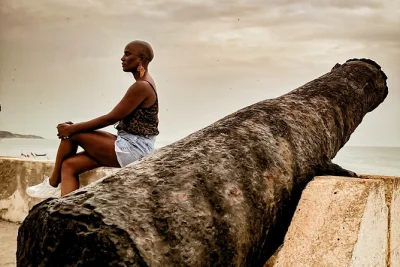 Slave castle tour Ghana: Assin Manso, Elmina & Cape CoastPrivate tour from Accra to Assin Manso Slave River, Elmina Castle and Cape Coast Castle with historian guide, lunch and air-conditioned transport.★ 4.60 (10)10h–14hENUS$ 300View ›
Top questions
What attractions are included on this Ghana cultural heritage tour?
The tour visits Makola Market, Kwame Nkrumah Mausoleum and Memorial Park, Independence Square, National Museum of Ghana, W.E.B Du Bois Memorial Centre for Pan-African Culture, Aburi Botanical Gardens, Elmina Castle, Kakum Rainforest Canopy Walkway, Assin Manso Slave River, Kejetia Market, Manhyia Palace Museum (Asantehene's Palace), Bonwire Kente Village, and more.
Is airport pickup included on this 10-day Ghana tour?
Yes, airport pickup is included upon arrival in Accra.
Are meals provided during the trip?
Dinner is included as part of your experience.
Will there be local guides during the tour?
Yes, experienced local male and female guides lead the group throughout the trip.
Is transportation air-conditioned?
Yes, transportation is provided in air-conditioned vehicles.
Are service animals allowed on this tour?
Yes, service animals are allowed according to the additional info provided.
Is this Ghana heritage trip suitable for all fitness levels?
The tour is suitable for all physical fitness levels.
How many days does this Ghana culture & heritage trip last?
The tour lasts 10 days including arrival and departure days.
Ghana: Cultural heritage tour with local guides
10d · EN · at your hotel
from US$ 3,500 per person
★★★★★★★★★★4.9544 reviewsVerified traveler reviews via our booking provider