

 +507 6792-0894


6 Day Ghana Tour: Culture, History & Nature Highlights









Summary
Ghana Multi-Day Tour: From Accra to Cape Coast & Beyond
You’ll experience Ghana’s real heartbeat—from lively Accra nights to sacred monkey forests and powerful history at Cape Coast Castle. This tour blends culture, nature, and local life so well you’ll leave feeling like you’ve truly seen Ghana—not just its highlights.

Landed in Accra just before dusk—humid air hit me right as I stepped outside the airport doors. Our guide, Kwame, was waiting with a big grin and a sign that actually had my name spelled right (rare for me). The drive to Kingsby Hotel zipped by; traffic was lively but not wild. If you arrive early enough, don’t miss Osu Oxford Street at night. It’s loud—music from every corner shop, food stalls grilling kebabs, and people everywhere. I grabbed a chilled Malta Guinness from a street vendor and just watched the city move.
The next morning we set off for Kumasi in the Ashanti Region. Manhyia Palace Museum felt alive with stories—our guide Ama shared how the Asantehene still lives here. You’ll see royal regalia up close; gold everywhere but nothing flashy. The Kumasi Culture Centre is busy—over 700 stalls! I picked up a handwoven kente scarf after chatting with the weaver about patterns (each one means something). Bonwire Kente Weaving Village is quieter but you can hear the looms clacking away as you walk past open doors.
After breakfast at Okubi Hotel (simple buffet—try the waakye if they have it), we visited Ntonso for Adinkra cloth making. The ink stains your fingers if you’re not careful; it smells earthy and smoky from the dye pots. Ahwiaa wood carving village is full of sawdust and laughter—kids running between shops while artisans shape masks and stools out front. By afternoon we were on the road to Boabeng-Fiema Monkey Sanctuary. The guesthouse there is basic but clean; monkeys peeked through my window at sunrise.
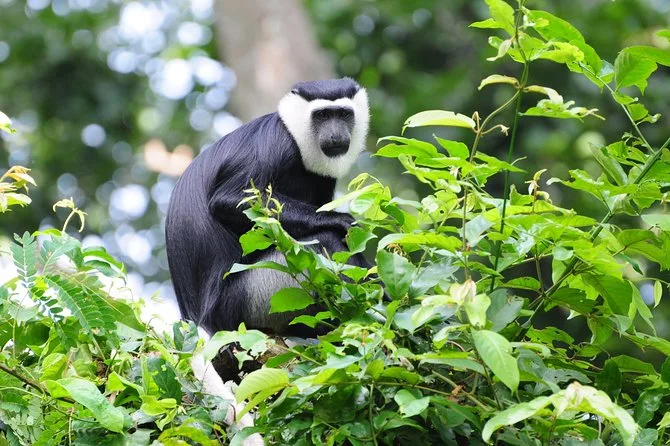
Walking through Boabeng-Fiema Sanctuary early morning is something else—the forest is cool and damp, monkeys chatter overhead, and our local guide explained why these animals are considered sacred here. We met the Monkey Priest (he wore a faded football jersey) who told us about their burial rituals—it’s oddly touching. Later that day we cooled off at Kintampo Waterfalls; spray on your face feels great after hours in the van. At Tanoboase Sacred Grove, we hiked up to caves where Bono ancestors first settled—the path’s steep but worth it for the view.
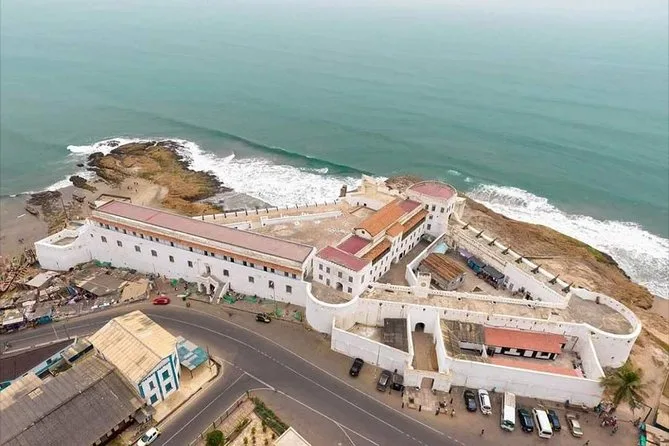
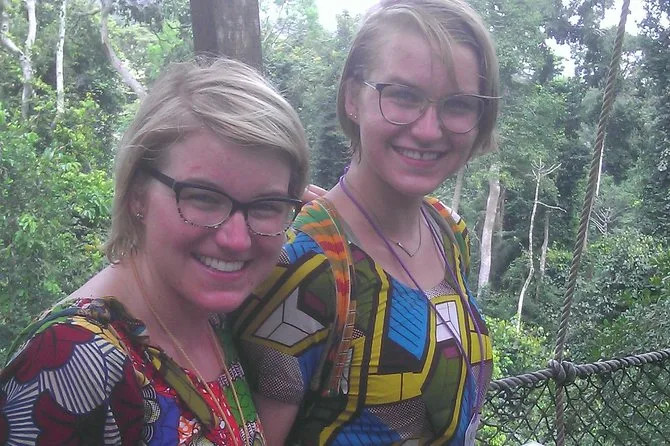
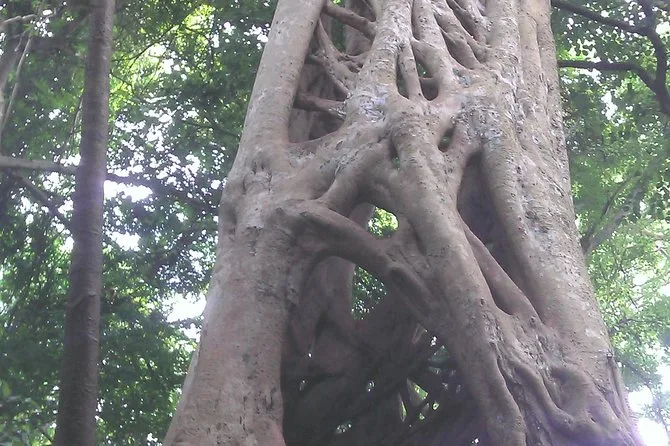
Cape Coast day started before sunrise—long drive but worth every minute once you see that white-washed castle against the sea. Walking through Cape Coast Castle’s dungeons is heavy; our guide didn’t sugarcoat anything about its role in slave trade history. Kakum National Park was lighter—a canopy walkway high above rainforest trees (don’t look down if you’re nervous). We spotted hornbills and heard monkeys calling somewhere deep in the green.
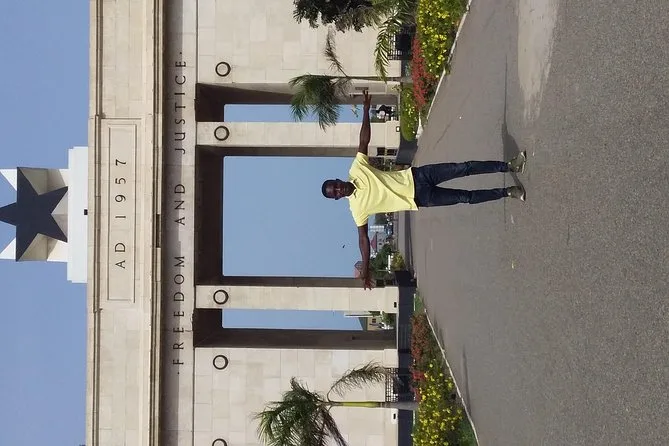
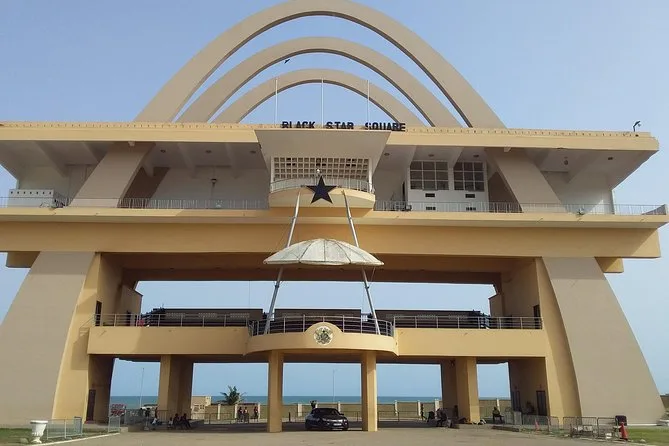
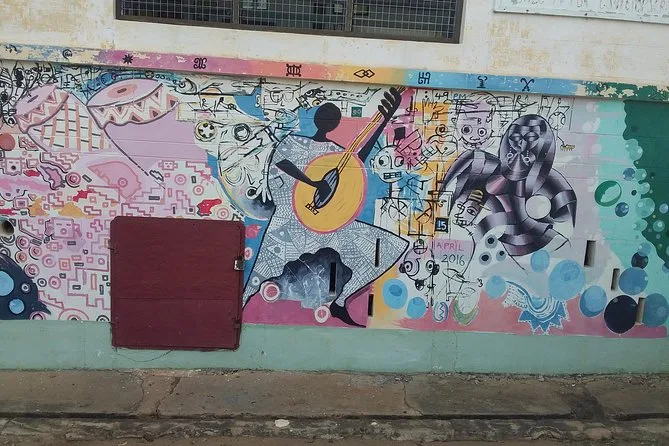
Back in Accra for our last day—Makola Market wakes up early with shouts from vendors selling everything from tomatoes to bright wax prints. Kwame Nkrumah Mausoleum is peaceful compared to the market chaos; fountains trickle nearby as school kids pose for photos by his statue. Independence Square is wide open under Ghana’s sun, while James Town has old colonial buildings mixed with murals and fishermen mending nets by the lighthouse. Before heading to the airport, I browsed art stalls for souvenirs—a carved mask now hangs on my wall back home.
 6d
6d

Step-by-step itinerary
Day 1 — Arrival and Accra Nightlife
- Airport pickup and hotel transfer
- Visit Osu Oxford Street nightlife
Day 2 — Ashanti Region and Kumasi
- Visit Manhyia Palace Museum
- Explore Kumasi Culture Centre
- Visit Bonwire Kente Weaving Village
Day 3 — Craft Villages and Monkey Sanctuary
- Visit Ntonso Adinkra Cloth Village
- Visit Ahwiaa Wood Carving Village
- Travel to Boabeng-Fiema Monkey Sanctuary
Day 4 — Monkey Sanctuary and Waterfalls
- Guided tour of monkey sanctuary
- Meet Monkey Priest
- Visit Kintampo Waterfalls
- Hike Tanoboase Sacred Grove and caves
Day 5 — Cape Coast and Kakum Park
- Travel to Cape Coast
- Visit Cape Coast Castle
- Walk Kakum National Park and canopy walkway
Day 6 — Accra Markets and Landmarks
- Visit Makola Market
- Visit Kwame Nkrumah Mausoleum
- Visit Independence Square
- Visit James Town and lighthouse
- Visit Art Center stalls
- Transfer to airport

Top questions

Is this tour suitable for travelers using wheelchairs?
Yes! All transportation options are wheelchair accessible and most sites are too—including hotels and main attractions.
Are meals included during this trip?
Dinner is included each day; breakfasts are available at hotels or guesthouses along the route.
How much walking or hiking should I expect?
You’ll do some walking at markets, museums, parks, and short hikes at Tanoboase Sacred Grove—but nothing too strenuous unless you want more adventure.
Can infants or small children join this tour?
Absolutely! Infants can ride in prams or strollers; specialized infant seats are available upon request.

What’s included
This trip covers dinner each day plus all air-conditioned vehicle transfers between destinations. Hotels range from mid-range to standard comfort levels—and yes, they’re wheelchair friendly! Guides are local experts who know their stuff (and love sharing stories). Public transport options are nearby if needed too.
 Super deal
  Free booking, free cancellation.
  Don't lose your place.


 Do you need help planning your next activity?
  +507 6792-0894


