
Omo Valley 8-Day Cultural Tour: Tribes, Markets & Local Ceremonies

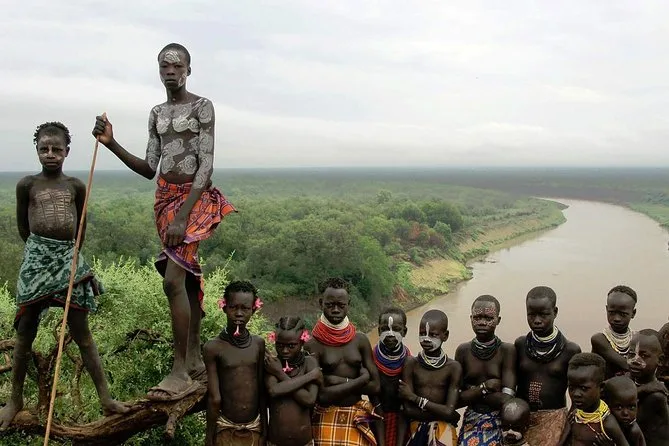
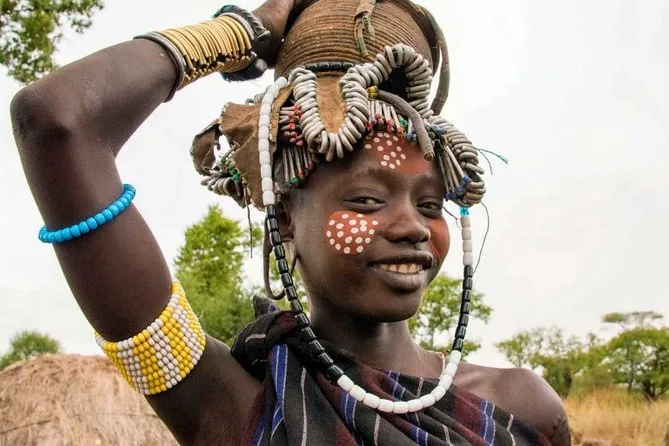

Discover Ethiopia’s Tribal Cultures & Hidden Villages in Omo Valley
You’ll travel deep into Ethiopia’s Omo Valley—meeting tribes like Hamer and Mursi, exploring lively markets, watching ancient ceremonies up close, and sharing meals with locals along the way. If you want real connection—not just sightseeing—this journey delivers memories that stick long after you’re home.
 8d
8d

Step-by-step itinerary
Day 1 — Addis Ababa to Hawassa
- Visit Tiya stelae field
- Visit Adadi Maryam Rock Hewn Church
- Visit Melka Kunture prehistoric site
Day 2 — Awassa and Dorze Village
- Visit Lake Awassa fish market
- Visit Dorze village and learn weaving
Day 3 — Arba Minch and Turmi
- Boat trip on Lake Chamo to see crocodiles and hippos
- Drive through Weyto Valley and visit Erbore village
- Arrive Turmi and watch Hamer night dancing
Day 4 — Turmi and Omorate
- Visit Dassenech tribe and cross Omo River; visit Hamer village and Bull-jumping ceremony
Day 5 — Turmi to Jinka
- Drive to Jinka via Dimeka market and Key Afer
Day 6 — Jinka and Mursi Tribe
- Drive through Mago National Park to Mursi village
- Visit South Omo Museum & Research Center
- Hike to local Ari village
Day 7 — Jinka to Arba Minch
- Visit Key Afar market and see Benna and Tsemai tribes
- Visit Konso village and cultural museum
Day 8 — Return to Addis Ababa
- Drive to Addis Ababa and attend farewell party

The Experience
We set out early from Addis Ababa, the city still waking up as we left behind its busy streets. The first real stop was Tiya—those ancient stelae rising quietly from the grass, each one marked with mysterious carvings. Our guide, Tesfaye, shared stories about their meaning while a breeze carried the scent of eucalyptus from nearby trees. Later, at Adadi Maryam Rock Hewn Church, I ducked inside the cool stone interior—candles flickered and someone was softly humming a hymn. By late afternoon, we reached Hawassa just as fishermen hauled in their catch by Lake Awassa’s edge.
The next morning started with a walk through the fish market—fresh tilapia everywhere and kids laughing as they chased stray cats. Heading up into Dorze country, the air got cooler and you could smell wood smoke drifting from those tall beehive houses. We watched women weaving cotton on old wooden looms; their hands moved so fast it was hard to keep up. Someone handed us a piece of fresh injera straight off the fire—it tasted slightly sour and warm.
Arba Minch brought a boat ride on Lake Chamo. Crocodiles lounged on muddy banks like they owned the place; hippos snorted nearby but kept their distance. Passing through Weyto and Erbore villages, we met Tsemai and Erbore people—kids waved shyly while elders watched us with quiet curiosity. That night in Turmi, drums echoed across the fields as Hamer youth danced under a sky full of stars—the “Evangadi” dance is something you feel more than see.
A day trip to Omorate meant crossing the Omo River by dugout canoe—water splashed over my shoes as we landed near the Dassenech village. Their homes were low and round, built from whatever materials were at hand. Back in Turmi, if you’re lucky with timing, you might witness a Hamer bull-jumping ceremony: families gather, women sing and clap encouragement, and a young man leaps across lined-up bulls to mark his passage into adulthood.
Market days in Dimeka or Key Afer are wild with color—Benna women in beaded necklaces bargaining for salt or coffee beans; Karo men showing off painted faces. In Jinka, we drove out early through Mago National Park (watch for baboons darting across the road) to meet the Mursi tribe—famous for their lip plates and elaborate body paint. The South Omo Museum back in town helped make sense of all these traditions; it’s worth an hour or two if you want context beyond what you see.
The last stretch took us through Konso country—terraced hillsides dotted with wooden waka statues honoring ancestors. Our guide explained how each carving tells a story about local heroes or family history. By journey’s end back in Addis Ababa, there was time for one last meal at a traditional restaurant: spicy doro wat stew, honey wine poured into tiny glasses, dancers swirling past our table until it was time to head for the airport.

What’s included
Your trip covers all ground transport in an air-conditioned vehicle (trust me—you’ll appreciate that on dusty roads), accommodation each night (hotels or lodges), guided visits to villages and markets, plus entry fees where needed. Specialized infant seats are available if traveling with young kids; just let us know ahead of time so we can prepare everything comfortably for your group.
Operated by Simien mountain ethiopia tours
Traveler reviews
Compare the 13 similar options
 Omo Valley 8-Day Cultural Tour: Tribes, Markets & Local Ceremonies★ 5.00 (2)8dEN · DE +3US$ 2,282
 Addis Ababa city tour: Lucy, Mount Entoto, Mercato & coffeeGuided tour of Addis Ababa with National Museum entry, Mount Entoto views, Mercato market walk and traditional Ethiopian lunch included.★ 4.98 (63)4h–6hENUS$ 56View ›
 Addis Ababa City Tour: Historic Sites & Local MarketsVisit Addis Ababa's Bata Mariam Church underground crypts, National Museum's Lucy fossil, Mount Entoto's palace, and Ethiopia's largest traditional market with a local guide.★ 4.94 (155)4h–8hEN · DE +3US$ 70View ›
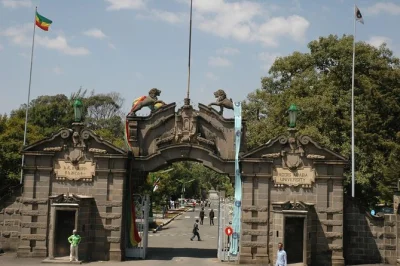 Addis Ababa: Private City Tour with Local Guide & Museum EntryExplore Addis Ababa’s museums, Entoto Mountain, and Merkato market on a private city tour with a local guide. Includes hotel pickup, entry fees, and flexible stops.★ 4.98 (61)6h–8hEN · DE +1US$ 99View ›
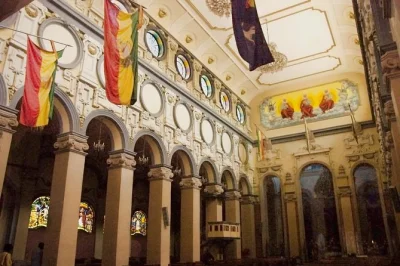 Addis Ababa Tour: Museum, Merkato & Mount EntotoFull-day Addis Ababa city tour with hotel pickup, National Museum entry, Merkato market and Mount Entoto views★ 4.91 (563)6h–7hENUS$ 70View ›
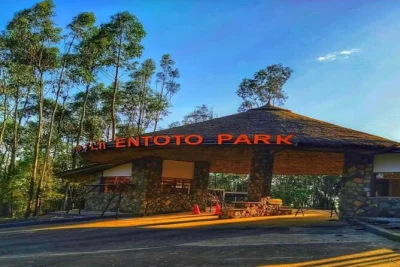 Addis Ababa: Entoto Hill & National Museum with Market TourFull-day Addis Ababa tour covering Mount Entoto, Menelik II Palace, National Museum with Lucy fossil, and Shiro Meda textile market. Includes pickup, lunch, and entry fees.★ 4.98 (164)4h–6hENUS$ 74View ›
 Addis Ababa city tour: Museums, market, Mount Entoto, coffeeGuided tour of Addis Ababa with your choice of National Museum, Mount Entoto viewpoint, Merkato market and traditional coffee tasting★ 4.94 (114)6hENUS$ 90View ›
 Addis Ababa: City Highlights Tour with Merkato & CoffeeFeel the pulse of Addis Ababa—explore Merkato, Entoto Mountain views, historic cathedrals, and end with Ethiopian coffee. Includes pickup and local guide.★ 4.96 (84)4h–5hENUS$ 55View ›
 Addis Ababa Private City Tour: Cathedral, Lucy & Entoto ParkPrivate full-day tour of Addis Ababa with guide, driver, and airport pickup. Visit Holy Trinity Cathedral where Emperor Haile Selassie is buried★ 4.97 (299)6h–8hENUS$ 75View ›
 Addis Ababa City Tour: Museums, Markets & Monuments with PickupFull-day Addis Ababa tour with hotel pickup visiting the National Museum, Merkato market, and historical monuments with an English, Spanish★ 5.00 (60)3h–8hEN · DE +3US$ 99View ›
 Addis Ababa City Tour: Museum & Merkato with PickupFull-day Addis Ababa tour with hotel pickup, visiting the National Museum to see Lucy's remains, Merkato market, and St. George Cathedral★ 4.73 (15)3h–8hEN · DE +3US$ 99View ›
 3-Day Awash National Park Safari: Game Drives & Hot SpringsThree-day safari through Awash National Park and Alidegy Wildlife Reserve with game drives, hot springs at Doho, and expert guidance from Addis Ababa.★ 4.50 (2)2dEN · DE +3US$ 700View ›
 Addis Ababa Walking Tour: Local Markets, Coffee & MuseumExplore Addis Ababa on foot with a local guide—visit Merkato market, taste Ethiopian coffee, see the National Museum, and end at Meskel Square. Includes coffee stop.★ 5.00 (29)6h 30mENUS$ 70View ›
Top questions
Is this tour suitable for children?
This tour involves some long drives and basic conditions in remote areas—it’s best for older kids who enjoy adventure and can handle new experiences.
Will I get to see a bull-jumping ceremony?
Bull-jumping is seasonal and depends on local events; your guide will do their best to arrange it if possible during your visit.
What should I pack?
Bring light clothes for hot days, something warmer for cool evenings in highlands like Dorze, sturdy shoes for walking, sun protection, and insect repellent.
Are meals included?
Most breakfasts are included at hotels/lodges; other meals are usually available at local restaurants or arranged by your guide along the route.
Omo Valley 8-Day Cultural Tour: Tribes, Markets & Local Ceremonies
8d · EN · DE +3 · at your hotel
from US$ 2,282 per person
★★★★★★★★★★5.002 reviewsVerified traveler reviews via our booking provider
