
Omo Valley 3-Day Tour: Mursi, Hamer & Karo Tribes from Addis


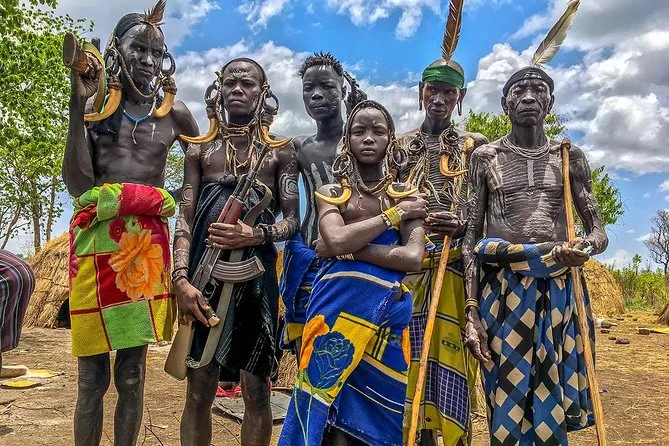


Discover Authentic Tribal Life in Ethiopia’s Omo Valley
You’ll meet three unique tribes—Mursi, Hamer, and Karo—in just three days. If you want real encounters and stories you can’t find online, this Omo Valley tour is for you.
 3d
3d

Step-by-step itinerary
Day 1 — Arrival and Jinka Visit
- Flight ET171 arrival to Jinka, lunch, visit Jinka Museum and Ari Village
Day 2 — Mursi and Hamer Tribes
- Drive to Mursi Village, visit Mursi tribe
- Drive to Turmi, visit Hamer tribe
Day 3 — Karo Village and Return
- Drive to Karo village, visit Karo tribe
- Return to Jinka for lunch, drive to airport, flight ET171 to Addis Ababa

The Experience
Landing in Jinka just after lunch, the air felt thick and a bit sweet—almost earthy. Our guide, Dawit, was waiting right outside the tiny airport, waving like he’d known us for years. After a quick stop at a roadside café (the coffee here is strong and smoky), we headed to the Jinka Museum. It’s small but packed with stories—old tools, beadwork, even a faded photo of an Ari elder from decades ago. Later, walking through Ari Village, kids ran up to us giggling and showing off their handmade bracelets. The late afternoon sun made everything glow orange. I remember the smell of woodsmoke drifting from one of the huts as we left for our guesthouse.
The next morning started early—before sunrise. The drive out to Mursi Village was bumpy; dust kicked up behind our van and goats wandered across the road like they owned it. Meeting the Mursi women was something I’ll never forget. Their lip plates are real—bigger than I expected—and they laughed when I tried to ask about them in broken Amharic. Our guide explained how these traditions go back generations. After lunch (simple injera and spicy lentils at a local spot), we continued south to Turmi. The Hamer tribe welcomed us with music and dancing. Women wore layers of beads and heavy iron necklaces that clinked when they moved. One of the elders let me try on a necklace—it was heavier than it looked. We spent the night at Turmi Lodge; you could hear distant drumming late into the night.
On our last day, we set out early for the Karo village. The Omo River shimmered in the morning light—there were dragonflies everywhere. The Karo people were painting each other’s faces with chalk and ochre; some of the designs were so intricate I had to ask how long it took (sometimes hours). Our guide told us there are only about 1,500 Karo left. After snapping a few photos (always ask first), we drove back to Jinka for an early lunch—fresh mango juice and fried bread at a tiny café near the market. Then it was back to the airport for our flight to Addis. The whole trip felt like stepping into another world—one where time moves slower and every moment feels new.

What’s included
- Your tour covers local guides who really know these communities, all ground transport in an air-conditioned vehicle, domestic flights between Addis and Jinka, plus lunches at authentic spots along the way.
- Wheelchair access is available throughout.
- Just let us know if you have special requests—we’re happy to help.
Operated by Ethio Travel And Tours
Traveler reviews
Compare the 13 similar options
 Omo Valley 3-Day Tour: Mursi, Hamer & Karo Tribes from Addis★ 4.72 (25)3dENUS$ 800
 Full-Day Private City Tour of Addis Ababa: Lucy & Mount EntotoPrivate full-day tour of Addis Ababa with expert guide, hotel or airport pickup, and home-cooked Ethiopian meals—see Lucy's fossil at the National Museum★ 4.91 (198)7h–9hEN · DE +2US$ 160per groupView ›
 Addis Ababa to Debre Libanos & Portuguese Bridge Day TripFeel the countryside air on a day trip from Addis Ababa to Debre Libanos, explore the monastery, walk the old Portuguese Bridge, and spot wild Gelada baboons—includes pickup.★ 4.59 (79)6h–8hENUS$ 70View ›
 Addis Ababa city tour: Lucy, Mount Entoto, Mercato & coffeeGuided tour of Addis Ababa with National Museum entry, Mount Entoto views, Mercato market walk and traditional Ethiopian lunch included.★ 4.98 (63)4h–6hENUS$ 56View ›
 Addis Ababa City Tour: Historic Sites & Local MarketsVisit Addis Ababa's Bata Mariam Church underground crypts, National Museum's Lucy fossil, Mount Entoto's palace, and Ethiopia's largest traditional market with a local guide.★ 4.94 (155)4h–8hEN · DE +3US$ 70View ›
 Addis Ababa Tour: Museum, Merkato & Mount EntotoFull-day Addis Ababa city tour with hotel pickup, National Museum entry, Merkato market and Mount Entoto views★ 4.91 (563)6h–7hENUS$ 70View ›
 Addis Ababa: City Tour with Lucy Museum & Merkato MarketSeven-hour guided tour of the National Museum (Lucy fossil), Ethnological Museum, Merkato market, and Entoto Maryam Church with hotel pickup and English-speaking guide.★ 4.94 (264)6h–7hENUS$ 60View ›
 Addis Ababa city tour: Museums, market, Mount Entoto, coffeeGuided tour of Addis Ababa with your choice of National Museum, Mount Entoto viewpoint, Merkato market and traditional coffee tasting★ 4.94 (114)6hENUS$ 90View ›
 Debre Libanos & Blue Nile Gorge tour from Addis AbabaDrive through Ethiopian highlands to Debre Libanos Monastery, cross the Portuguese Bridge, descend into the Blue Nile Gorge★ 4.74 (292)7h–8hEN · IT +2US$ 110View ›
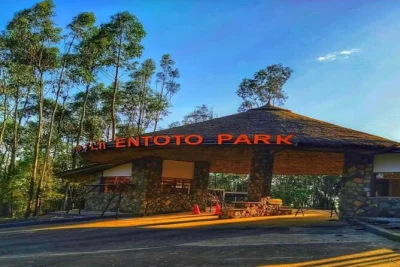 Addis Ababa: Entoto Hill & National Museum with Market TourFull-day Addis Ababa tour covering Mount Entoto, Menelik II Palace, National Museum with Lucy fossil, and Shiro Meda textile market. Includes pickup, lunch, and entry fees.★ 4.98 (164)4h–6hENUS$ 74View ›
 Addis Ababa to Debre Libanos Monastery Day Trip: See the Portuguese BridgeVisit Debre Libanos Monastery, a 13th-century spiritual site near Addis Ababa, with stops at the Portuguese Bridge and Jemma River Gorge on this full-day guided tour.★ 4.92 (355)8h–9hENUS$ 100View ›
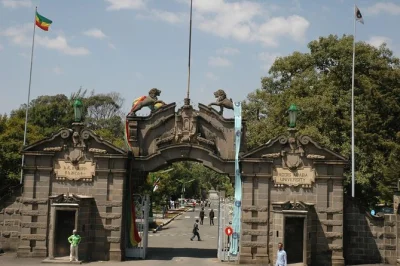 Addis Ababa: Private City Tour with Local Guide & Museum EntryExplore Addis Ababa’s museums, Entoto Mountain, and Merkato market on a private city tour with a local guide. Includes hotel pickup, entry fees, and flexible stops.★ 4.98 (61)6h–8hEN · DE +1US$ 99View ›
 Addis Ababa: City Highlights Tour with Merkato & CoffeeFeel the pulse of Addis Ababa—explore Merkato, Entoto Mountain views, historic cathedrals, and end with Ethiopian coffee. Includes pickup and local guide.★ 4.96 (84)4h–5hENUS$ 55View ›
Top questions
Is this tour suitable for travelers with limited mobility?
Yes, vehicles and most stops are wheelchair accessible. Let us know your needs so we can help make your experience smooth.
What should I bring for visiting the villages?
Bring sunscreen, a hat, light clothes for hot days, and respectful clothing for village visits. A camera is fine—just ask before taking photos.
Are meals included during the tour?
Lunches are included at local cafés or lodges. You’ll get to try traditional Ethiopian dishes like injera and lentils.
How much interaction will we have with local tribes?
You’ll meet tribe members directly—with guidance from our local experts who help translate and explain customs along the way.
Omo Valley 3-Day Tour: Mursi, Hamer & Karo Tribes from Addis
3d · EN · at your hotel
from US$ 800 per person
★★★★★★★★★★4.7225 reviewsVerified traveler reviews via our booking provider
