

 +507 6792-0894


Lalibela Rock-Hewn Churches & Yemrehane Kirstos Cave Tour
 12h–1d
 4.95
(20 reviews)
4.95
(20 reviews)




Summary
Private Guided Tour: Lalibela Churches & Ethiopian Coffee Ritual
You’ll walk through ancient rock churches still alive with worship, see hidden cave paintings at Yemrehane Kirstos, and share real moments with locals—including an unforgettable coffee ceremony in someone’s home.

The first thing that hit me stepping out of the tiny Lalibela airport was the cool, dry air—almost dusty, with a faint scent of eucalyptus. Our driver was waiting, grinning, and we set off right away. The road wound through hills dotted with tukuls and kids waving at our van. It’s only about half an hour to town, but I kept craning my neck for glimpses of those famous red cliffs.
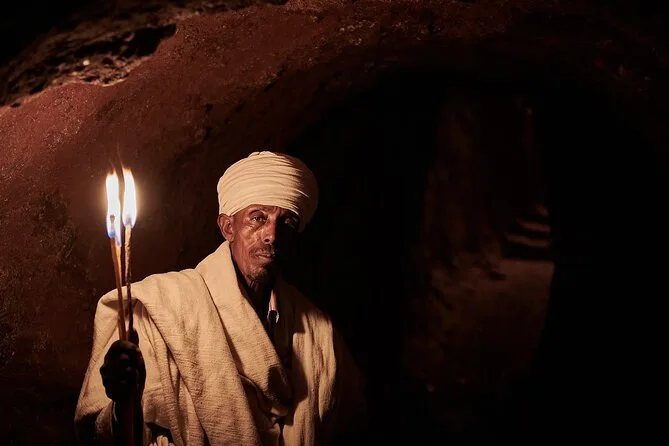
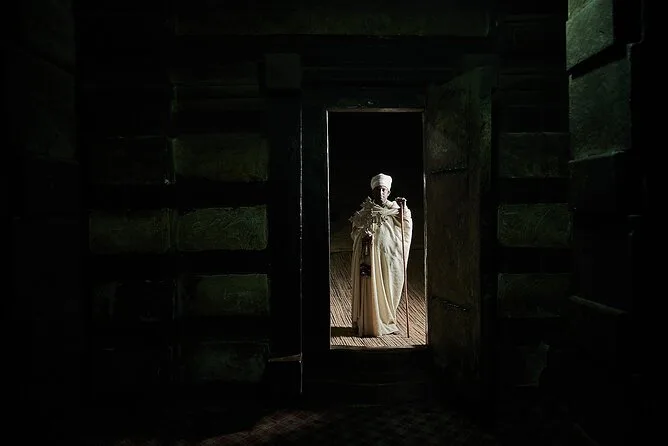
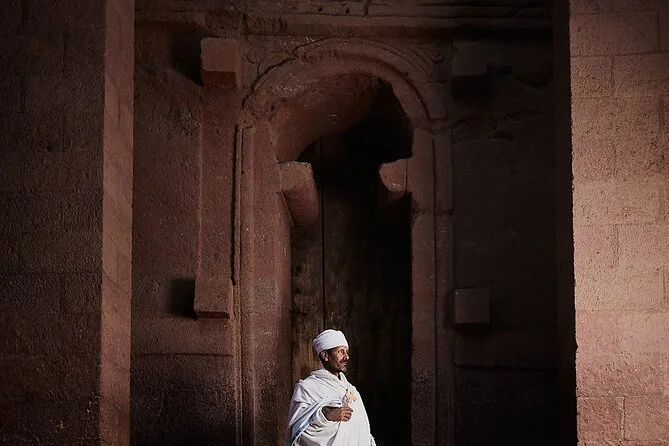
After a quick lunch (injera and shiro—can’t go wrong), our guide led us straight to the heart of Lalibela. There’s no way to prepare for seeing these rock-hewn churches up close. Bet Medhane Alem felt massive inside, almost echoey even when it’s full of people. Our guide pointed out little details: centuries-old crosses carved into the walls, priests in white robes moving quietly between shadows. Bet Maryam had this sweet smell—incense mixed with earth—and I caught snippets of chanting from somewhere deeper inside.
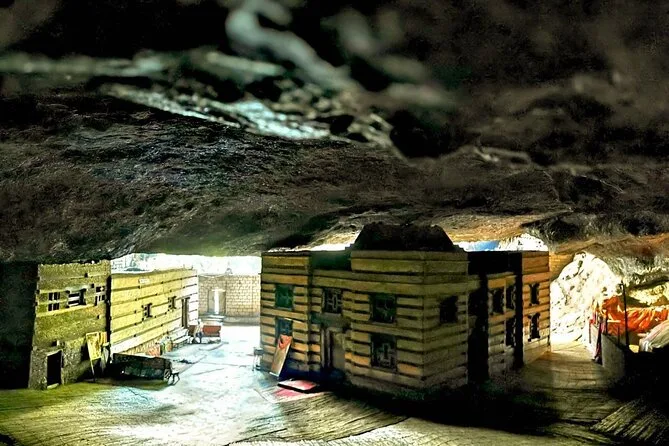
The next morning started early with a drive north to Yemrehane Kirstos. The road gets bumpy here; we passed farmers leading donkeys and women carrying bundles on their backs. The cave church itself is tucked under a cliff, cool and damp compared to Lalibela’s dust. Inside, faded paintings peek out from the stone walls—our guide explained some are over 900 years old. It was quiet except for water dripping somewhere in the dark.
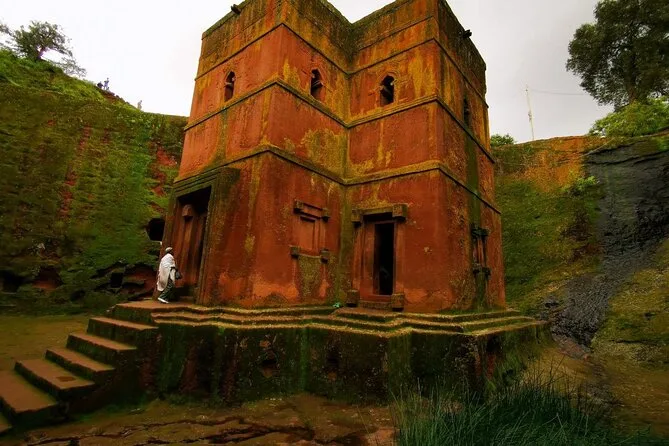
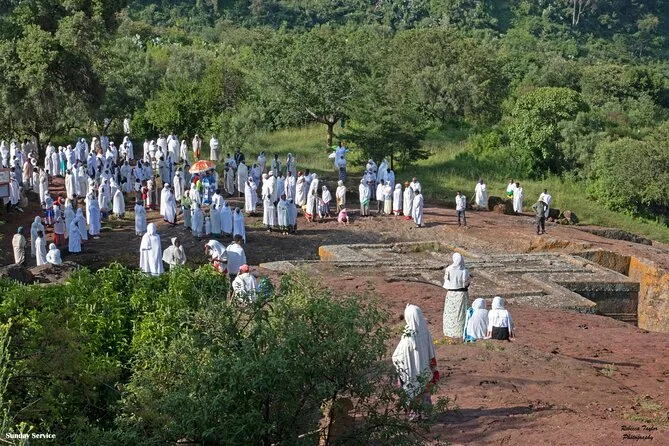
Back in town after lunch, we visited another cluster of churches—Bete Gabriel-Rufael felt like a maze, while Bete Giyorgis (St George) really does look like a cross from above. Locals say it’s the highlight for good reason; I just stood there for ages trying to take it all in.
Before heading back to the airport, we joined an early morning service at Bet Medhane Alem. The place was packed—locals singing softly, candles flickering everywhere. Later that morning, my host invited us into her home for coffee. She roasted beans over hot coals right in front of us—the smell fills every corner—and poured three tiny cups each (it’s bad luck not to finish). That moment felt as much a part of Ethiopia as any church or mountain view.
12h–1d

Step-by-step itinerary
Day 1 — Explore Lalibela Rock-Hewn Churches
- Visit Bet-Medhalealem, Bet-Maryam, Bet-Meskel, Bet-Denagle, Bet-Mikael & Golgotha churches
Day 2 — Yemrehane Kirstos & Second Church Group
- Visit Yemrehane Kirstos Cave Church and see ancient paintings
- Visit Bete Gebriel, Rafael, Bete Emanuel, Bete Aba Libanos, and St George churches
Day 3 — Attend Church Service & Departure
- Attend church service in Lalibela
- Drive back to Lalibela airport

Top questions

Is this tour suitable for people who use wheelchairs?
Yes—all sites and vehicles are wheelchair accessible, including pathways inside most churches.
Can I attend an actual church service during the tour?
Absolutely! We join a real service at Bet Medhane Alem so you can experience local worship firsthand.
Are meals included? What if I’m vegetarian?
Lunch isn’t included but there are plenty of options nearby; let us know if you’re vegetarian—we’ll help you find something tasty!
How far is Yemrehane Kirstos from Lalibela?
It’s about 45km north—a scenic drive that takes around 90 minutes each way depending on road conditions.

What’s included
Your private English-speaking guide will lead every step—from airport pickup to each church visit and back again. You’ll travel in an air-conditioned vehicle and get special access to an early morning church service plus a traditional Ethiopian coffee ceremony hosted by a local family. Wheelchair users and families with small children are welcome; just let us know your needs ahead of time so we can make sure everything goes smoothly.
 Super deal
  Free booking, free cancellation.
  Don't lose your place.


 Do you need help planning your next activity?
  +507 6792-0894


