

 +507 6792-0894


5-Day Ethiopia Tour: Lalibela, Axum & Danakil Depression Adventure


Summary
Discover Ethiopia’s Ancient Sites & the Danakil Depression
You’ll walk through ancient rock churches in Lalibela, stand beside Axum’s obelisks, trek up Erta Ale volcano by starlight, and watch salt caravans cross Dallol’s colorful flats—all with local guides who know every shortcut and story.

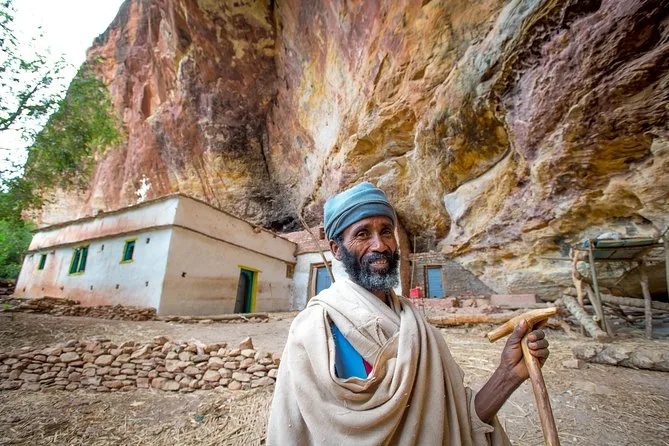
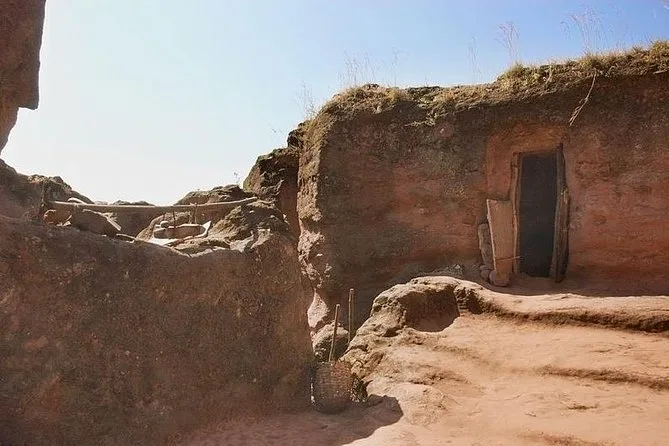
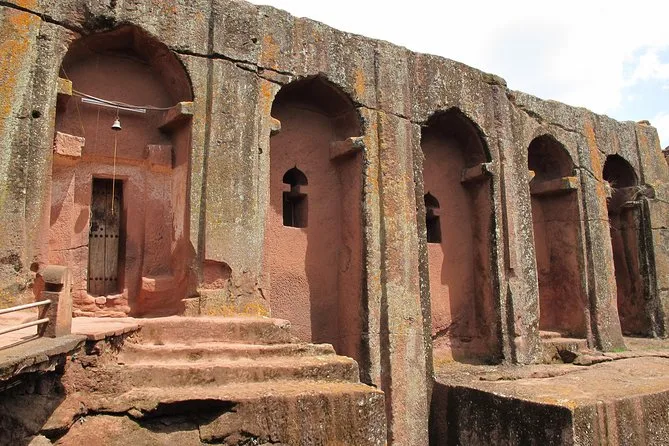
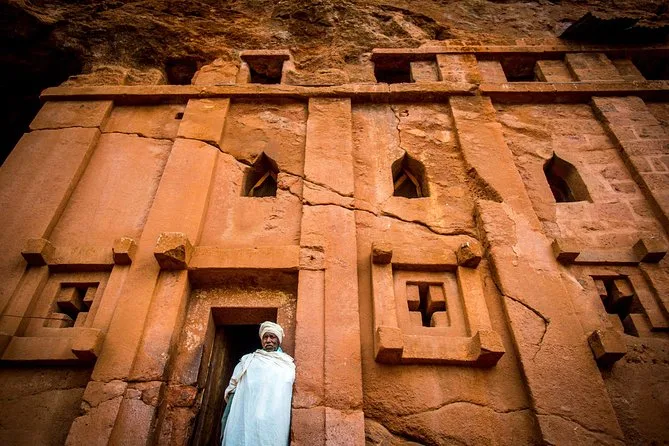
Landing in Lalibela, the air felt cooler than I expected for northern Ethiopia. Our guide met us right at the airport—he knew every shortcut through town, so we reached our lodge before lunch. The afternoon was all about exploring the famous rock-hewn churches. I remember ducking into Bet Medhane Alem; the scent of incense hung in the air and you could hear soft chanting from a nearby priest. There are eleven churches here, all carved from solid stone, grouped around a little stream locals call the Jordan River. It’s easy to lose track of time wandering between them, each one a bit different in shape and story.
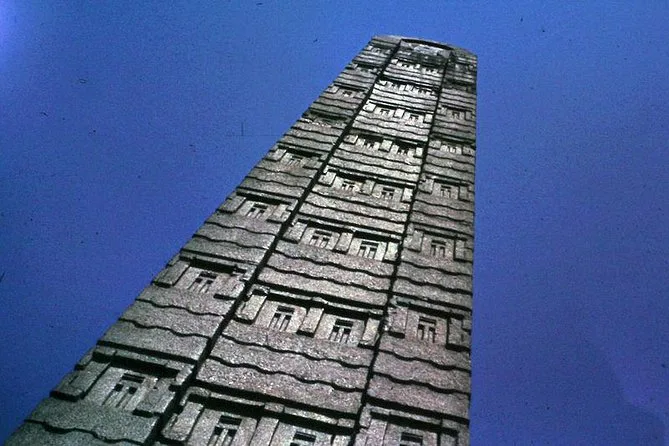
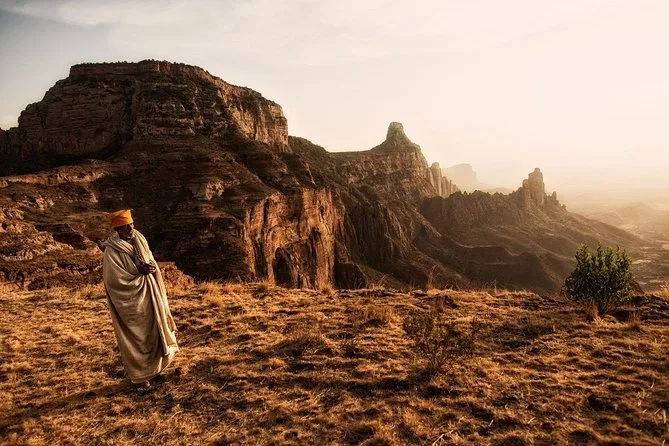
The next morning, we caught an early flight to Axum. The city feels ancient—obelisk shadows stretch across quiet streets. We only had a short stop here before heading out by road towards Hawzien. The drive took us past Adwa’s rugged hills and into the Gheralta plains. You’ll spot small herds of goats along the roadside and kids waving as you pass by. Hawzien is pretty quiet at night; I grabbed a coffee at a tiny café near Vision Hotel before turning in.
Day three started with a long drive to Erta Ale volcano via Mekele—locals call it “smoky mountain.” The road gets rough after Mekele; it’s mostly black lava fields with barely any shade except for a few palm oases. We stopped once to buy bottled water from a boy selling it out of a blue cooler strapped to his bike. By late afternoon, we reached Dodom camp. Dinner was simple—injera with lentils—and then we set off on foot under a sky full of stars, camels carrying our gear up to Erta Ale’s rim. Standing at the edge of that lava lake, you can actually feel heat on your face and hear the bubbling below.
Sunrise at Erta Ale is something else—the light hits the crater walls just right and you see colors you don’t expect from volcanic rock. After breakfast back at Dodom camp (mostly bread and strong tea), we drove towards Lake Afrera, though sometimes it’s closed off in summer when water levels rise. Salt flats stretch for miles here; Afar people work quietly, scraping salt into neat piles under the sun. We continued on to Abaala for another night under canvas.
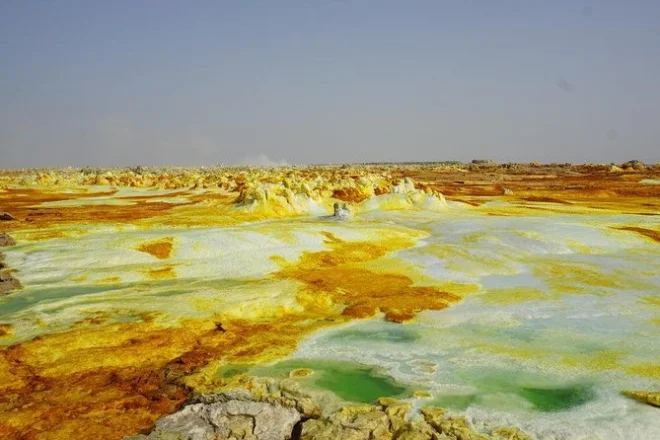
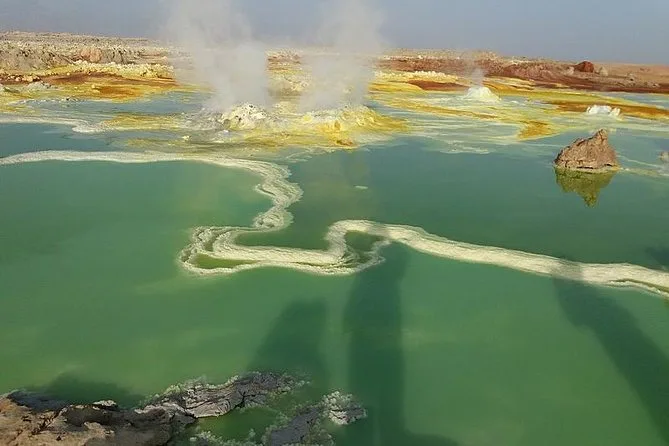
The last day took us to Ragad where salt miners chip away at the ground with metal bars, cutting blocks that get loaded onto camel caravans headed north. Dallol is wild—patches of yellow, green, and white minerals cover everything, and there’s this faint smell of sulfur in the air. If you’re lucky, you’ll catch a line of camels moving slowly across the flats, led by Afar herders wrapped in bright scarves. By evening, we were back in Mekele for our flight to Addis—tired but honestly amazed by how much ground we’d covered in just five days.
 5d
5d

Step-by-step itinerary
Day 1 — Addis Ababa to Lalibela
- Fly to Lalibela and visit Rock-Hewn Churches
Day 2 — Lalibela to Axum and Hawzien
- Fly to Axum and visit city
- Drive Axum to Hawzien via Adwa
Day 3 — Hawzien to Danakil via Mekele
- Drive to Dodom base of Erta Ale
- Trek to Erta Ale volcano rim
Day 4 — Erta Ale and Lake Giulietti
- Sunrise at Erta Ale pits and crater
- Drive to Lake Giulietti and salt flats visit
Day 5 — Danakil salt mines and Dallol
- Visit salt mining, Dallol, Lake Assal, camel caravans

Top questions

Is this Ethiopia tour suitable for families?
Yes, families are welcome! Kids can join most activities, but some parts—like trekking up Erta Ale—can be tough for young children or those not used to heat and rough paths.
What should I pack for Danakil?
Bring light clothes for hot days, sturdy shoes for rocky ground, sun protection (hat, sunglasses), and something warm for nights at Erta Ale—it gets chilly up there.
Are meals included?
Most meals are included—expect local dishes like injera and lentils, plus bottled water during drives and treks.
Is this trip wheelchair accessible?
We do our best to accommodate everyone—vehicles and many areas are accessible, but some sites (like church interiors or Erta Ale trek) may be challenging for wheelchairs.

What’s included
This trip covers domestic flights within Ethiopia, all ground transport by 4WD Land Cruiser (with experienced drivers), fuel costs, local guides who really know their stuff, most meals (local style), camping gear for Erta Ale nights, and comfortable hotels or lodges where possible. We also make sure there’s bottled water on hand during drives and treks.
 Super deal
  Free booking, free cancellation.
  Don't lose your place.


 Do you need help planning your next activity?
  +507 6792-0894


