

 +507 6792-0894


Liverpool: Walk Slave Trade Streets & Old Docks History Tour



Summary
Walk Liverpool’s slave trade past with local stories & dock visits
You’ll walk Liverpool’s oldest streets with a local guide who doesn’t shy away from tough truths. See where slave traders did business, step inside an 18th-century pub, visit historic docks built from castle stones, and end by the International Slavery Museum. This tour leaves you thinking — not just sightseeing.

"That pub’s older than the United States," our guide said, grinning as we ducked under a low wooden beam on Castle Street. I’d never really thought about how much of Liverpool’s wealth was built right here — on these cobbles, in these grand old banks. The air smelled faintly of rain and something sweet from a bakery nearby, but it was the stories that stuck with me. We stopped outside the Bank of England building (the only one outside London, apparently), and I tried to picture the city as it was: loud, busy, and honestly, pretty ruthless.
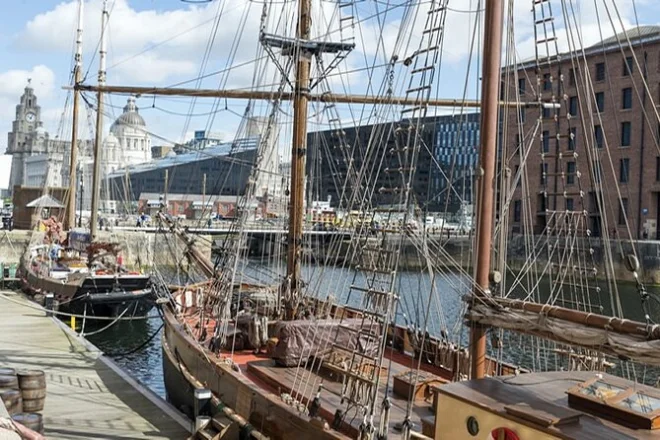
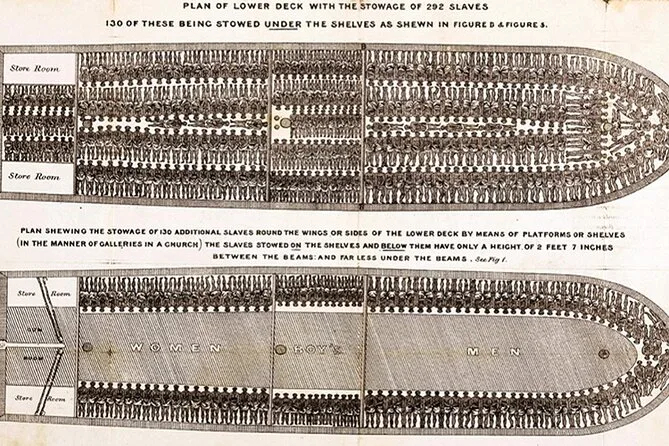
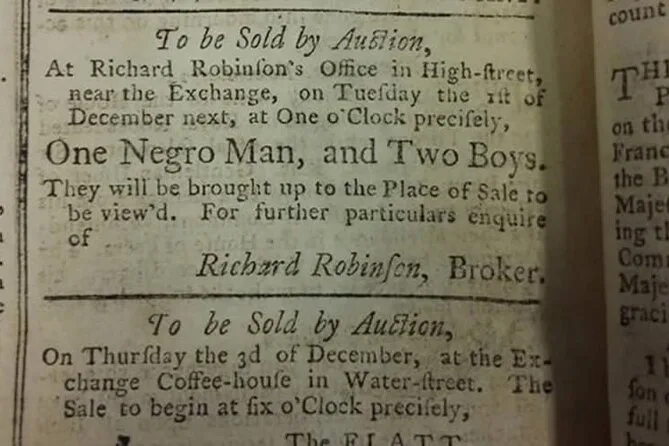
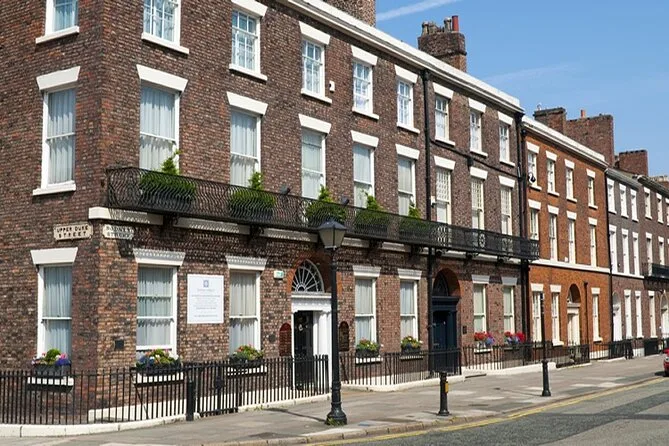
Our guide — Paul, born-and-bred Scouser — didn’t sugarcoat anything. He pointed out where slaves were once sold in broad daylight. There was this moment when he showed us an old newspaper advert for a sale; I felt a weird chill even though it wasn’t cold. We wandered through Rumford Place too, where Confederate spies used to meet during the American Civil War (that part surprised me). The tour kept looping back to the docks — Salthouse and Canning Docks — where you could still feel the grit under your shoes. It’s wild to think those stones came from Liverpool Castle itself.
I liked that we weren’t just ticking off sights; we actually stepped into a pub from 1726 (I ordered something local — not sure what it was but it tasted strong). Paul told us about Sir Alfred Jones and his shipping empire, and how some fortunes ended up funding things like the School of Tropical Medicine. There were moments of silence too — especially at the Nelson Monument — where you just kind of stood there and let it sink in.
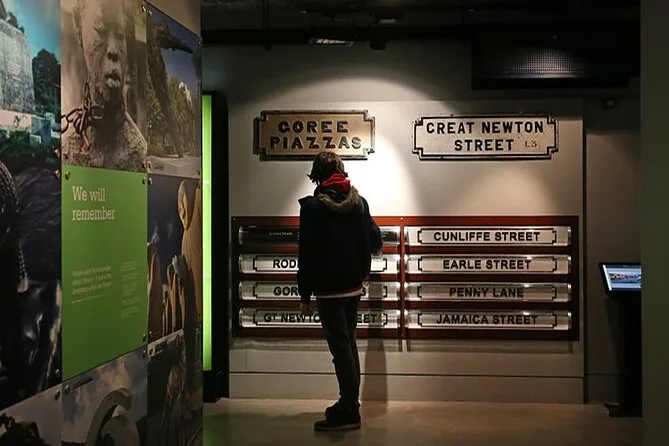
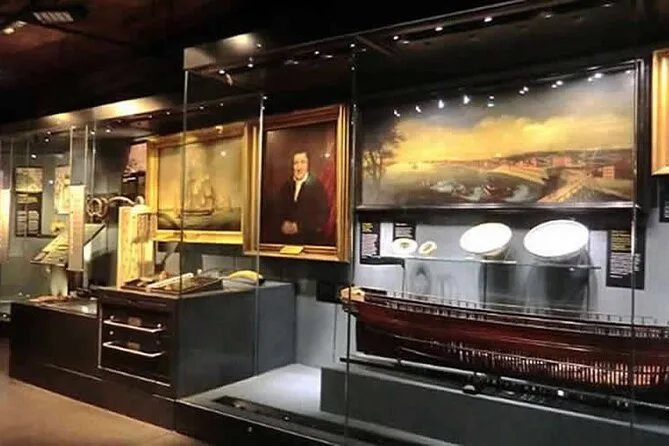
We finished near the Merseyside Maritime Museum. You can visit the International Slavery Museum for free after (I did, and honestly needed some time to process). Walking those narrow streets with someone who knows every corner made Liverpool’s history feel uncomfortably close. I still think about that view down Exchange Flags at dusk — all those layers of stories under your feet.
 2h
2h

Step-by-step itinerary
Day 1 — Explore Liverpool's slavery and trade history
- Visit church of slave traders
- Learn about William Brown's banking
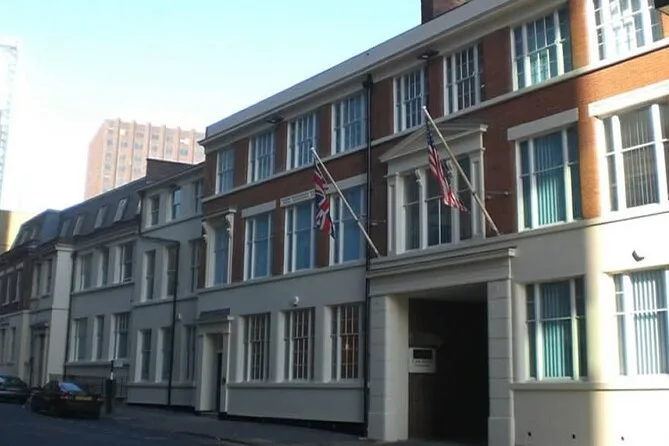
- Visit Rumford Place and Confederate Embassy
- Discover Liverpool's cotton trading
- See original Exchange and Nelson Monument
- Learn about Sir Alfred Jones' wealth
- Visit 18th-19th century banking sector
- Walk Liverpool's 18th century streets and pub
- Learn about Castle Street buildings
- Visit Liverpool Castle site and St George's Church
- See Mansion House of Lord Mayor
- Visit original graving docks
- Pass by Merseyside Maritime Museum
- See Salthouse and Canning Docks
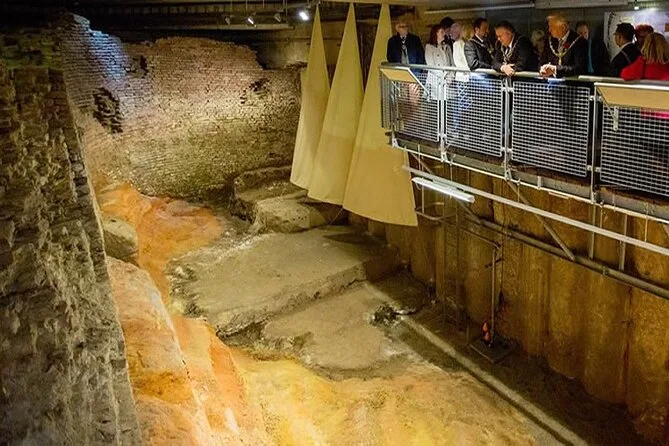
- See Liverpool's Old Dock site
- Walk Victorian back streets and see slave house sculpture

Top questions

Is this Liverpool slavery walking tour wheelchair accessible?
Yes, the tour is wheelchair accessible and transportation options are also accessible.
Does this tour include entry to the International Slavery Museum?
The tour ends near the Merseyside Maritime Museum, which houses the International Slavery Museum. Entry is free after your tour.
How long does the walking tour last?
The exact duration isn’t specified but covers several key sites around central Liverpool on foot.
Are children or infants allowed on this tour?
Yes, infants and small children can join in a pram or stroller.
What are some highlights of this Liverpool slavery history tour?
You’ll see original banking houses, old docks built from castle stones, Castle Street landmarks, and an 18th-century pub linked to early slave traders.
Is public transportation available nearby?
Yes, there are public transportation options close to the meeting point and along the route.
Do I need to book for at least two people?
Yes, there is a minimum booking requirement for two people.

What’s included
Your day includes all fees and taxes as you explore with a knowledgeable local guide through Liverpool’s historic streets and docks; you’ll also have time to visit the International Slavery Museum at no extra cost after your walk ends nearby.
 Super deal
  Free booking, free cancellation.
  Don't lose your place.


 Do you need help planning your next activity?
  +507 6792-0894


