

 +507 6792-0894


Quito: Food & Culture Walking Tour with Tastings & Canelazo


Summary
Quito’s flavors, stories, and laughter on a city walk with tastings
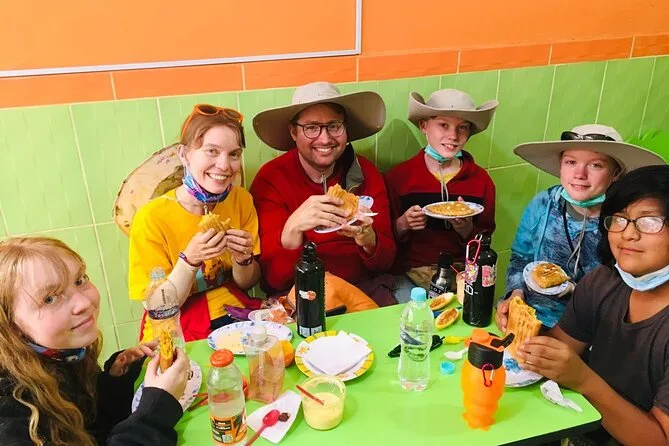
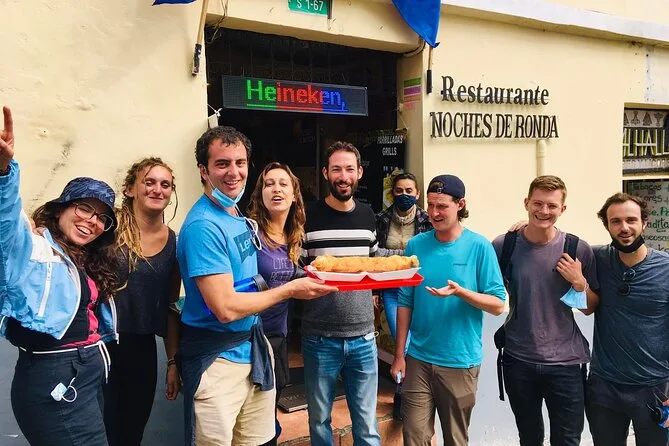
You’ll wander Quito’s historic streets with a local guide who knows every shortcut and story, tasting everything from sweet “dog poop” snacks to warm empanadas and rich Ecuadorian chocolate. Try canelazo as dusk falls by San Francisco Church — it’s not just about food, but feeling part of the city for an afternoon.

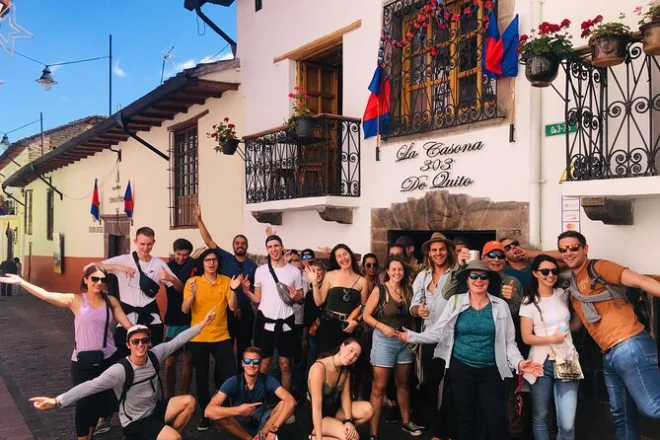
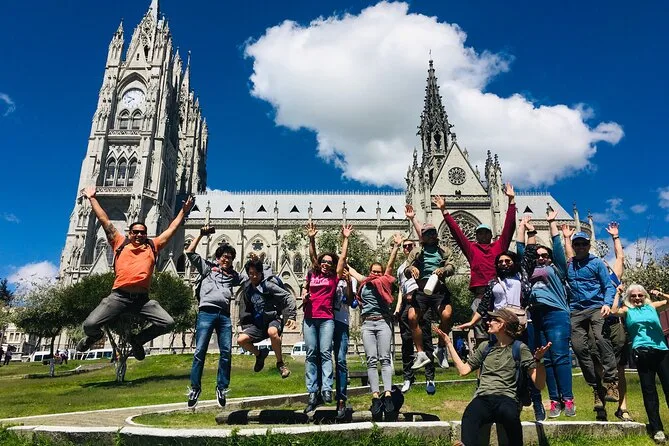
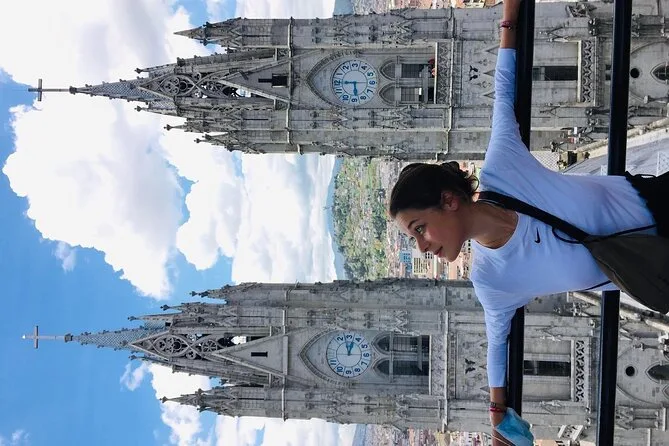
It started with our guide, Daniel, waving at us from under the basilica’s spires — he had this easy smile that made me feel like we’d known each other for ages. “You ready to climb?” he asked, and honestly, I wasn’t sure. The steps up La Basílica del Voto Nacional were steeper than I expected (my legs still remember), but the view over Quito was worth every breath. The city looked endless in the morning haze, all those tiled roofs and distant green hills. Daniel pointed out where the old town ended and newer neighborhoods began — I liked how he slipped little stories in between facts.
We ducked into an art gallery next (it was open that day — apparently it’s a bit of luck), where a woman explained some wild indigenous masks. She let me try one on; it smelled faintly of wood and paint. After that came a tiny craft shop crowded with snacks I’d never heard of — Daniel handed me something called “dog poop” (don’t panic, it’s just roasted corn with sugar). Crunchy and sweet, actually pretty good. We toasted with a shot of local liquor (I coughed; everyone laughed) and then someone put on music and we all tried on “diablo huma” masks. I probably looked ridiculous but nobody cared.
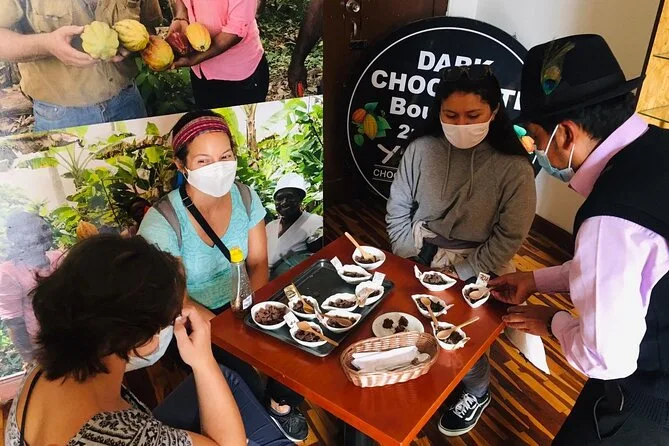
I lost track of time wandering through Plaza de la Independencia — there was this old man selling humitas who nodded at us as if we were locals too. The air smelled like sweet corn and coffee from somewhere nearby. Daniel explained why Ecuador uses the dollar now (it’s a wild story), then led us to taste empanadas in the Archbishop’s Palace courtyard — warm pastry, flaky on my fingers, filling soft inside. There was chocolate tasting later too; I still think about that first bite of dark Ecuadorian chocolate melting slow on my tongue.
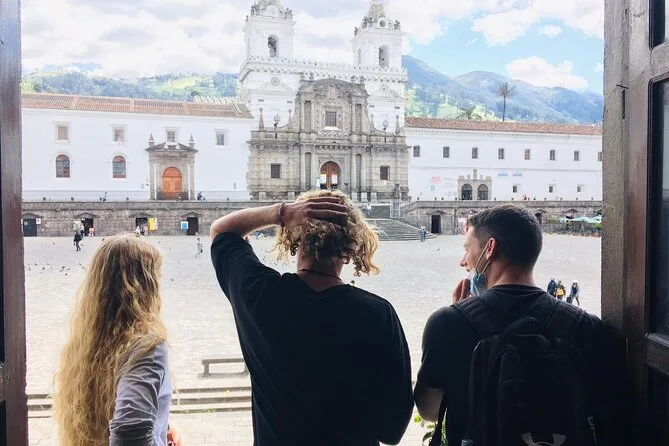
We ended near San Francisco Church as dusk crept in, sipping canelazo from steaming cups while street musicians played something mournful but beautiful. Daniel handed out little souvenirs — mine is tucked in my bag now — and said if you didn’t try canelazo in Quito, you hadn’t really been here. I kind of believe him.
 3h 30m

Step-by-step itinerary
Day 1 — Quito cultural and gastronomic walking tour
- Visit Basilica of the National Vow towers
- Explore art gallery of indigenous stories
- Taste local snacks and dance with masks
- Try a special local sandwich
- Taste unique sweets like miscellas
- Photograph colonial house and taste empanadas
- Learn history at Independence Plaza
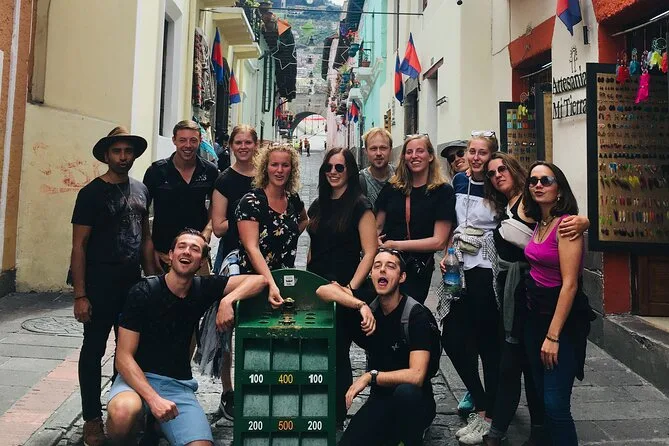
- Walk through historic tourist street
- See Church of the Society of Jesus facade
- Stop outside Old Central Bank of Ecuador
- Buy vegetarian or vegan humitas and quimbolitos
- Visit San Francisco Church and largest convent
- Enjoy Ecuadorian chocolate tasting
- Drink famous canelazo local beverage
- Finish tour with view of San Francisco Church and receive souvenir

Top questions

How long does the Quito food tour last?
The tour typically lasts half a day as you walk through central Quito with several stops for tastings and cultural visits.
Are vegetarian or vegan options available?
Yes, vegetarian or vegan options are available for empanadas, sandwiches, humitas, and quimbolitos during the tour.
Is pickup included in this Quito walking tour?
No hotel pickup is included; you meet your guide at the starting point near La Basílica del Voto Nacional.
What foods will I taste on this Quito gastronomic tour?
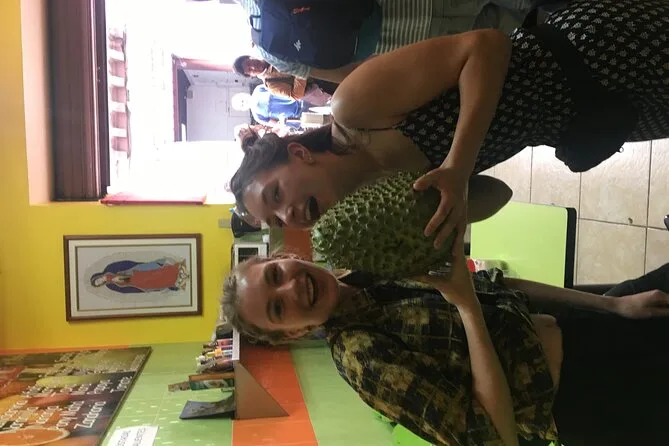
You’ll try empanadas or pristine pastries, sandwiches unique to Quito, humitas or quimbolitos (vegetarian/vegan possible), traditional sweets like “miscellas,” chocolate tasting, local snacks such as roasted corn with brown sugar (“dog poop”), and canelazo drink.
Do I need to be very fit for this walking tour?
The route is suitable for all fitness levels; there are some stairs at La Basílica but overall it’s gentle walking through central Quito.
Is alcohol served on this food & culture tour?
You’ll have the option to try canelazo (with or without alcohol) and may sample a shot of national liquor at one stop; non-alcoholic alternatives are always available.
Which landmarks will we see during the tour?
You’ll visit or see La Basílica del Voto Nacional, Plaza de la Independencia, Archbishop’s Palace courtyard, San Francisco Church area, Iglesia La Compañía de Jesús (from outside), plus local galleries and shops.

What’s included
Your day includes guided walks through historic Quito with all tastings: empanada or pristine pastry (vegetarian/vegan possible), unique sandwiches from different cities, humita or quimbolito (also vegetarian/vegan), samples of traditional sweets like miscella candies, roasted corn snacks (“dog poop”), Ecuadorian chocolate tasting, plus a cup of canelazo (with or without alcohol) near San Francisco Church before finishing up in the early evening.
 Super deal
  Free booking, free cancellation.
  Don't lose your place.


 Do you need help planning your next activity?
  +507 6792-0894


