
Comuna 4 Medellín: Beyond the tourist trail
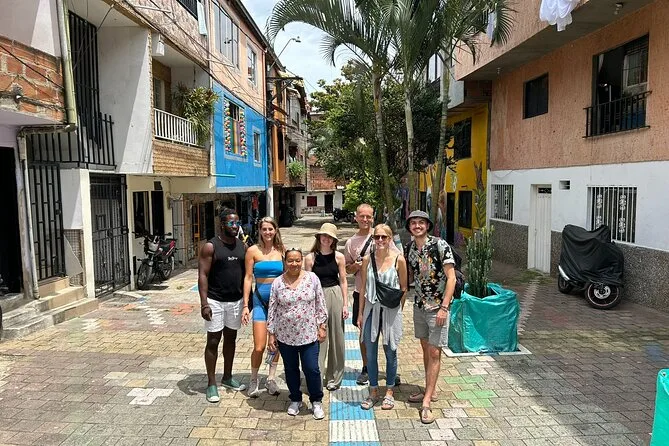
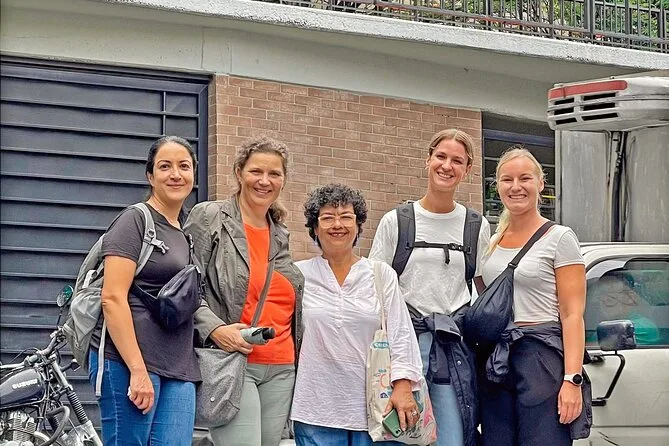
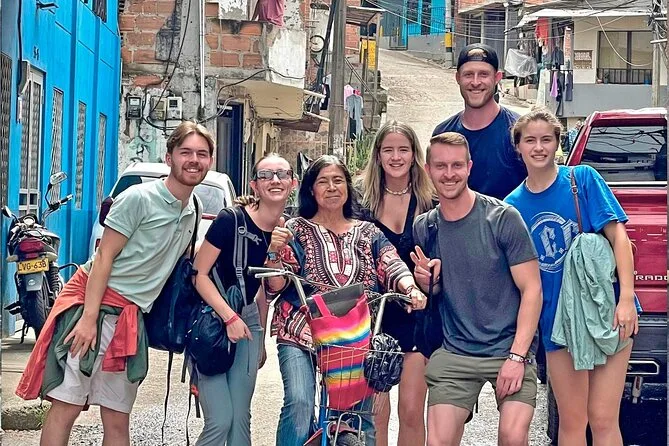
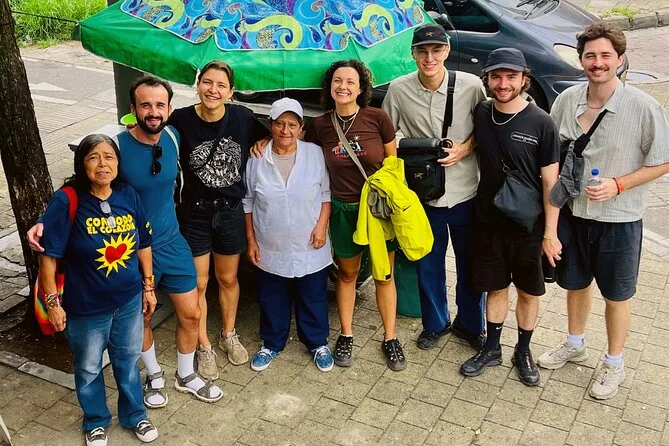
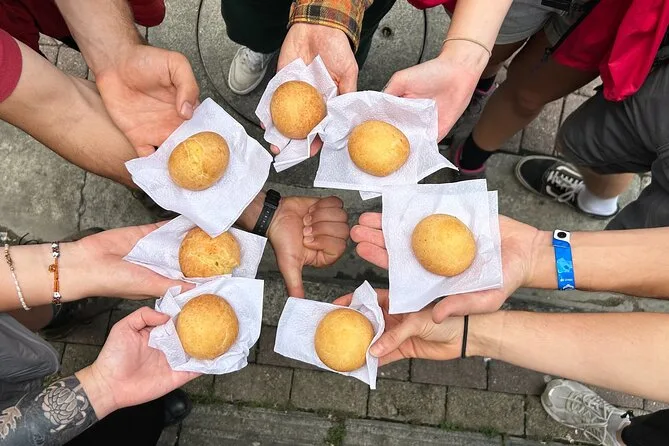

What most tours skip: the systems that shape a neighborhood
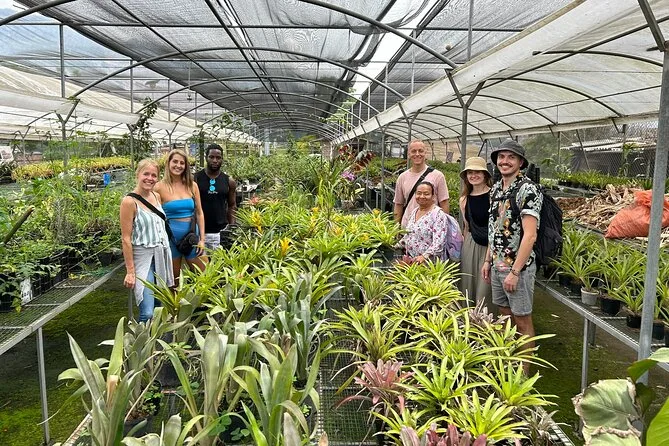
You walk through Comuna 4 with a professional bilingual guide and a community leader who grew up in the barrio. You'll learn the neighborhood's history, sit down to discuss Colombian welfare and education systems, see football culture and street art, eat authentic empanadas, and visit a community-built cultural center. The whole experience takes around three hours and includes a snack.
 3h 30m

Step-by-step itinerary
Explore Comuna 4 Barrio Moravia
- Meet guide and community ambassador
- Learn history of Barrio Moravia
- Visit La Resistencia de Moravia
- Discuss Colombian health and welfare system
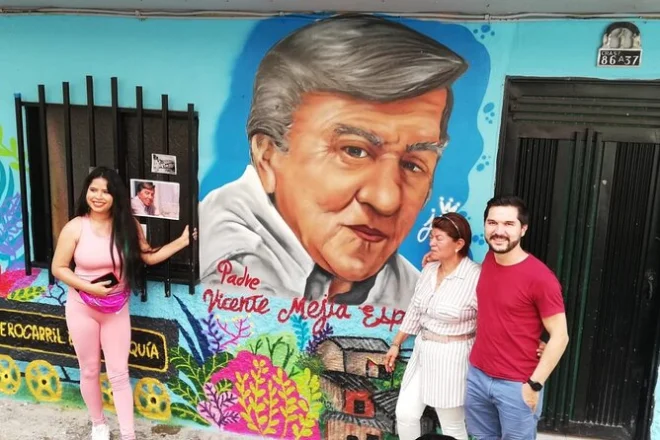
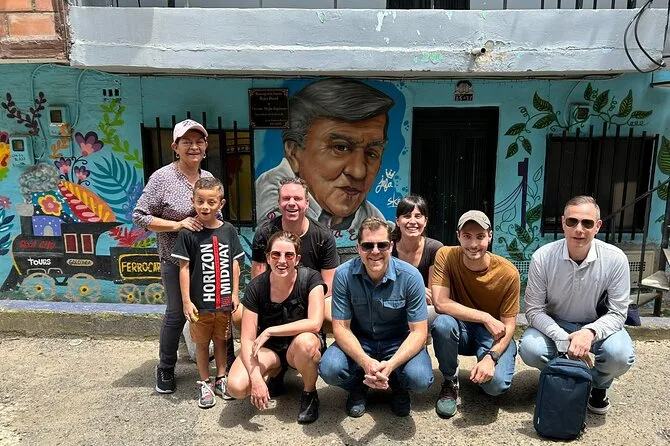
- See football team graffiti
- Explore education and strata system
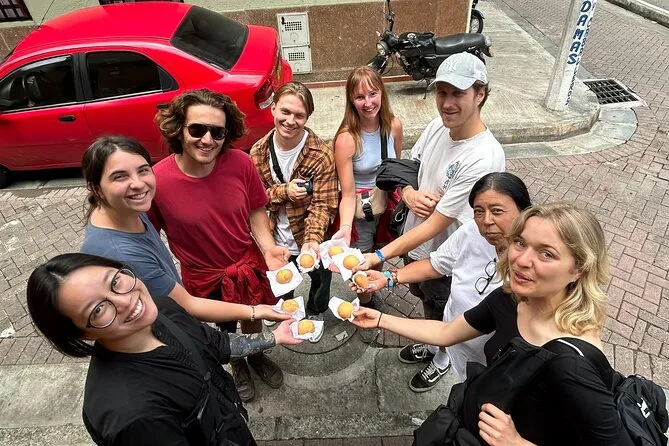
- Eat street empanadas
- Visit neighborhood football field
- Hear ambassador's story of resilience
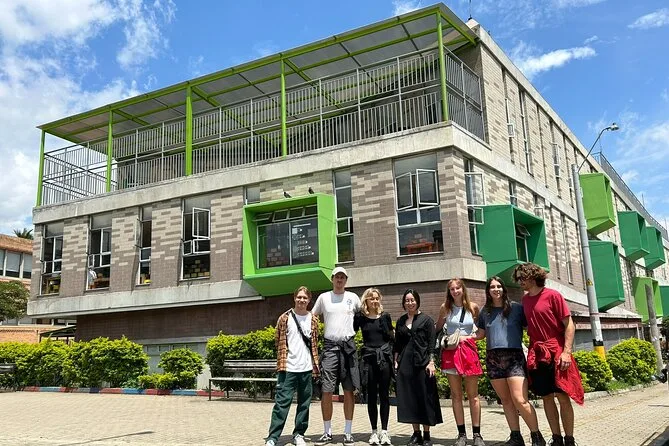
- Tour Centro Cultural with ambassador

The Experience
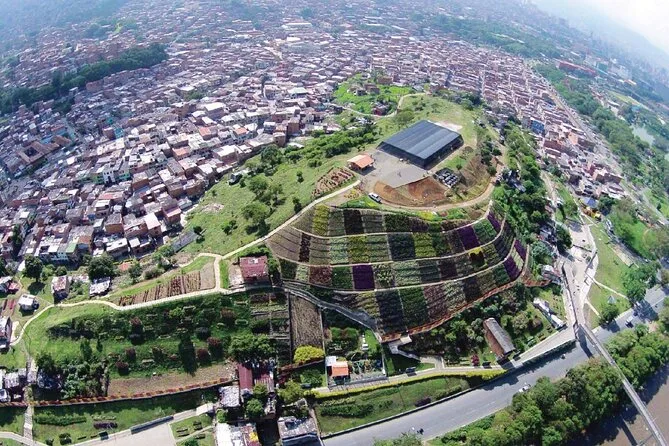
"This is not poverty tourism — it's us showing you how proud we are of our barrio." That's what the community ambassador tells you before the walk even starts, and it sets the tone for everything that follows. You meet your guide and the local leader at the entrance to Barrio Moravia, and within minutes you're hearing the real history — how the neighborhood started in the 1960s as an illegal settlement, what the government's transformation plan actually meant for the families who lived here, and why hundreds of them have resisted relocation for over a decade. It's the version of Medellín's story that doesn't make it into the glossy tourism websites.
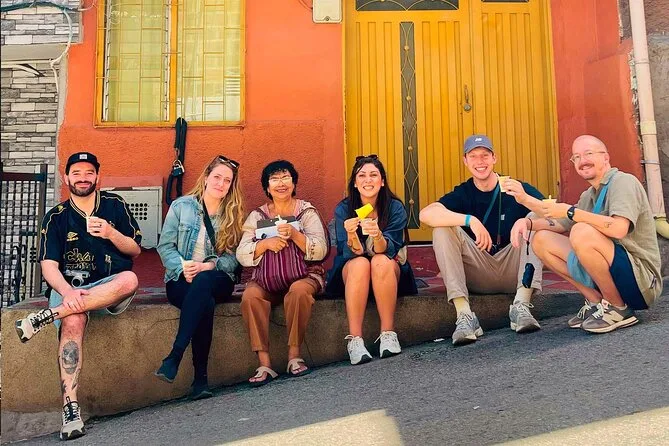
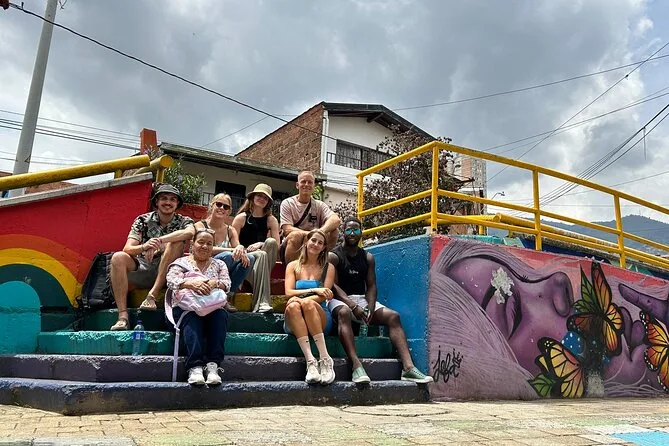
The walk moves through the neighborhood at a pace that lets you stop and sit, which matters because this isn't about checking boxes. You'll find a quiet spot to talk through the Colombian health care and welfare system — why it exists on paper but reaches less than half the population, and how that shapes what you see on the streets. Your guide, who has lived abroad and studied these systems, doesn't simplify; they explain. You see the graffiti walls dedicated to the city's football teams and learn what soccer means culturally in Colombia, not just as a sport but as identity. Then there are the empanadas — the guide will tell you they're the smallest and most delicious in the whole city, and you'll taste why that claim isn't exaggerated.
The community ambassador takes you to the football field where she grew up, and shares her own story of resilience and resistance. You finish at the Centro Cultural, a building the community built themselves, and hear how that happened. The whole experience runs around three hours, and by the end you've sat with locals, eaten street food, and heard explanations of Colombian education, strata systems, and welfare that go deeper than any guidebook. This tour has been running since 2016, which means the relationships with the community are real and the guide's knowledge isn't borrowed from a script.

What’s included
- Your tour includes a professional bilingual guide and a local community leader who grew up in Comuna 4.
- You'll get a snack (empanadas) during the walk, and access to all stops including the Centro Cultural, the football field, and the graffiti walls.
- The guide will explain the barrio's history, the Colombian health care and welfare systems, the education and strata systems, and the community's story of resilience and resistance.
- Transport to the starting point is not included.
Operated by Real City Tours
Is this one for you?Right for travelers who want to understand Medellín beyond the main tourist zones and hear directly from someone who lives in the community. Expect a three-hour walk with multiple sitting stops — that's what makes time for real conversation instead of a rushed overview.
Traveler reviews
Compare the 13 similar options
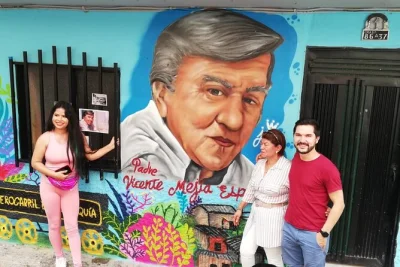 Comuna 4 Medellín: Beyond the tourist trail★ 5.00 (303)3h 30mENUS$ 35
 Comuna 13 Medellín guided tour: graffiti, escalators, snacksWalk through Comuna 13's transformed streets with a guide who explains the graffiti stories and the escalators that changed the neighborhood★ 4.96 (1,940)3hEN · ESUS$ 15.12View ›
 Medellín: Comuna 13 Street Art & Cable Car TourMedellín's Comuna 13 with cable car ride and street art walk. Includes metro, cable car and bus. Meet local artists. 2–3 hours from Poblado metro.★ 4.75 (712)4h 30mEN · ESUS$ 28View ›
 Commune 13 graffiti tour Medellín: street art and cable carStart at San Javier Metro Station and ride the cable car through Medellín's skyline, then walk Commune 13's electric stairs with a local guide who★ 4.91 (159)4hENUS$ 19.50View ›
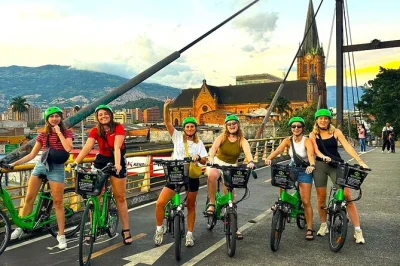 Medellin: Electric Bike City Tour with Coffee & Local SnackFeel Medellin’s pulse on an electric bike tour—glide through vibrant neighborhoods, taste Colombian coffee, snack with locals, and enjoy city views. Includes guide.★ 4.93 (1,462)4hEN · ESUS$ 40View ›
 Medellin: Comuna 13 Graffiti Tour & Metrocable Day TripFeel Medellin’s pulse on a day trip with graffiti art in Comuna 13, Metrocable rides, Barefoot Park, and Plaza Botero—includes lunch and bilingual guide.★ 4.92 (1,929)7h–8hEN · ESUS$ 52View ›
 Guatapé tour from Medellín: Peñol Rock, boat ride, llamasEleven-hour guided tour from Medellín with breakfast, 700-step Peñol Rock climb, traditional lunch, luxury boat ride through the reservoir★ 4.89 (1,380)11hEN · ESUS$ 44View ›
 Medellín: Street Food Tour in El Poblado & Manila with TastingsLet Medellín surprise you with a street food tour through El Poblado and Manila. Taste nine local bites, sip Colombian coffee, and wander with a local guide.★ 4.91 (91)2h 30mEN · ESUS$ 55View ›
 Medellín Coffee Farm Tour with Tastings & Local LunchSmell fresh coffee beans in the hills near Medellín, join a family farm for hands-on harvesting, taste local brews, and enjoy a traditional lunch—includes pickup.★ 4.90 (453)4hEN · ESUS$ 75View ›
 Medellin Pablo Escobar Tour: Museum, Cemetery & RooftopTrace Medellin’s past with a guided Pablo Escobar tour, including the family museum, rooftop site, cemetery visit, and local beer tasting. Entry fees included.★ 4.91 (98)4hEN · ESUS$ 31View ›
 Comuna 13 Graffiti Tour with Street Food in MedellínGuided graffiti tour of Medellín's Comuna 13 with local street food tastings, electric escalators and a city viewpoint★ 4.91 (9,311)3hEN · ESUS$ 21View ›
 Pablo Escobar Tour Medellín: Museum, Cemetery & SitesGuided tour of Pablo Escobar sites in Medellín with museum entry, cemetery visit and private transportation★ 4.88 (1,382)4h–5hEN · ESUS$ 40View ›
 Guatapé Day Tour from Medellín: Rock, Boat & Colorful TownSpend ten hours exploring Guatapé's colorful streets, climbing El Peñol Rock, and cruising the reservoir by boat from Medellín with meals and a guide.★ 4.95 (8,100)10h–11hEN · ESUS$ 43View ›
Top questions
Is this safe for tourists?
Yes. The tour is led by a professional guide and a community ambassador who live in the barrio. It's been running since 2016 and is designed to be respectful and secure. Public transportation is available nearby if you prefer to arrange your own arrival.
What's included in the tour?
A professional bilingual guide, a local community leader, a snack (empanadas), and access to all stops including the Centro Cultural. Transport to the starting point is not included.
How long does the tour take?
Around three hours, with multiple stops where you sit and talk with the guide and community ambassador.
What's the difference between this tour and other Medellín tours?
This tour is led by someone who grew up in the barrio and focuses on the community's own story of transformation and resistance, not the government's version. It includes conversations about Colombian systems (health, welfare, education) and is framed as the community showing you their pride in their neighborhood, not as poverty tourism.
Do I need to be fit for this walk?
The tour is suitable for all physical fitness levels. You'll be walking through the neighborhood and sitting down multiple times to talk, so it's not a strenuous hike.
Can I bring a service animal?
Yes, service animals are allowed.
What language is the guide?
The guide is bilingual and can conduct the tour in English and Spanish.
What should I wear or bring?
Comfortable walking shoes and weather-appropriate clothing. The tour includes sitting in shaded areas, so sun protection is helpful.
Comuna 4 Medellín: Beyond the tourist trail
3h 30m · EN
from US$ 35 per person
★★★★★★★★★★5.00303 reviews
