
Comuna 13 Graffiti Tour with Street Food in Medellín
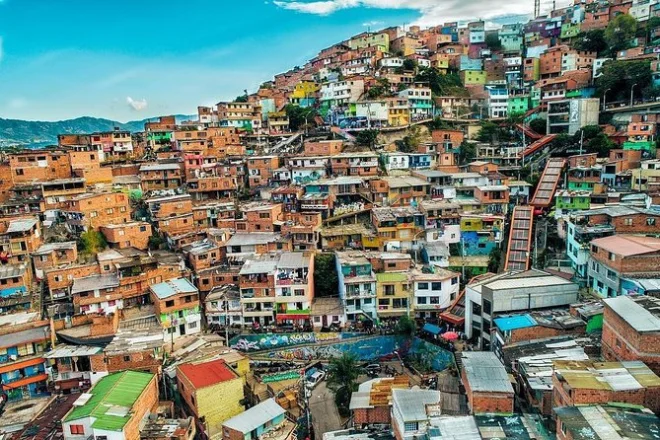


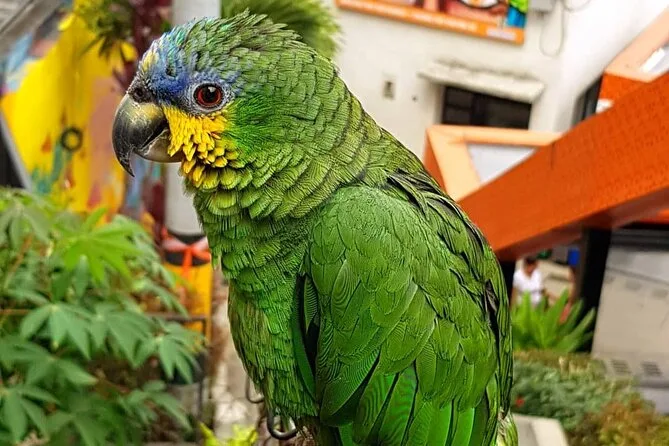
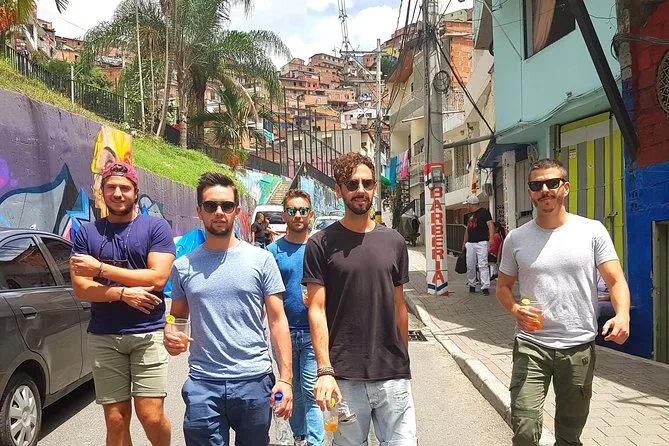
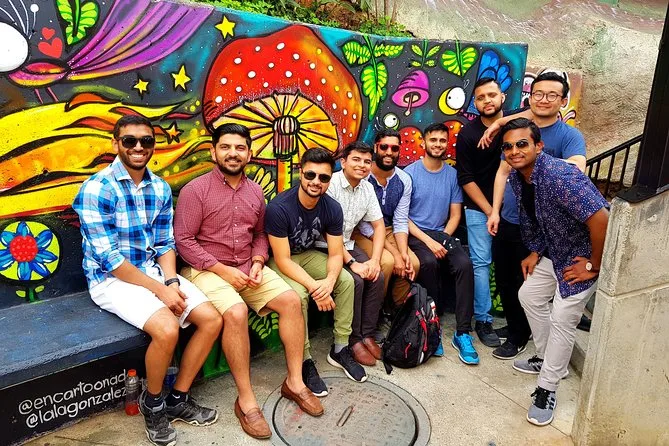
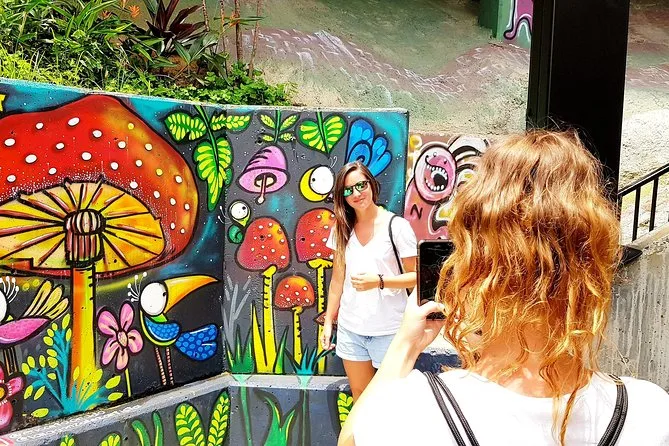
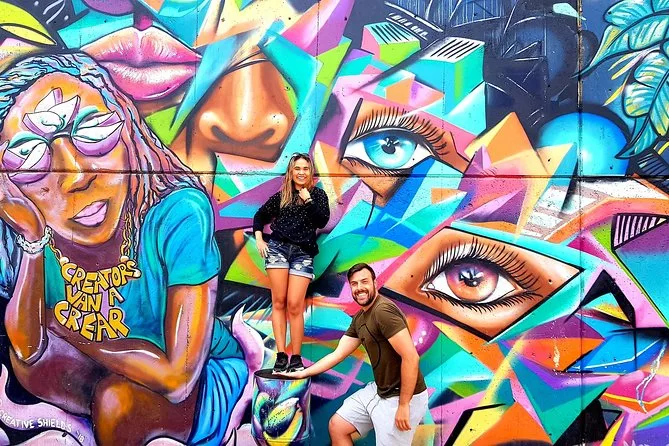
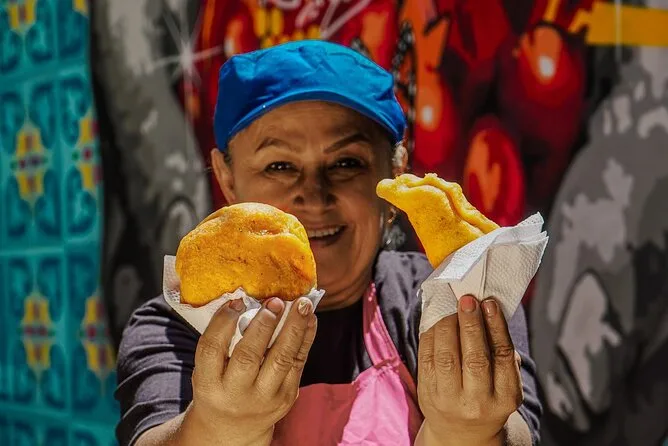

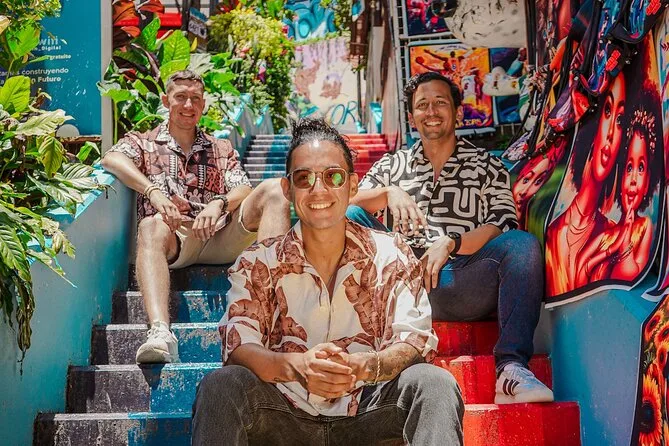


Graffiti walls, mango ice cream in a local kitchen, electric stairs climbing the mountainside
A three-hour guided tour of Comuna 13, Medellín's most-visited neighborhood, led by a local guide in Spanish or English. You walk through the district with the most graffiti in the city, learning the history behind the murals; taste street food including empanadas, patacón with hogao, sausages and mango ice cream with salt and lemon; ride the electric escalators to a viewpoint overlooking all of Medellín; and visit an art gallery and Independencia 2, where the guide explains the neighborhood's transformation and its difficult past.
 3h
3h

Step-by-step itinerary
Explore Comuna 13 graffiti and history
- Meet in July 20 neighborhood
- Visit Independence 1 graffiti area
- Taste mango ice cream at grandmother’s house
- Learn about Commune 13’s past and stories
- Ride electric stairs to city viewpoint
- Visit Independence 2 graffiti and history site
- Discuss electric stairs and community transformation

The Experience
You meet in the July 20 neighborhood and climb Independencia 1 on foot, the mountainside covered in graffiti. Your guide, who is from Comuna 13, explains the story behind many of the murals as you walk. The neighborhood has a painful history—it was the site of the largest urban mass grave in the world—and the guide shares both personal stories and the accounts of locals who lived through it, grounding the visual history in real experience.
Partway through, you stop at the guide's grandmother's house to taste mango ice cream with salt and lemon, a local specialty included in the tour. From there, you take the electric escalators—an innovative public transport system built into the mountainside—up to a viewpoint where you can see the entire city of Medellín spread below. The escalators themselves are part of the story: the guide explains why they were built and how they transformed a neighborhood of more than 150,000 people. You then move to Independencia 2 to see the second part of the graffiti narrative and learn more about the neighborhood's present-day renewal.
Along the way, you taste street food: delicious empanadas, patacón with hogao, and sausages. You visit an art gallery and watch artistic performances. If the group is large, the guide uses a speaker to make sure everyone can hear the commentary clearly. The whole experience takes three hours and covers the neighborhood's transformation from a place marked by violence to one of Medellín's most visited cultural destinations.

What’s included
- The tour includes a local guide fluent in Spanish or English.
- street food tastings of empanadas, patacón with hogao, sausages and mango ice cream with salt and lemon.
- access to the electric escalators and a city viewpoint.
- an art gallery visit.
- and artistic performances throughout the neighborhood.
Operated by Visit Medellin Tours
Is this one for you?Choose a Spanish-language guide if you speak Spanish fluently and want the most detailed local commentary; pick English if you need the tour explained in English, and know that your guide is still a lifelong resident of Comuna 13 who will answer questions about the neighborhood's history and present.
Traveler reviews
Compare the 13 similar options
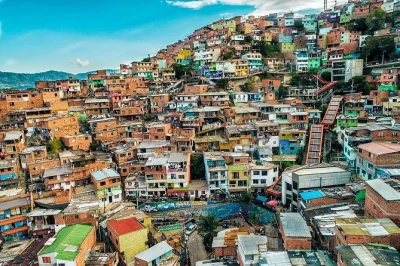 Comuna 13 Graffiti Tour with Street Food in Medellín★ 4.91 (9,321)3hEN · ESUS$ 21
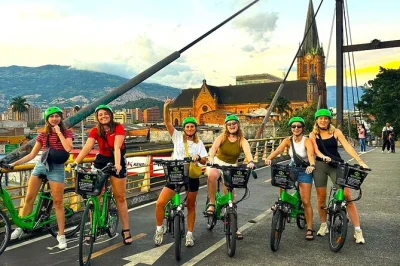 Medellin: Electric Bike City Tour with Coffee & Local SnackFeel Medellin’s pulse on an electric bike tour—glide through vibrant neighborhoods, taste Colombian coffee, snack with locals, and enjoy city views. Includes guide.★ 4.93 (1,463)4hEN · ESUS$ 40View ›
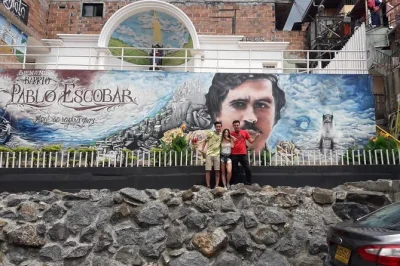 Pablo Escobar Tour Medellín: Museum, Cemetery & SitesGuided tour of Pablo Escobar sites in Medellín with museum entry, cemetery visit and private transportation★ 4.89 (1,384)4h–5hEN · ESUS$ 40View ›
 Medellín: Comuna 13 Street Art & Cable Car TourMedellín's Comuna 13 with cable car ride and street art walk. Includes metro, cable car and bus. Meet local artists. 2–3 hours from Poblado metro.★ 4.75 (712)4h 30mEN · ESUS$ 28View ›
 Comuna 13 Medellín guided tour: graffiti, escalators, snacksWalk through Comuna 13's transformed streets with a guide who explains the graffiti stories and the escalators that changed the neighborhood★ 4.96 (1,940)3hEN · ESUS$ 15.12View ›
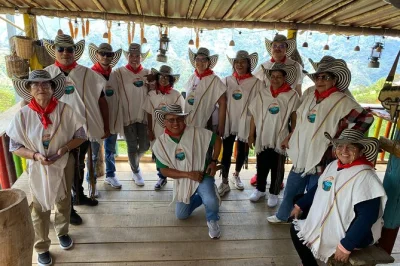 Medellín Coffee Farm Tour with Tastings & Local LunchSmell fresh coffee beans in the hills near Medellín, join a family farm for hands-on harvesting, taste local brews, and enjoy a traditional lunch—includes pickup.★ 4.90 (453)4hEN · ESUS$ 75View ›
 Medellin: Comuna 13 Graffiti Tour & Metrocable Day TripFeel Medellin’s pulse on a day trip with graffiti art in Comuna 13, Metrocable rides, Barefoot Park, and Plaza Botero—includes lunch and bilingual guide.★ 4.92 (1,935)7h–8hEN · ESUS$ 52View ›
 Medellín: Street Food Tour in El Poblado & Manila with TastingsLet Medellín surprise you with a street food tour through El Poblado and Manila. Taste nine local bites, sip Colombian coffee, and wander with a local guide.★ 4.91 (91)2h 30mEN · ESUS$ 55View ›
 Guatapé Day Tour from Medellín: Rock, Boat & Colorful TownSpend ten hours exploring Guatapé's colorful streets, climbing El Peñol Rock, and cruising the reservoir by boat from Medellín with meals and a guide.★ 4.95 (8,105)10h–11hEN · ESUS$ 43View ›
 Guatapé from Medellín: Piedra del Peñol & Boat Tour Celebrity HomesFull-day Guatapé tour from Medellín with Piedra del Peñol climb, town walk, boat ride past celebrity mansions, and breakfast & lunch included. Small groups, 10-12 hours.★ 4.84 (3,095)10h–11hEN · ESUS$ 45View ›
 Commune 13 graffiti tour Medellín: street art and cable carStart at San Javier Metro Station and ride the cable car through Medellín's skyline, then walk Commune 13's electric stairs with a local guide who★ 4.91 (160)4hENUS$ 19.50View ›
 Medellin Pablo Escobar Tour: Museum, Cemetery & RooftopTrace Medellin’s past with a guided Pablo Escobar tour, including the family museum, rooftop site, cemetery visit, and local beer tasting. Entry fees included.★ 4.91 (98)4hEN · ESUS$ 31View ›
 Guatapé tour from Medellín: Peñol Rock, boat ride, llamasEleven-hour guided tour from Medellín with breakfast, 700-step Peñol Rock climb, traditional lunch, luxury boat ride through the reservoir★ 4.89 (1,382)11hEN · ESUS$ 44View ›
Top questions
What is the electric escalator system in Comuna 13?
The electric escalators are an innovative public transport system built into the mountainside of Comuna 13 to help residents climb the steep terrain. They were constructed to serve the neighborhood's more than 150,000 inhabitants and have become a symbol of the area's transformation and renewal.
What street food will I eat on this tour?
You'll taste delicious empanadas, patacón with hogao (a fried plantain with a tomato and onion sauce), sausages, and mango ice cream with salt and lemon, which you eat at the guide's grandmother's house.
Will the guide speak English?
Yes, all guides speak either Spanish or English, and you can choose your preferred language when you book.
What is Independencia 2?
Independencia 2 is another graffiti-filled area of Comuna 13 where the guide explains the second part of the neighborhood's story, including its difficult past and its present-day transformation.
How long does the tour take?
The tour lasts three hours and includes walking through the neighborhood, tasting street food, riding the electric escalators, visiting an art gallery, and stopping at a viewpoint overlooking Medellín.
Can I bring a stroller or infant seat?
Yes, infants and small children can ride in a pram or stroller, and specialized infant seats are available. The tour is suitable for all physical fitness levels, and public transportation options are available nearby.
Comuna 13 Graffiti Tour with Street Food in Medellín
3h · EN · ES
from US$ 21 per person
★★★★★★★★★★4.919,321 reviews
