
Lhasa to Kathmandu: Everest Base Camp Overland Small Group Tour
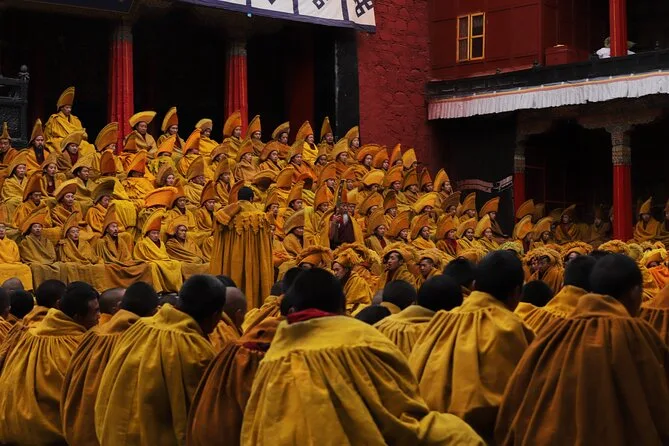

Crossing Tibet’s wild passes and waking up beneath Everest
You’ll ride from Lhasa’s ancient streets across high Himalayan passes to Everest Base Camp with a small group and local Tibetan guide. Expect moments of silence under golden peaks, salty butter tea shared in mountain villages, and a real sense of crossing worlds as you descend toward Nepal. It’s not always easy — but it feels honest and unforgettable.
 7d
7d

Step-by-step itinerary
Day 1 — Arrival and transfer to hotel
- Meet guide at airport or station
- Transfer to hotel in Lhasa
- Rest and acclimate to altitude
Day 2 — Lhasa city tour and market visit
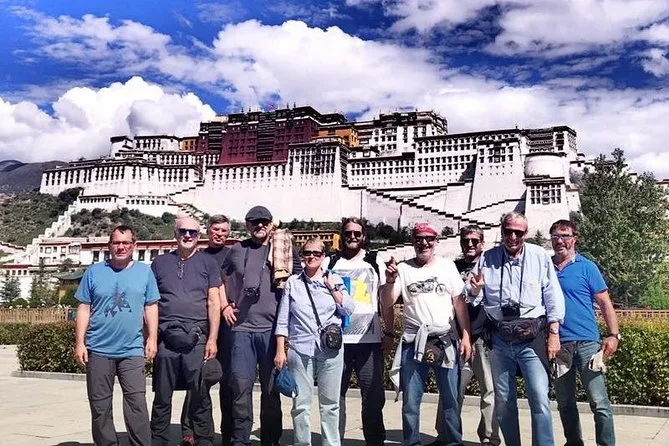
- Visit Potala Palace
- Lunch break
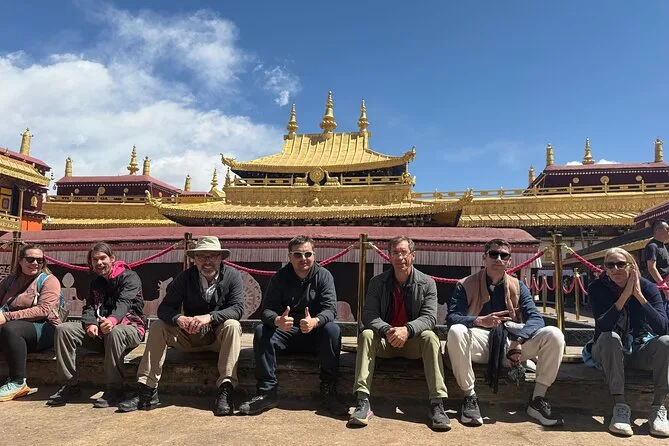
- Visit Jokhang Temple
- Walk Barkhor Street and kora
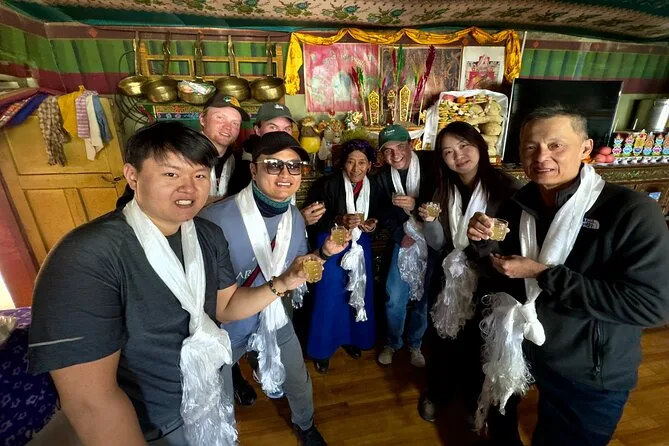
- Taste Tibetan tea and welcome dinner
Day 3 — Monastery visits and local village
- Visit Dadong Village and local family
- Lunch with local family
- Visit Sera Monastery and monks debate
Day 4 — Drive Lhasa to Shigatse via Gyantse
- Drive over Gampala Pass
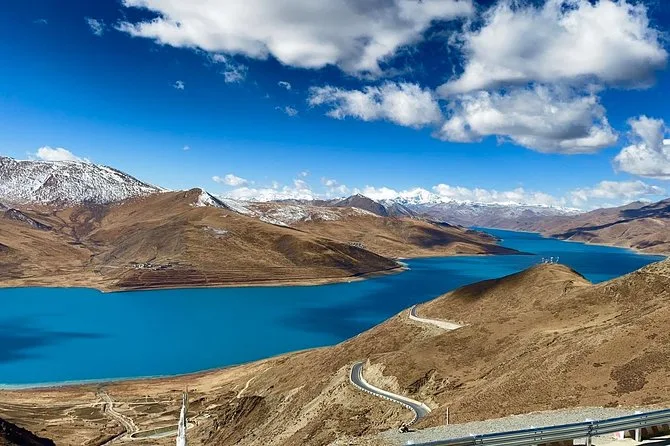
- View Yamdrok Lake and mountains
- Pass Karola Glacier and Manak Dam Lake
- Arrive in Gyantse
- Continue to Shigatse
Day 5 — Shigatse to Everest Base Camp
- Visit Tashilunpo Monastery
- Obtain Alien’s travel permit
- Drive to Lhatse for lunch
- Pass Tsola and Gyatsola Passes
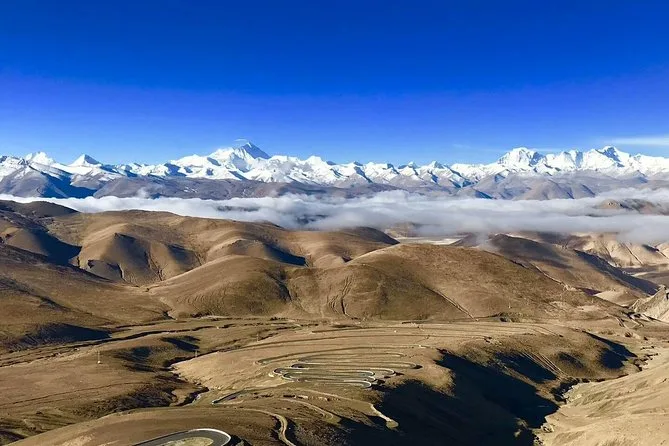
- Enter Mt. Everest Reserve and view Himalaya
- Drive to Everest Base Camp
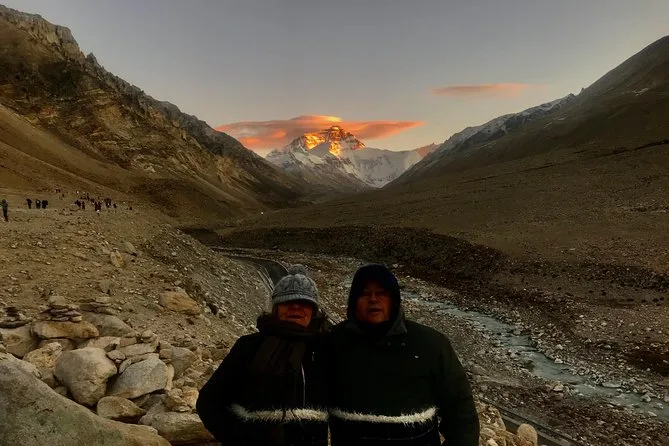
- Enjoy sunset at Everest Base Camp
Day 6 — Everest Base Camp to Gyirong border
- Watch Everest sunrise if possible
- Visit Rongbuk Monastery
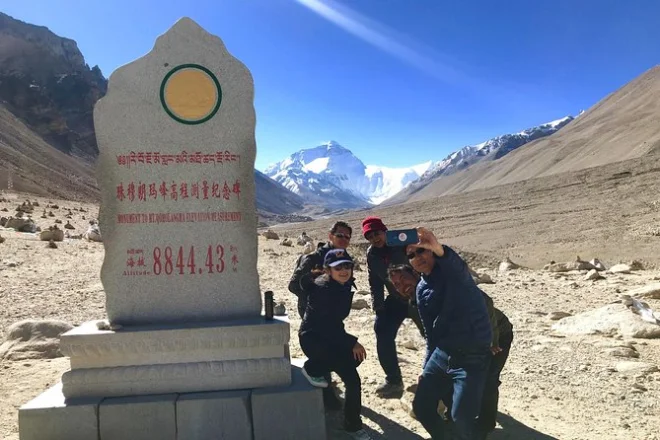
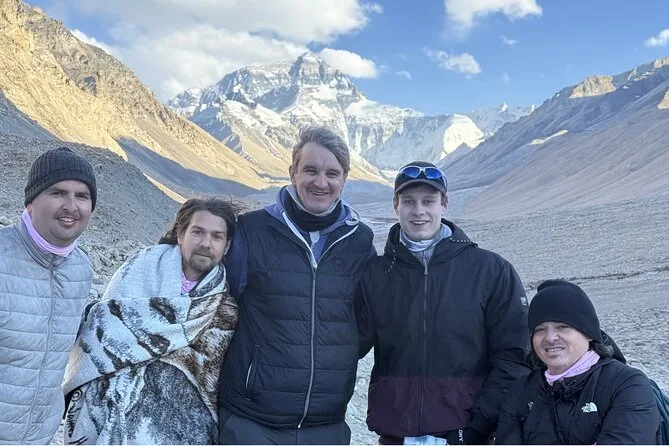
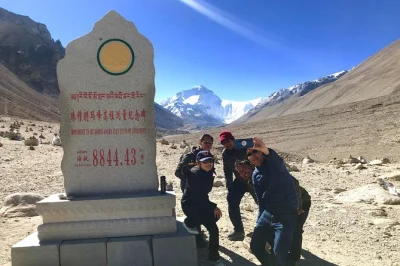
- Visit Everest Base Camp for photos
- Drive to Kyirong border
- View Mt. Shishapangma and Pekutso Lake
- Pass Ghungtang Lhamo
- See forest and waterfall scenery near Gyirong
Day 7 — Exit China at Gyirong border
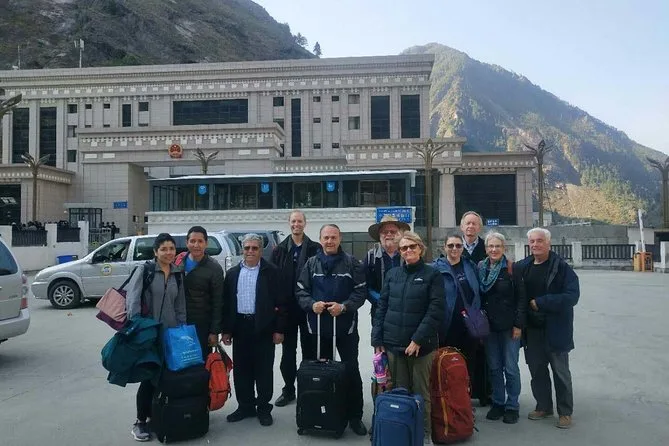
- Assist exit at Gyirong border
- End of service and farewell
- Optional jeep transfer to Kathmandu

The Experience
"You see that mountain? That’s Yamdrok Lake down there," our driver said, pointing through the window as the road twisted higher. The air was thin even inside the van, and my head felt floaty — but then the lake flashed turquoise under a sudden patch of sun and I forgot about altitude for a minute. Our Tibetan guide, Tenzin, handed around thermoses of butter tea and grinned when I tried it. Salty, thick, sort of comforting once you get past the surprise. We’d only just left Lhasa that morning after two days wandering Barkhor Street and watching monks debate at Sera Monastery — but already it felt like another world out here.
The drive from Lhasa to Kathmandu is long — seven days if you count every early start and late arrival — but somehow each stop has its own rhythm. In Shigatse we woke to prayer flags flapping over rooftops; in Gyantse I watched an old woman spin her prayer wheel while selling dried yak cheese (I bought some out of curiosity; not my favorite snack). The day we reached Everest Base Camp was wild: wind biting through every layer I owned, dust swirling around Rongbuk Monastery where nuns and monks live together. At sunset, Everest’s peak turned gold for maybe five minutes. Everyone went quiet except one guy who just whispered “wow” — I still think about that silence.
Crossing passes above 5,000 meters is no joke (they give you oxygen bottles in the van if you need them), but rolling down into Gyirong near Nepal felt like landing on another planet — suddenly there were forests again, waterfalls tumbling beside the road. Our group had gotten used to each other by then: sharing snacks, swapping stories about home over simple dinners in little guesthouses. Tenzin helped us hang prayer flags at Simila Pass; he tied mine with a knot I still can’t quite copy.
Leaving Tibet at the border was weirdly emotional. The guide checked our papers one last time, shook hands all around — “Safe travels to Kathmandu,” he said, before waving us off toward Nepal. There’s so much I didn’t expect on this Lhasa to Kathmandu overland tour: the taste of yak butter tea lingering hours later, or how quiet it gets at 5am waiting for Everest’s first light. If you’re thinking about this route… well, bring warm socks and an open mind.

What’s included
Your week includes hotel pickup in Lhasa plus drop-off at the Nepal border, all necessary Tibet permits handled ahead of time, entry tickets for every site on the route (like Potala Palace and Rongbuk Monastery), comfortable van transport with an experienced local driver who knows these roads by heart (and will probably share stories along the way), bottled water throughout each day, insurance coverage just in case — plus support from your English-speaking Tibetan guide who handles logistics so you can actually look out the window instead of worrying about paperwork or directions.
Operated by Tibet Vista
Traveler reviews
More experiences you might like
 Lhasa to Kathmandu: Everest Base Camp Overland Small Group Tour★ 4.93 (267)7dENUS$ 989
 Tibet: Everest Base Camp & Namtso Lake 10-Day Tour10-day Tibet tour covering Everest Base Camp, Namtso Lake, Potala Palace & monasteries. Small group, English guide, permits included, 3,600–5,200m altitude.★ 4.80 (143)10dENUS$ 1,329View ›
 4-Day Lhasa Tour: Potala Palace, Jokhang Temple & Monk DebatesSmall group tour of Lhasa's three UNESCO sites with English-speaking Tibetan guide, hotel stays and airport pickup included.★ 4.79 (90)4dENUS$ 509View ›
Top questions
How many days is the Lhasa to Kathmandu overland tour?
The tour lasts 7 days from arrival in Lhasa until reaching the Nepal border near Kathmandu.
Is hotel pickup included in Lhasa?
Yes, airport or train station pickup in Lhasa is included at designated times.
Do I need a Tibet Travel Permit for this tour?
Yes, your Tibet Travel Permit is arranged by the operator if you book at least 12 working days in advance.
What kind of accommodation is provided?
You’ll stay in 3-star hotels (twin rooms) in cities and simple guesthouses or dorms near Everest Base Camp.
Can travelers with health issues join this tour?
This tour isn’t recommended for pregnant travelers or those with poor cardiovascular health due to high altitude.
Is there oxygen available during high-altitude sections?
Yes, oxygen bottles are provided in the tourist vehicle for guest safety during high passes.
Does this tour include entry fees for attractions?
Yes, entrance fees for all listed sites such as Potala Palace and Everest Base Camp are included.
Lhasa to Kathmandu: Everest Base Camp Overland Small Group Tour
7d · EN · at your hotel
from US$ 989 per person
★★★★★★★★★★4.93267 reviews
