
Mt Kailash and Everest pilgrimage tour from Lhasa: 15 days

Trek Mount Kailash after standing at Everest Base Camp
A 15-day group pilgrimage tour from Lhasa visiting Potala Palace, Jokhang Temple, Mount Everest Base Camp and Lake Manasarovar, culminating in a three-day kora (circumambulation) trek around Mount Kailash at 5,630 meters. An English-speaking guide leads the entire journey; all Tibet permits, hotel stays, entrance fees and airport pickup are included. Solo travelers are welcome with advance booking; the tour requires high physical fitness for the trekking sections.
 15d
15d

Step-by-step itinerary
Day 1 — Arrive in Lhasa
- Pick up and transfer to hotel
Day 2 — Lhasa Sightseeing
- Visit Drepung Monastery
- Visit Tibet Museum
- Visit Norbulingka royal garden
Day 3 — Lhasa Sightseeing
- Visit Potala Palace
- Visit Jokhang Temple
- Explore Barkhor Street
Day 4 — Lhasa to Shigatse via Gyantse
- Drive to Shigatse via Yamdrok Lake
- View Karola Glacier roadside
- Visit Pelkor Chode Monastery in Gyantse
Day 5 — Shigatse to Everest Base Camp
- Visit Tashilunpo Monastery
- Drive to Lhatse and have lunch
- Drive to Tingri passing mountain passes
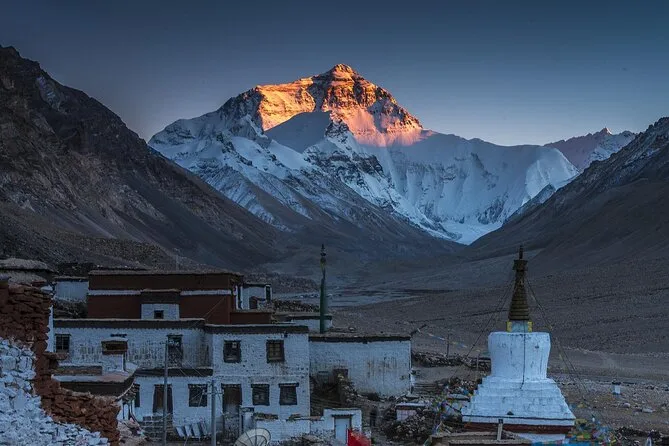
- Enter Everest Base Camp and view sunset
Day 6 — Everest Base Camp to Saga
- Enjoy sunrise at Everest Base Camp
- Drive to Saga via Mt. Shishapangma and Lake Peikutso
Day 7 — Saga to Darchen
- Drive across plains and Mayomla Pass
- Arrive and explore Darchen village
- Arrange porters and yaks if needed
Day 8 — Mt Kailash Kora Day 1 Trek
- Take eco-bus to Sarshung Valley
- Meet porters and yaks
- Trek 15km to Dirapuk Monastery
- Visit Dirapuk Monastery and stay overnight
Day 9 — Mt Kailash Kora Day 2 Trek
- Climb Dromala Pass (5630m)
- Descend to valley and lunch at nomadic tent
- Take break at tea house
- Visit Zutulpuk Monastery and stay overnight
Day 10 — Mt Kailash Kora Day 3 Trek and Drive
- Trek 9km to complete Kora
- Take eco-bus back to Darchen
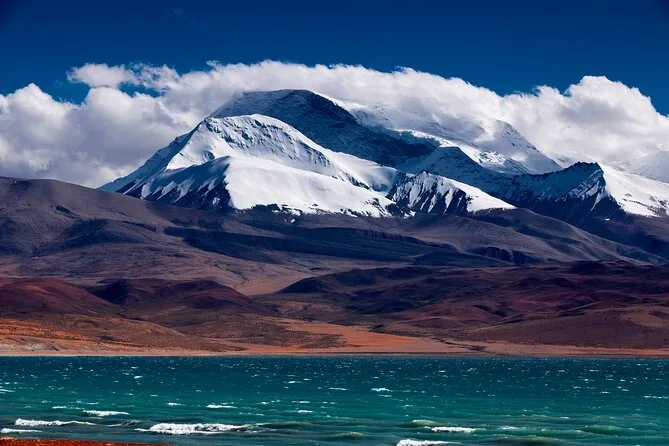
- Drive to Lake Manasarovar and Zhongba
- Walk along Lake Manasarovar if desired
Day 11 — Zhongba to Lhatse Drive
- Drive from Zhongba to Lhatse crossing passes
- Enjoy natural scenery and wildlife
Day 12 — Lhatse to Shigatse via Sakya
- Visit Sakya Monastery
- Explore cultural treasures and murals
Day 13 — Shigatse to Lhasa Drive
- Drive to Lhasa via Yarlung Tsangpo valley
- Visit Tibetan Incense Workshop in Nyemo
Day 14 — Free Day in Lhasa
- Free time in Lhasa city
- Optional group activities with guide
- Transfer to airport or railway if leaving
Day 15 — Lhasa Departure
- Transfer to Lhasa airport or railway station

The Experience
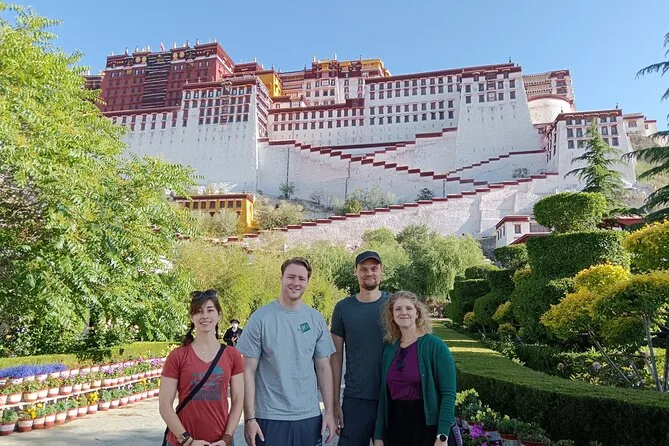
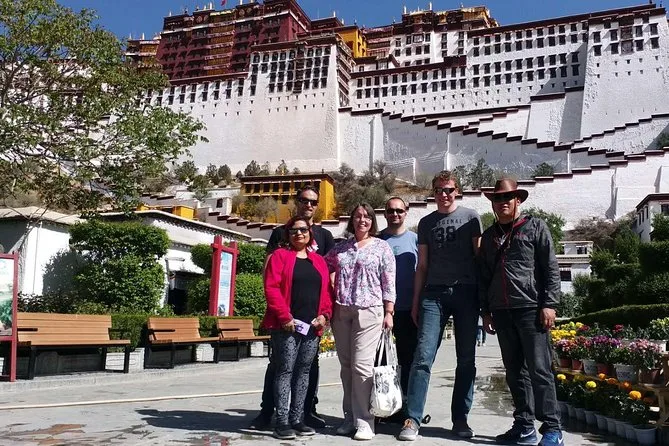
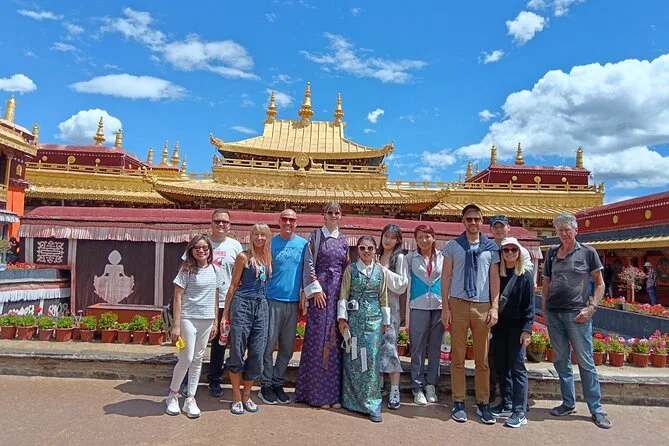
The tour starts with three days in Lhasa, where you visit Drepung Monastery (45 km north of the city), the Tibet Museum, Norbulingka palace, Potala Palace and Jokhang Temple—built in the seventh century and considered Tibet's most sacred temple. You'll walk Barkhor Street for Tibetan souvenirs before driving south toward Shigatse, passing Yamdrok Lake and the Karola Glacier, with a stop at Pelkor Chode Monastery in Gyantse. From Shigatse, the route climbs toward Everest: you'll cross five high passes including Gyatsola Pass at 5,248 meters, reach Everest Base Camp by late afternoon, and if weather permits, watch the sunset on the Golden Everest Peak from the nomad tent where you sleep that night.
The next two days drive west across the Tibetan plateau toward Mount Kailash. You'll pass Mount Shishapangma (the world's 14th highest peak), Lake Peikutso, and the Mayomla Pass, with chances to spot wild donkeys and Tibetan antelope. The landscape shifts from high desert to grassland as you approach Darchen, the small nomadic village where the kora begins. Your guide arranges porters and yaks here if you need them (at additional cost); the eco-bus shuttle to the starting point is included.
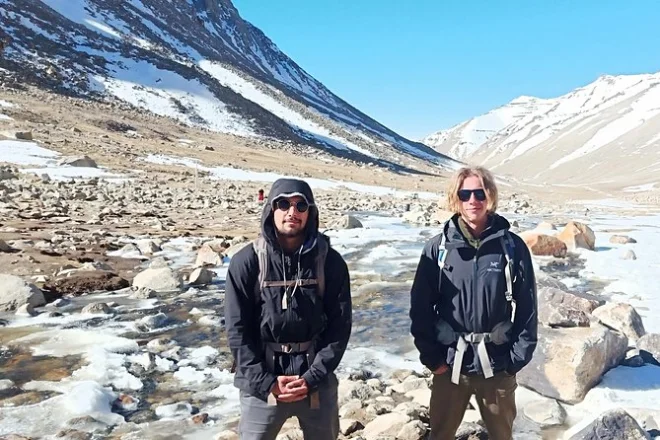
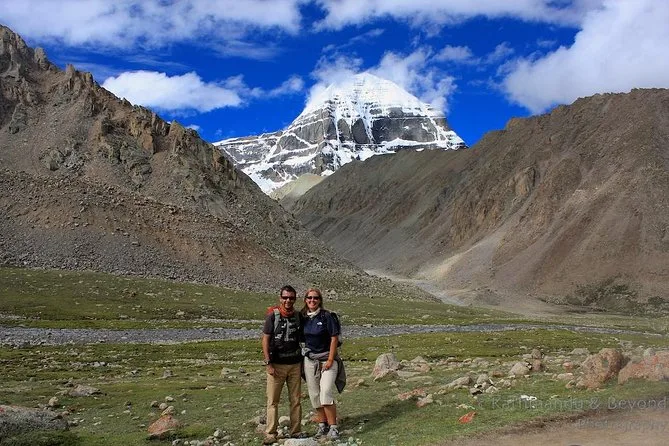
The three-day kora trek is the pilgrimage's core. Day one covers 15 km from Sarshung Valley to Drirapuk Monastery (4,700 m), walking the Lachu River valleys with views of Mount Kailash's west and north faces. Day two is the most demanding: a 22 km trek over Dromala Pass at 5,630 meters—the kora's highest point—with a lunch stop at a nomadic tent and tea houses along the way, ending at Zutulpuk Monastery where you'll see Milarepa's handprint and footprint inside a cave. Day three is a short 9 km walk to complete the circuit, then the eco-bus returns you to Darchen. From there, you drive 40 km southwest to Lake Manasarovar, Tibet's highest holy lake, before heading back to Lhasa via Zhongba, Lhatse and Sakya Monastery (known for its Yuan Dynasty murals and red-and-white striped walls). Your final day in Lhasa is free time with your guide, or you can depart for the airport or railway station.

What’s included
- English-speaking guide for all 15 days.
- all Tibet permits and government tax.
- hotel accommodations in Lhasa, Shigatse, Lhatse and Zhongba (3-star or 4-star).
- nomad tent at Everest Base Camp and guesthouse beds during the Mount Kailash trek.
- entrance fees to Drepung Monastery, Tibet Museum, Norbulingka, Potala Palace, Jokhang Temple, Pelkor Chode Monastery, Tashilunpo Monastery and Sakya Monastery.
- sleeping bag and oxygen tank for emergencies.
- two bottles of mineral water per person daily.
- airport or railway station pickup at scheduled times on day one and drop-off on day 15.
- eco-bus shuttles to and from Mount Kailash (USD 10 each way).
- vehicle with driver, parking and fuel for the entire route.
Operated by Great Tibet Tour
Is this one for you?Book this tour if you want the full pilgrimage arc—from Lhasa's temples through Everest Base Camp to a three-day trek around Mount Kailash—with a guide handling permits, logistics and all site access so you focus on the altitude and the walking. The 15-day span and included accommodations mean you're not piecing together separate bookings across Tibet's remote regions, and the fixed itinerary keeps the group moving together through high passes and sacred sites.
Traveler reviews
Compare the 4 similar options
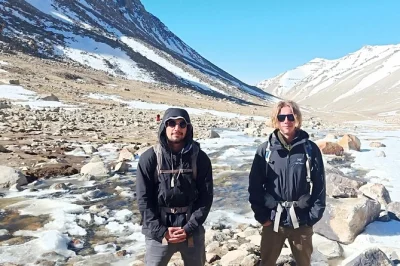 Mt Kailash and Everest pilgrimage tour from Lhasa: 15 days★ 4.62 (21)15dENUS$ 2,280
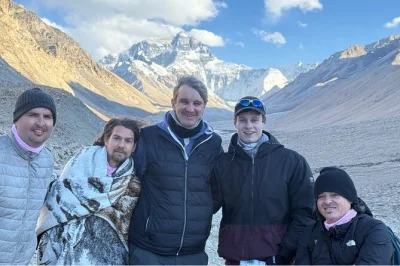 Lhasa to Everest Base Camp: 8-Day Tibet Tour & MonasteriesFeel the high-altitude magic from Lhasa to Everest Base Camp, with Tibetan monasteries, sacred lakes, and local guides. Includes permits, pickup, and breakfast.★ 4.92 (740)8dENUS$ 969View ›
 Tibet: Lhasa to Mount Kailash Trek & Everest Base CampStart in Lhasa, explore sacred monasteries, trek Mount Kailash, and reach Everest Base Camp with pickup, permits, and meals included for a seamless adventure.★ 4.88 (182)15dENUS$ 2,219View ›
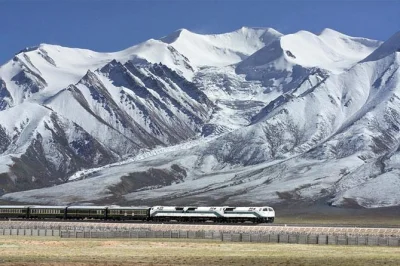 Lhasa: 5-Night Train Tour from Chengdu & Potala Palace5-night Lhasa tour via Qinghai-Tibet Railway from Chengdu. Includes Potala Palace, Jokhang Temple, Drepung & Sera monasteries, train ticket, 4-star hotels, guide & permits.6dEN · CMUS$ 815View ›
Top questions
What's included in the tour price and what costs extra?
The tour includes an English-speaking guide for all 15 days, all Tibet permits, hotel accommodations (3-star or 4-star depending on your option), entrance fees to every site, airport or railway station pickup and drop-off, meals for the guide and driver, a sleeping bag, oxygen for emergencies, and the eco-bus shuttles to and from Mount Kailash. Yaks, horses and porters for the trek are not included and must be hired separately in Darchen; personal expenses, travel insurance and flights or trains are also separate.
How much trekking is involved and how difficult is it?
The Mount Kailash kora is a three-day trek totaling 46 km. Day one is 15 km over moderate terrain; day two is 22 km with a 5,630-meter pass crossing and is the most challenging; day three is an easy 9 km descent. The tour requires high physical fitness, and the operator does not recommend it for travelers with poor cardiovascular health due to the altitude (passes reach 5,248 to 5,630 meters) and distance.
Do I need a China visa and Tibet permit before I book?
Yes. You must provide a copy of your passport and China visa in advance; the operator applies for your Tibet Tourism Bureau permit, which typically takes 12 working days. If you're flying from mainland China, the original permit will be sent to your hotel there. If you're taking a train, a printed copy will be emailed. If you're flying from Kathmandu, Nepal, you don't need a Chinese visa but will apply for a Tibet Group Visa through the Chinese Embassy in Kathmandu, which the operator helps arrange. Book at least 12 working days ahead for group tours, or 50+ days in advance if you're a solo traveler.
What accommodation will I have, especially during the Mount Kailash trek?
In Lhasa, Shigatse and other towns, you stay in 3-star or 4-star hotels depending on your option. At Everest Base Camp, accommodation is a nomad tent with a dorm bed. During the three-day Mount Kailash kora, you stay in guesthouses with dorm beds at Drirapuk and Zutulpuk monasteries. Darchen offers a guesthouse or 4-star hotel option before and after the trek.
Can I join as a solo traveler, or is this only for groups?
Solo travelers are welcome but must book more than 50 days in advance. Foreigners are not permitted to travel in Tibet alone; you must be accompanied by a guide throughout. The operator will try to match you with another traveler to share a twin room and refund the single supplement if a match is found; otherwise, a single supplement applies.
What happens if I can't provide documents on time or need to book with less than 12 days' notice?
If you cannot provide required documents by the permit deadline, an extra fee of USD 50–80 per permit applies. For bookings with less than 12 days' notice, contact the operator immediately; they will try to arrange everything but cannot guarantee availability. The tour price may increase and some sites may be canceled due to force majeure events; the operator reserves the right to change attractions and itinerary order.
Mt Kailash and Everest pilgrimage tour from Lhasa: 15 days
15d · EN · at your hotel
from US$ 2,280 per person
★★★★★★★★★★4.6221 reviewsVerified traveler reviews via our booking provider
