
Santiago: Private Walking Tour with Markets & Lastarria Art

Wander Santiago’s plazas, markets, and colorful neighborhoods
You’ll walk through Santiago’s past and present—from La Moneda Palace’s solemn stories to vibrant markets bursting with local color, ending in artsy Lastarria with its cafés and murals. Expect real conversations with your guide, sensory moments like fruit-scented air in Tirso de Molina market, and plenty of time to soak up city life on foot.
 3h
3h

Step-by-step itinerary
Explore Santiago's historic and cultural sites
- Meet your guide
- Visit La Moneda Palace and Constitution Square
- Walk along Calle Nueva York
- Stroll Paseo Ahumada commercial street
- Explore Plaza de Armas and its monuments
- Visit the Metropolitan Cathedral
- See the Central Post Office building
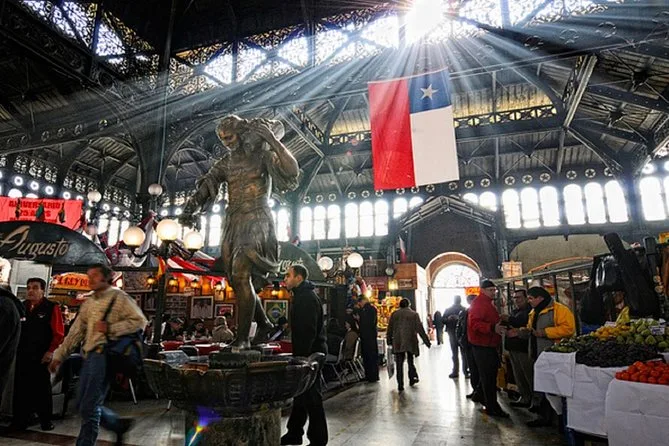
- Discover Santiago Central Market
- Cross Mapocho river to Tirso de Molina market
- Walk through Forestal Park
- Visit Fine Arts Museum
- End tour in Lastarria neighborhood

The Experience
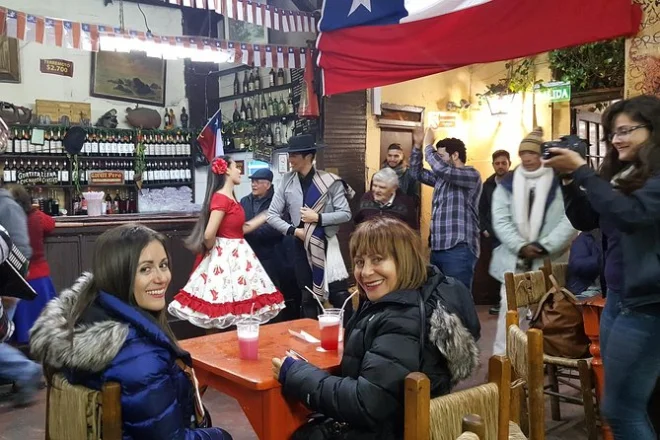
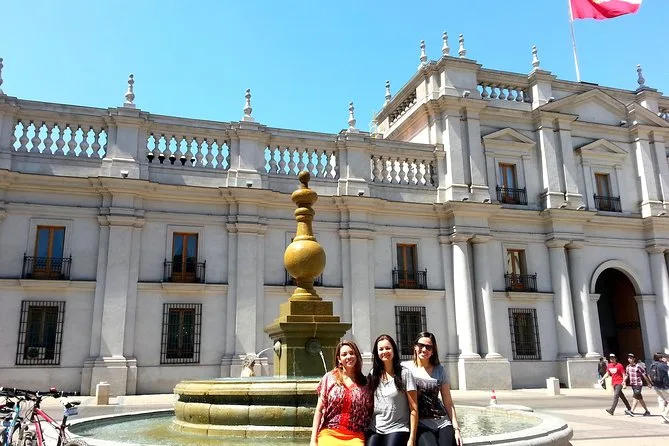
I didn’t expect to start my morning right in front of La Moneda Palace—there’s something about seeing those Chilean flags waving against the old stone that made me pause. Our guide, Camila, was already chatting with a street vendor about the best sopaipillas (she swears by the ones near Constitution Square). She started telling us stories about the dictatorship years as we walked, her voice low but steady. It felt strange to stand where so much history happened and then turn onto Calle Nueva York, which is quieter than you’d think for such an old street. I kept noticing little things: the way people greet each other here is softer than back home, more nods than waves.
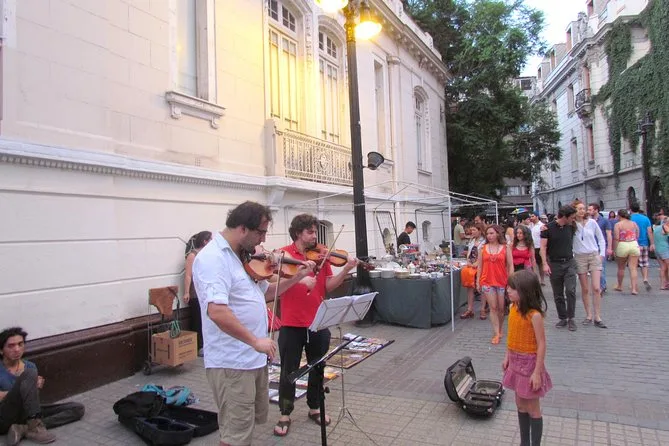
Paseo Ahumada was next—honestly, it’s busy and loud and full of life. There were buskers playing guitar under those big sycamore trees and a guy selling fresh orange juice from a cart. At Plaza de Armas, Camila pointed out the Mapuche monument while an old man painted tiny watercolors nearby. I tried saying “Catedral Metropolitana” like she did (I definitely butchered it—she laughed). The cathedral itself smells faintly of wax and echoes with footsteps. We ducked into the Central Post Office too; it still has these beautiful old counters that remind me of my grandmother’s stories for some reason.
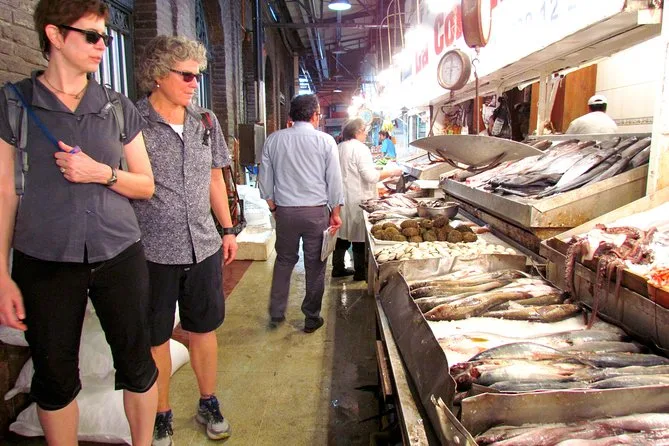
Afterward we crossed over the Mapocho river—the water looked brownish but sparkled in the sun—and wandered through Tirso de Molina market. The fruit stalls smelled like ripe peaches and cilantro. I bought a handful of cherries just because they looked so bright. Forestal Park was shady and cool compared to the city streets; there were kids kicking around a ball and someone sketching on a bench. We ended up at Bellas Artes Museum (it was open that day), but honestly I got distracted by all the murals outside.
The last part took us into Barrio Lastarria, which feels like another world after all that bustle—a little slower, more artsy. People sat at sidewalk tables drinking coffee or maybe wine (it was noon but who cares?). Camila said this is where she comes for movies or poetry readings. I liked how everyone seemed to know each other here. We finished our Santiago walking tour with her recommending empanadas from a tiny bakery—I still think about those flaky crusts sometimes when I’m hungry late at night.

What’s included
- Your day includes a friendly bilingual English/Spanish guide who’ll share stories as you explore by foot.
- optional digital photos sent after your walk if you want them.
- flexible stops depending on what’s open or what you’re curious about along the way—plus plenty of chances to try local snacks at your own pace before finishing in Barrio Lastarria.
Operated by Huaso Tours & Bike Rental Santiago
Traveler reviews
Compare the 13 similar options
 Santiago: Private Walking Tour with Markets & Lastarria Art★ 4.88 (259)3hEN · PT +1US$ 85
 Santiago Evening Bike Tour: Providencia to Bellavista at nightGuided night bike tour of Santiago with helmet, lights and gloves included—ride through Providencia, Plaza de Armas, La Moneda and Bellavista to see the city illuminated.★ 4.74 (53)3hEN · PT +1US$ 88View ›
 Santiago City Tour: Half-Day Landmarks & Local Snack with PickupStep into Santiago’s vibrant neighborhoods, see La Moneda Palace, Santa Lucia Hill, and taste a fresh empanada. Small group tour with hotel pickup included.★ 4.77 (540)6hEN · PT +1US$ 145View ›
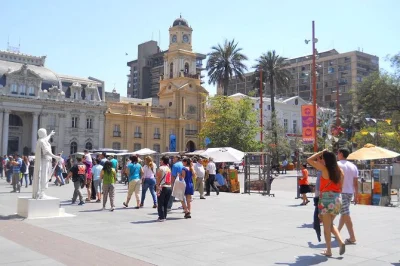 Santiago: Private City Tour, Central Market & San Cristobal HillFeel Santiago’s rhythm on a private city tour—walk downtown, taste seafood at Central Market, ride the San Cristobal cable car. Includes hotel pickup & bilingual guide.★ 4.94 (295)5hEN · PT +1US$ 149View ›
 Santiago: Pablo Neruda House & Maipo Valley Wine TourPrivate tour of Neruda's Isla Negra home, Pomaire pottery village, and Undurraga Vineyard with tastings. Bilingual guide and fees included.8h 30mEN · ESUS$ 165View ›
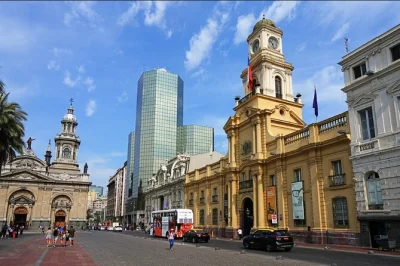 Santiago: Half-Day City Tour with Cable Car & Local GuideHalf-day Santiago tour with San Cristóbal cable car, Barrio Lastarria, and La Moneda Palace. Includes hotel pickup, guide, and entry tickets. Around 4 hours.★ 4.89 (156)4hEN · PT +3US$ 144View ›
 Santiago Walking Tour: La Moneda & Plaza de ArmasWalk Santiago's colonial heart with a certified guide—La Moneda Palace, Plaza de Armas, the Metropolitan Cathedral★ 4.77 (26)2h 30mEN · PT +1US$ 39View ›
 Santiago walking tour: Old city, Plaza de Armas, BellavistaWalk Santiago's historic center from Palacio de la Moneda through Plaza de Armas and the Cathedral, ending in the Bellavista neighborhood★ 4.92 (615)3hEN · PT +1US$ 25View ›
 Santiago Street Food Tour: 4+ Tastings in Barrio LastarriaTaste Chilean street food classics like humitas and sopaipillas with a local guide through Santiago's markets and Barrio Lastarria★ 4.70 (76)3hEN · IT +2US$ 57View ›
 Santiago: Museum of Memory & Human Rights with Political AnalystGuided tour of Santiago's Museum of Memory and Human Rights with political analyst Héctor. Covers the 1973-1990 dictatorship, archives, and street art. Includes coffee.★ 5.00 (3)1h 40m–2h 20mEN · ESUS$ 65View ›
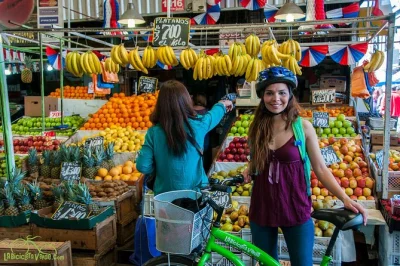 Santiago: Bike Tour Bellavista Markets & Pablo Neruda HousePedal through Santiago’s Bellavista street art, taste fresh market snacks, and visit Pablo Neruda’s house on a small-group bike tour with local guide and snacks included.★ 4.89 (405)3hEN · ESUS$ 43View ›
 Santiago Private Walking Tour with Hotel Pickup: 5 HoursPrivate walking tour of Santiago with a bilingual guide, hotel pickup and drop-off included—explore Plaza de Armas, La Moneda Palace★ 4.81 (86)5hEN · ESUS$ 130View ›
 Santiago Walking Tour: Queer History & City LandmarksPrivate walking tour of Santiago with an LGBT+ guide covering La Moneda Palace, Plaza de Armas and the neighborhoods where queer history unfolded★ 4.97 (30)2h–4hEN · ESUS$ 65View ›
Top questions
How long does the Santiago private walking tour last?
The tour lasts approximately 3 hours.
Is this Santiago walking tour suitable for kids?
The minimum age is 8 years old; infants can join in strollers or prams.
What main sights are included on this Santiago walking tour?
You’ll see La Moneda Palace, Plaza de Armas, Metropolitan Cathedral, Central Market, Forestal Park, Bellas Artes Museum (if open), and Barrio Lastarria.
Does the tour include entry to museums?
A brief visit inside Bellas Artes Museum is included if it’s open; otherwise an alternate stop is provided.
Are food or drinks included during the tour?
No meals or drinks are included; you can buy snacks at markets along the way.
Is pickup included for this Santiago walking tour?
No hotel pickup is included; you meet your bilingual guide at an agreed central location in Santiago.
How much walking is involved?
The route covers about 2.5–4 miles (4–6 km) mostly on sidewalks and park paths; comfortable shoes are recommended.
Can I bring my service animal?
Yes, service animals are allowed on this walking tour.
Santiago: Private Walking Tour with Markets & Lastarria Art
3h · EN · PT +1 · at your hotel
from US$ 85 per person
★★★★★★★★★★4.88259 reviewsVerified traveler reviews via our booking provider
