

 +507 6792-0894


Salvador: African Heritage City Tour with Local Guide
















Summary
Exploring salvador’s afro-brazilian roots on foot with a guide
You’ll walk Salvador’s historic center with a local guide who knows every story behind those pastel walls and cobbled lanes. Hear Candomblé drums in Pelourinho, see orixás at Dique do Tororó, and visit the Afro Museum’s rare Benin collection. With hotel pickup included and plenty of time for questions or photos, you’ll come away feeling connected to Salvador’s living African heritage.

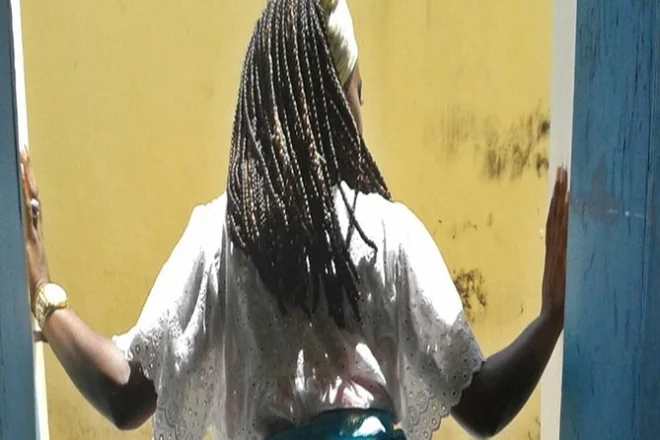
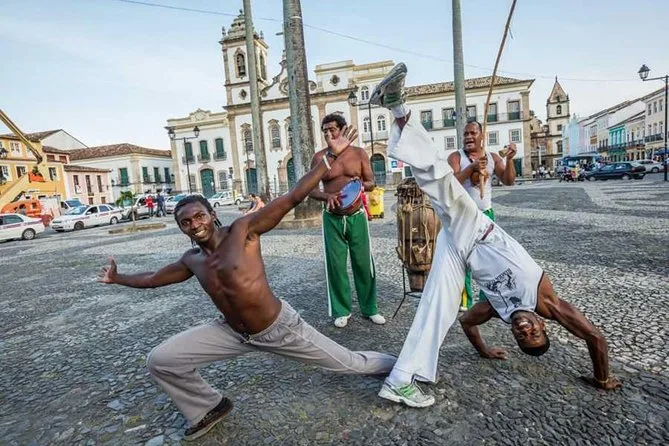
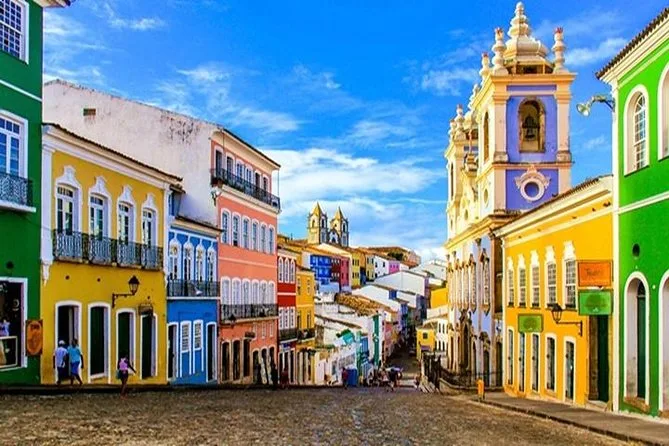
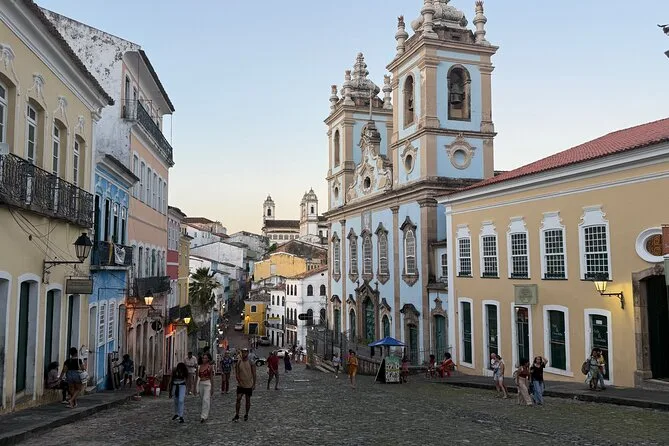
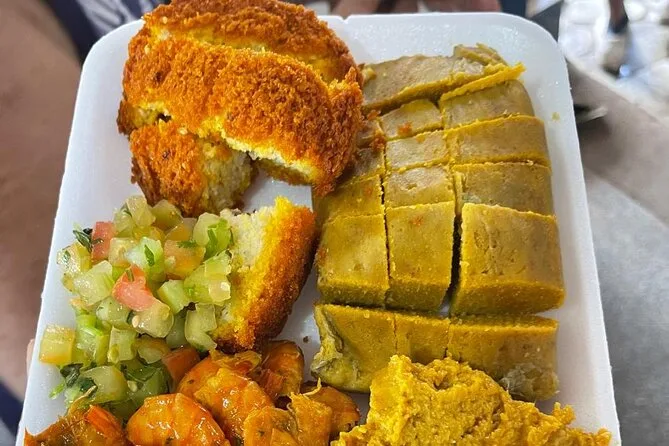
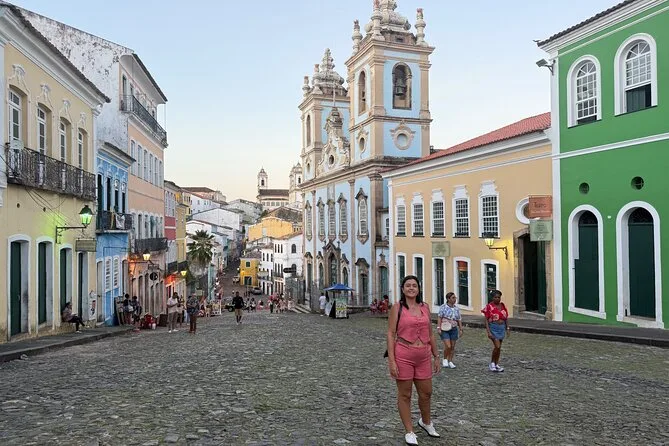
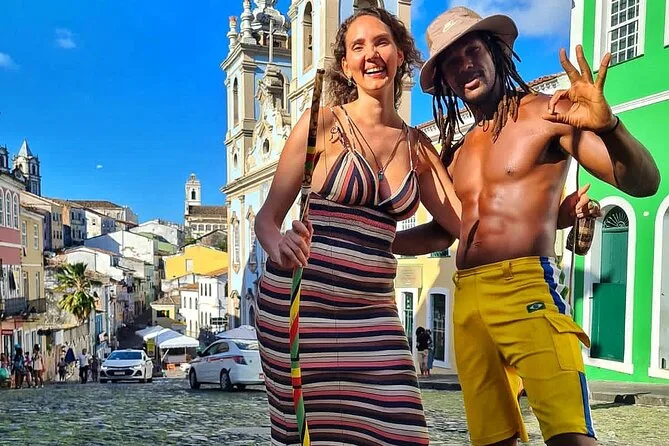
You hear the atabaques before you see anything — that soft, steady drumbeat echoing off the old stone in Pelourinho. Our guide, Ana, grinned when I stopped to listen. “Candomblé,” she said, almost whispering, like it was a secret you had to earn. The air smelled faintly of fried acarajé and sea breeze, which sounds odd but somehow fits Salvador perfectly. We started our African Heritage tour right there, in the middle of color and music and people selling ribbons for luck.
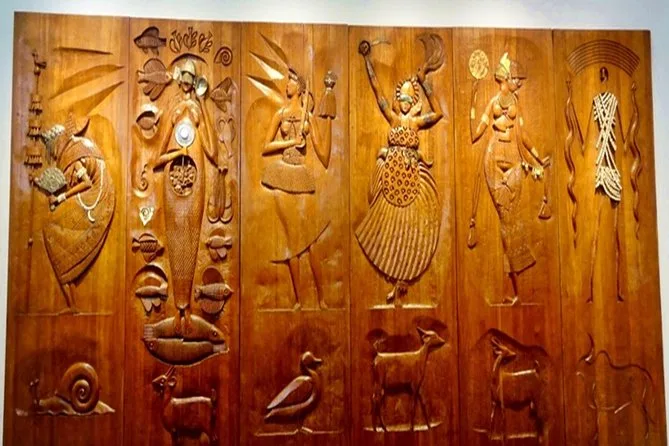
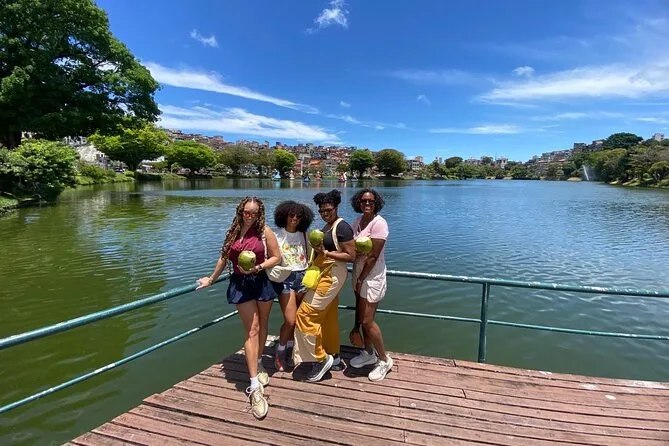
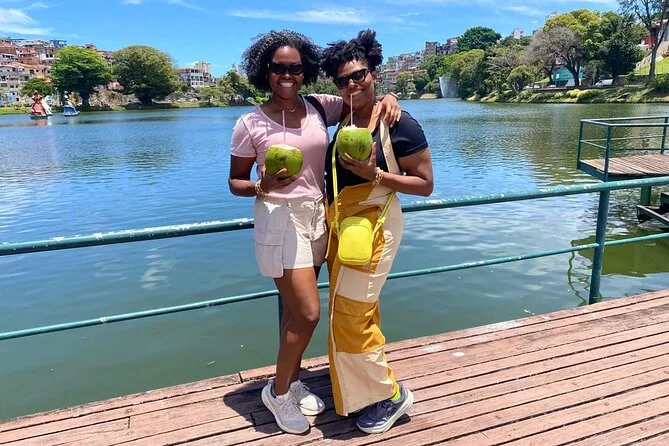
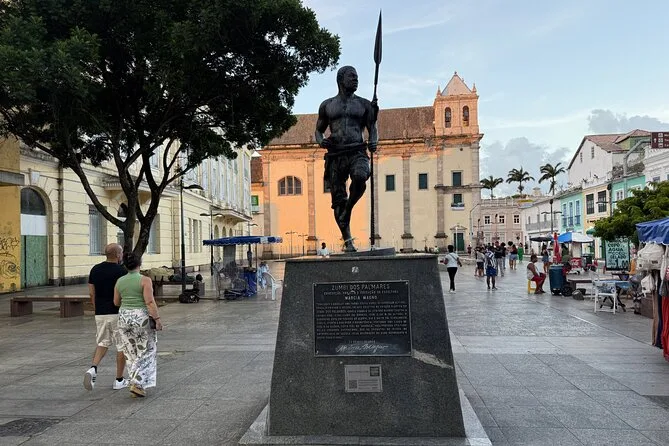
I didn’t expect to feel so much just walking these cobblestone streets. Ana pointed out where the old slave market used to be — honestly, it hit harder than I thought it would. She told us about the orixás at Dique do Tororó; their statues stand in the water, bright against the green. I tried to pronounce “Oxum” right (failed), and Ana laughed but corrected me gently. There’s something about seeing football fans streaming past sacred statues that makes Salvador feel layered, like every corner has a story you’re only half-hearing.
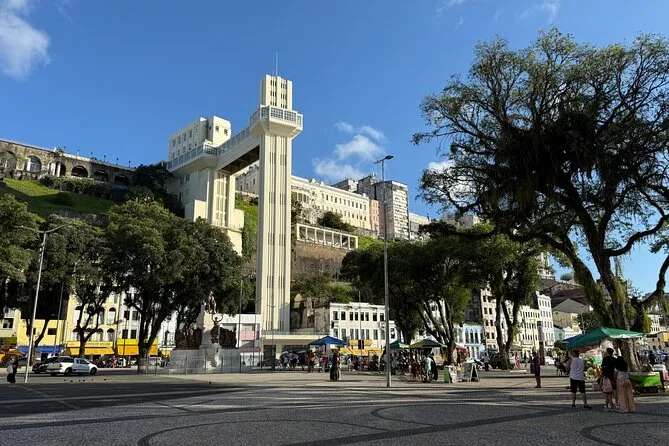
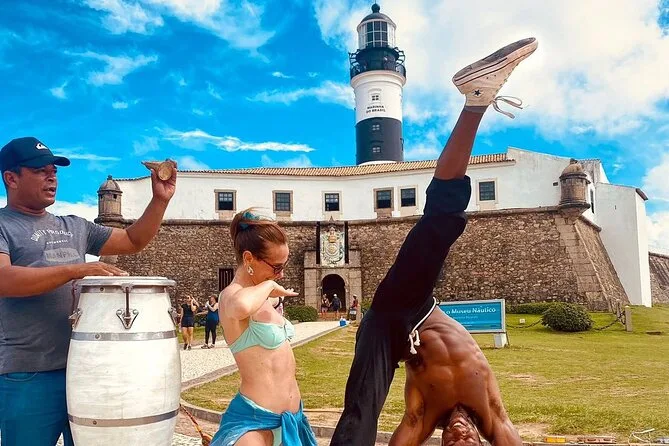
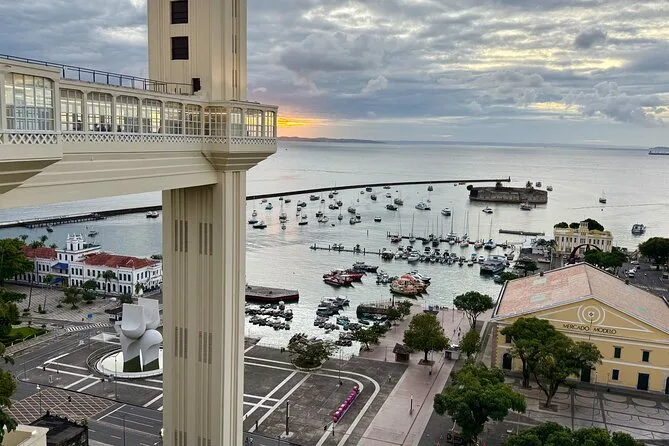
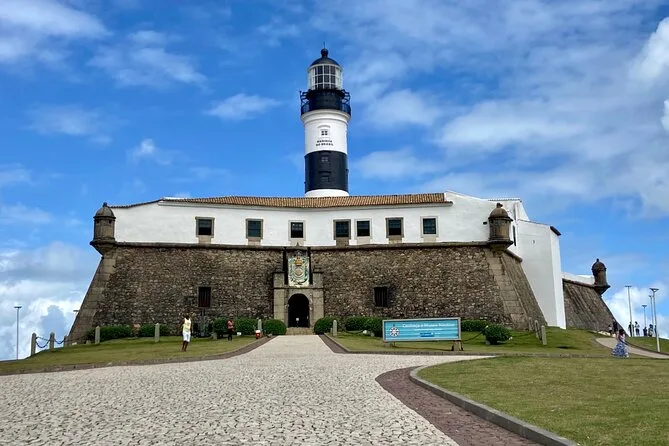
We passed by Mercado Modelo (didn’t go inside — maybe next time), then stood under the Lacerda Elevator looking up at its weirdly futuristic lines against all that colonial architecture. The sun was sharp but not too hot; people moved slow in the heat, fanning themselves with whatever they had. At Forte de Santo Antonio da Barra we stopped for photos — you can pay to go inside if you want, but honestly just standing there watching waves crash felt enough for me.
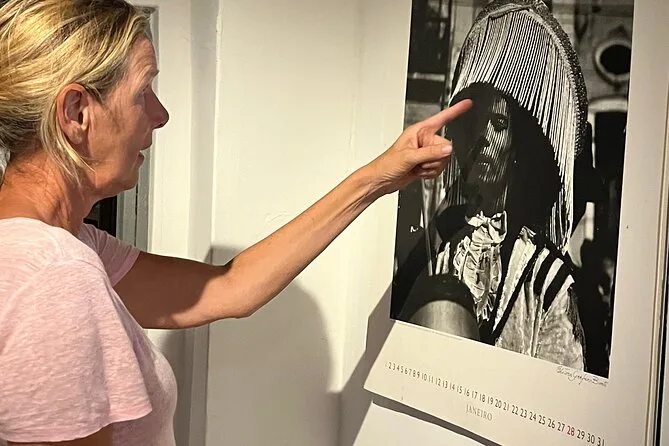
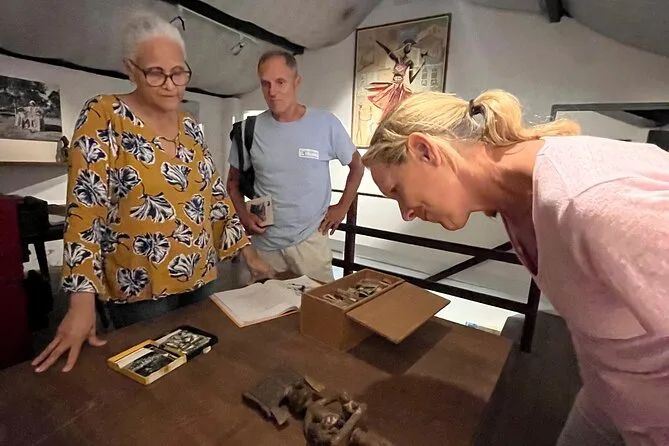
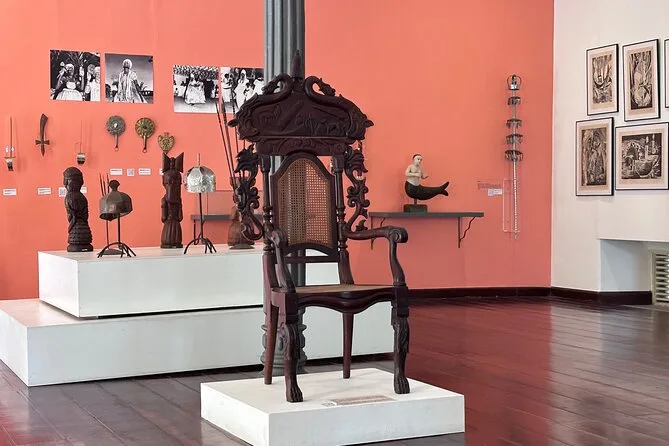
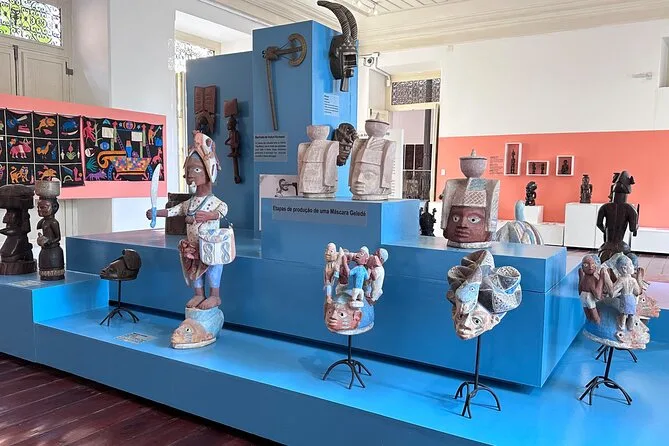
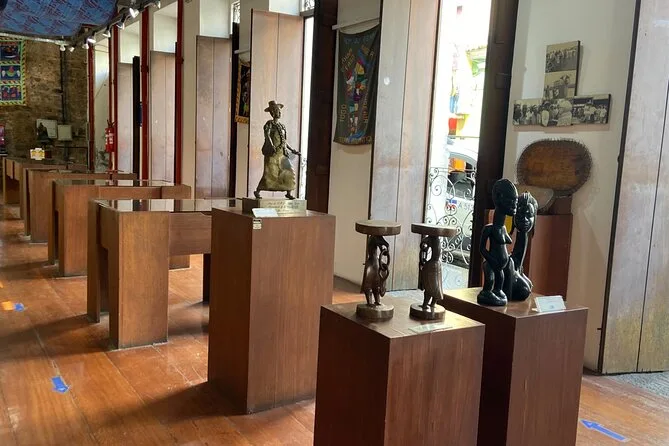
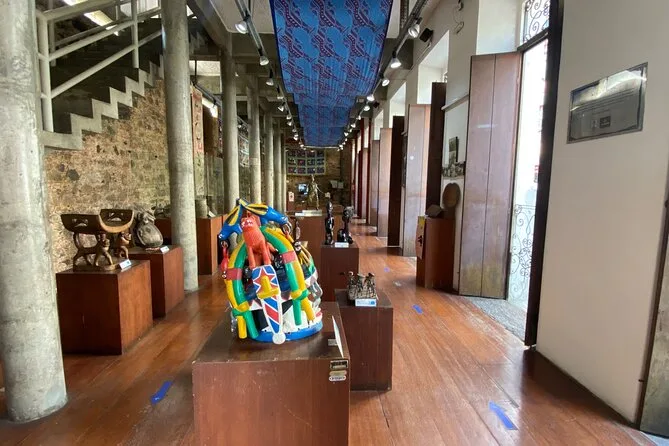
The Afro Museum surprised me most — Pierre Verger’s collection from Benin is small but powerful. There’s this carved mask I still think about sometimes; it looked both ancient and alive somehow. By the end of the day my feet hurt (should’ve worn better shoes), but I felt like I’d actually seen Salvador instead of just ticking off sights. It’s not a polished experience — more like being let in on something real for a few hours.
 4h
4h

Step-by-step itinerary
Day 1 — Salvador African Heritage Tour
- The first beach of the city from Portuguese arrival
- Photo stop at Forte de Santo Antonio da Barra
- Visit Tororo Dike and football stadium view
- View Lacerda Elevator from below
- Pass by Modelo Market for photos
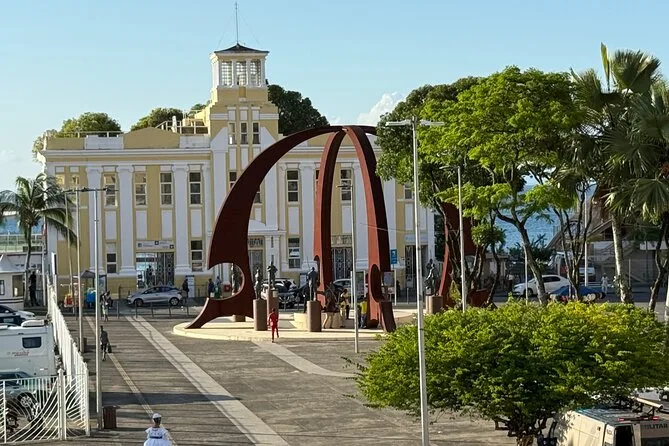
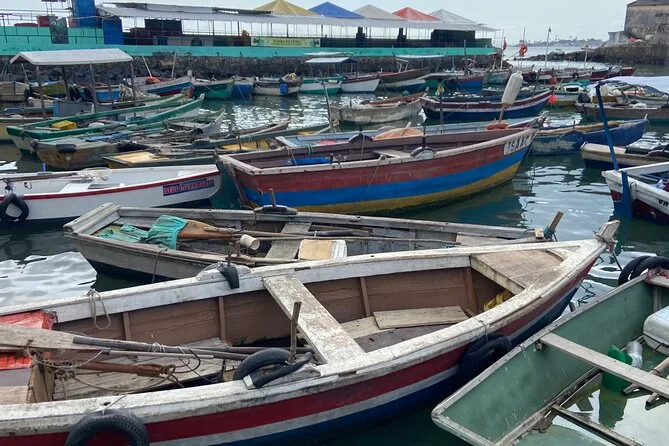
- Pass through Cidade Baixa historic African sites
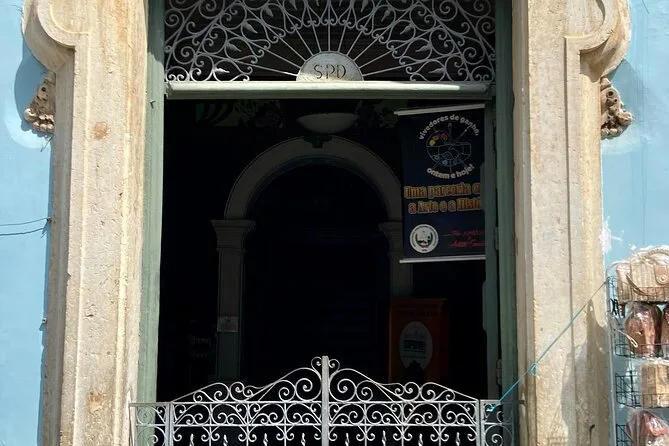
- Walking tour of Cidade Alta old city
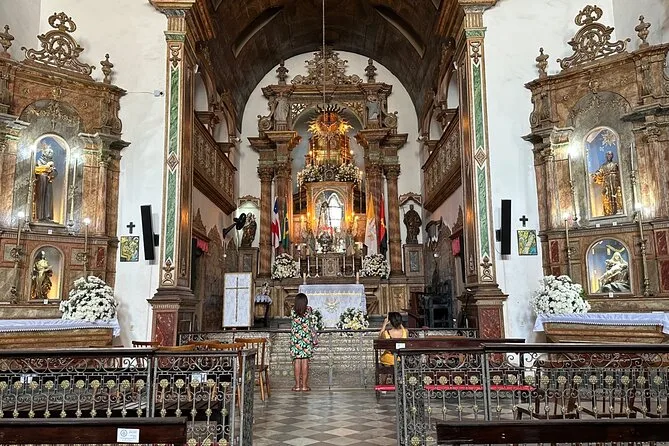
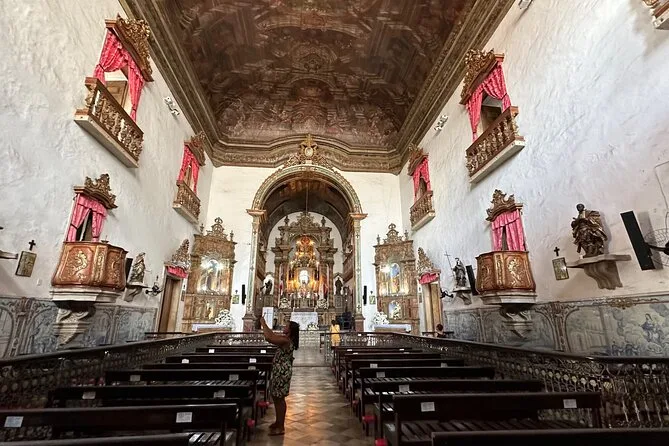
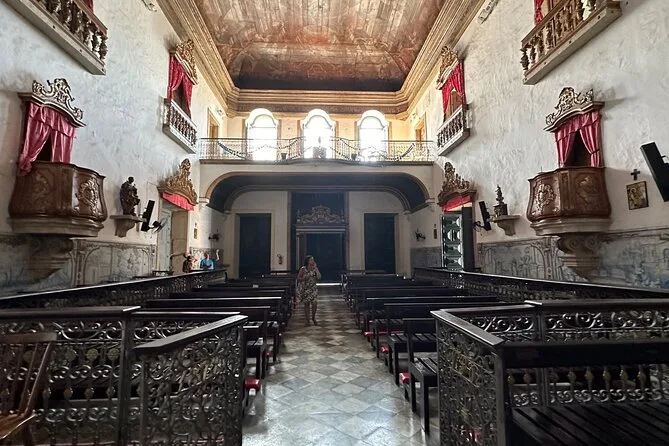
- Visit historic church with African cultural elements
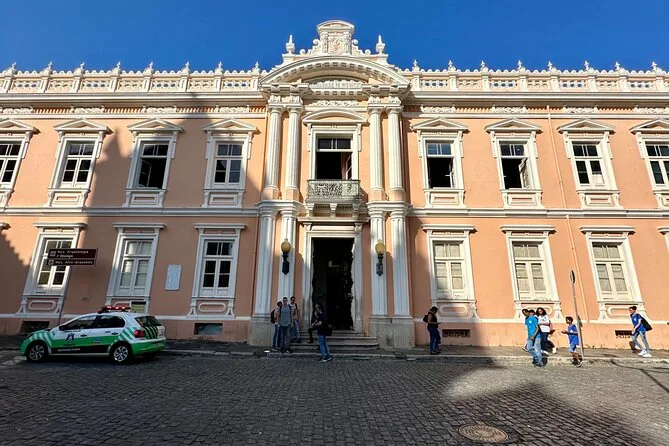
- Explore Pierre Verger House collection

Top questions

Is hotel pickup included in this Salvador African Heritage tour?
Yes, hotel pickup and drop-off are included in your booking.
Do I need to wear specific clothing for this tour?
Yes, knees and shoulders must be covered for entry into churches or museums—no shorts or sleeveless tops allowed.
How long do we spend at each attraction?
The stop at Forte de Santo Antonio da Barra is about 20 minutes; other stops vary depending on interest and guide pacing.
Will we enter Mercado Modelo during the tour?
No, you will pass by Mercado Modelo and can take photos outside but won’t enter during this tour.
Is this Salvador city tour suitable for children or strollers?
Yes, infants and small children can ride in a pram or stroller during the walking portions.
Are entry fees included for all attractions?
No, entry to Forte de Santo Antonio da Barra is not included; tickets cost R$12 per person if you wish to go inside.
What languages does the local guide speak?
The guide speaks Portuguese and may also speak English—confirm language options when booking.
Does this tour include lunch or food stops?
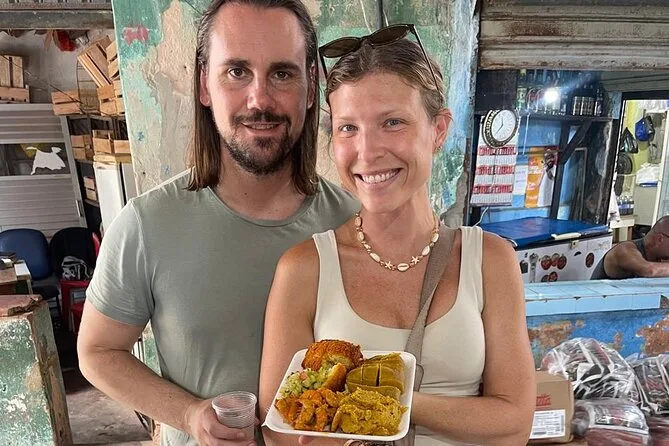
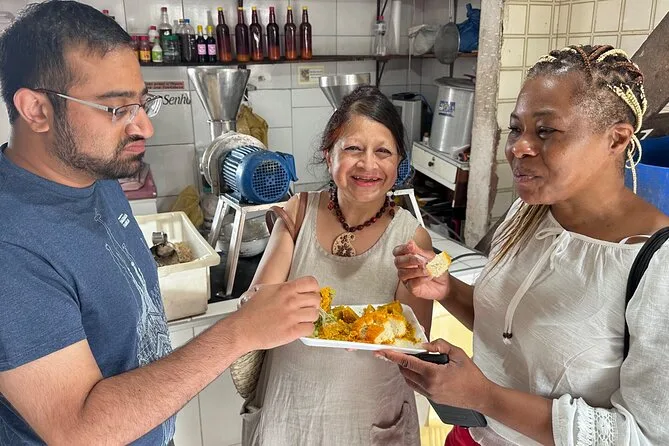
No meals are included; however, you’ll pass street vendors selling typical Bahian snacks along the way.

What’s included
Your day includes hotel pickup and drop-off plus a personal local guide who leads walking tours through Salvador’s historic neighborhoods; entry fees are not included except where specified—bring some cash if you want to enter certain sites like Forte de Santo Antonio da Barra.
 Super deal
  Free booking, free cancellation.
  Don't lose your place.


 Do you need help planning your next activity?
  +507 6792-0894


