

 +507 6792-0894


Rio Little Africa Walking Tour: Samba, History & Afro-Brazilian Art
 3h 30m
 4.90
(233 reviews)
4.90
(233 reviews)






Summary
Walk Rio’s Little Africa for music, stories & living memory
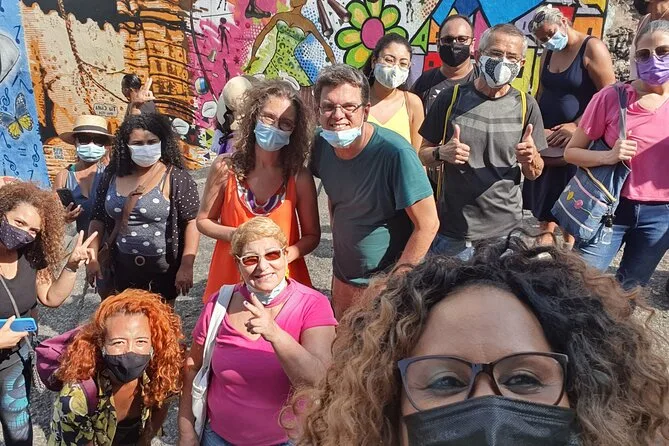
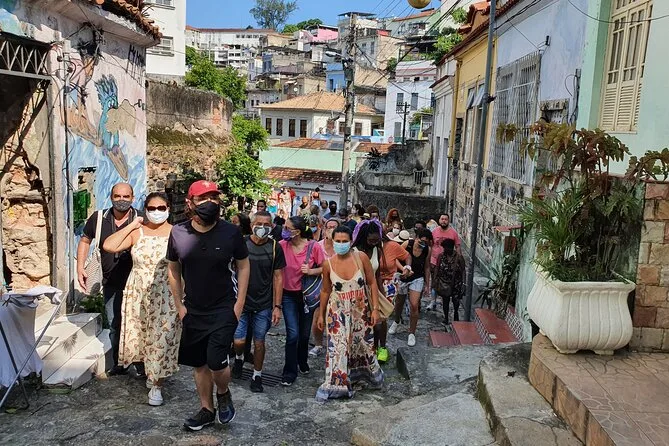
You’ll walk Rio’s Little Africa with a local guide who brings lost stories back to life—from samba rhythms at Pedra do Sal to quiet moments at Cais do Valongo and powerful murals near the port. Expect honest conversations, unexpected laughter, and real traces of Afro-Brazilian memory you might carry home longer than you expect.

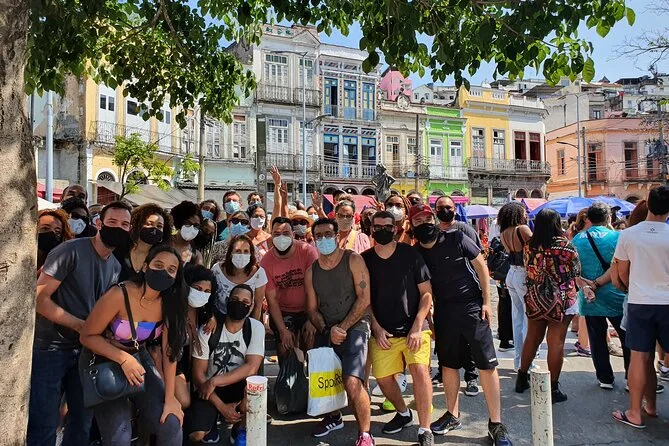
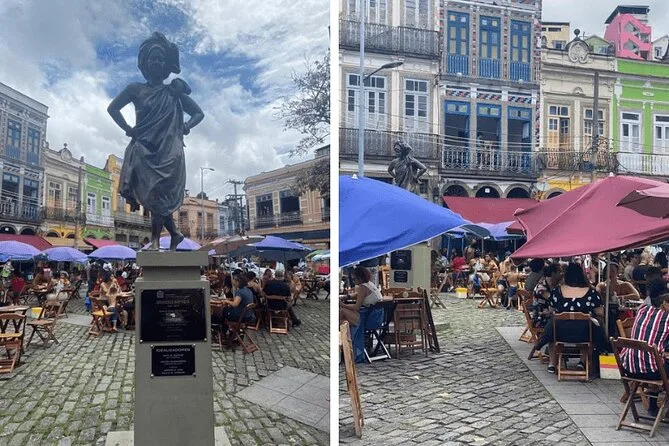
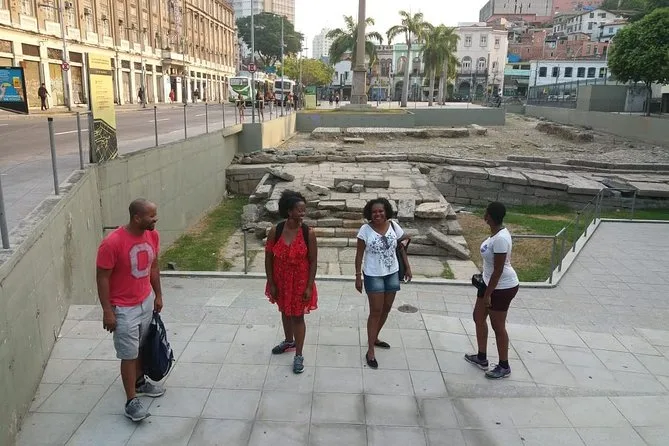
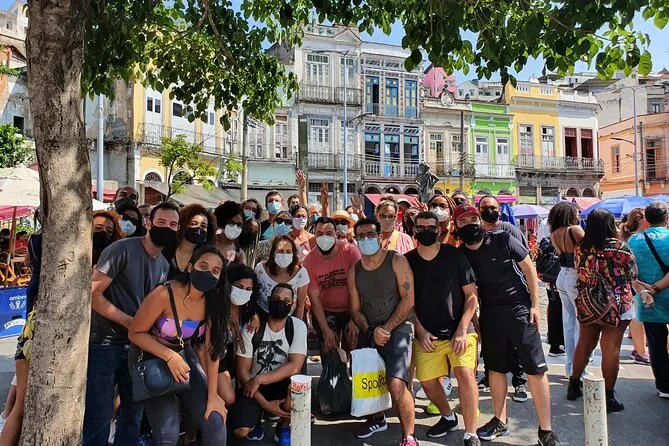
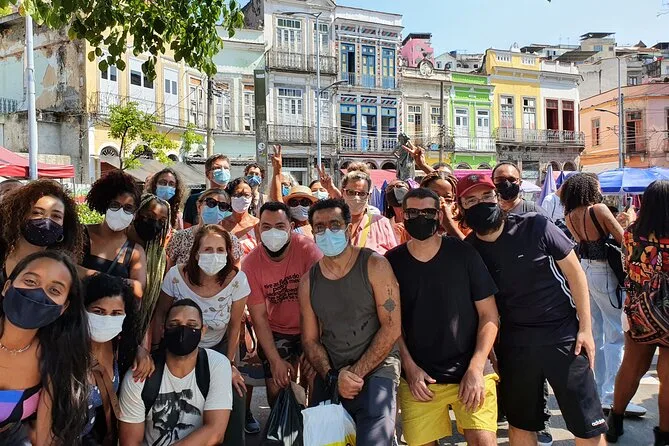
I felt a weird mix of nerves and excitement as we met Florencio outside the Museu de Arte do Rio. The square was busy—buses honking, someone selling coconut water, and the air already sticky even though it wasn’t that late in the morning. I’d read about Little Africa before but standing there, looking at the old port buildings and watching locals chat in quick Portuguese, it hit different. Florencio started us off with a story about Mercedes Baptista right by her statue—first Black ballerina in Rio’s big theater. He said her name with so much pride I almost felt embarrassed I hadn’t heard of her before.
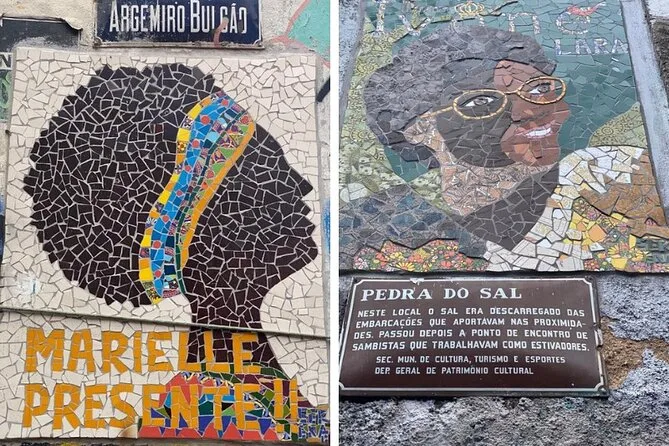
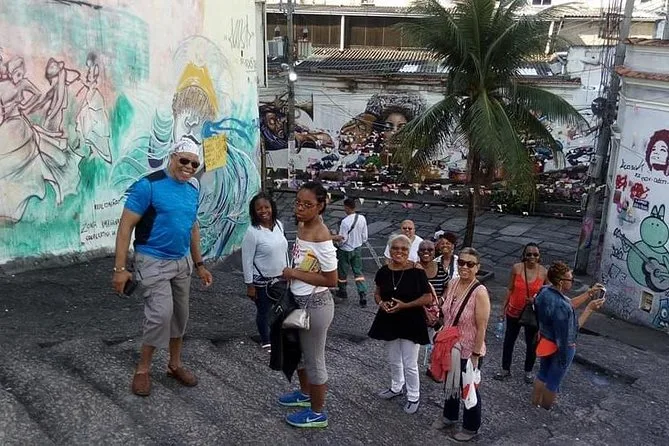
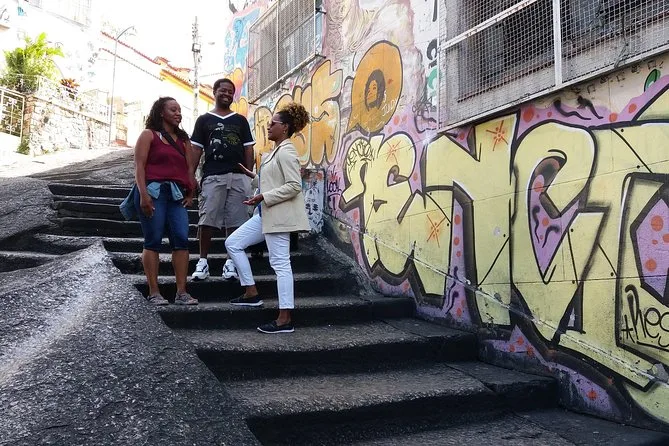
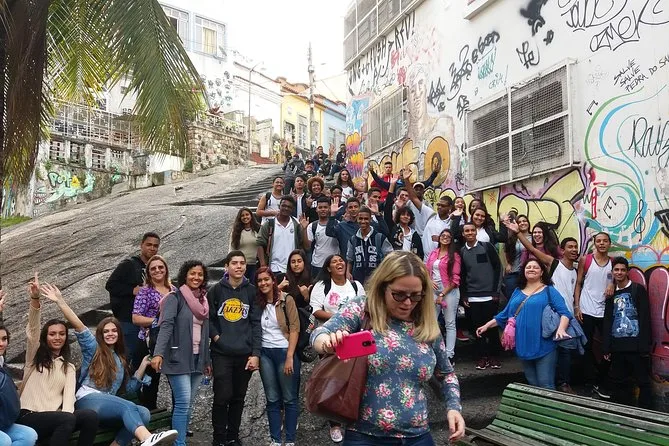
Largo da Prainha was buzzing—music leaking from open doors, some guys laughing over beer (the kind that sweats faster than you can drink it here), and that low thump of samba somewhere close by. At Pedra do Sal, Florencio pointed out the old stone steps carved by enslaved Africans. He ran his hand along them and told us how people still gather for samba circles here on Mondays. I tried to picture those nights—Pixinguinha playing, Bahian women cooking—and honestly got goosebumps thinking about all that history just sitting under our feet. There’s this salty tang in the air from the port too; you notice it if you pay attention.
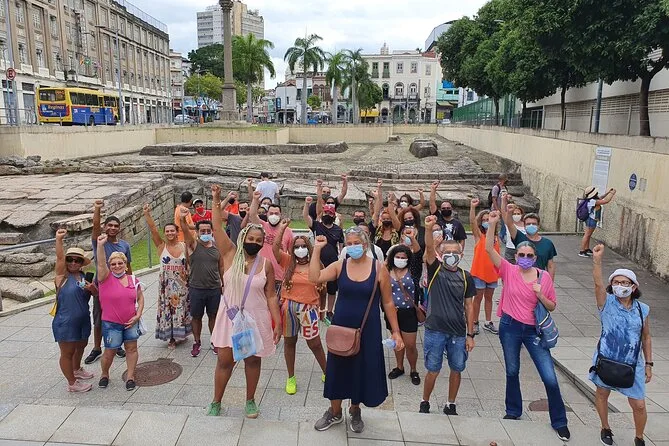
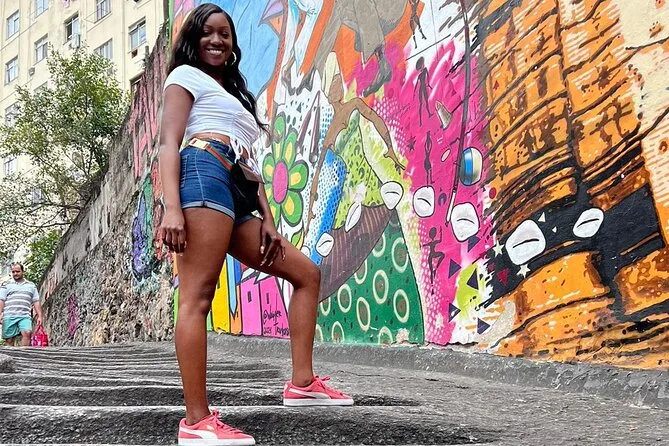
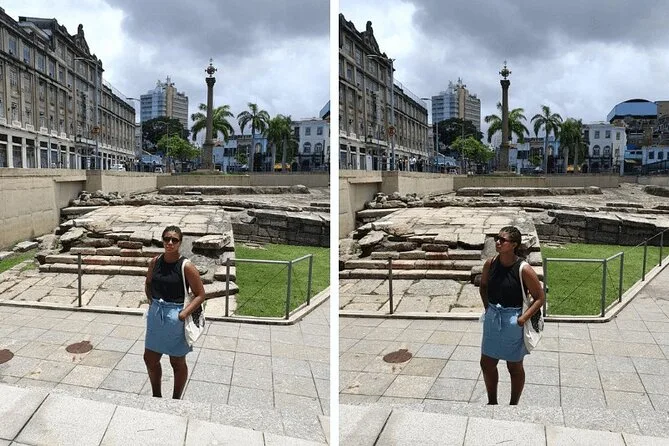
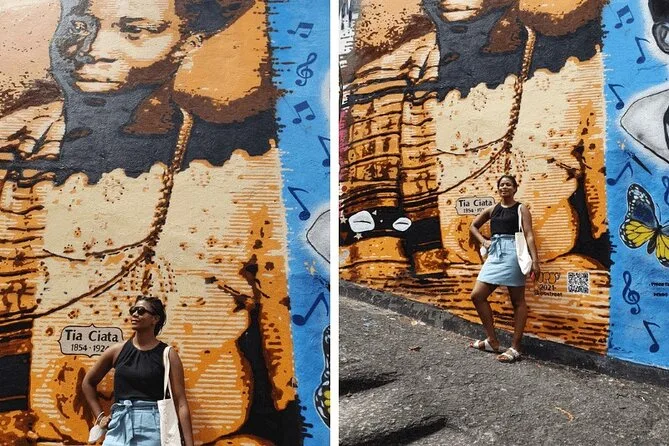
Cais do Valongo was quieter than I expected. Just stones and sun and a few kids kicking a ball nearby, but knowing nearly a million people arrived here against their will… it makes your stomach twist a bit. Florencio didn’t sugarcoat anything—he talked about pain but also survival, how Afro-Brazilian culture shaped everything from carnival to what people eat for lunch now. We wandered past the Ethnicities mural—honestly massive—and he explained each face painted there came from a different continent. I probably missed half of what he said because I kept staring at all that color splashed across concrete.
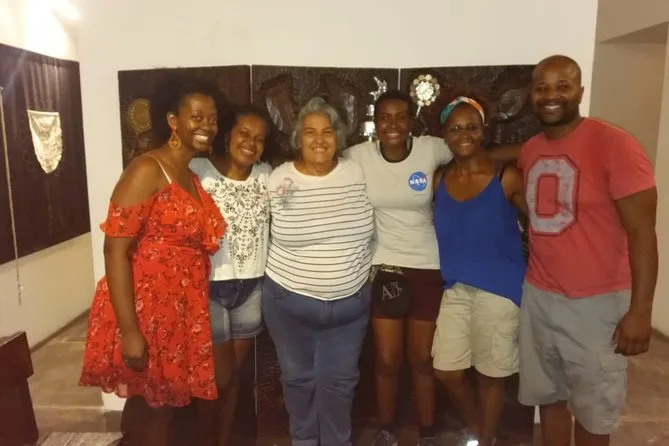
MUHCAB and IPN were our last stops—a museum built on top of an old cemetery for enslaved Africans. It smelled faintly musty inside (like every museum ever), but there were these handwritten notes and family photos on display that made it feel personal instead of distant history. One woman working there smiled when I tried to say “obrigado” with my bad accent; she laughed and corrected me gently. That stuck with me more than any artifact did.
3h 30m

Step-by-step itinerary
Day 1 — Explore Little Africa's cultural heritage
- Meet at Museum de Arte do Rio
- Visit Mercedes Baptista Statue at Largo da Prainha
- Explore samba history at Pedra do Sal
- Tour Cais do Valongo wharf site
- View Ethnicities mural in Zona Portuária
- Visit MUHCAB museum in Little Africa
- Explore IPN museum and archaeological site

Top questions

Where does the Rio Little Africa walking tour start?
The tour meets at Museu de Arte do Rio (MAR) at Praça Mauá, 5 - Centro.
Is hotel pickup included for this tour?
No hotel pickup is included; meeting point is at MAR museum.
How long does the walking tour last?
The exact duration isn’t specified but expect several hours covering multiple sites in Little Africa.
What are some highlights visited on this day trip?
You’ll see Mercedes Baptista Statue, Pedra do Sal, Cais do Valongo, Ethnicities mural, MUHCAB museum, and IPN site.
Is this tour suitable for all fitness levels?
Yes, it's suitable for all fitness levels but not recommended for those with spinal injuries or poor cardiovascular health.
Does the tour include entry fees or transport?
An air-conditioned vehicle is included; public transport options are nearby if needed.
What languages does the guide speak?
This isn’t specified directly but local guides typically speak Portuguese and may offer English or Spanish explanations.
Are infants allowed on this walking tour?
Infants are allowed but must sit on an adult’s lap during any vehicle transfers.

What’s included
Your day includes walking through Rio’s historic port area with a knowledgeable guide who shares stories at every stop; travel by air-conditioned vehicle where needed; plus access to important sites like MUHCAB museum—all set up so you just show up at Museu de Arte do Rio and let yourself be led through layers of history most visitors never really see.
 Super deal
  Free booking, free cancellation.
  Don't lose your place.


 Do you need help planning your next activity?
  +507 6792-0894


