
Photography Tour Himalayas: Red Monks & Tiger's Nest
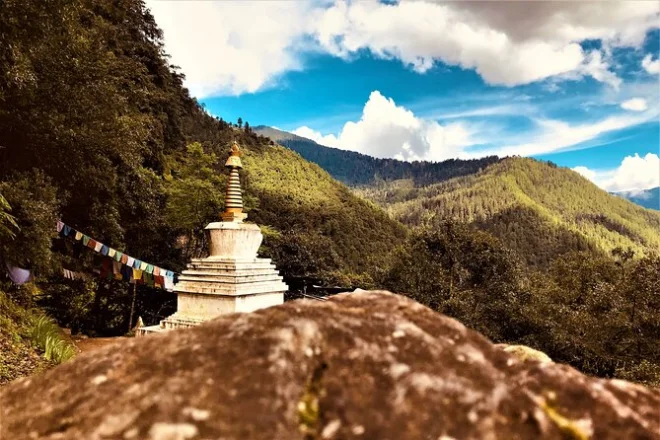
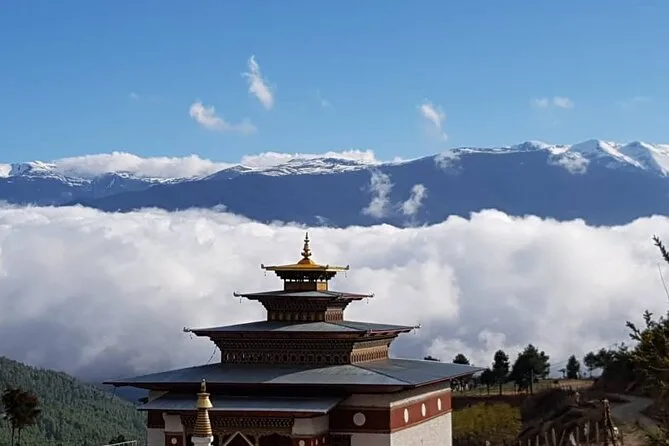
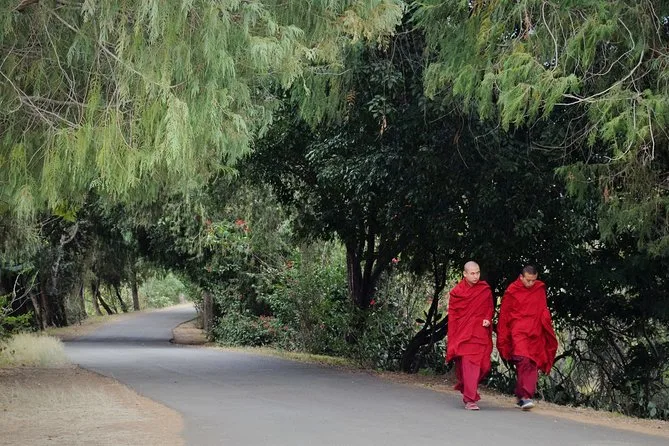
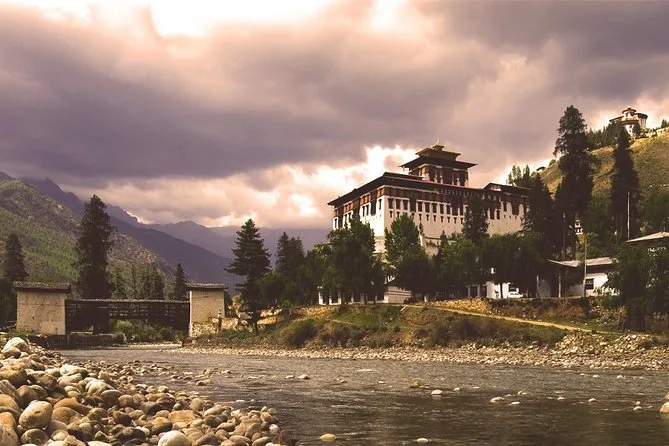
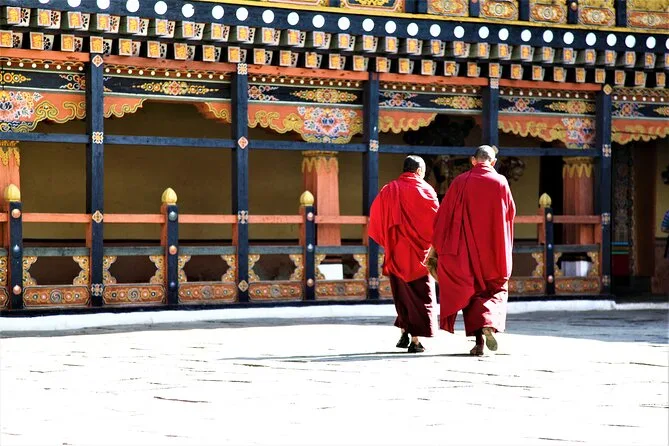
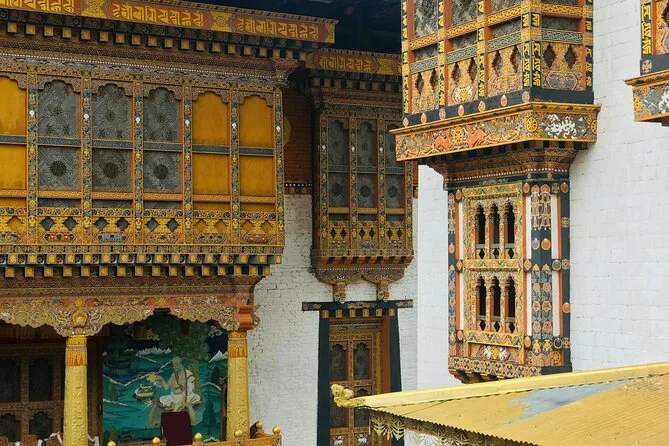
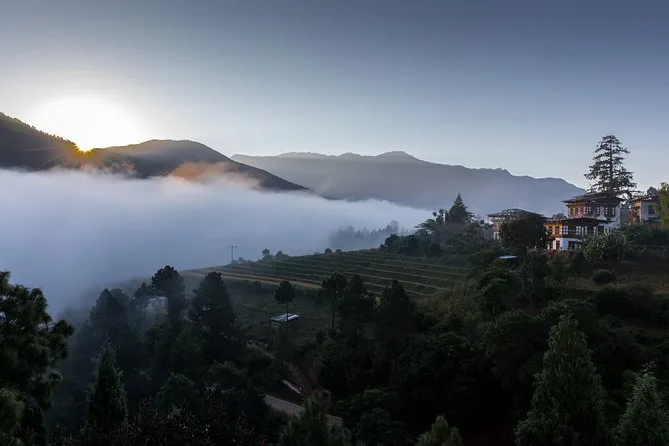
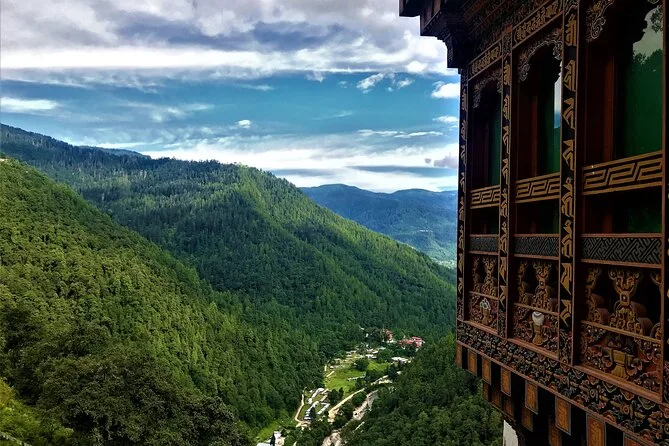
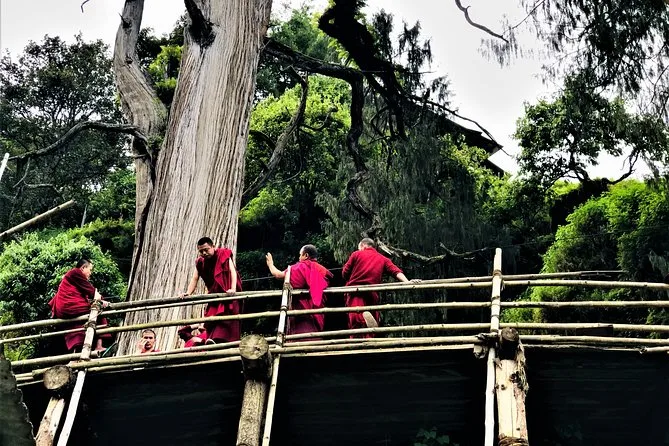
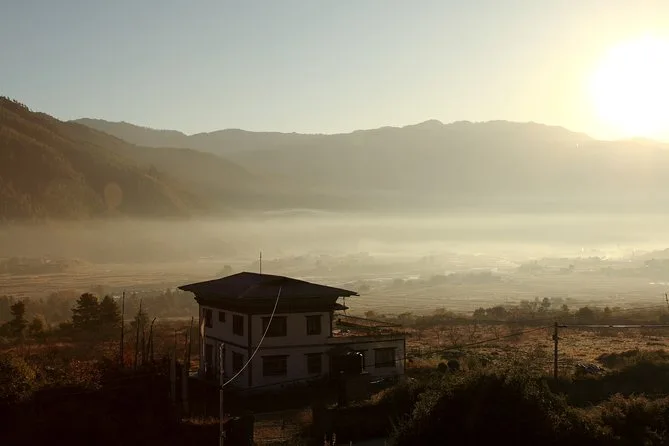
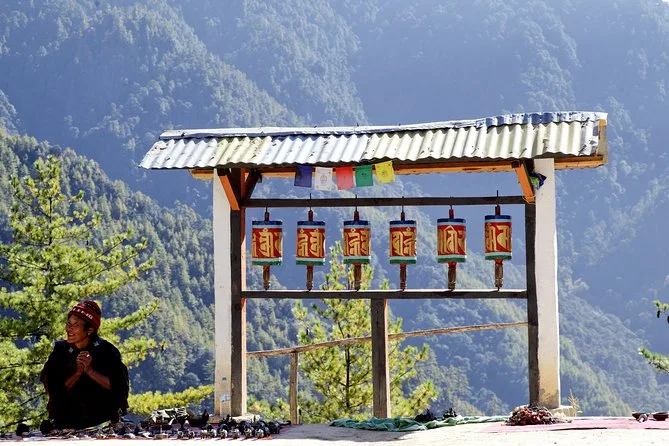
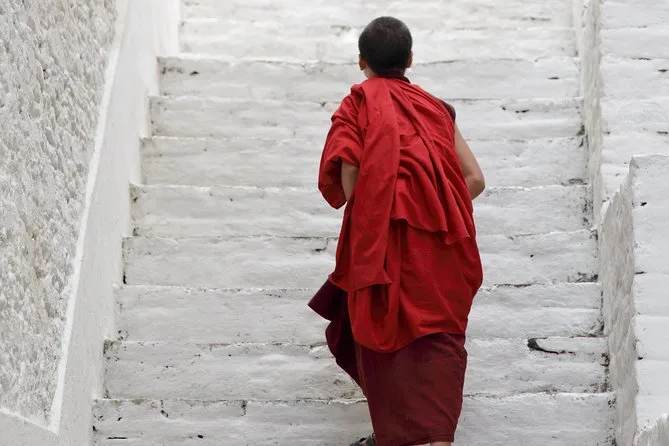
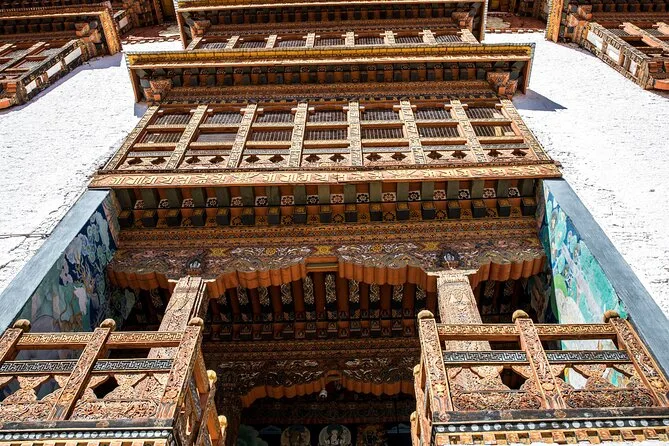
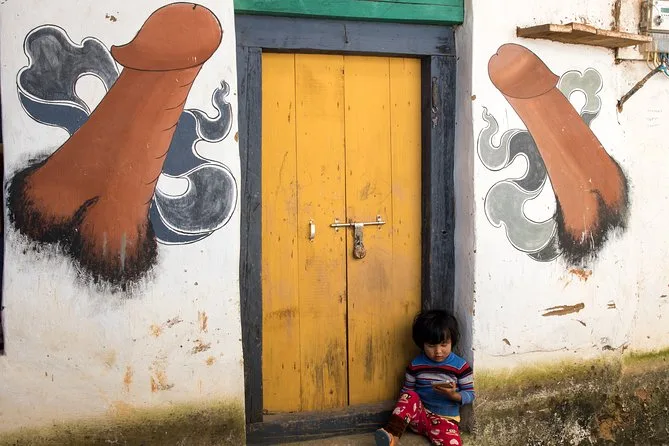
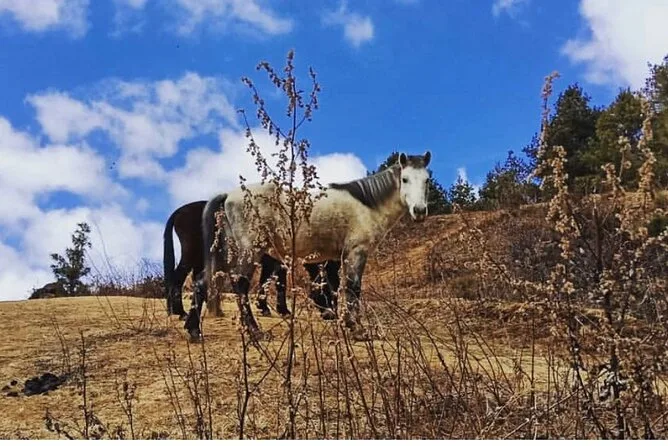

Capture quiet moments with red-robed monks and the Tiger’s Nest cliffside view
You spend 10 days moving through Bhutan's most photographed valleys and monasteries—Tiger's Nest, Dochu La's 108 stupas, Ura valley, Gangtey Monastery, and five major dzongs—with a certified guide handling permits and timing. All flights (international and domestic), hotels, meals, transportation, and the government sustainability fee are included. The pace allows you to return to key locations at different times of day and work with natural light rather than racing between stops.
 11d
11d

Step-by-step itinerary
Day 1 — Arrive Paro and visit Tachhog Lhakhang
- Fly into Paro with Himalayan views
- Drive to Thimphu (54 km, 1.5 hours)
- Visit Tachhog Lhakhang temple
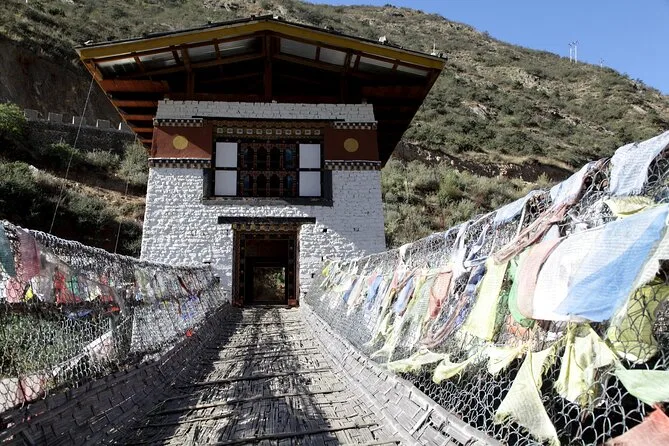
- Cross iron chain bridge over Paro river
Day 2 — Explore Thimphu monasteries and dzong
- Hike to Cheri monastery
- Climb to Tango Monastery
- Photograph Tashichoe Dzong
Day 3 — Thimphu to Punakha via Dochu La
- Photograph Buddha Dordema at sunrise
- Drive to Punakha
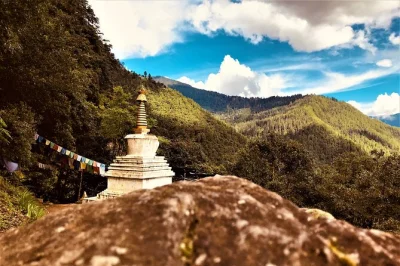
- Stop at Dochu La pass and photograph stupas
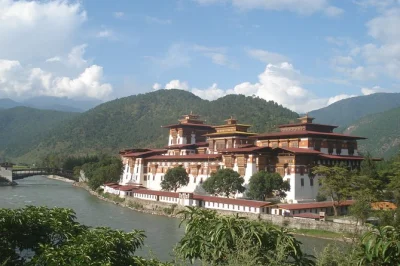
- Visit Punakha Dzong
Day 4 — Punakha to Phobjikha Valley visit
- Walk to Chimi Lhakhang temple
- Visit Gangtey Monastery
- Visit local farmhouse and photograph daily life
Day 5 — Phobjikha to Trongsa with hikes
- Hike Gangtey Nature Trail
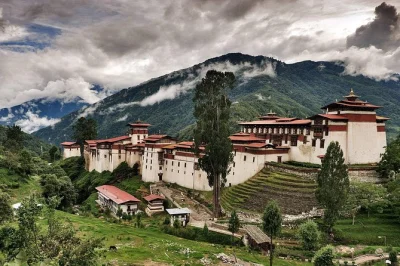
- Visit Trongsa Dzong and photograph monks
- Visit Royal Heritage Museum
Day 6 — Trongsa to Bumthang temples tour
- Visit Tamshing monastery
- Visit Kurjey Lhakhang
- Visit Jambay Lhakhang temple
Day 7 — Explore Ura valley and hike
- Photograph Jakar Dzong at sunrise
- Explore Ura village and valley
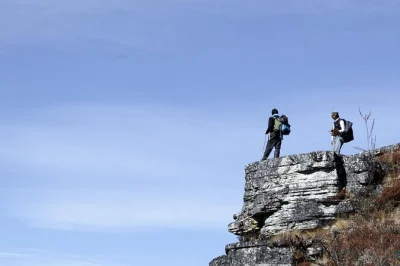
- Hike from Shelthang La to Ura village
Day 8 — Explore Tang valley and Ogyen Choling
- Photograph Maebar Tsho lake
- Visit Ta Rimo Chen area
- Visit Ogyen Choling village and mansion
Day 9 — Fly Bumthang to Paro and explore
- Fly from Bumthang to Paro
- Visit Paro Dzong and photograph monks
- Optional visit to Namgay Artisanal Brewery
Day 10 — Hike to Tiger's Nest monastery
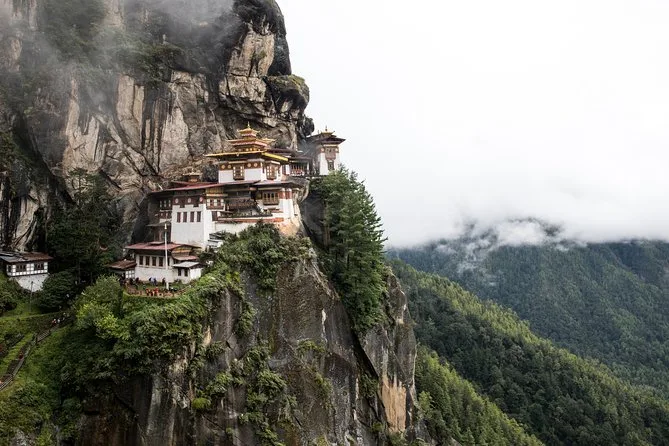
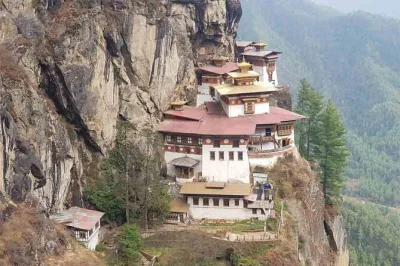
- Hike to Tiger’s Nest (Taktshang)
Day 11 — Departure from Paro
- Transfer to Paro airport

The Experience
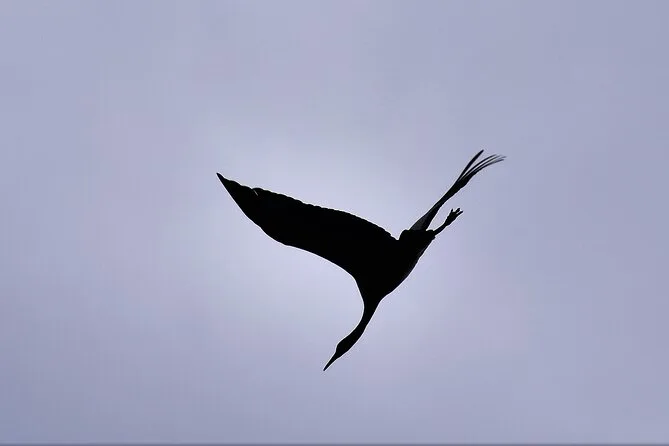
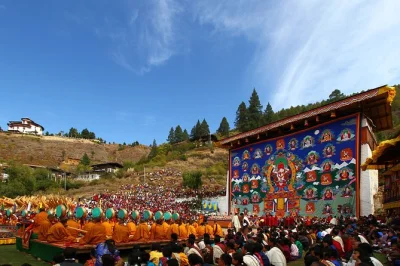
Picture this: you're standing at 3,120 meters on a narrow stone path, and the Tiger's Nest monastery materializes through the mist like something from another century—a cluster of white and gold buildings clinging to a vertical cliff face above the Paro valley. The hike takes four to six hours, but the last stretch rewards you with a view that stops you cold. This is the centerpiece of a 10-day Bhutan photography tour that moves through the kingdom's most photogenic valleys and monasteries, each one a frame waiting to be captured. You'll spend your mornings in places most travelers never reach: Ura valley at 3,100 meters, where traditional houses cluster on hillsides and the landscape shifts with the seasons; Gangtey Monastery perched above Phobjikha, where winter brings endangered black-necked cranes; the Trongsa Dzong, the longest fortress in Bhutan, where novice monks practice sacred horns in courtyards you can photograph freely.
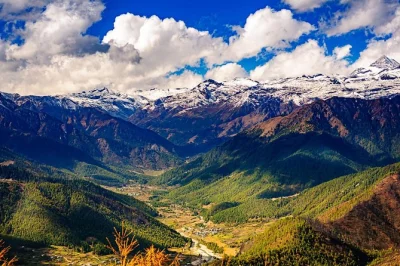
The tour moves deliberately—never rushed, never cramped. You arrive in Paro on a flight that, if you're lucky with your seat and the weather, offers views of five of the world's highest peaks: Everest, Lhotse, Makalu, Kanchenjunga, and Cho Oyu. From there, a 1.5-hour drive takes you to Thimphu, where you'll spend two nights exploring the Cheri and Tango monasteries—both perched on hillsides with monks moving through courtyards in deep red robes. The route then carries you south through Punakha (the old capital, home to the 1637 Punakha Dzong with its twin rivers) and into the agricultural heartland: rice fields, mustard crops, and farmhouses where you can photograph daily life unfolding. You'll cross Dochu La pass at 3,100 meters and stop to frame the 108 white stupas against snow-capped Himalayan ranges. The itinerary includes a 1.5-hour hike through the Gangtey Nature Trail, a downhill walk through Ura valley meadows, and visits to villages where locals welcome photographs of their homes and routines.
What makes this different from a standard Bhutan tour is the pacing built around light and access. You're not racing between checkpoints; you're staying in each region long enough to return to the same monastery at sunrise, to wait for clouds to clear over a valley, to sit with a family and understand how they live. The certified guide navigates the logistics—permits, timing, which monks will allow photographs inside temples—so you can focus on composition. Meals are included throughout: breakfast, lunch, and dinner at your 3-star hotels, plus opportunities to taste locally brewed Bhutanese beer at the Namgay Artisanal Brewery in Paro. The tour includes a domestic flight from Bumthang back to Paro (45 minutes), which itself offers aerial views of the central valleys. A single supplement of USD 500 applies if you're traveling alone, but the group stays small enough that you're never shooting over someone's shoulder.
Everything is arranged: the government Sustainable Development Fee (USD 100 per person per night), your Bhutan visa, all internal transportation, and a guide who knows where the light hits the Tashichoe Dzong at dawn and which hilltop gives you the clearest shot of Jakar Dzong reflected in morning fog. You'll leave with images of red-robed monks chanting in 12th-century monasteries, prayer flags snapping in mountain wind, valleys so quiet you can hear your own breathing, and landscapes that shift from emerald rice paddies to snow-dusted peaks depending on which pass you're crossing. The tour runs 10 nights and 11 days total, with your final morning reserved for the Tiger's Nest hike before heading to the airport for departure.

What’s included
Your 10-day tour includes hotel pickup and drop-off at Paro airport, accommodation at 3-star hotels throughout, all meals (breakfast, lunch, and dinner), internal ground transportation by vehicle, a 45-minute domestic flight from Bumthang to Paro, entry to all monasteries and dzongs, the government Sustainable Development Fee (USD 100 per person per night), your Bhutan visa, a certified guide fluent in the itinerary, and all internal taxes and charges. Optional upgrades to premium hotels are available at additional cost.
Operated by Bhutan Best InBound Tour
Is this one for you?Book this if you're a photographer or serious visual traveler who wants time to compose shots rather than check boxes—the 10-day structure and small-group pacing let you return to the same monastery at sunrise or wait for clouds to clear, which is what makes the difference between a snapshot and a frame worth keeping.
Traveler reviews
Compare the 9 similar options
 Photography Tour Himalayas: Red Monks & Tiger's Nest★ 5.00 (4)11dEN · DE +4US$ 3,429
 Paro & Thimphu: Tiger Nest Hike, Monastery Stay & Culture5-day Bhutan tour from Paro with Tiger Nest trek, monastic overnight stay, and guided hikes. Includes visa, transport, meals, and local guide. Small groups.★ 4.96 (117)5dENUS$ 1,370View ›
 3-Day Bhutan Tour: Paro, Thimphu & Tiger’s Nest Hike ExperienceDiscover Bhutan in 3 days—visit Paro, Thimphu, hike Tiger’s Nest, meet locals, and enjoy authentic culture. Private guide, visa, and all transport included.★ 5.00 (29)3dENUS$ 895View ›
 Bhutan 7-Day Tour: Tiger’s Nest, Phobjikha Valley & Farm StayFeel the spirit of Bhutan on a 7-day journey from Paro to Thimphu, Phobjikha & Punakha. Hike Tiger’s Nest, visit farmhouses, meet locals—includes visa & hotels.★ 4.97 (333)7dENUS$ 1,800View ›
 Druk Path Trek Bhutan: Paro to Thimphu Guided Hike & Tiger’s NestExperience the Druk Path Trek in Bhutan. Hike from Paro to Thimphu, visit Tiger’s Nest, camp by mountain lakes, and explore monasteries with a local guide.★ 5.00 (5)7dENUS$ 2,200View ›
 8-Day Bhutan Classic Tour: Easy Hikes, Culture & Tiger’s NestExperience Bhutan in 8 days: Thimphu, Punakha, Phobjikha, Paro & Tiger’s Nest. Guided hikes, local cuisine, and authentic culture. Book your Bhutan trip now.★ 4.99 (114)8dENUS$ 2,600View ›
 17-Day Private Bhutan Nature & Birding Tour: Wildlife, Culture, HikesPrivate 17-day Bhutan birdwatching and nature tour. Explore rare birds, national parks, village life, Tiger's Nest hike, and local culture with expert guides.★ 5.00 (1)17dEN · DE +3US$ 6,077View ›
 9-Day Bhutan Private Tour: Bumthang, Tiger’s Nest & ValleysExplore Bhutan’s valleys, ancient temples, and hike to Tiger’s Nest on this 9-day private tour. Daily departures, all meals, guide, and visa included.★ 5.00 (1)9dENUS$ 2,800View ›
 7-day Bhutan tour from Paro: Tiger's Nest hike and cultural sitesSeven days in Bhutan starting and ending in Paro, with a licensed guide, all meals, internal flights, and accommodation included.★ 5.00 (2)7dENUS$ 2,180View ›
Top questions
How long is the Tiger's Nest hike?
The hike to Tiger's Nest monastery takes 4 to 6 hours round trip from the trailhead in Paro valley. The final monastery sits at 3,120 meters elevation.
What's included in the tour price?
Accommodation at 3-star hotels, all meals (breakfast, lunch, dinner), internal flights, ground transportation, a certified guide, Bhutan visa, the government Sustainable Development Fee (USD 100 per night), and all internal taxes.
When do you visit Ura valley?
Ura valley is explored on day 7 of the itinerary. You'll hike downhill through meadows from Shelthang La pass, ending at Ura Lhakhang and the traditional village below.
Is there a single traveler supplement?
Yes, USD 500 applies if you're booking alone. Group sizes remain small throughout the tour.
What's the best time to see black-necked cranes?
Black-necked cranes winter in Phobjikha valley, so they're visible during the winter months. The Gangtey Nature Trail hike also passes through their habitat.
Do you need to be fit for this tour?
The tour is suitable for all physical fitness levels. The main hike (Tiger's Nest) is strenuous but optional, and other walks are downhill or moderate.
Can you photograph inside temples and monasteries?
Photography policies vary by location. Your guide will advise which sites allow cameras and help you access the best vantage points. Some museums, like Ogyen Choling, explicitly permit photography.
What's the domestic flight from Bumthang to Paro like?
The flight takes about 45 minutes and offers aerial views of Bhutan's central valleys. It's included in the tour.
Are infants allowed on this tour?
Yes. Infants must sit on an adult's lap, and specialized infant seats are available if needed.
Photography Tour Himalayas: Red Monks & Tiger's Nest
11d · EN · DE +4 · at your hotel
from US$ 3,429 per person
★★★★★★★★★★5.004 reviewsVerified traveler reviews via our booking provider
