
7-day Bhutan tour from Paro: Tiger's Nest hike and cultural sites

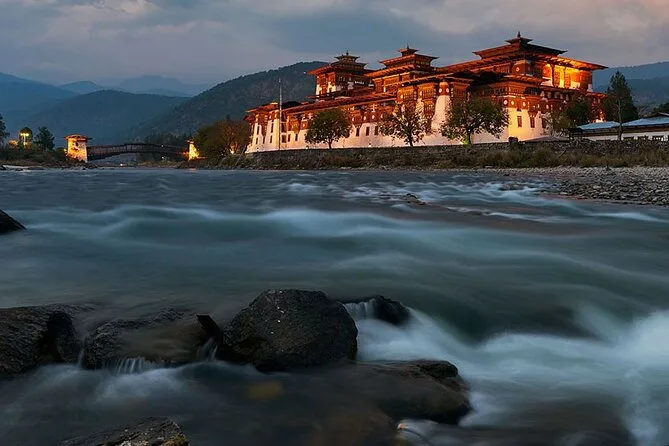
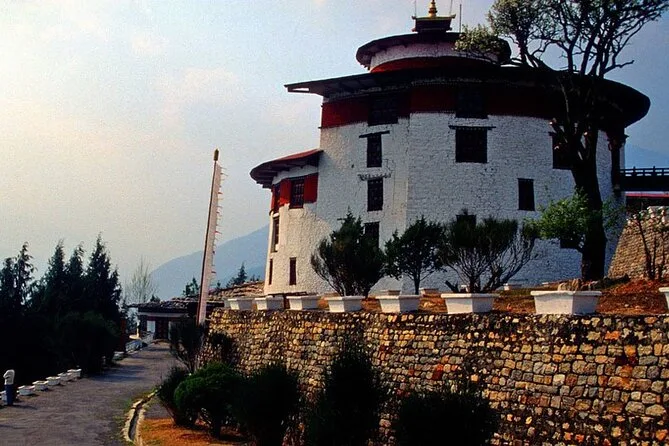
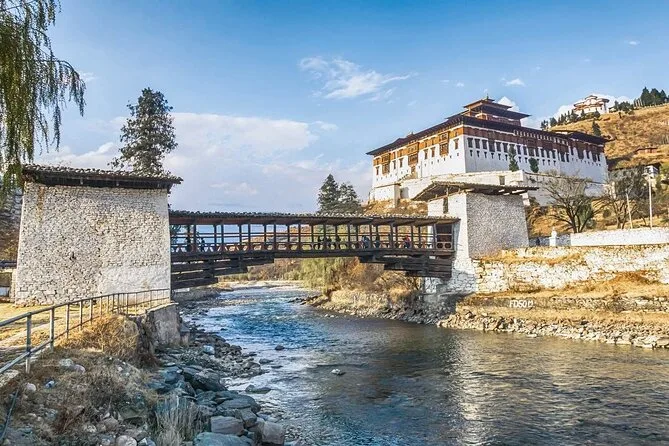


Seven days threading four valleys and two major monasteries, with a guide who knows where the light hits each one
A 7-day cultural tour of Bhutan based in Paro, Thimphu, Punakha and Haa Valley, with a licensed English-speaking guide, all meals, accommodation and internal transport included. The itinerary centers on two major hikes—up to Tiger's Nest Monastery (Taktsang) and to Khamsum Chorten—and crosses Dochula Pass twice to view the eastern Himalayas. Airport pickup and drop-off are arranged, and the visa fee is covered before you arrive.
 7d
7d

Step-by-step itinerary
Day 1 — Arrival in Paro and transfer to Thimphu
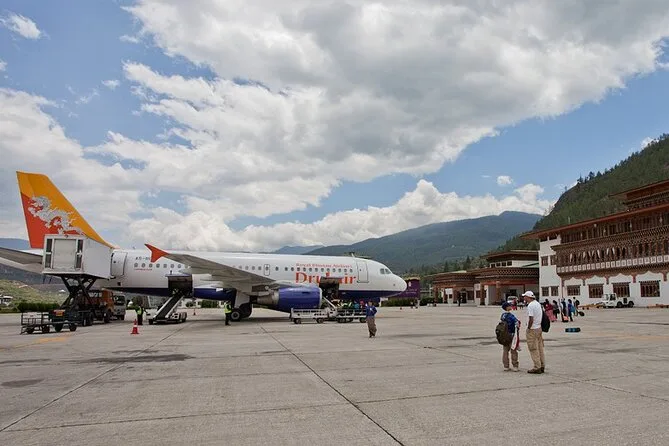
- Arrive Paro and meet at airport
- Transfer to Paro for lunch
- Visit Paro Rinpung Dzong
- Drive to Thimphu
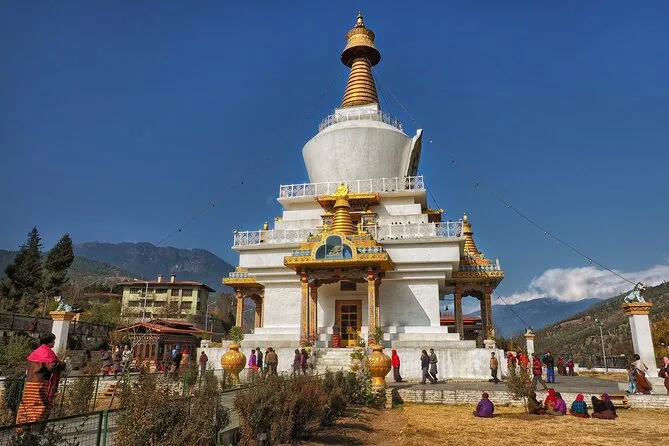
- Visit King’s Memorial Chorten
- Visit Buddha’s Point
- Visit Centenary Farmer’s Market
- Visit Handicraft Market
Day 2 — Thimphu sightseeing and drive to Punakha
- Visit cultural and historical sites in Thimphu
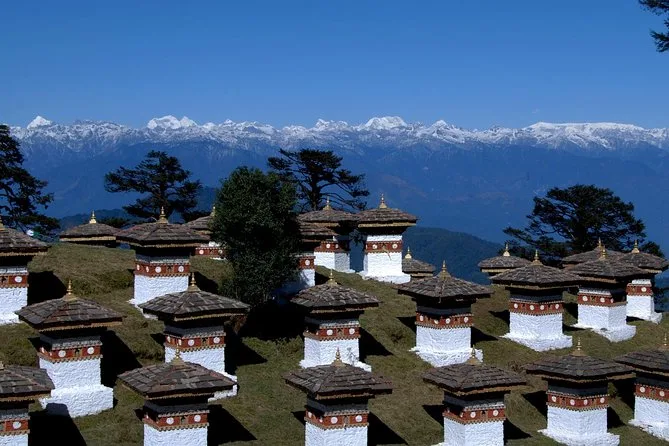
- Drive to Punakha via Dochula Pass
- Hike to Chimi Lhakhang temple
- Arrive in Punakha
Day 3 — Hike to Khamsum Chorten and Punakha Dzong
- Drive to hike start point
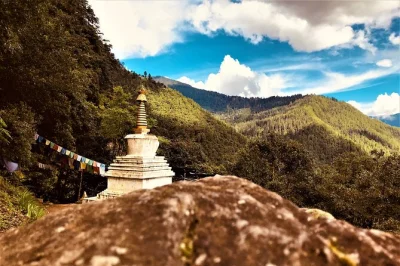
- Hike to Khamsum Yueley Namgyel Chorten
- Enjoy Punakha Valley views
- Hike down and drive to Punakha Dzong
- Visit Punakha Dzong
Day 4 — Return to Thimphu via Dochula Pass
- Drive back to Thimphu crossing Dochula Pass
- Check in hotel in Thimphu
Day 5 — Day trip to Haa Valley and return to Paro
- Drive to Haa Valley via Chele la Pass
- Explore Haa Valley
- Drive to Paro
Day 6 — Hike to Taktsang Monastery in Paro
- Drive to base of Taktsang Monastery
- Hike to cafeteria viewpoint
- Hike to Taktsang Monastery
- Explore monastery
- Hike down to road point
- Drive to Paro visiting Kychi Lhakhang
Day 7 — Departure from Paro
- Drive to Paro International Airport
- Depart from Paro

The Experience
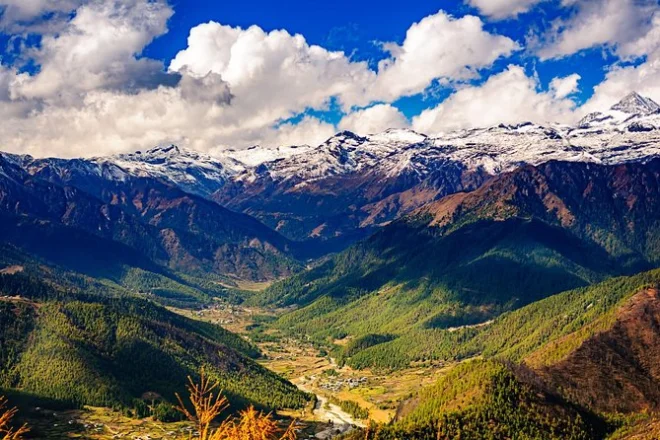
Seven days means you move through four distinct regions without rushing any of them. You arrive in Paro, transfer to Thimphu the same day, then drive south to Punakha crossing Dochula Pass at 3,050 meters—the pass opens onto the eastern Himalayan range on clear days. From Punakha you return to Thimphu, make a day excursion into Haa Valley, and finish with the Tiger's Nest hike before your flight out. The route is circular, so the geography holds together: each valley connects to the next by a single road, and your guide navigates the timing so you see each place at the hour it matters.
The two major hikes anchor the week. Tiger's Nest Monastery (Taktsang) sits on a vertical cliff face above Paro town—the hike takes two hours to reach the cafeteria where the monastery comes into view, then another stretch to the building itself. Khamsum Chorten, near Punakha, is a shorter ascent but rewards you with a full view of the Punakha Valley from the temple's top. Both are included, and both are what people come to Bhutan to stand in front of. In between are the dzongs (fortress-monasteries) of Paro and Punakha, the weekend farmers market in Thimphu, Chimi Lhakhang fertility temple, and Kyichu Lhakhang, the oldest temple in the country. Your guide is a licensed Bhutanese who speaks English and knows the history of each site.
All accommodation is 3-star, all meals are provided, and all internal transport is by private vehicle with pickup and drop-off at Paro airport. The Bhutan visa fee is included in the package price, processed before you travel. You carry no logistics: the guide manages the day, the driver knows the road, and the only decision you make is which hike to take at your own pace.

What’s included
- Licensed English-speaking guide for all seven days.
- 3-star accommodation for six nights.
- three meals daily.
- all internal transport by private vehicle.
- airport pickup and drop-off.
- Bhutan visa fee and processing.
- entry fees to all monuments and cultural sites.
- hikes to Tiger's Nest Monastery and Khamsum Chorten.
Operated by Breakfree Adventures Pvt. Ltd.
Is this one for you?If you are flying into Paro without a car or a local contact, this tour solves the first problem—the guide meets you at the airport and the itinerary unfolds from there. The seven-day length lets you see four separate valleys and two major monasteries without backtracking, which shorter tours cannot do; the fixed schedule and included transport mean you move between regions on a single plan instead of arranging each leg yourself.
Traveler reviews
Compare the 9 similar options
 7-day Bhutan tour from Paro: Tiger's Nest hike and cultural sites★ 5.00 (2)7dENUS$ 2,180
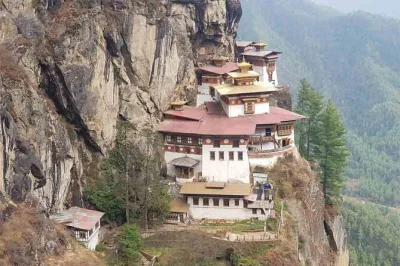 3-Day Bhutan Tour: Paro, Thimphu & Tiger’s Nest Hike ExperienceDiscover Bhutan in 3 days—visit Paro, Thimphu, hike Tiger’s Nest, meet locals, and enjoy authentic culture. Private guide, visa, and all transport included.★ 5.00 (29)3dENUS$ 895View ›
 Paro & Thimphu: Tiger Nest Hike, Monastery Stay & Culture5-day Bhutan tour from Paro with Tiger Nest trek, monastic overnight stay, and guided hikes. Includes visa, transport, meals, and local guide. Small groups.★ 4.95 (111)5dENUS$ 1,370View ›
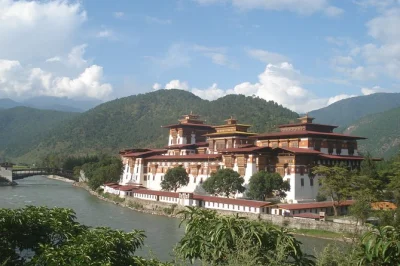 Bhutan 7-Day Tour: Tiger’s Nest, Phobjikha Valley & Farm StayFeel the spirit of Bhutan on a 7-day journey from Paro to Thimphu, Phobjikha & Punakha. Hike Tiger’s Nest, visit farmhouses, meet locals—includes visa & hotels.★ 4.97 (327)7dENUS$ 1,800View ›
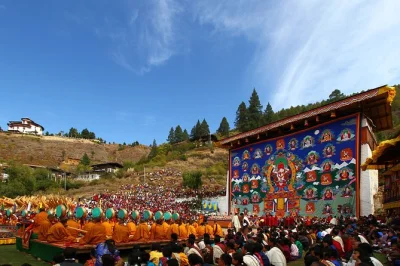 8-Day Bhutan Classic Tour: Easy Hikes, Culture & Tiger’s NestExperience Bhutan in 8 days: Thimphu, Punakha, Phobjikha, Paro & Tiger’s Nest. Guided hikes, local cuisine, and authentic culture. Book your Bhutan trip now.★ 4.99 (114)8dENUS$ 2,600View ›
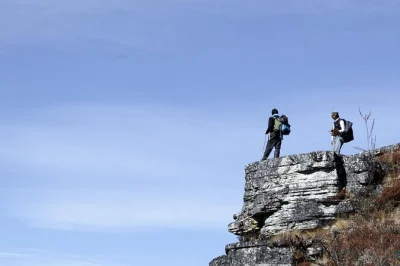 Druk Path Trek Bhutan: Paro to Thimphu Guided Hike & Tiger’s NestExperience the Druk Path Trek in Bhutan. Hike from Paro to Thimphu, visit Tiger’s Nest, camp by mountain lakes, and explore monasteries with a local guide.★ 5.00 (5)7dENUS$ 2,200View ›
 17-Day Private Bhutan Nature & Birding Tour: Wildlife, Culture, HikesPrivate 17-day Bhutan birdwatching and nature tour. Explore rare birds, national parks, village life, Tiger's Nest hike, and local culture with expert guides.★ 5.00 (1)17dEN · DE +3US$ 6,077View ›
 Photography Tour Himalayas: Red Monks & Tiger's Nest10-night Bhutan photography tour from Paro visiting Tiger's Nest, monasteries, Ura Valley. Includes meals, guide, flights, 3-star hotels.★ 5.00 (4)11dEN · DE +4US$ 3,429View ›
 9-Day Bhutan Private Tour: Bumthang, Tiger’s Nest & ValleysExplore Bhutan’s valleys, ancient temples, and hike to Tiger’s Nest on this 9-day private tour. Daily departures, all meals, guide, and visa included.★ 5.00 (1)9dENUS$ 2,800View ›
Top questions
How long is the hike to Tiger's Nest Monastery?
The hike to Taktsang Monastery takes two hours to reach the cafeteria, where you get a full view of the monastery perched on the cliff. From there, a further stretch takes you to the building itself. The total time on the trail depends on your pace, and you hike down the same route to the road.
What is Dochula Pass and why does the tour cross it twice?
Dochula Pass sits at 3,050 meters on the road between Thimphu and Punakha. It commands a view of the eastern Himalayan range on clear days. The tour crosses it twice—once on the drive south to Punakha and again on the return to Thimphu—so you see the mountains from both directions and have two chances to stop if the weather is clear.
What meals are included each day?
Three meals per day are included throughout your stay in Bhutan. Breakfast is at your hotel; lunch and dinner are arranged as part of the itinerary, so you do not need to search for restaurants or budget separately for food.
Is the Bhutan visa included in the tour price?
Yes. The visa fee and all processing are included in the package, so you arrive with the paperwork already arranged. You do not need to apply separately or pay the fee at the border.
Do I need a car or driver of my own to do this tour?
No. All internal transport is by private vehicle included in the package, with airport pickup and drop-off. The same driver takes you between all four regions, so you have no need to arrange a rental or navigate the roads yourself.
What is the oldest temple in Bhutan, and when do we visit it?
Kyichu Lhakhang is the oldest temple in Bhutan. You visit it on the final morning, en route from the Tiger's Nest hike back to Paro town before your airport transfer.
7-day Bhutan tour from Paro: Tiger's Nest hike and cultural sites
7d · EN · at your hotel
from US$ 2,180 per person
★★★★★★★★★★5.002 reviewsVerified traveler reviews via our booking provider
