
Benin, Togo & Ghana: 14-Day Private Tour & Slave Trade Sites

Two weeks tracing West Africa's spiritual roots and colonial history across three countries
You travel through three countries in two weeks with a private guide, staying in hotels and visiting slave trade memorials, sacred forests, stilt villages, and colonial castles. The tour includes airport pickup, all ground transport, a guide, water, and wifi on transit. You return to Accra for your departure flight, arriving two hours early as instructed.
 14d
14d

Step-by-step itinerary
Day 1 — Arrival and relaxation in Cotonou
- Arrive in Cotonou and clear immigration
- Transfer to hotel for debriefing
- Enjoy dinner and rest
- Relax at Fidjrosse Beach and watch sunset
Day 2 — Porto-Novo cultural exploration
- Drive to Porto-Novo
- Experience Egungun initiations and performances
- Visit Honmè Museum
- Visit Musée Da Silva
- Explore Black River Adjarra area
- Return to hotel in Cotonou
Day 3 — Ouidah cultural and historical sites
- Visit Musée de la Fondation Zinsou
- See La Porte Du Non Retour
- Explore Foret Sacree de Kpasse
- Attend Zangbeto performance
Day 4 — Ganvie village and Abomey palaces
- Visit Ganvie stilt village
- Tour Royal Palaces of Abomey
Day 5 — Sacred villages and waterfalls
- Visit Sacred Villages of Dankoli
- Explore Tanéka Béri village
- See Chutes de Kota waterfalls
Day 6 — Cross to Togo and cultural sites
- Cross border to Togo
- Explore Koutammakou UNESCO site
- Visit Kara Region and local culture
Day 7 — Travel to Lomé and evening relaxation
- Drive to Lomé
- Check in hotel
- Relax at local bar
Day 8 — Lomé historical and cultural tour
- Visit Slave House of Togo
- Explore Togoville town
- Visit Musée National
- See Monument de L'Independance
Day 9 — Travel to Accra with stops
- Drive from Aflao to Accra
- Stop at Accra Mall for refreshment
- Check in hotel on Oxford Street
- Experience Accra nightlife
Day 10 — Accra city cultural tour
- Visit W.E.B. Du Bois Center
- Tour Kwame Nkrumah Memorial Park
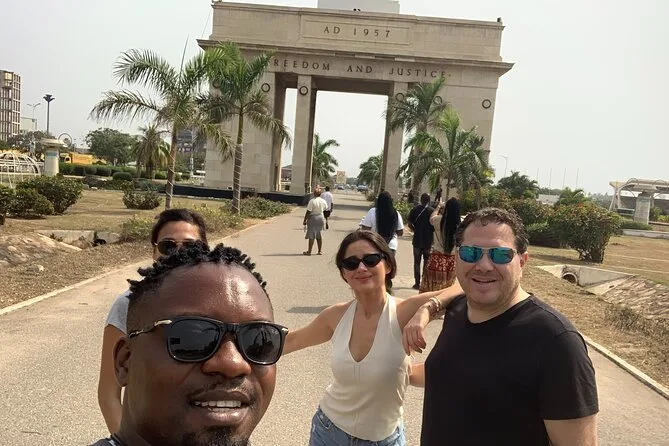
- See Independence Square
- Explore Jamestown district
- Visit Accra Arts Centre
Day 11 — Aburi and cocoa farm visit
- Visit Aburi Botanical Gardens
- Tour Tetteh Quashie Cocoa Farm
- See Fantasy coffins in Accra
- Visit National Museum of Ghana
Day 12 — Cape Coast and Elmina castles
- Drive to Cape Coast Castle
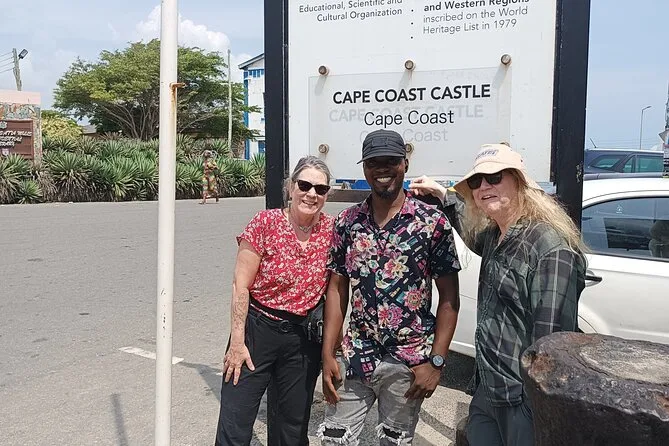
- Visit Cape Coast Castle
- Visit Elmina Castle
Day 13 — Kakum Park and slave river
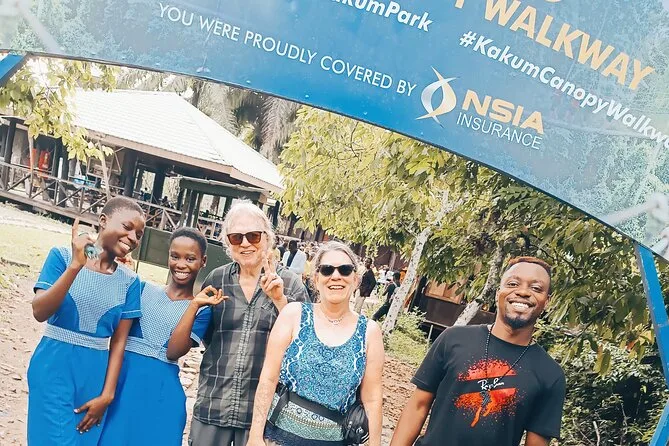
- Explore Kakum National Park and canopy walkway
- Visit Assin Manso Ancestral Slave River Park
- Return to Accra for shopping and departure
Day 14 — Departure from Accra
- Arrive at airport two hours before flight

The Experience
The driver picks you up at Cotonou airport and you're in the car before the heat really hits. By evening you're at Fidjrosse Beach watching the Atlantic go quiet, and that's when it starts to sink in — you're here for fourteen days, moving through Benin, Togo, and Ghana, and there's no rushing it. The itinerary doesn't pack everything into one blur. You spend real time in each place: a full day in Porto-Novo to see the Egungun initiations and the Honmè Museum (the old royal palace, converted in 1942), another day at Ganvie, the stilt village on Lake Nokoué where families have lived on the water for centuries. The rhythm matters because these aren't photo stops.
Ouidah is where the weight of history becomes physical. You stand at La Porte Du Non Retour — the Point of No Return — at the edge of the ocean, and the arch is there, and the ocean is there, and you're not moving through it fast. The Foret Sacree de Kpasse, the sacred forest, is a few kilometers inland, and your guide walks you through it slowly, pointing out the shrines and explaining what the Vodun community does there. Then you cross into Togo and the landscape shifts — Koutammakou, the Land of the Batammariba, has those mud fortresses, the Takienta, rising out of the earth in cylindrical shapes, centuries old. You're not just seeing them; you're spending the night in Kara, in the region where the Kabye people still build and live the way their ancestors did.
Ghana is the final stretch, and it's dense with sites that matter. Accra gives you the Kwame Nkrumah Mausoleum and Independence Square — the arch with the black star at its center — and the W.E.B. Du Bois Center, where you can sit with the history of Pan-Africanism. Then you drive to Cape Coast and Elmina, the castles where the trade happened, where the dungeons are still there. Kakum National Park's canopy walkway is the only moment that feels like pure nature — suspended bridges above the rainforest, 40 meters up — but even that sits in context: Assin Manso Ancestral Slave River Park is on the way back, and you stop there to stand on the riverbank where enslaved Africans were brought before the ships. The 14 days don't let you forget what you're looking at.
Your guide is with you the whole time. Water and wifi during transit are included, and the driver handles all the pickups and drop-offs, so you're not negotiating transport or timing. The physical demands are moderate — you're walking through museums, forests, and villages, climbing stairs in castles, standing on the canopy walkway — but nothing extreme. Infants travel on an adult's lap. If you have spinal injuries or serious heart conditions, this isn't the right fit; the driving is long and the pace is steady but not gentle. You need to be able to walk and stand for hours at a time, and you need to be ready for what you're going to see.

What’s included
- Your 14 days include hotel stays in Cotonou, Porto-Novo, Ouidah, Abomey, Natitingou, Kara, Lomé, Accra, and Elmina.
- A private guide travels with you throughout.
- Airport pickup and drop-off are covered, as is all ground transport between destinations.
- Bottled water and wifi during transit are provided.
- You visit Elmina Castle, Kakum National Park's canopy walkway, the Kwame Nkrumah Mausoleum, Independence Square, the W.E.B.
- Du Bois Center, Cape Coast Castle, the Aburi Botanical Gardens, and the Tetteh Quashie Cocoa Farm.
- You also spend time at Ouidah's Point of No Return, the sacred Foret Sacree de Kpasse, Ganvie stilt village, Koutammakou's mud fortresses, and Assin Manso Ancestral Slave River Park.
- Meals at hotels are included; other dining is at your discretion.
Operated by Evans Aguiyi
Is this one for you?This tour suits travelers who want to understand West African history and culture across three countries without arranging transport, guides, or daily logistics themselves — the 14-day structure and private guide mean you move at a pace that lets the sites settle, rather than rushing between them.
Traveler reviews

Top questions
How long is the drive from Cotonou to Porto-Novo?
About one hour.
What is Ganvie?
A stilt village on Lake Nokoué, established centuries ago by the Tofinu people as a refuge from slave raiders. Thousands of residents still live there, relying on fishing and trade.
Is the Canopy Walkway at Kakum safe?
Yes. It's one of the longest and highest canopy walkways in Africa, made of suspended bridges. You walk through the rainforest canopy about 40 meters above the ground.
What is La Porte Du Non Retour?
The Point of No Return in Ouidah, Benin — a monumental arch at the edge of the Atlantic Ocean marking where enslaved Africans were forced onto ships during the transatlantic slave trade.
Are meals included?
The itinerary mentions dinner on arrival and overnight stays, but specific meal inclusions beyond that are not detailed. Confirm with the operator before booking.
What is Koutammakou?
A UNESCO World Heritage Site in Togo, known as the Land of the Batammariba. It features ancient mud fortresses called Takienta, built in a distinctive cylindrical shape and still inhabited.
Do I need a guide?
Yes, a guide is included throughout the 14 days and travels with you.
What happens on the last day?
You return to Accra for final shopping and departure. You're asked to arrive two hours before your flight.
Is this tour physically demanding?
Moderate. You'll walk through museums, forests, and villages, climb stairs in castles, and stand for extended periods. It's not recommended for travelers with spinal injuries or poor cardiovascular health. You should have at least moderate physical fitness.
What's included in the price?
Bottled water, wifi on transit, a private guide, and airport pickup and drop-off. Hotel accommodations are specified for each night.
Benin, Togo & Ghana: 14-Day Private Tour & Slave Trade Sites
14d · EN · FR · at your hotel
from US$ 4,605 per group
★★★★★★★★★★5.001 reviewVerified traveler reviews via our booking provider
