
Purmamarca: Night Walk, Andean Beliefs & Ancestor Stories

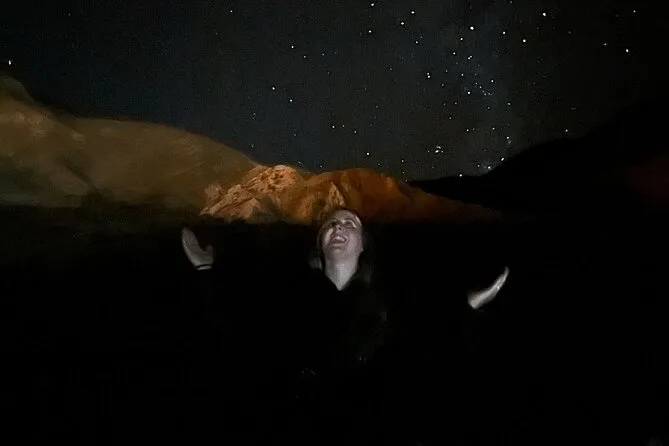
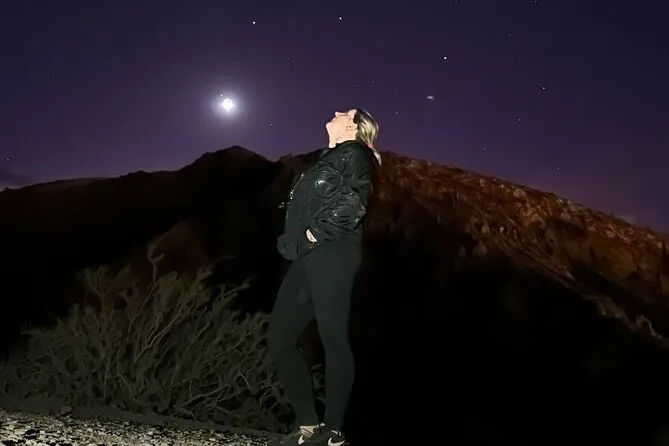

Walk Purmamarca at night for Andean stories and ancestor rituals
You’ll follow a local guide through Purmamarca after dark, hearing stories of Andean beliefs and ancestor traditions as you walk past the chapel and cemetery. Expect sensory moments—the chill air, distant sounds—and honest conversation about how Catholicism blends with ancient rituals here. This small group tour leaves you feeling quietly connected to this place.
 1h 45m

Step-by-step itinerary
Explore Andean culture and night walk
- Visit historic chapel foot
- Review Quebrada de Humahuaca history
- Discuss Spanish language and Catholic faith
- Approach cemetery outskirts
- Understand ancestor celebrations
- Walk 800 meters in dark landscape
- Enjoy nature sounds and silence
- Share knowledge on Pachamama and Apachetas
- Interpret Andean beliefs and Catholicism

The Experience
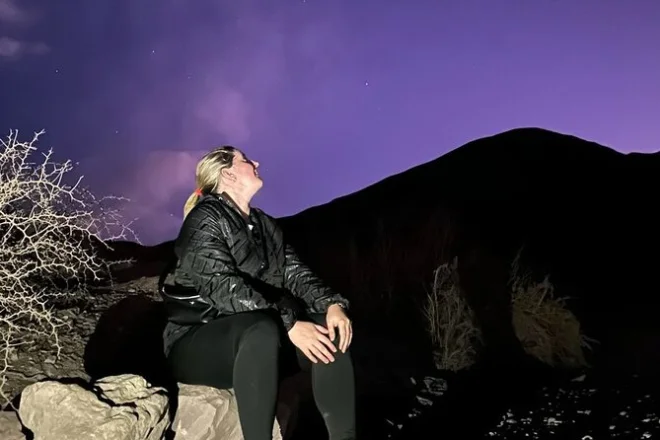
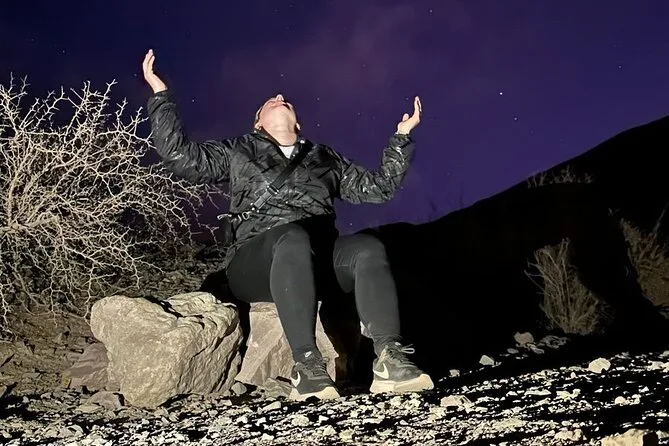
“If you listen closely, you’ll hear Pachamama breathing,” our guide, Aníbal, said as we left the last streetlight behind in Purmamarca. I remember thinking he was joking, but then the silence out there really did feel alive—like the wind itself was carrying old secrets. We started near that little white chapel (the one everyone photographs in daylight), and Aníbal talked about how this valley’s been lived in for 10,000 years. He pointed to the hills and told us about the Spanish language mixing with Quechua and Catholic saints sharing space with ancient spirits. I tried repeating “Apacheta” under my breath—Li laughed when I butchered it. The air smelled faintly of dust and eucalyptus; it was colder than I expected for Argentina in March.
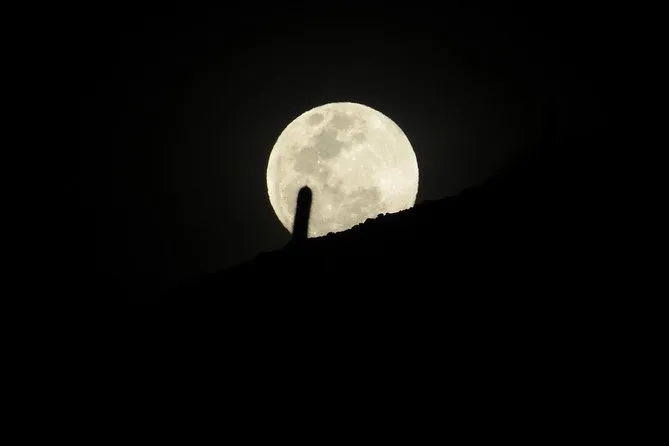
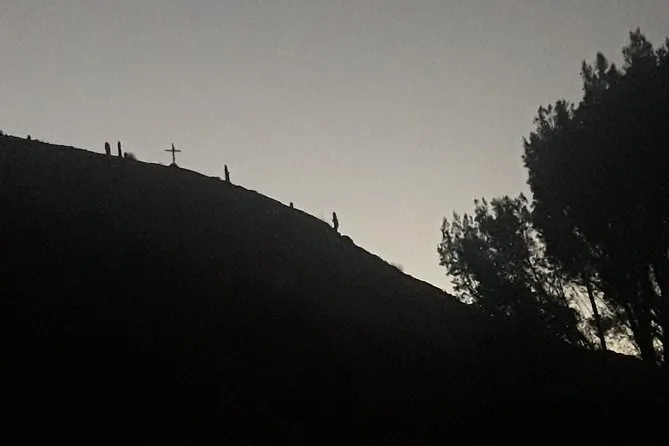
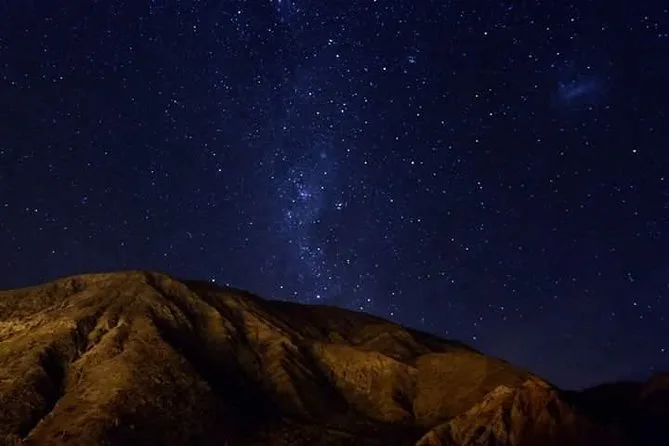
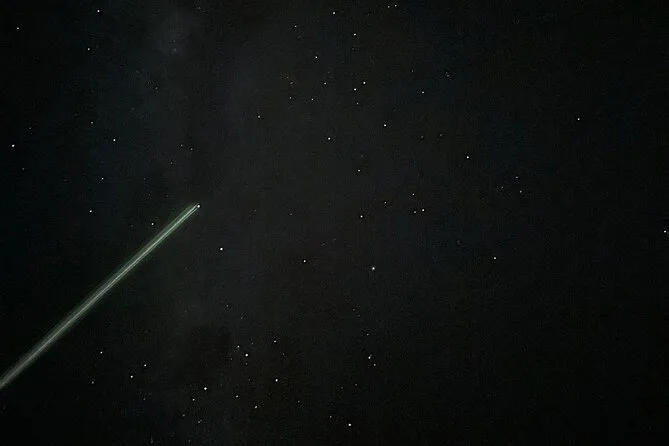
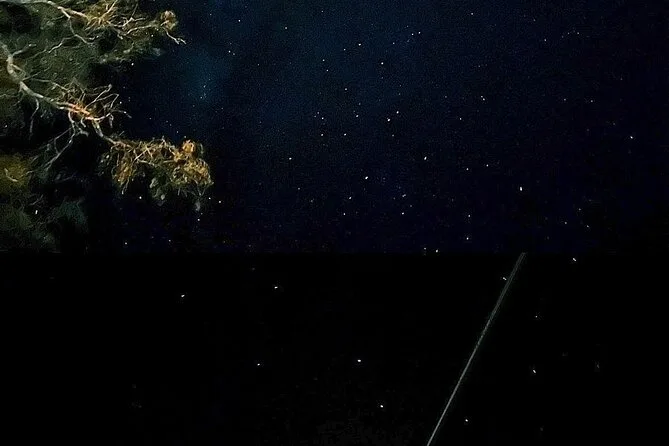
We walked maybe 800 meters out past the cemetery—Aníbal said it’s where people still leave offerings for ancestors, just like their grandparents did. No big ceremonies or anything tonight, just stories and a kind of quiet respect. He explained how Carnival here isn’t just a party; there’s this figure called El Diablo who shows up (not what you think—he’s more like a trickster than evil). Sometimes I caught myself staring at the sky even though Aníbal said this wasn’t an astronomy tour. It’s hard not to when you’re surrounded by that much darkness and those jagged hills. My shoes crunched on gravel and someone’s phone buzzed once, but otherwise it was just us and the night.
I didn’t expect to feel so connected to people I’d never met—from centuries ago, even. There was something grounding about hearing how locals blend Catholic prayers with Pachamama rituals, or how they build little stone towers (apachetas) for luck before a journey. The walk back felt shorter somehow; maybe because we were all quieter, thinking about ancestors or maybe just cold—I can’t say for sure. But yeah, I still think about that silence sometimes.

What’s included
Your evening includes a guided small-group walk from central Purmamarca through quiet outskirts beneath the hills—with personal storytelling from your local guide about Andean beliefs and ancestor traditions as you pass historic sites like the chapel and cemetery before returning together into town.
Operated by Purmamarca Aniacho Turismo
Traveler reviews
More experiences you might like
 Purmamarca: Night Walk, Andean Beliefs & Ancestor Stories★ 4.85 (136)1h 45mESUS$ 46
 Purmamarca: Llama Walks with Locals & Custom RoutesFeel the calm of Purmamarca as you walk with llamas, chat with locals, and learn about native plants. Includes private guide, flexible routes, and friendly llamas.★ 4.95 (172)1h 45mEN · ESUS$ 75View ›
Top questions
How long is the Purmamarca night experience tour?
The tour involves walking about 800 meters outside town and lasts roughly one hour.
Is hotel pickup included in this Purmamarca night tour?
No hotel pickup is mentioned; guests meet at the starting point in town.
What will we learn during the Purmamarca night walk?
You’ll hear about Andean beliefs, ancestor celebrations, Carnival traditions like El Diablo, and how Catholic faith mixes with local culture.
Is this tour suitable for children or people with mobility issues?
No, it’s not recommended for children, babies, or those with mobility problems due to uneven terrain and walking distance.
Are any rituals or ceremonies performed on this tour?
No ceremonies or fire rituals are done; it’s focused on storytelling and cultural interpretation only.
Do we talk about constellations or astronomy during this experience?
No astronomy or constellation talk is included; focus is on cultural beliefs instead.
How big are the groups on this Purmamarca night experience?
The tour is run in small groups for a more personal experience.
Can service animals join this night walk in Purmamarca?
Yes, service animals are allowed on this tour.
Purmamarca: Night Walk, Andean Beliefs & Ancestor Stories
1h 45m · ES
from US$ 46 per person
★★★★★★★★★★4.85136 reviewsVerified traveler reviews via our booking provider
