

 +507 6792-0894


Private Buenos Aires Artisans Tour: San Telmo & Plaza Dorrego


Summary
Buenos Aires Makers Experience: Fileteado Art, Dulce de Leche & Hidden Corners
You’ll get hands-on with Buenos Aires’ creative side—from painting your own fileteado art to sampling local sweets and exploring hidden corners most visitors miss. This tour brings you face-to-face with artists, history, food, and real neighborhood life—all at your own pace.

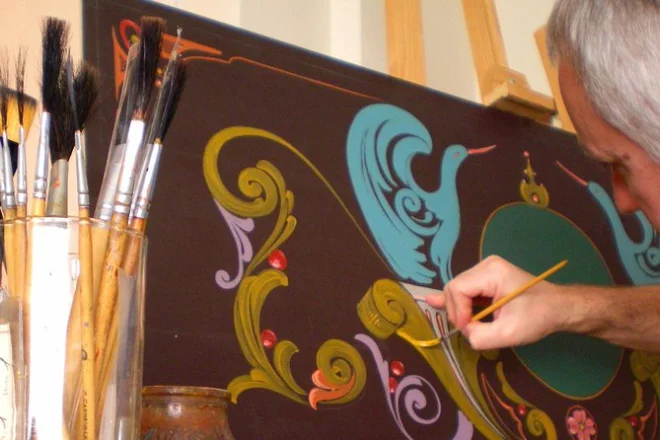
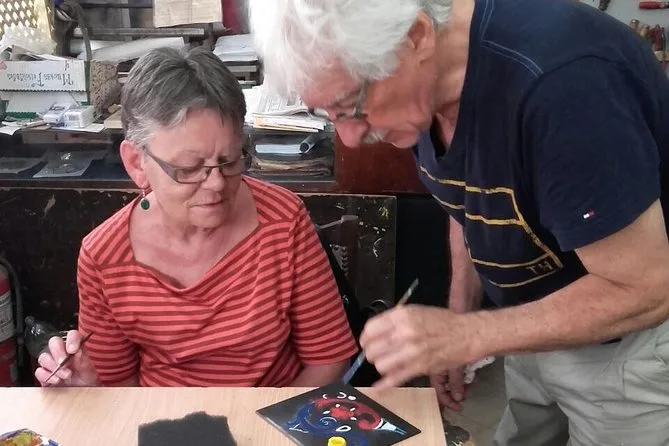
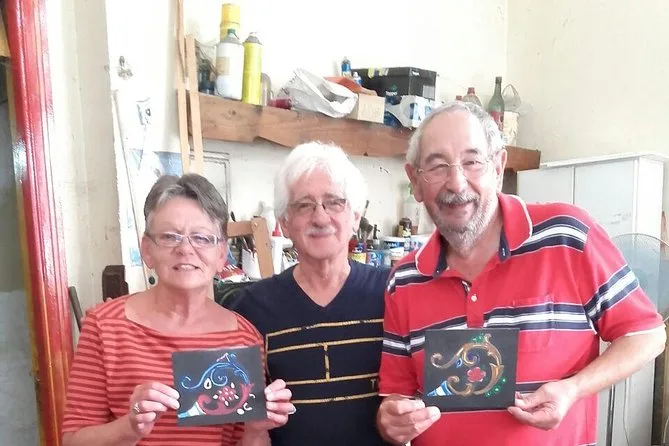
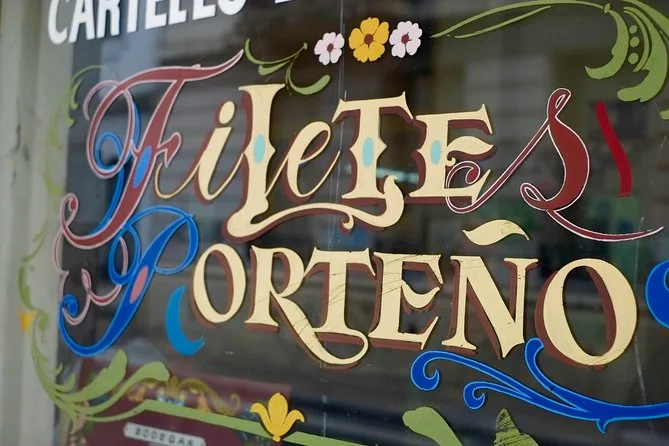
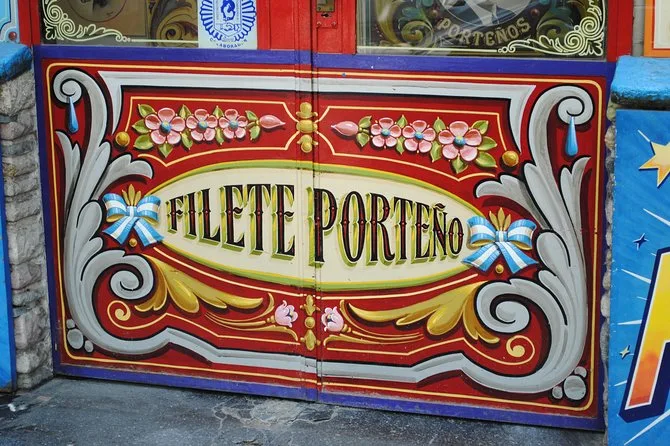
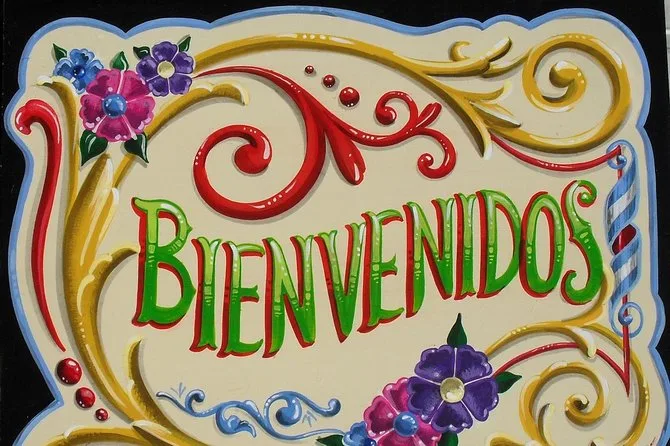
The morning air in San Telmo always feels a bit heavier—maybe it’s the old cobblestones or the way the sun hits the faded murals. We started at Miguel Ángel Polizzi’s workshop, tucked behind an unmarked door that I’d have missed if our guide hadn’t pointed it out. Inside, brushes and paint pots were everywhere. Miguel showed us how to swirl those classic fileteado lines—he made it look easy, but my hand shook just tracing the pattern. His assistant explained in English, making sure we all got a turn. The smell of turpentine mixed with coffee from next door. I left with my own painted souvenir—wobbly lines and all.
Just down the street, there’s a little statue of Mafalda perched on a bench. She’s smaller than you’d expect but draws a crowd—locals snapping photos, kids climbing up beside her. Our guide told us how she’s still a big deal here; her comic strips are everywhere in Buenos Aires.
We wandered over to The House of Dulce de Leche—a spot that smells like caramel as soon as you walk in. Shelves stacked with jars from every province; I tried a spoonful (or two) and picked up some alfajores for later. They’ll let you sample before you buy, which is dangerous if you’ve got a sweet tooth.
A quick detour took us to the city’s narrowest house on Pasaje San Lorenzo—just 2.5 meters wide! The green doors creaked when our guide nudged them open. There’s this story about freed slaves living here; it’s one of those places most people just walk past without knowing what they’re missing.
Lunchtime meant Pirilo Pizzeria—a no-frills counter spot since 1932. You order at the window and eat standing up with locals who’ve been coming for decades. The cheese pizza was gooey and salty, nothing fancy but exactly right after all that walking.
The San Telmo Market was buzzing—vendors shouting over each other, old tango records playing somewhere in the back stalls. I found antique postcards and nearly bought an old mate cup before realizing my suitcase was already full. It’s easy to lose track of time poking through all the odd bits and pieces.
Plaza Dorrego was packed with antique stalls and street performers juggling for tips. We grabbed seats at one of the sidewalk cafés—perfect for people-watching while sipping cortados. Some of those 19th-century mansions around the square have been turned into bars or shops; our guide pointed out which ones still had their original ironwork balconies.
We wrapped up at La Pulpería Quilapán—a quirky spot behind an iron gate where it suddenly feels like you’re out in the countryside instead of downtown Buenos Aires. Grégoire and Tatiana (the owners) chatted with us about restoring the place while we had coffee with homemade bread, jam, and thick dulce de leche spread on top. It was hard to leave that cozy corner behind.
 3h
3h

Step-by-step itinerary
Day 1 — Buenos Aires Artisans Tour
- Visit fileteado workshop in San Telmo
- See Mafalda cartoon character
- Visit Dulce de Leche store
- View narrowest house in Buenos Aires
- Pass by Pizzeria Pirilo
- Explore San Telmo market
- Walk Plaza Dorrego flea market
- Coffee at La Pulpería Quilapán

Top questions

Is this artisans tour suitable for kids?
Yes! Kids are welcome as long as they’re with an adult—it’s hands-on and fun for families.
How much walking is involved?
The pace is relaxed with plenty of stops; anyone with average fitness will be comfortable.
Can I take home what I make during the fileteado class?
Absolutely—you’ll leave with your own painted piece as a keepsake from Miguel’s workshop.
Are food tastings included?
You’ll get to sample dulce de leche products at the shop; food at other stops is available for purchase if you want more snacks along the way.

What’s included
Your day includes hotel pick-up and drop-off in an air-conditioned vehicle plus a friendly professional guide who knows every shortcut in town—and yes, all ages are welcome!
 Super deal
  Free booking, free cancellation.
  Don't lose your place.


 Do you need help planning your next activity?
  +507 6792-0894


