

 +507 6792-0894


Buenos Aires: Empanadas & Alfajores Cooking Class with Mate


Summary
Cook empanadas & alfajores in Buenos Aires sharing mate stories
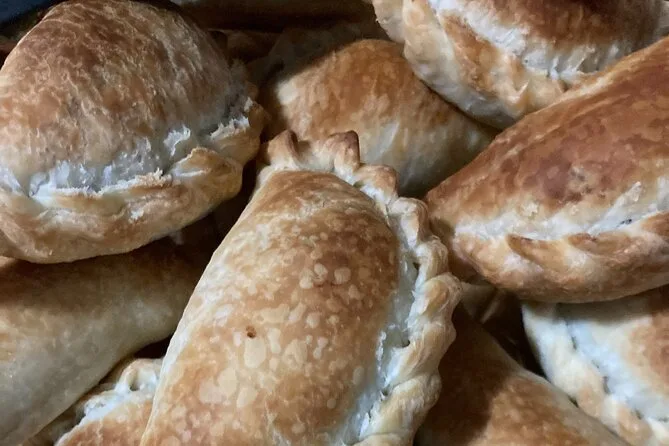
You’ll cook classic empanadas and alfajores with dulce de leche in a Buenos Aires kitchen alongside a friendly local guide. Share stories over mate in true Porteño style, learn traditional folding tricks (“repulgue”), and taste everything you make together. Expect laughter, hands-on moments, and real conversation—the kind that sticks with you after you leave.

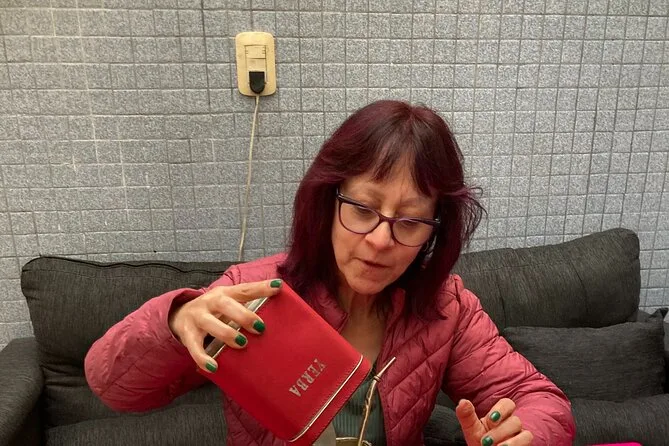
The first thing I noticed was the smell — onions sizzling somewhere behind a half-open kitchen door, and that sweet, milky scent of dulce de leche. We were welcomed in by our host (Mariana — she told us to call her Mari), who handed us aprons and started chatting like we’d known each other for ages. There was music playing softly — tango, of course — but not the dramatic kind you see on postcards. More like something someone’s uncle would play at a family party.
We got right into it: chopping vegetables for the empanada filling while Mari explained how every family in Buenos Aires has their own way of folding them. She showed us three “repulgue” techniques and laughed when my first try looked more like a dumpling than anything else. “No worries,” she said, “the important part is that you made it.” The dough felt cool and soft under my fingers. I still remember the way the kitchen went quiet for a second as we pressed the edges shut — everyone concentrating hard, then suddenly someone cracked a joke about their lopsided pastry and we all lost it.
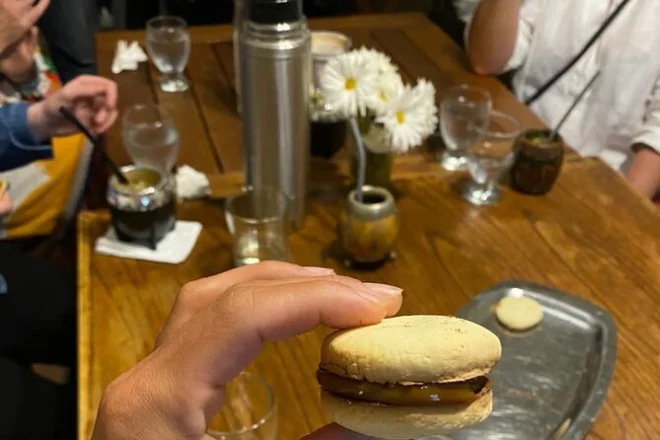
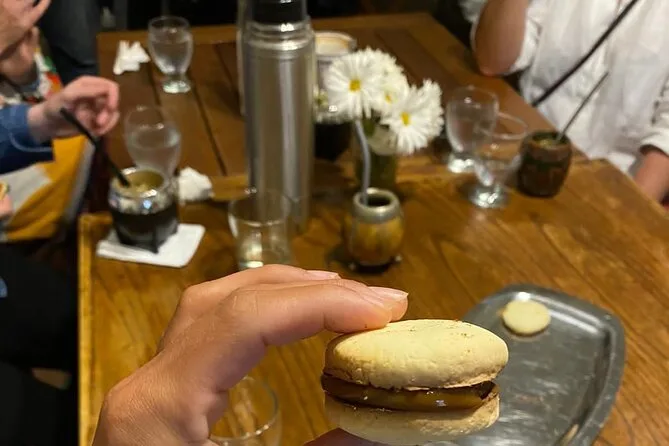
After sliding the empanadas into the oven (I didn’t expect how hungry I’d get just from the smell), we moved on to making alfajores de maicena. Rolling little balls of dough between our palms, trying not to eat too much dulce de leche straight from the spoon — impossible, honestly. Mari told us about her grandmother’s recipe and how every bakery in Argentina claims theirs is best. I tried saying “alfajor” properly; she grinned at my accent but seemed genuinely happy I tried.
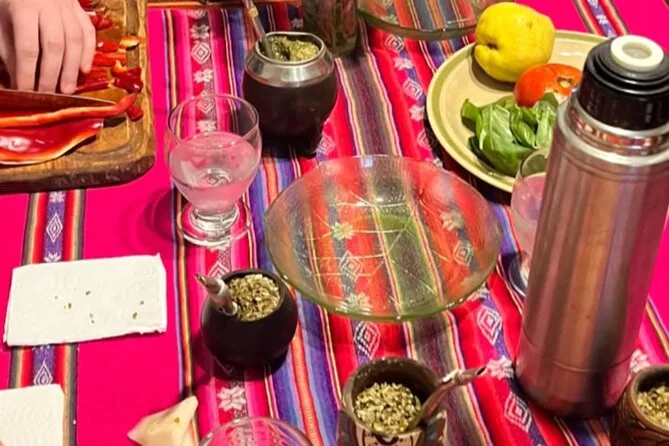
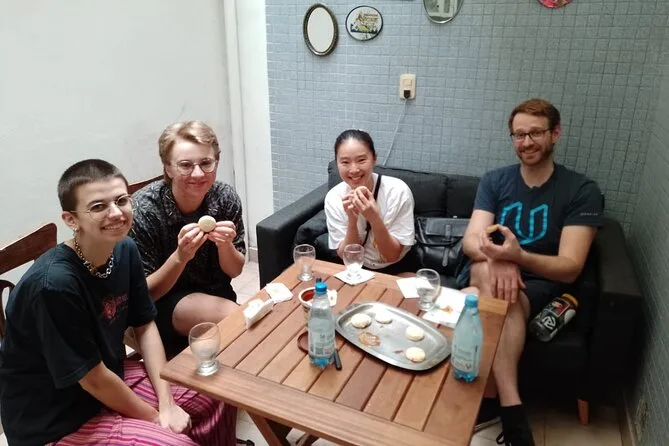
The mate part was almost meditative. Mari set up a circle and explained why sharing mate is such a big deal here — not just tea, but something about trust and connection (and apparently there are rules about who pours). The yerba had this grassy smell that reminded me of summer fields back home. We talked about Buenos Aires life — politics, football rivalries, even what makes someone truly Porteño. By the time we ate what we’d cooked together, it felt less like a class and more like being invited into someone’s living room for lunch. I still think about that afternoon sometimes when I see empanadas on a menu.
 3h
3h

Step-by-step itinerary
Day 1 — Learn to make empanadas and alfajores
- Meet certified Buenos Aires guide
- Learn to prepare mate like locals
- Watch or make empanadas dough
- Practice empanada closing techniques
- Prepare alfajores with dulce de leche
- Eat empanadas and alfajores
- Discuss local culture and customs

Top questions

Is this Buenos Aires cooking class suitable for vegetarians?
Yes, vegetarian options are available if requested in advance.
What foods will I learn to make during this class?
You’ll prepare Argentine empanadas and alfajores de maicena with dulce de leche.
Does the class include tasting or eating what we cook?
Yes, you’ll eat everything you prepare during the cooking class.
Is mate included in this Buenos Aires cooking experience?
Yes, preparing and sharing mate is part of the class—tea and coffee are also available.
How long does the empanada & alfajor cooking class last?
The experience lasts around 3 hours from start to finish.
Is this activity wheelchair accessible?
Yes, both transportation options and the venue are wheelchair accessible.
I have dietary restrictions—can they accommodate me?
Please let them know your dietary needs in advance so they can adjust the menu if possible.

What’s included
Your afternoon includes all ingredients for making empanadas and alfajores (with plenty of dulce de leche), hands-on guidance from your local host in central Buenos Aires, plus yerba mate to share together—tea or coffee if you prefer—and time to relax while tasting everything you’ve cooked before heading out again.
 Super deal
  Free booking, free cancellation.
  Don't lose your place.


 Do you need help planning your next activity?
  +507 6792-0894


