
Bariloche: German Immigration & Nazi History Walking Tour

The Alpine Town That Hid a Darker Chapter
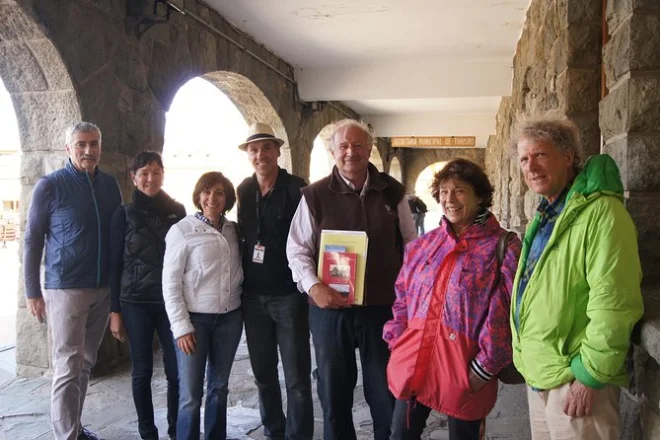
You walk through Bariloche's German-built Civic Center and historic neighborhoods with an expert guide who explains how Alpine immigration shaped the town's architecture and culture, then traces the arrival of Nazi-era figures and the evidence that remains. The tour covers three key sites—the Civic Center, Cántaros Waterfall area, and the German quarter—and is available in English or Spanish, so you understand every detail of a history most visitors never learn.
 1h 30m

Step-by-step itinerary
Explore German immigration and Nazi history
- Discover town foundation by German immigrants
- Explore historic area outside historic house
- Learn key German influence breakthrough outside building
- Visit German neighborhood and Nazi-related sites

The Experience
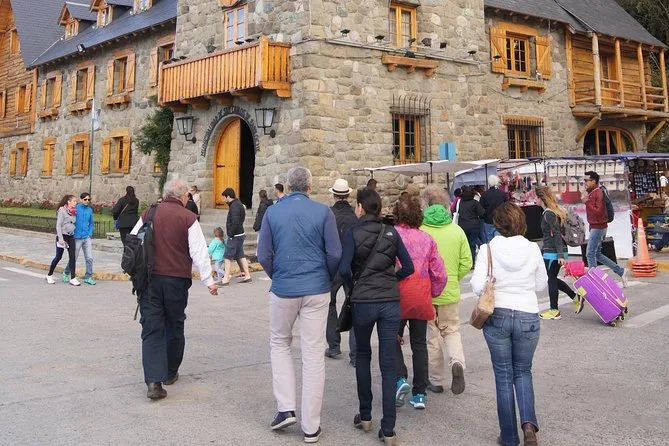
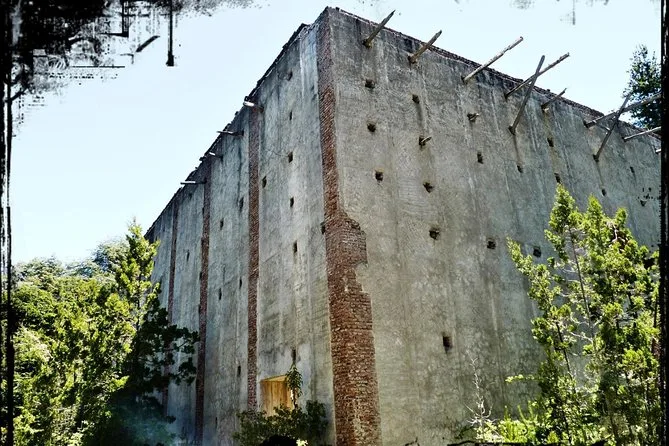
Picture the Civic Center rising against the Andes, its steep roofs and timber framing unmistakably Alpine—except you're standing in Argentina. That architectural dissonance is the first clue that Bariloche's story isn't what the postcard suggests. German-speaking settlers arrived in the late 1800s and didn't just build chalets; they shaped the entire town's skeleton, its culture, its relationship to the mountains. Your guide, an expert on this specific history, walks you through the Civic Center first, explaining how these early waves of immigration became the foundation of everything that followed—including the darker arrivals that came later.
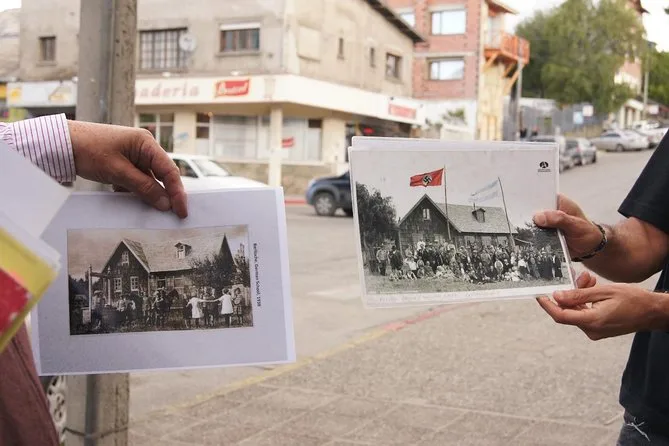
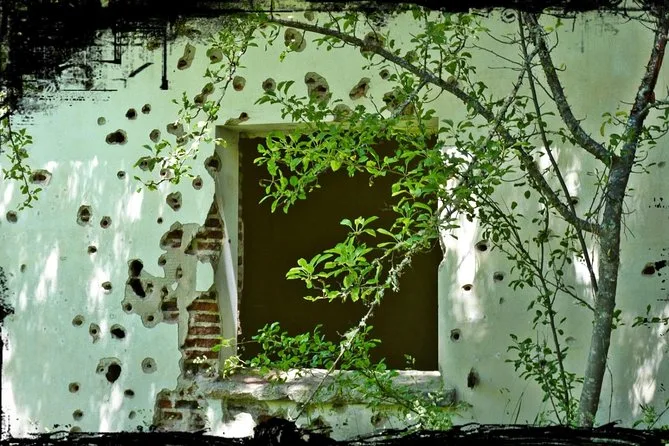
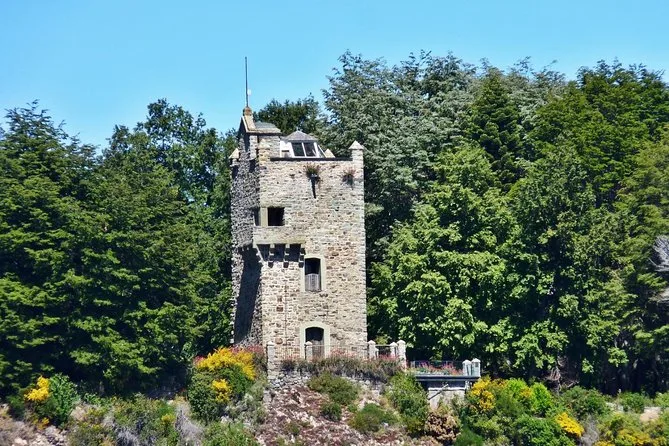
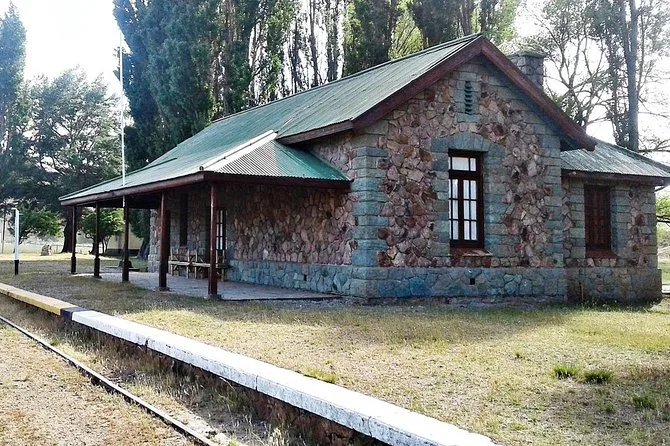
The tour moves into the German neighborhoods, where you'll stand outside actual houses and sites connected to the Nazi presence in Bariloche, including figures like Erik Priebke who sought refuge here after the war. Your guide answers the questions people usually whisper about—the rumors of Hitler in the region, the documented arrivals, the evidence that remains. This isn't a sensationalized history lesson; it's grounded in what the buildings themselves reveal, the records, the geography that made Bariloche a destination for people fleeing Europe in 1945. You'll visit Cántaros Waterfall, where the guide unpacks a key breakthrough moment in understanding German influence not just in this town but across Argentina itself.
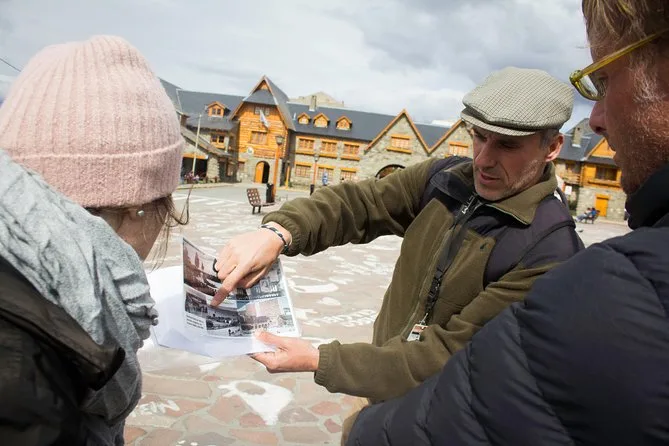
The whole experience hinges on having someone who knows the archives, the local stories, and the uncomfortable questions. Your guide is certified in this history and will go as deep as your questions push—which means you're not getting a rehearsed script but a real conversation about how a mountain town became entangled with one of the 20th century's most consequential migrations and what that means when you're standing in front of the buildings where it happened.

What’s included
- Your tour includes a certified expert guide specializing in Bariloche's German immigration and Nazi-era history.
- The guide leads you through the Civic Center, the German neighborhoods, and Cántaros Waterfall, explaining the architecture, immigration waves, and historical figures connected to each site.
- Tours are conducted in English or Spanish.
- Public transportation is available to reach the meeting point.
Operated by Historias de Bariloche Walking Tours
Is this one for you?Book this if you want to understand Bariloche's hidden history with someone who knows the archives and the difficult questions—the expert guide is what makes the difference between a walking tour and an actual education about how this town became what it is.
Traveler reviews
More experiences you might like
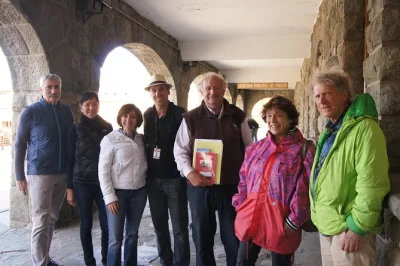 Bariloche: German Immigration & Nazi History Walking Tour★ 4.86 (359)1h 30mEN · PT +1US$ 41
 Bariloche: Horseback Riding & Asado Lunch at Patagonian RanchFeel the Patagonian steppe on a guided horseback ride near Bariloche, spot wildlife, and share an Argentine asado lunch at a historic ranch. Includes hotel pickup.★ 4.63 (79)6hEN · ESUS$ 215View ›
 Bariloche: Private Fly Fishing Trip & Patagonian BBQ LunchFeel Patagonia’s wild rivers on a private fly fishing day trip from Bariloche, with expert guides, all gear, riverside barbecue lunch, and hotel pickup included.★ 4.92 (165)7hEN · ESUS$ 100per groupView ›
Top questions
Is the tour available in English?
Yes, tours are offered in both English and Spanish.
Is this tour suitable for children?
Infants and small children can ride in a stroller. The tour is not recommended for travelers with poor cardiovascular health, as it involves walking and some elevation.
Can I take public transportation to the tour meeting point?
Yes, public transportation options are available nearby.
What is the physical difficulty level?
The tour is suitable for all fitness levels, though it's not recommended for people with poor cardiovascular health.
Will the guide discuss Nazi figures like Erik Priebke?
Yes, the tour covers the Nazi presence in Bariloche, including documented arrivals of figures like Erik Priebke, and explores the evidence and stories connected to that period.
Does the tour cover the rumors about Hitler in Bariloche?
The guide addresses stories about Hitler in the region and explores the evidence alongside documented historical facts.
Bariloche: German Immigration & Nazi History Walking Tour
1h 30m · EN · PT +1
from US$ 41 per person
★★★★★★★★★★4.86359 reviewsVerified traveler reviews via our booking provider
