

 +507 6792-0894


Albania 8-Day Tour: UNESCO Sites, Riviera & Local Culture





Summary
Discover Albania’s Hidden Gems: Castles, Coastline & History
You’ll dive into Albania’s real life: castles echoing with legends, seaside towns where locals greet you like family, ancient ruins hidden among wildflowers, plus honest-to-goodness food stops only locals know about—all wrapped up with guides who make every story come alive.

The first thing that hit me in Tirana was the energy—people everywhere, colors splashed on old buildings, and a mix of old Ottoman domes and modern glass. Our guide met us right at the airport with a big grin and stories ready. After dropping our bags at the hotel (central spot, easy to walk everywhere), we headed straight for Skanderbeg Square. It’s huge—honestly bigger than I expected—and you can’t miss the statue of Skanderbeg himself on horseback. The Et’hem Bej mosque sits quietly in one corner; I remember catching the scent of incense drifting out as we peeked inside. We wandered past the Opera House and up to the Pyramid—a strange leftover from communist times that locals now use as a hangout spot. Bunk Art Museum was a surprise: cold concrete tunnels filled with art and history about Albania’s tough past. By evening, Tirana felt like a city always moving forward but never forgetting where it came from.
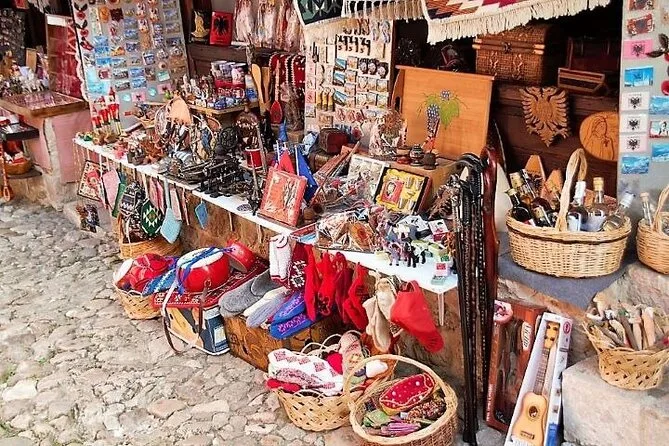
The next morning started with fresh bread and strong coffee before heading north. Kruja sits high above everything—windy up there, so bring a jacket even if it’s sunny below. Inside Kruja Castle, our guide shared tales of Skanderbeg’s battles against the Ottomans; you can almost picture it happening on those stone walls. The bazaar outside is narrow and lively—old men selling filigree jewelry, women weaving carpets right in front of you. We picked up some copper coffee pots as souvenirs (they’re everywhere here). Quick stop in Lezha to see Skanderbeg’s memorial tomb—25 shields on the wall marking his victories—and then off to Shkodra. Rozafa Castle has views over rivers and lakes; you’ll hear seagulls overhead even though you’re miles from the sea. The pedestrian street downtown feels almost Italian with its pastel buildings and little cafés serving byrek pastries.
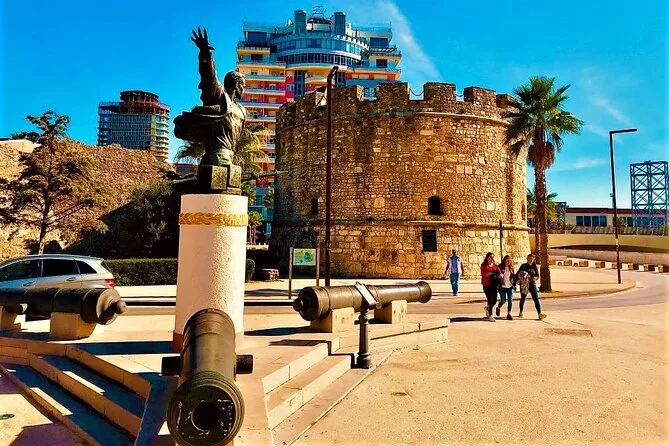
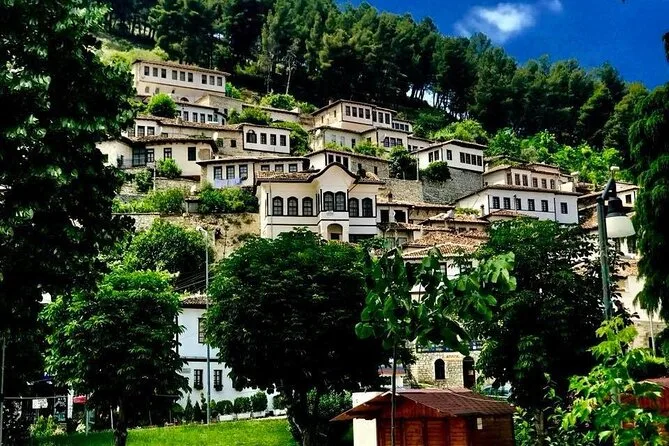
Durrës was buzzing when we arrived—fishermen hauling nets near the port, kids playing soccer by ancient Roman walls. The amphitheater is massive; hard to believe people sat here nearly 2,000 years ago watching gladiators. Down by the beach you can still see bits of mosaic floors peeking through sand. Berat came next—the “city of a thousand windows.” Walking up to Berat Castle just before sunset is something I won’t forget; golden light bouncing off white stone houses stacked along the hill. Inside the castle walls people still live their daily lives—kids chasing chickens between churches and mosques. Onufri Museum inside St Maria’s Cathedral has these bright icons painted centuries ago; our guide explained how each color had special meaning.
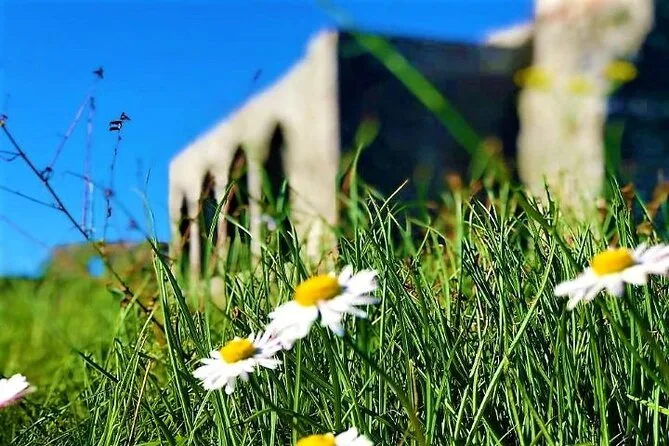
Leaving Berat behind, we stopped at Ardenica Monastery—a peaceful place surrounded by olive trees where monks still keep bees for honey (you can buy some at the gate). Apollonia’s ruins are scattered across rolling hills; wildflowers everywhere in springtime and cicadas buzzing if you visit later in summer. Vlora felt different: sea air, palm trees lining Independence Square where Albania declared freedom from Ottoman rule in 1912. Zvernec Monastery sits on an island reached by a rickety wooden bridge—it creaked under our feet but held firm.
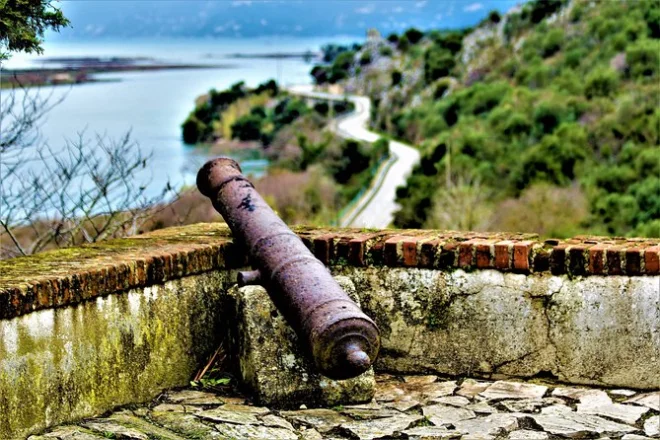
The drive along the Albanian Riviera is all switchbacks and jaw-dropping views—tiny villages tucked into cliffs above turquoise water. Ali Pasha Castle stands out with its odd triangular shape; fishermen were mending nets nearby when we visited. Saranda is lively but not overwhelming—evenings are best spent strolling along the promenade or grabbing grilled fish at a seaside taverna (try local olives too). Pasqyra Beach is quieter than most; we found space even in July for a swim without crowds pressing in.
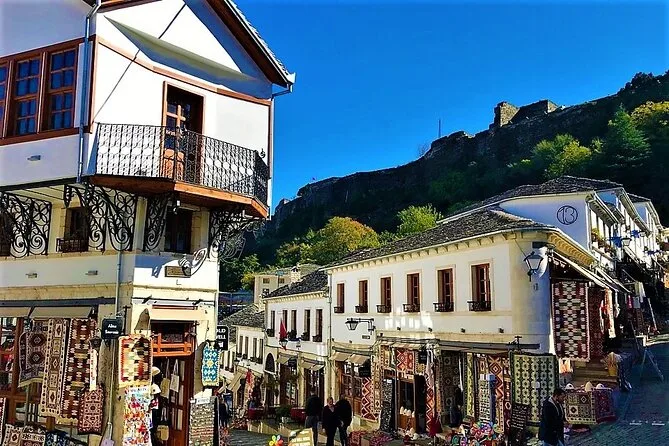
Butrint blew me away: ancient stones covered in moss, turtles sunning themselves near ruined temples, echoes of Greek myths everywhere you look. Our guide pointed out carvings I’d have missed otherwise—a tiny bull etched into marble near what used to be a theater entrance. The Blue Eye spring is freezing cold but impossibly clear—you’ll see people daring each other to jump in despite warning signs (locals say it brings good luck). Gjirokastra rises steeply from the valley floor; slate-roofed houses stacked like dominoes up cobbled lanes. We visited Ismail Kadare’s house—his books are everywhere here—and tried qofte meatballs at a family-run place just off Bazaar Street.
On our last day back toward Tirana, we stopped for “Albanian McDonald’s”—really just flaky pies stuffed with cheese or spinach from a tiny shop where locals line up before work (50 lek each!). Free time meant wandering Tirana’s parks or grabbing gelato near Mother Teresa Square before heading home full of stories and photos I know I’ll be showing off for months.
 8d
8d

Step-by-step itinerary
Day 1 — Arrival and Tirana City Tour
- Meet guide at airport and transfer to hotel
- Visit Scanderbej Square, Et’hem Bej mosque, Scanderbeg monument, Opera house, Clock tower
- See Pyramid monument, Bunk Art museum, Government building, main boulevard, Mother Teresa Square
Day 2 — Kruja, Lezha and Shkodra
- Visit medieval city of Kruja and Skanderbeg Museum
- Stop in Lezha to see memorial tomb of Gjergj Kastrioti Scanderbeg
- Explore Shkodra: Rozafa Castle, pedestrian area, Viennese mask factory
Day 3 — Durrës and Berat UNESCO City
- Visit Durrës: Roman amphitheater, ancient sites, Archaeological Museum
- Explore Berat Castle, Cathedral of St Maria, old town, Gorica bridge, King Mosque
Day 4 — Ardenica, Apollonia and Vlora
- Visit Ardenica Monastery and St. Mary’s Church
- Explore ancient city of Apollonia archaeological site
- Visit Vlora: Museum of Independence and Zvernec Monastery
Day 5 — Albanian Riviera and Saranda
- Visit Ali Pasha Castle and St. Nicolas Church
- Explore Albanian Riviera coastline and beaches
- Visit Saranda: Pasqyra Beach and Lekursi Castle
Day 6 — Butrint, Blue Eye and Gjirokastra
- Visit ancient ruins of Butrint UNESCO site
- Stop at Blue Eye natural spring
- Explore Gjirokastra: castle, traditional houses, museums
Day 7 — Return to Tirana and Free Afternoon
- Travel to Tirana with stop for Albanian pies fast food
- Free afternoon in Tirana
Day 8 — Departure from Tirana
- Transfer to Tirana Airport

Top questions

Is this Albania tour suitable for someone using a wheelchair?
Yes! All areas are wheelchair accessible and public transport options are nearby if needed.
What kind of accommodation should I expect?
You’ll stay in comfortable 3*–4* hotels throughout Albania—clean rooms with private bathrooms and good locations.
Are meals included during this tour?
No meals are included except breakfast at hotels—but your guide will recommend great local spots for lunch or dinner each day.
How much walking is involved each day?
You’ll do some walking around historic sites and towns but nothing too strenuous; suitable for most fitness levels.
Can infants join this trip?
Yes! Infants are welcome—they just need to sit on an adult's lap during transfers.

What’s included
Your week includes seven nights’ accommodation in well-located hotels (3*–4*), all ground transport by air-conditioned vehicle, plus your knowledgeable driver-guide who shares real local insight every step of the way.
 Super deal
  Free booking, free cancellation.
  Don't lose your place.


 Do you need help planning your next activity?
  +507 6792-0894


