
Red River Delta Full-Day Bike Tour: Villages & Co Loa Citadel






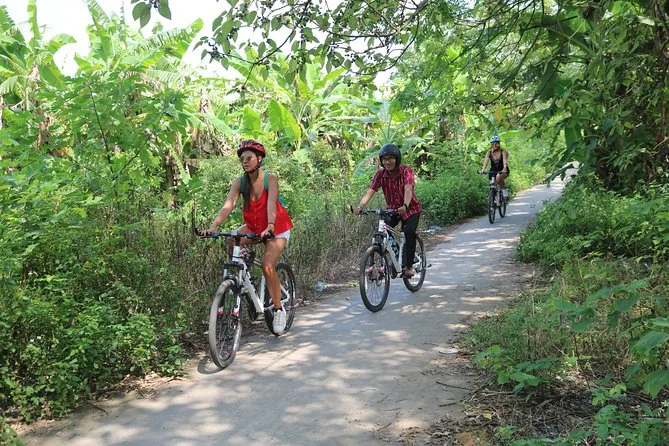
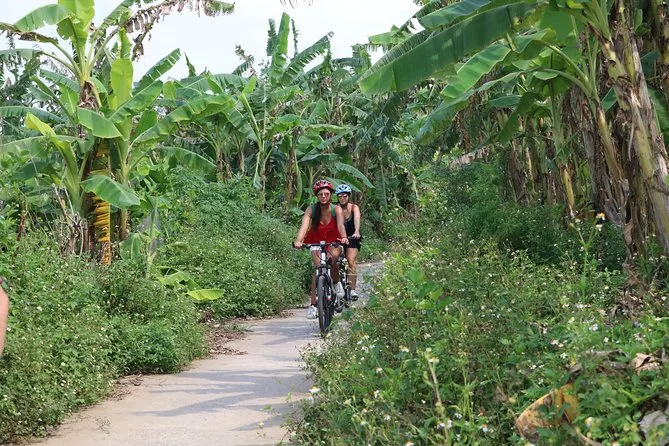
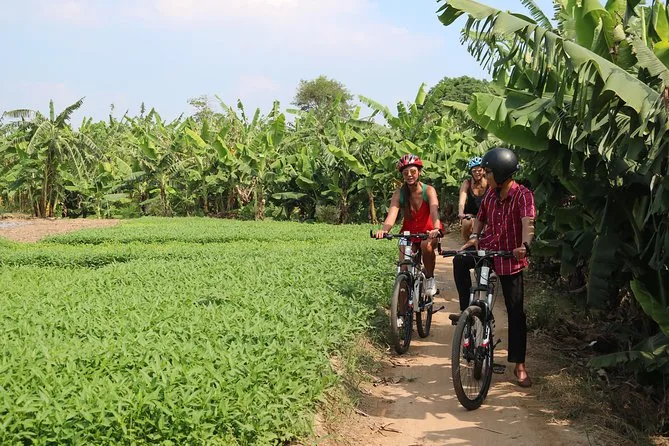
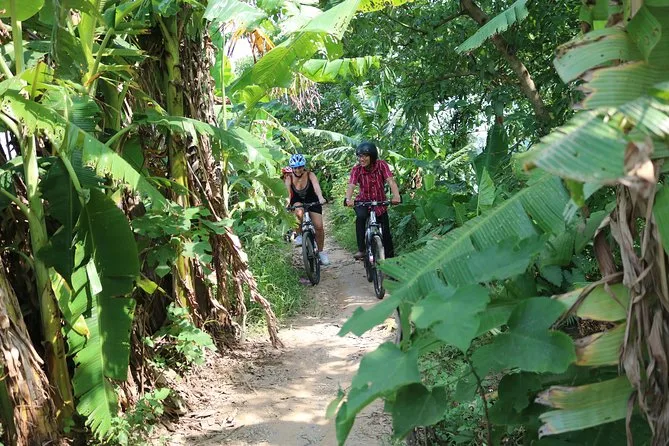

Cycle Hanoi’s Hidden Backroads & Ancient Co Loa
If you want to see real rural Vietnam beyond the usual tourist spots, this bike tour is for you. You’ll cross historic bridges, meet local families, taste fruit straight from the farm, and cycle through villages that rarely see outsiders—all with an expert guide who knows every shortcut and story along the way.
 7h
7h

Step-by-step itinerary
Full Day Cycling Tour in Hanoi
- Bike selection and safety briefing
- Cycle through alleys and Long Bien Bridge
- Ride along riverbanks, visit countryside and local market
- Visit Co Loa ancient citadel and local family farm

The Experience
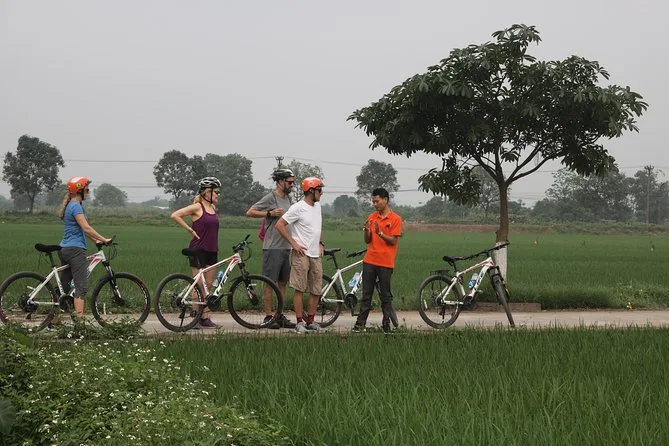
The morning air in Hanoi always feels a bit cooler near the river. Our guide picked us up right on time, and after a quick ride to the bike shop tucked away in the Old Quarter, we got to pick out our bikes—mine had a squeaky bell that made me laugh every time I used it. The safety briefing was short but helpful, especially since the city traffic can be a little wild if you’re not used to it.
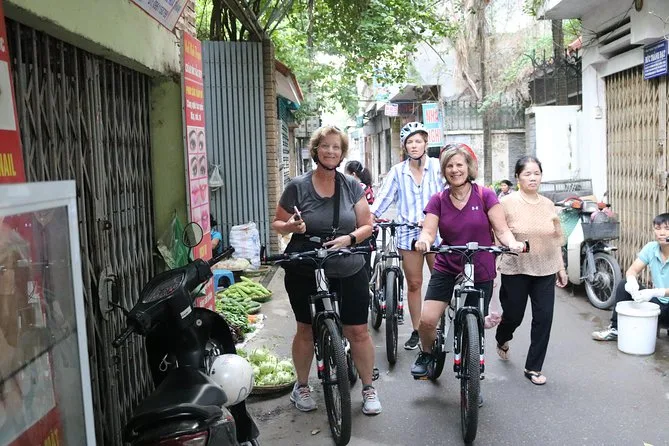
We started pedaling through narrow alleys, weaving past tiny cafés and street vendors setting up for the day. The city faded fast behind us as we reached Long Bien Bridge. It’s old—over a hundred years—and you can feel its age in the wooden planks under your tires. From up there, I watched boats drifting below and caught the earthy smell of vegetables growing on the river island. Our guide pointed out how locals still farm right on those muddy banks.
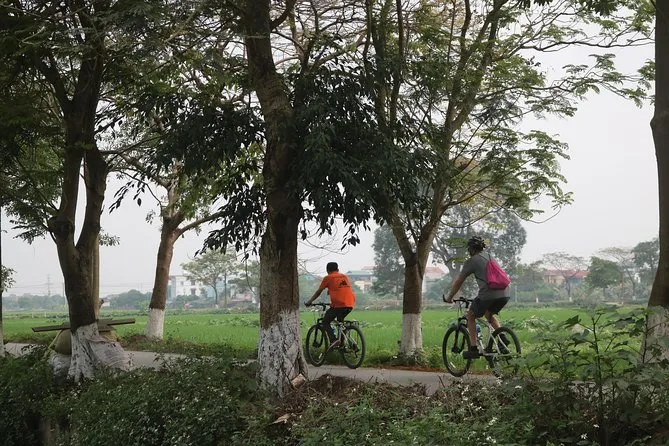
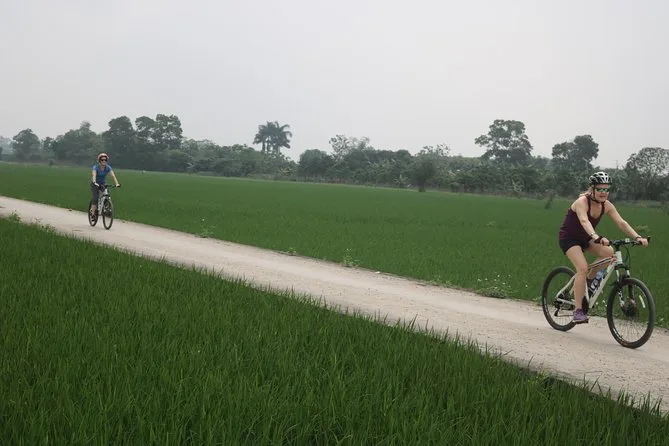
Once we crossed, the scenery changed completely. Suddenly it was all green fields and open sky. We passed farmers bent over in the rice paddies, their hats bobbing above the stalks. At one point, we stopped at a family home where we tried some fresh guava straight from their garden—honestly, nothing like fruit picked right off the tree. The family was shy at first but warmed up quickly; our guide helped translate as we chatted about their daily routines and traditions.
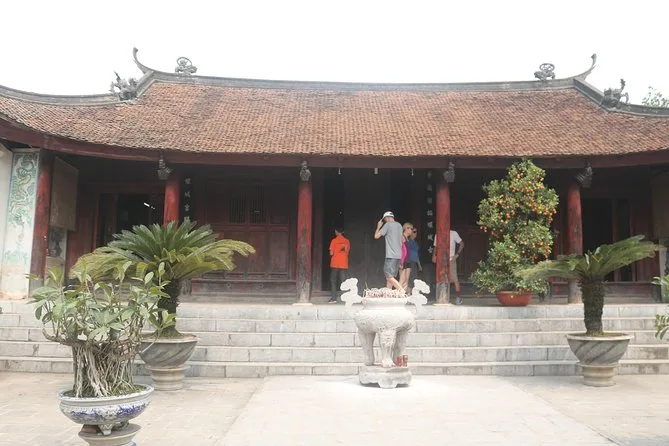
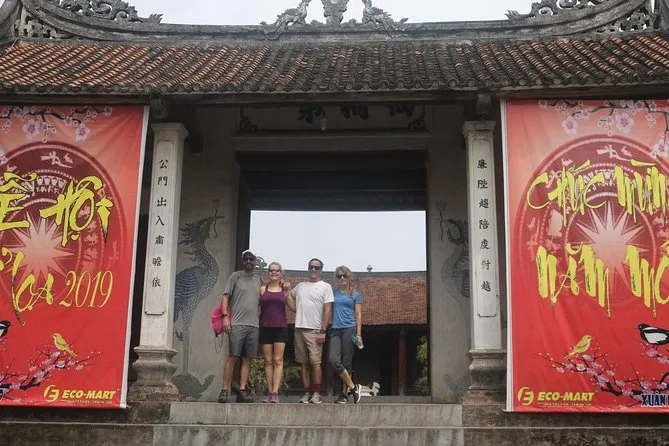
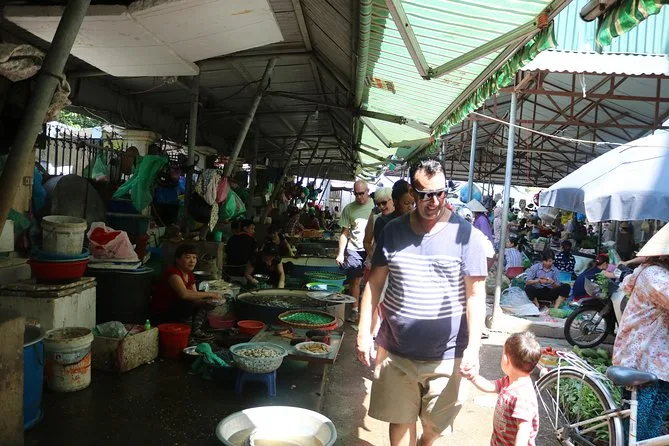
The ride took us along dirt tracks and through small villages most tourists never see. At a local market, I could hear chickens clucking and vendors calling out prices—no English here, just pure local life. Later, we reached Co Loa Citadel. Standing among those ancient walls (built way back in 257 BC), I could almost picture what life was like when An Duong Vuong ruled this place. Our guide shared stories about old battles and legends; it made history feel close somehow.
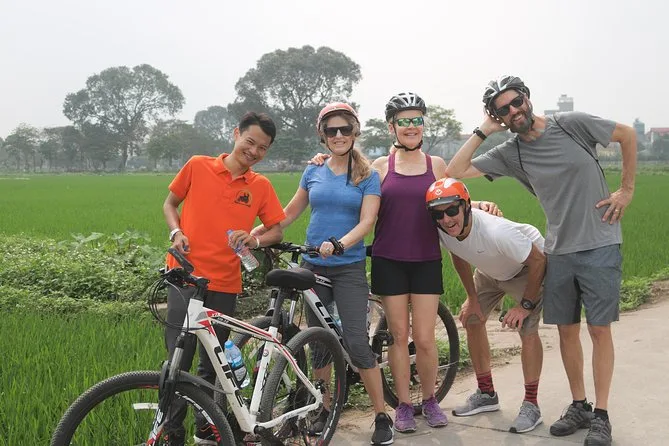
On the way back to Hanoi, we cycled past more rice fields and traditional houses with tiled roofs and faded paint. By then my legs were tired but happy—the kind of tired you only get from seeing something real up close. We finished back in the city just as folks were heading out for lunch, feeling like we’d seen a side of Vietnam most people miss.

What’s included
Your hotel pick-up and drop-off (Old Quarter area), English-speaking guide who really knows local history, all entrance fees (including Co Loa), lunch at a neighborhood spot (not touristy), mountain bike rental with helmet, rain poncho if needed, plus bottled water throughout the day.
Operated by Bicycle Tours Hanoi
Traveler reviews
Compare the 13 similar options
 Red River Delta Full-Day Bike Tour: Villages & Co Loa Citadel★ 5.00 (18)7hENUS$ 98
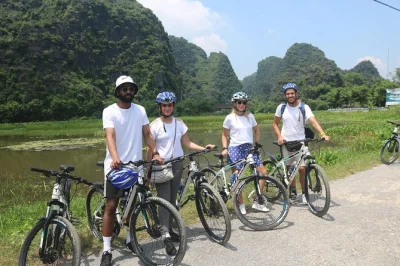 Hanoi: Bike tour Red River island, Train Street & Old QuarterRide from Hanoi’s Old Quarter to Red River island and Train Street with a local guide. Includes bike, pickup, and egg coffee. Book your spot now.★ 4.82 (66)3hENUS$ 49View ›
 Halong Bay Day Cruise: Caves, Titop Island & Buffet LunchFeel the pulse of Halong Bay on a Diamond 5-Star cruise with caves, Titop Island, kayaking, and a buffet lunch. Includes Hanoi pickup and English-speaking guide.★ 4.94 (2,163)11h–12hENUS$ 48View ›
 Hanoi Night Motorbike Food Tour: Train Street & Egg CoffeeRide through Hanoi’s night streets on a motorbike, taste street food with local women guides, see Train Street & end with egg coffee. Includes hotel pickup.★ 4.99 (137)4hENUS$ 69View ›
 Ha Long Bay Cruise: Caves, Kayaking & Buffet from HanoiStep onto a Ha Long Bay cruise from Hanoi with caves, kayaking, swimming, and a buffet lunch. Includes hotel pickup, English guide, and sunset party on deck.★ 4.96 (653)11h–12hENUS$ 65View ›
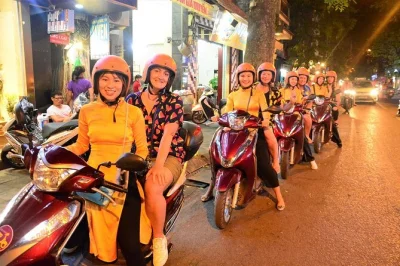 Hanoi Night Food Tour by Motorbike: Women Drivers & Local EatsHanoi motorbike food tour at night with female drivers. Includes hotel pickup, Banh Cuon, Bun Cha, seafood, egg coffee and 4 food stops. Around 3 hours.★ 4.99 (1,920)4hENUS$ 69View ›
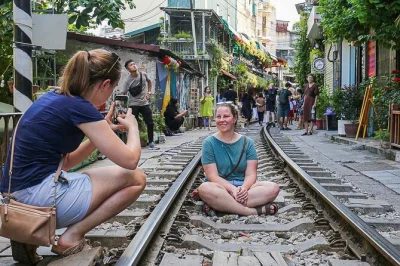 Hanoi Old Quarter: Street Food Tour & Train Street DrinksLet Hanoi’s Old Quarter pull you in with street food, local stories, and a close-up Train Street drink. Small groups, pickup included, with real Hanoian flavors.★ 4.97 (264)3h–3h 20mENUS$ 29View ›
 Hanoi Old Quarter: Walking tour with local guideWalk Hanoi’s Old Quarter with a local guide, visit Bach Ma Temple, Dong Xuan Market & Long Bien Bridge. Includes snacks, drinks & stories. Book now.★ 4.84 (68)2h 30mENUS$ 35View ›
 Hanoi Old Quarter Street Food Tour & Hoan Kiem LakeHanoi street food tour with local guide. 3 hours in Old Quarter with tastings of noodle soup, steamed pancakes, snails. Hotel pickup included, dietary options available.★ 4.97 (5,326)3hENUS$ 28View ›
 Hanoi: Motorbike City Tour with Women Guides & Local LunchFeel Hanoi’s pulse from the back of a motorbike, cross Long Bien Bridge, taste egg coffee, and explore markets—includes lunch, hotel pickup, and local women guides.★ 5.00 (79)4h 30mENUS$ 59View ›
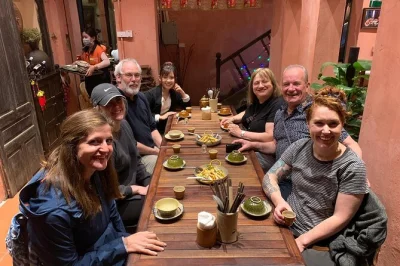 Hanoi Old Quarter: Food Walking Tour with Egg Coffee & PickupStreet food, laughter, and Hanoi’s Old Quarter—taste bun cha, pho, and egg coffee on this small-group walking tour with hotel pickup and a local guide.★ 4.97 (670)3hENUS$ 28View ›
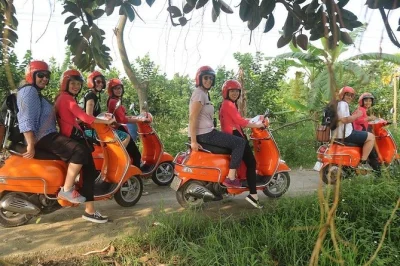 Hanoi Vespa Tour: City & Countryside with Female RidersFull-day Hanoi tour on vintage Vespas with female riders — ride through rice paddies and red river delta★ 5.00 (27)8h 30mENUS$ 109View ›
 Hanoi Old Quarter: Street Food Walking Tour with PickupFollow a local guide through Hanoi’s Old Quarter, tasting street food classics, sipping egg coffee, and wandering by Hoan Kiem Lake—includes hotel pickup.★ 4.96 (540)2h–3hENUS$ 5.13per groupView ›
Top questions
How difficult is the cycling route?
The ride is mostly flat with some dirt tracks and village roads—nothing too steep or technical. If you’re comfortable on a bike for several hours, you’ll be fine.
What should I wear or bring?
Light clothes are best (it gets warm), closed shoes for biking, sunscreen, and maybe a hat. Water’s provided but bringing an extra bottle never hurts.
Is lunch included? What kind of food will we have?
Yes! Lunch is at a local restaurant—expect simple Vietnamese dishes like noodles or rice with fresh veggies and meat options.
Will someone help if I have trouble with my bike?
Your guide knows bikes inside out and will help with any issues along the way—no worries there.
Red River Delta Full-Day Bike Tour: Villages & Co Loa Citadel
7h · EN · at your hotel
from US$ 98 per person
★★★★★★★★★★5.0018 reviews
