

 +507 6792-0894


Skip the Line Museum of Tolerance Tickets in Los Angeles





Summary
Holocaust & Human Rights Exhibits at Museum of Tolerance LA
You’ll skip the lines and dive straight into powerful exhibits at the Museum of Tolerance in Los Angeles. From interactive social justice labs to deeply moving Holocaust displays and Anne Frank’s story, every corner challenges you to reflect and connect. It’s accessible for everyone and leaves you thinking long after you leave.

Right as you step inside the Museum of Tolerance, there’s this quiet hum—school groups chatting, a faint scent of coffee from the little café near the entrance. We didn’t have to wait in line, which was honestly a relief since it was already getting warm outside on Pico Boulevard. Our guide, David, greeted us with a quick smile and pointed us toward the Social Lab first. It’s interactive—touchscreens everywhere, stories that pull you in. I remember pausing at one video about local LA activists; it felt personal, not just history on a wall.
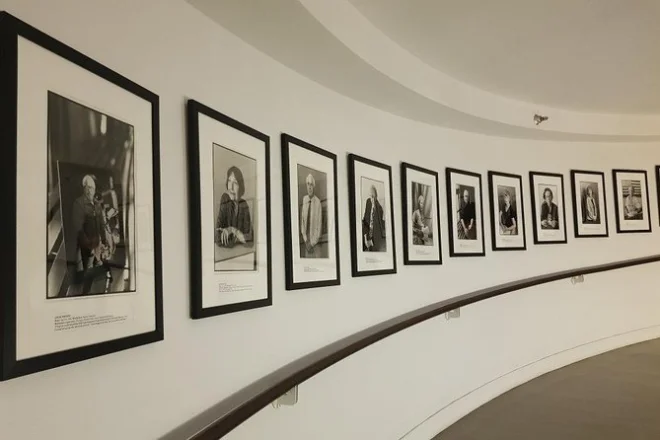
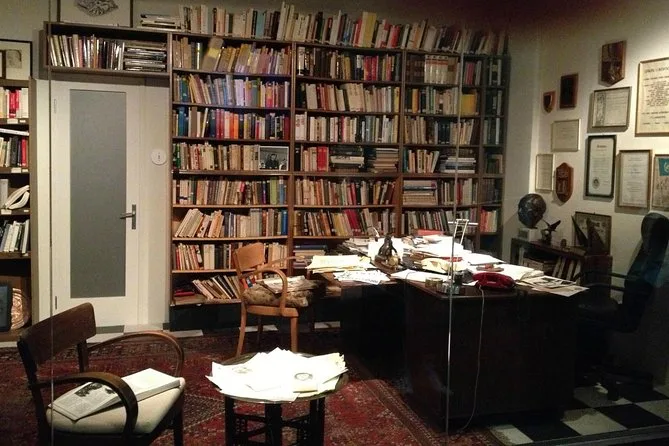
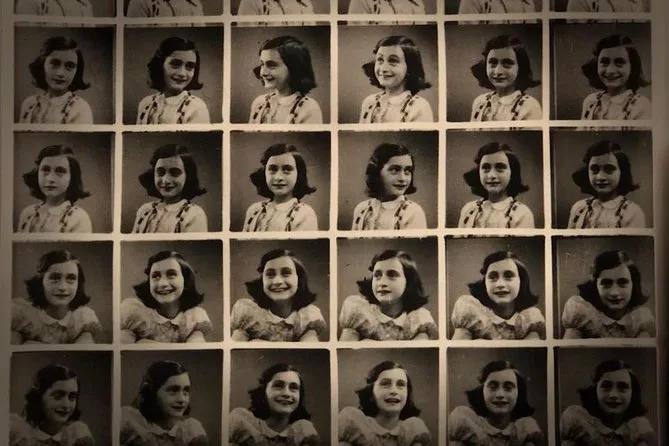
The Holocaust Exhibit is heavy but important. You walk through dim corridors lined with photos and artifacts—old suitcases, faded letters. There’s a section where you hear survivors’ voices; it gave me goosebumps. The Anne Frank room is quieter, almost tucked away, with her words printed along the walls. I noticed a group of teenagers just standing there, reading in silence. Even if you’ve read her diary before, seeing her story like this hits different.
 1h–2h
1h–2h

Step-by-step itinerary
Day 1 — Visit Museum of Tolerance
- The Museum of Tolerance visit

Top questions

Is the Museum of Tolerance suitable for kids?
The main exhibits are recommended for ages 12 and up due to sensitive content, but younger children can visit with adults. Strollers are allowed throughout.
How long should I plan to spend inside?
Most visitors spend about 2-3 hours exploring all sections at their own pace.
Is public transportation nearby?
Yes, several bus lines stop within a short walk from the museum entrance on Pico Blvd.
Are service animals or wheelchairs allowed?
Absolutely—service animals are welcome and all areas are wheelchair accessible.

What’s included
Your ticket covers general admission with skip-the-line entry to all permanent exhibits: Social Lab, Holocaust Exhibit (recommended for ages 12+), Anne Frank section, plus any temporary exhibitions running during your visit. The whole space is stroller-friendly and fully accessible for wheelchairs or mobility aids.
 Super deal
  Free booking, free cancellation.
  Don't lose your place.


 Do you need help planning your next activity?
  +507 6792-0894


