

 +507 6792-0894


Seward: Kenai Fjords Orca Cruise & Live Whale Calls


Summary
Orca watching in kenai fjords with live hydrophone calls
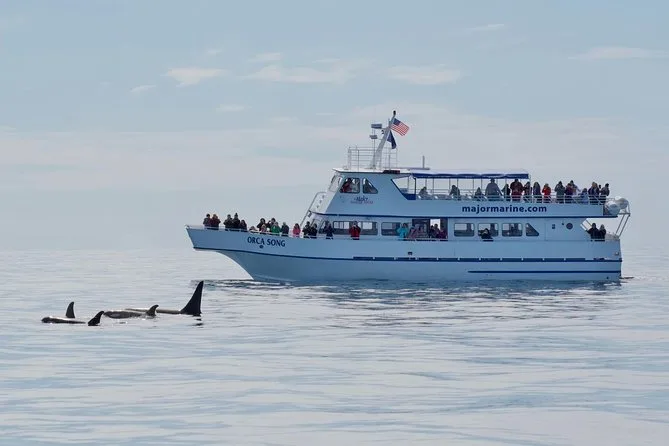
You’ll sail from Seward into Kenai Fjords with a local captain who tracks wild orcas in real time—not just following a map. Listen to live whale calls through an underwater hydrophone, use binoculars to spot dorsal fins and seabirds, and warm up with tea or coffee as you learn about these incredible animals from people who know them best.

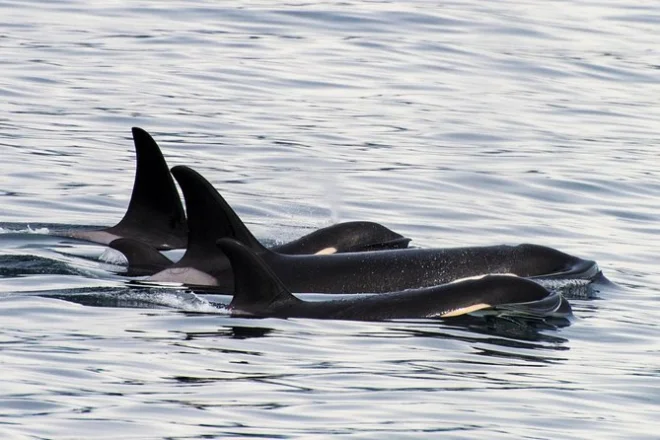
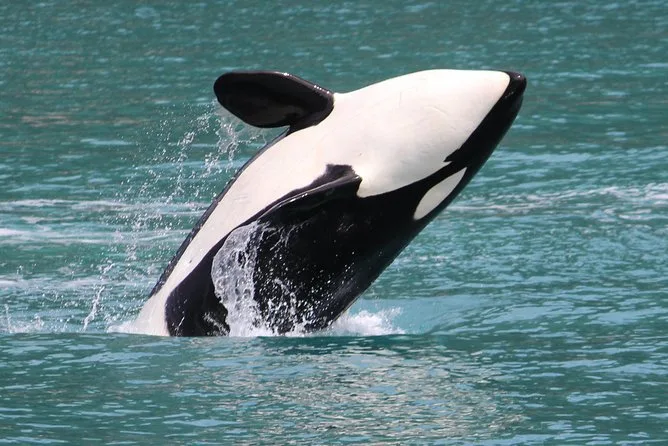
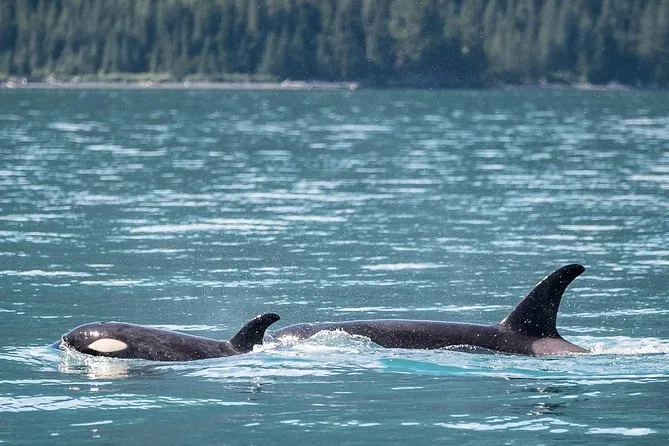
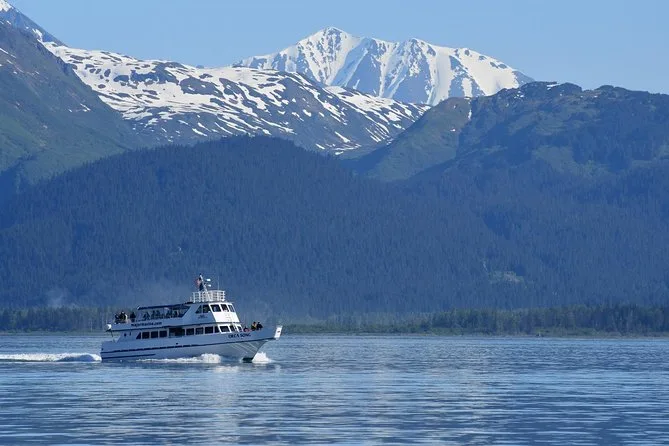
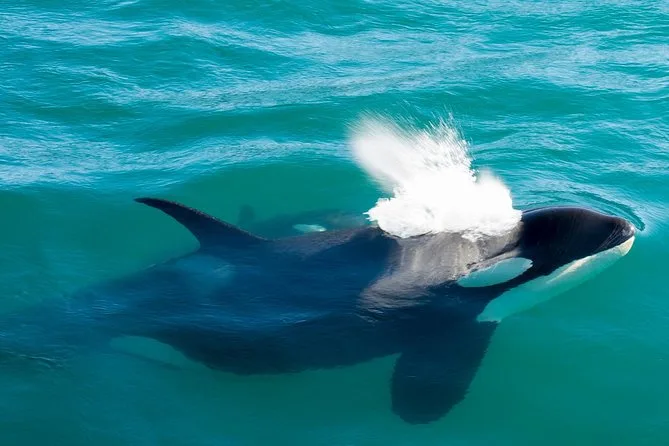
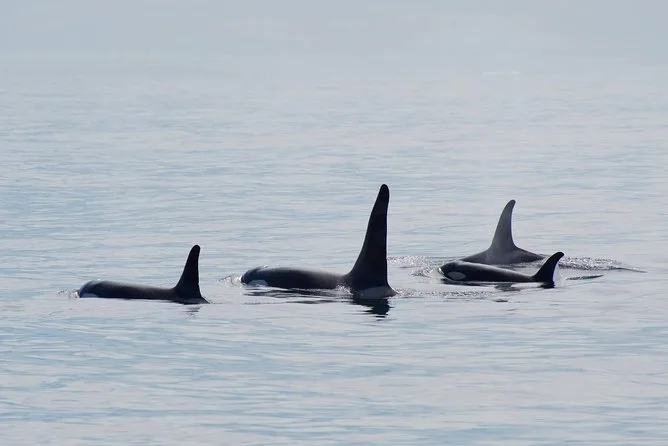
The first thing I remember was the slap of water against the hull, kind of rhythmic and cold-sounding, while someone behind me tried to say “Resurrection Bay” with a mouthful of coffee. The sky kept shifting—grayish, then suddenly bright where the sun broke through. Our captain, Jamie (she grew up here—her dad fished these waters), pointed out a cluster of black dorsal fins slicing the surface. I’d seen orca photos before but seeing them move together like that… it’s different. You feel it in your chest.
We didn’t follow some set path. Jamie kept checking her radio and talking with other boats about where orcas had been spotted that morning. At one point she just turned us around—“They’re moving fast today,” she said—and nobody seemed to mind. There was this moment when she dropped the hydrophone into the water and everyone went quiet; then you hear these eerie whistles and clicks echoing up from below. It’s hard to explain—kind of haunting but also weirdly comforting? I think I held my breath for a second.
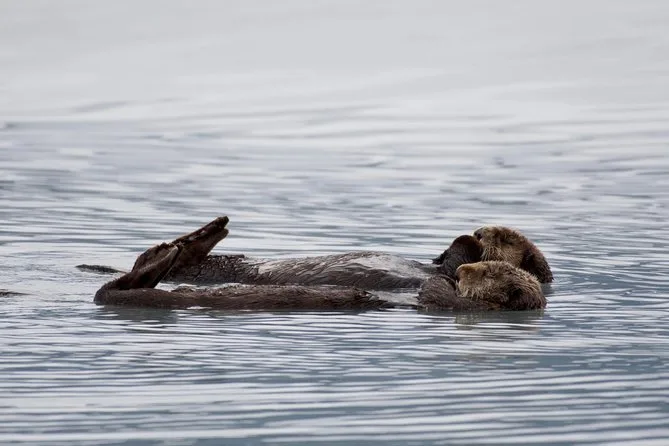
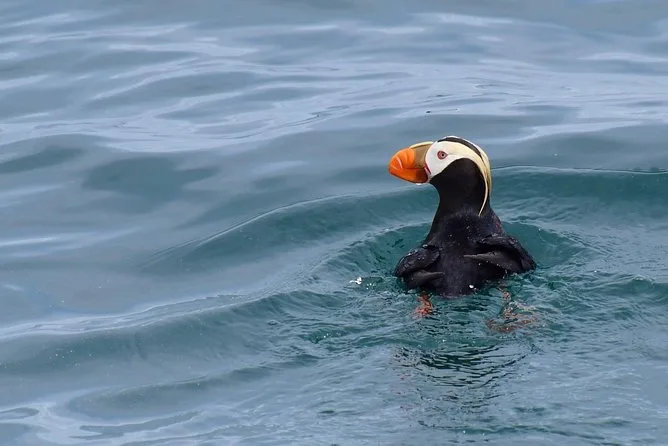
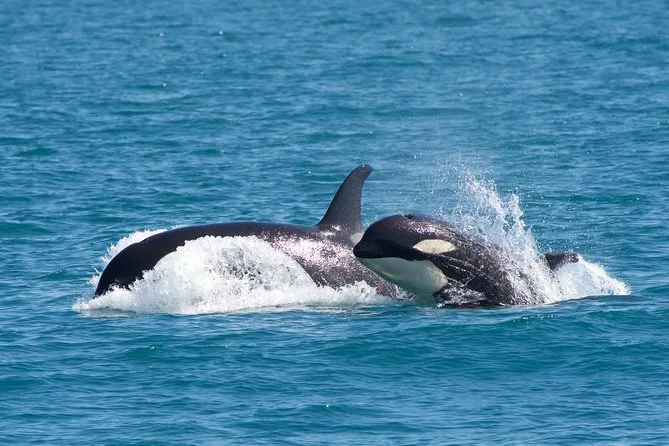
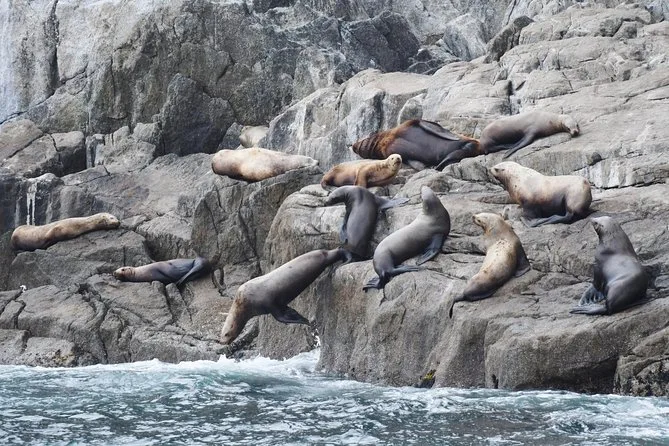
The crew handed out binoculars (which helped—I never spot anything first) and pointed out not just orcas but puffins darting low over the waves, sea otters floating like little logs. Someone asked about their family groups and Jamie explained how orcas stick together for life, even imitating each other’s calls. Li laughed when I tried to repeat one of the whale names in Alutiiq—probably butchered it. There was hot tea if you got cold (I did), and people swapped stories about what they’d seen on other trips. Honestly, I still think about that view—the sharp green coastline, all those dark shapes moving just under the surface.
 4h
4h

Step-by-step itinerary
Day 1 — Orca whale cruise in Seward
- Depart from Seward harbor
- Cruise through Resurrection Bay
- Explore Kenai Fjords National Park
- Search for orca whales
- Listen to orca calls via hydrophone
- Learn about orcas from captain and naturalist
- Enjoy snacks and beverages onboard

Top questions

When is peak season for orca watching near Seward?
Peak orca season is from mid-May through mid-June near Seward.
Is there a set route for this Kenai Fjords cruise?
No, captains adjust the route daily based on recent orca sightings.
Can you hear live whale sounds during the cruise?
Yes, an onboard hydrophone lets you listen to live orca calls underwater.
Are snacks or drinks included on the cruise?
Water, coffee, and tea are included; snacks are available for purchase onboard.
Is this cruise suitable for all fitness levels?
Yes, it's suitable for all physical fitness levels.
Are restrooms available on board?
Yes, there are restrooms available on board the boat.
Are service animals allowed on this tour?
Service animals are allowed on this cruise.

What’s included
Your day includes educational narration by an experienced captain and naturalist crew, use of binoculars while onboard to spot wildlife up close, access to water, coffee, and tea for warmth, plus all taxes and fees already covered so you can just focus on watching for those iconic dorsal fins cutting through Resurrection Bay.
 Super deal
  Free booking, free cancellation.
  Don't lose your place.


 Do you need help planning your next activity?
  +507 6792-0894


