
Portland, Maine: Black History Walking Tour & Stories

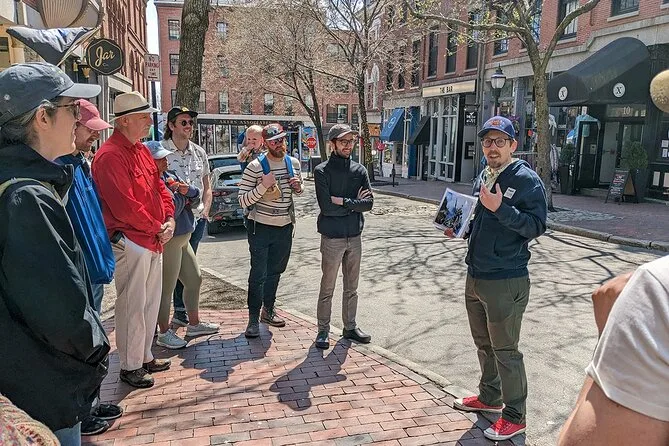
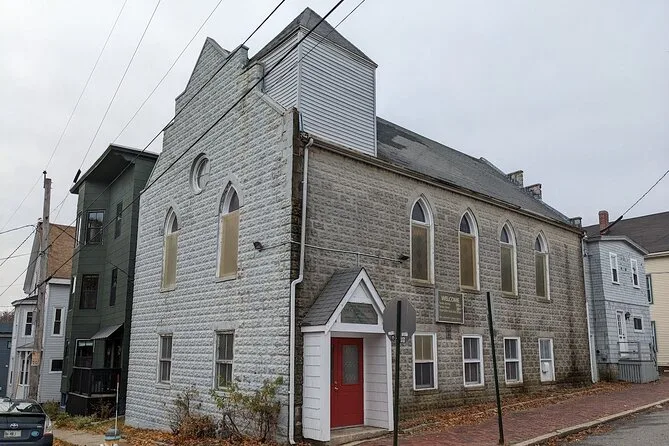

Portland’s cobblestones hold Black voices lost in plain sight
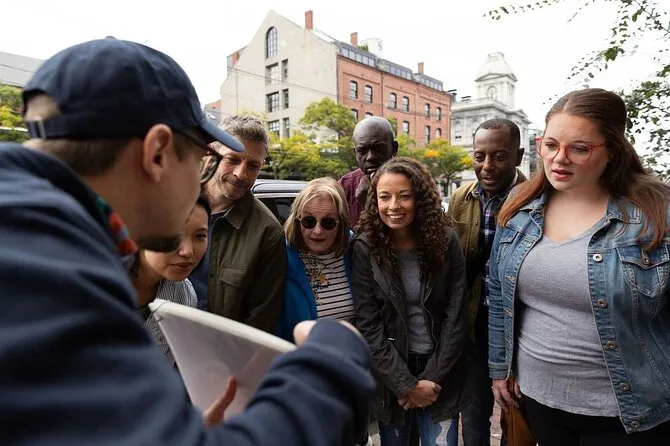
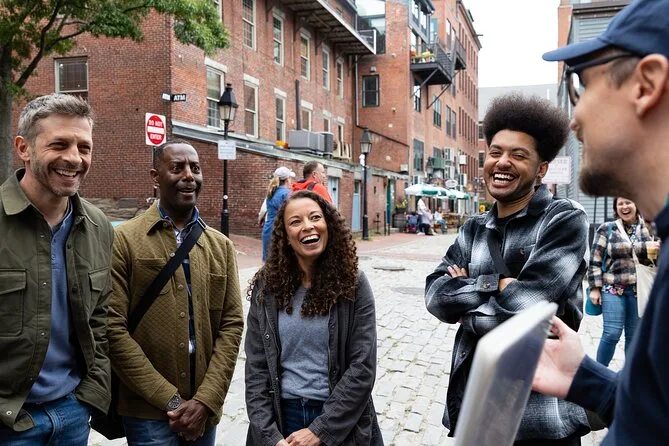
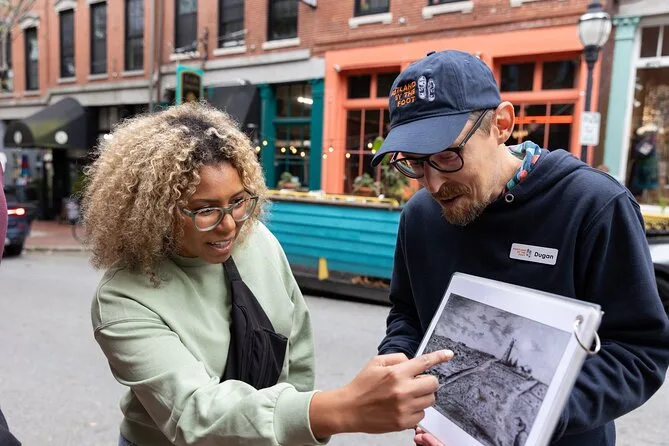
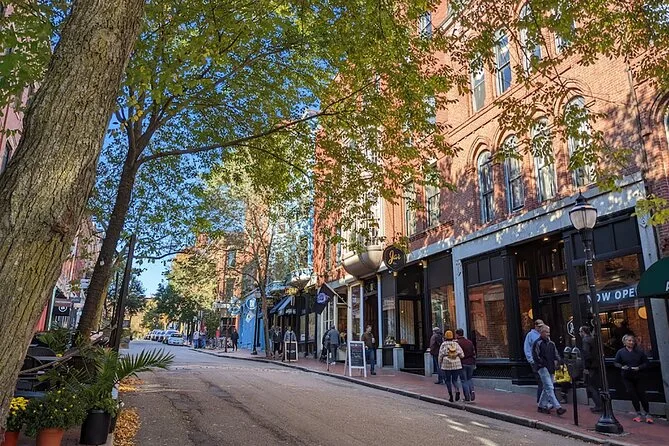
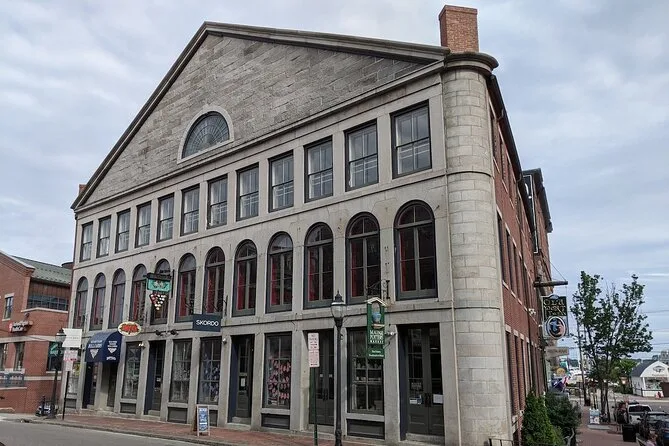
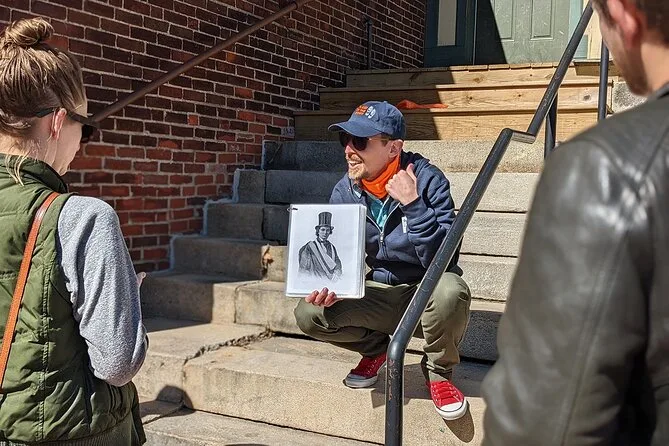
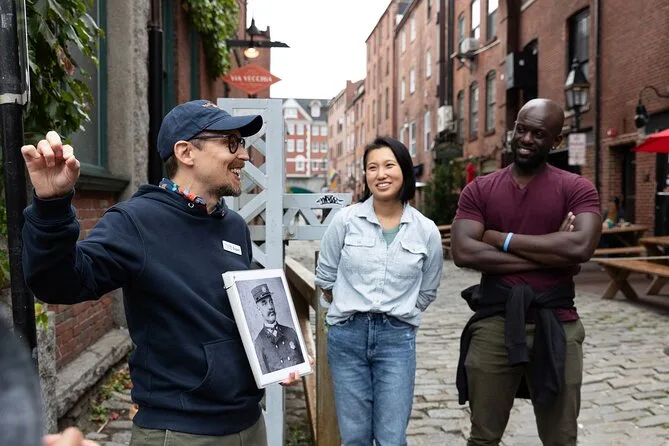
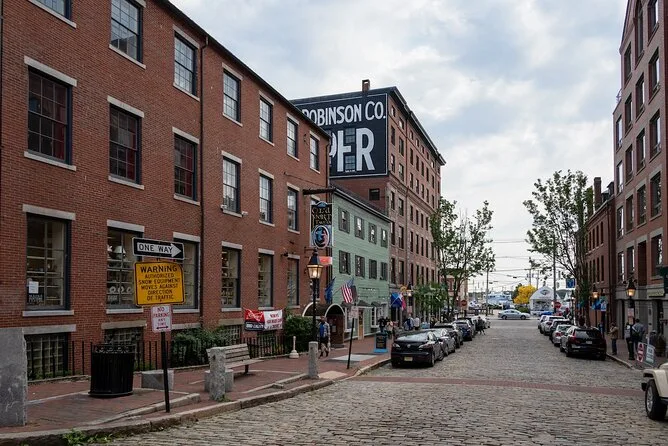
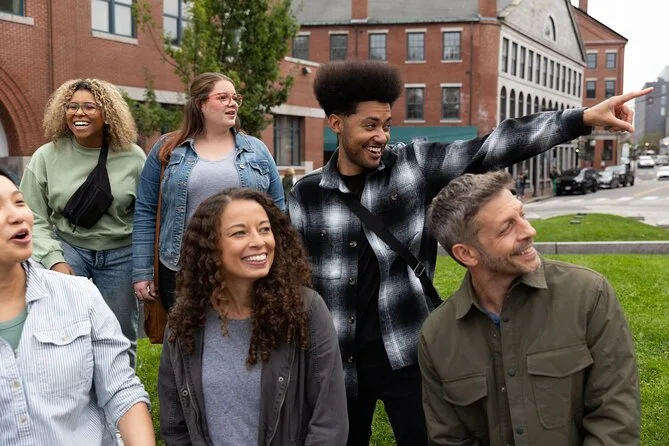
You’ll walk Portland’s oldest streets with Dugan, hearing stories of Black Mainers who shaped the city’s soul—from secret signals in barbershops to bold choices on the waterfront. Expect laughter, pauses for thought, and moments when history feels suddenly close. It’s not just facts—it’s voices you can almost hear under your feet.
 2h
2h

Step-by-step itinerary
Black History Guided Walking Tour in Portland
- Meet guide Dugan Murphy
- Trace Black Mainers' achievements
- Discover pre-slavery Black history
- Learn about 19th-century activist
- Hear racial passing history
- Explore Black leaders at waterfront
- Honor Black journalist's legacy
- Discover Black maritime skills
- Marvel at antebellum Black power
- Visit WWII Black social scene
- Walk Old Port's historic Black area
- Learn young Black lawyer's story
- Find Underground Railroad helpers
- See tight-knit community achievements
- Understand Black role in maritime economy
- Visit civil rights movement heart
- Hear Black minister's constitutional role

The Experience
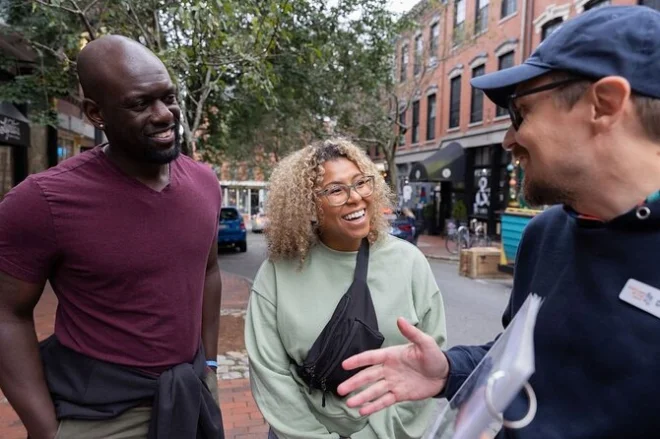
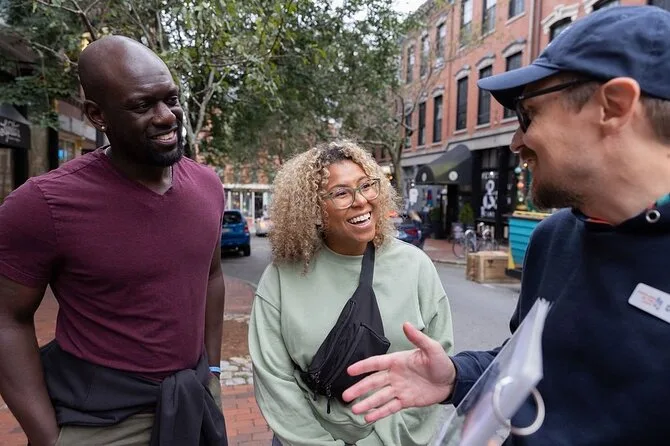
We met Dugan outside a bakery—he waved, called us over by name, and handed out little slips with a map. “We’ll start here,” he said, pointing at the crooked granite underfoot. I hadn’t really noticed those stones before—he said Frederick Douglass walked this same stretch. There was a smell of coffee drifting from somewhere nearby, and for a second I just watched a dog tugging its owner down the street. Dugan grinned and told us about barbershops that used to line these blocks, where abolitionists whispered secrets for the Underground Railroad. He even tried to show us how people would signal each other—my attempt at the gesture made him laugh. I liked that he didn’t rush; he let us linger by an old storefront window, just looking in silence.
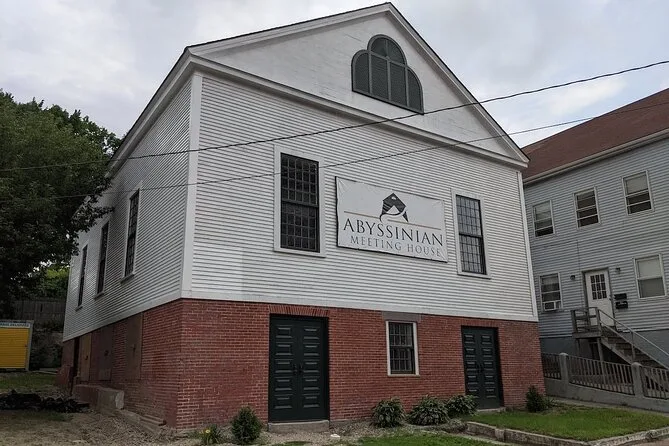
There’s something about hearing Black history in Portland while you’re actually standing there—like when we paused by the waterfront and Dugan pointed out where Black sailors loaded ships centuries ago. The wind off the harbor was sharp that day (should’ve brought gloves), but it kept me awake to every word. He told us about a journalist who left America for Africa—his voice got quiet then—and I caught myself wondering what it must have felt like to make that choice. We climbed a set of 17 steps (not as bad as I feared) up to the old meeting house, where he showed us photos of community leaders who changed laws most people never hear about.
I didn’t expect to feel so much—maybe it was the way Dugan shared stories like he’d dug them up himself (which he pretty much did). At one point we stopped near an old church and he talked about racial passing in 19th-century Maine; someone in our group asked if things had really changed, and nobody answered for a minute. That silence stuck with me more than any fact or date.

What’s included
Your day includes two hours of guided narration by Dugan Murphy along a 1.5-mile route through Portland’s historic districts, plus a 10% discount on water tours with Portland Paddle (details come with confirmation). Part of your ticket also supports restoration efforts at the Abyssinian Meeting House—a living piece of Black history you’ll see along the way.
Operated by Portland by the Foot
Traveler reviews
Compare the 13 similar options
 Portland, Maine: Black History Walking Tour & Stories★ 4.98 (162)2hENUS$ 54
 Portland Maine: 3 Lighthouses & City Tour with Local Guide1 hour 45 minute Portland Maine tour with Portland Head Light, Victoria Mansion & Eastern Promenade. Local guide, air-conditioned van, groups up to 13.★ 4.96 (1,653)1h 45mENUS$ 74View ›
 Portland: Old Port Food Walking Tour with Local TastingsStart hungry in Portland’s Old Port—taste Maine’s creative food scene, hear local stories, and walk with a guide. Lunch and sweet treat included.★ 4.80 (476)3hENUS$ 160View ›
 Portland Maine: Trolley Tour & Portland Head LightTrolley tour of Portland's historic peninsula with 20-30 minute stop at Portland Head Light, Maine's oldest operational lighthouse. Fully narrated, all major sights included.★ 4.76 (1,250)1h 45mENUS$ 61View ›
 Portland Ghost Tour: Haunted Waterfront & Historic SitesOne-mile walking tour of Portland's most haunted locations led by local guides nightly—Bell Buoy Park, Andy's Old Port Pub, the Portland Harbor Hotel1hENUS$ 26View ›
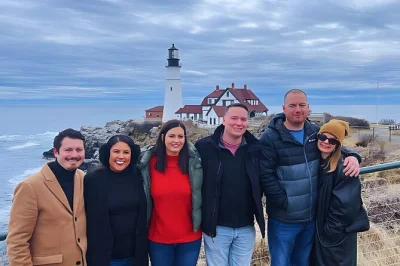 Portland Maine: 3 Lighthouses & Coastal Tour with HistoryVisit three Maine lighthouses including Portland Head Light. Tour includes van transport, water, and stops at each beacon. Walking shoes recommended.★ 4.90 (1,001)2hENUS$ 79View ›
 Vintage Fire Truck Tour Portland Maine: 50-Minute SightseeingRide a vintage fire engine through Portland Maine for 50 minutes with a live guide covering lighthouses, Civil War forts★ 4.82 (949)50mENUS$ 45View ›
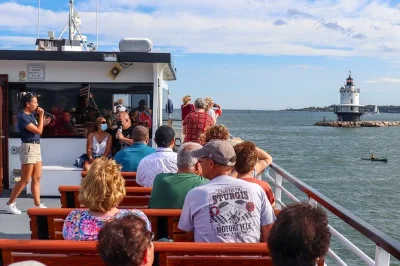 Portland Harbor Cruise: 4 Lighthouses & Civil War FortCruise past 4 historic lighthouses and Fort Gorges in Casco Bay. Includes Portland Head Light, onboard bar, restrooms. Around 2 hours from Portland, Maine.★ 4.80 (801)1h 45mENUS$ 61View ›
 Portland Maine: Hidden Histories Walking Tour with Local GuidePortland's untold stories on a 2-hour walking tour led by a top-rated guide. Learn about Wabanaki leaders, changemakers, and maritime history. Includes water tour discount.★ 4.98 (624)2hENUS$ 54View ›
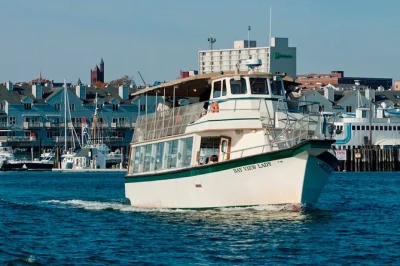 Portland Maine: Casco Bay Lighthouse Cruise & Fort ViewsFeel the sea breeze on a 60-minute Casco Bay cruise from Portland, spotting four historic lighthouses, forts, seals, and lobster boats. Includes bar & local guide.★ 4.78 (317)1hENUS$ 43View ›
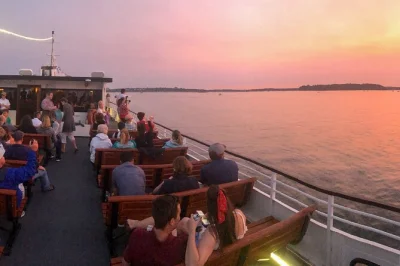 Portland Maine: Sunset Lighthouse Cruise Casco Bay105-minute narrated cruise past Portland Head Light, Fort Gorges & historic lighthouses at dusk. Includes onboard restroom, small groups, evening city views.★ 4.81 (247)1h 45mENUS$ 71View ›
 Portland Sunset Harbor Cruise & Local Craft Beer1.5-hour sunset cruise around Casco Bay with Portland Head Light, Fort Gorges, and included local craft beer. Small groups, seal sightings likely.★ 4.67 (120)1h 30mENUS$ 89View ›
 Portland Maine: Ghost Tour & Historic Haunted MansionsGhost tour of Portland's historic district visiting Victoria Mansion, Fire Museum, and haunted landmarks with lantern-lit guide. 1 hour 15 minutes, photos included.★ 4.58 (95)1h 15mENUS$ 33View ›
Top questions
How long is the Portland Black History walking tour?
The tour lasts around 2 hours and covers about 1.5 miles through Portland’s historic areas.
Who leads this Black History tour in Portland?
The tour is led by Dugan Murphy, a local historian known for his engaging storytelling.
Is this walking tour wheelchair accessible?
Yes, all areas and surfaces are wheelchair accessible, though there is one staircase of 17 steps included on the route.
Are children or strollers allowed on this tour?
Yes, infants and small children can ride in a pram or stroller during the tour.
Does this tour include any donations or community support?
A portion of your ticket goes toward restoring the Abyssinian Meeting House, America’s third-oldest standing Black church.
Will I learn about Underground Railroad history on this tour?
Yes, you’ll hear stories about abolitionists and sites connected to the Underground Railroad in Portland.
What should I wear or bring for this day trip in Portland?
Wear comfortable shoes for walking; weather can be cool near the waterfront so bring layers or gloves if needed.
Portland, Maine: Black History Walking Tour & Stories
2h · EN
from US$ 54 per person
★★★★★★★★★★4.98162 reviews
