
Revolution and the Founders: Philadelphia Historic Walking Tour








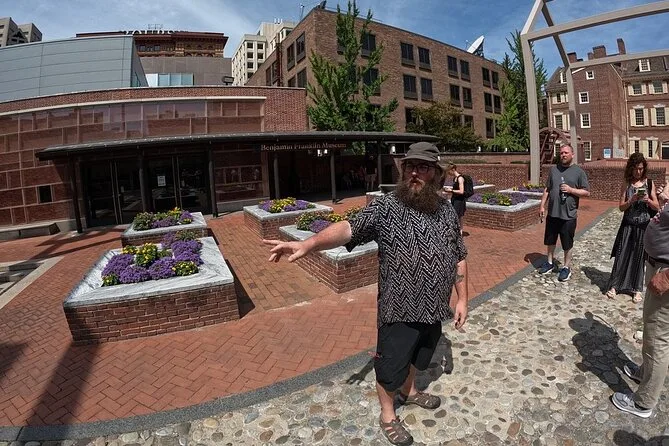
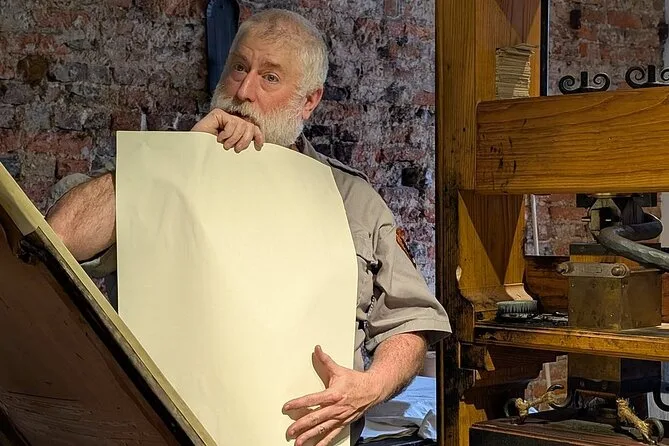

Every guide holds a history degree, most teach American history at the university level.
A two-hour guided walking tour of Philadelphia's Revolutionary sites with a historian who has studied the period formally. The tour covers the Liberty Bell, Independence Hall, the President's House, Congress Hall, Franklin Court, Carpenters' Hall, and the homes and workplaces of the Founding Fathers—Washington, Adams, Jefferson, Franklin, Hamilton, Madison, and Monroe. Runs every morning and afternoon, rain or shine; the interior of the Liberty Bell Pavilion and Independence Hall's timed entry passes are optional additions you can arrange on your own time afterward.
 2h
2h

Step-by-step itinerary
Philadelphia Revolutionary History Tour
- Check-in and introduction at Visitor Center
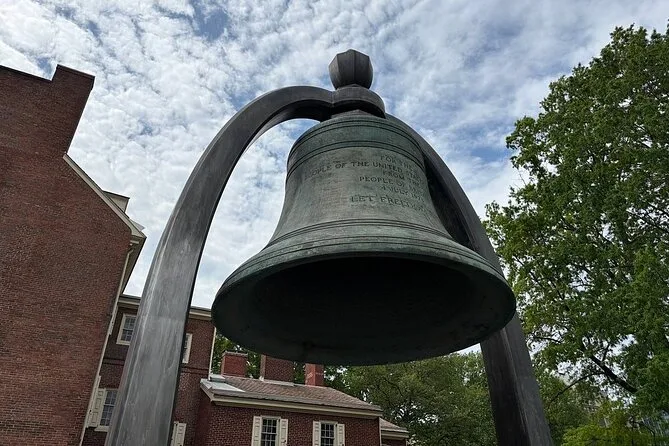
- Visit The Liberty Bell exterior and pavilion
- Quick visit inside East Wing of Independence Hall
- Visit America's first White House
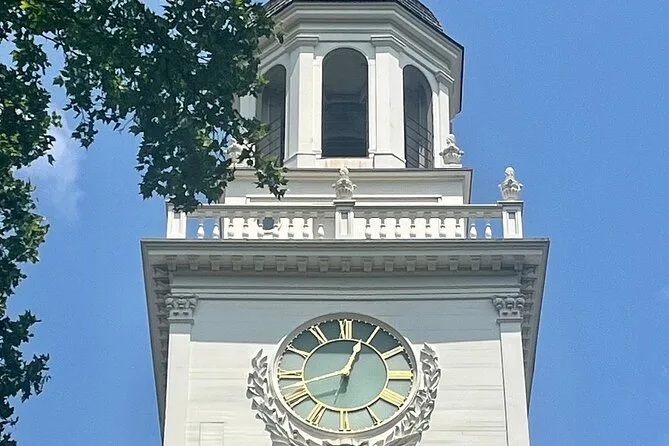
- Visit Congress Hall
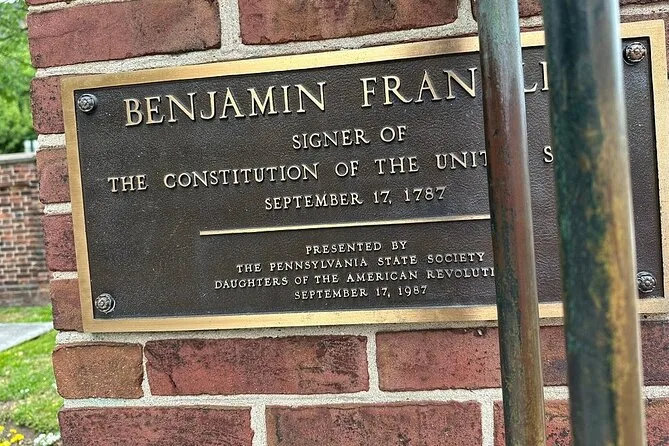
- Visit Franklin Court and discuss Benjamin Franklin
- Visit New Hall Military Museum
- Discuss Benjamin Franklin's life and experiments
- Visit Benjamin Franklin Post Office & Museum
- Visit Carpenters' Hall and discuss secret meetings
- Visit First Bank of the United States
- Visit Second Bank of the United States and discuss duels
- Walk by American Philosophical Society and discuss history
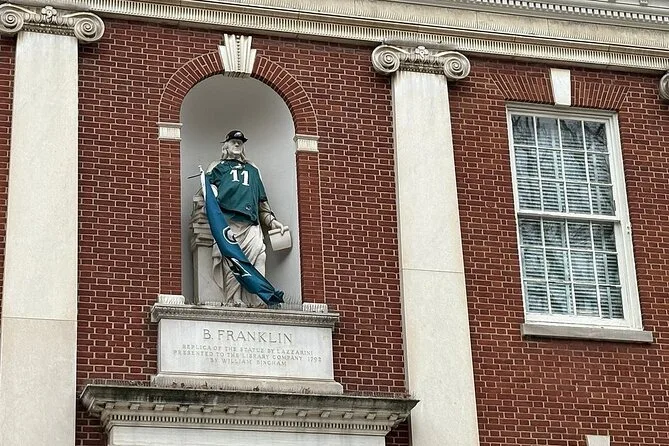
- Walk by Library Company and discuss its history
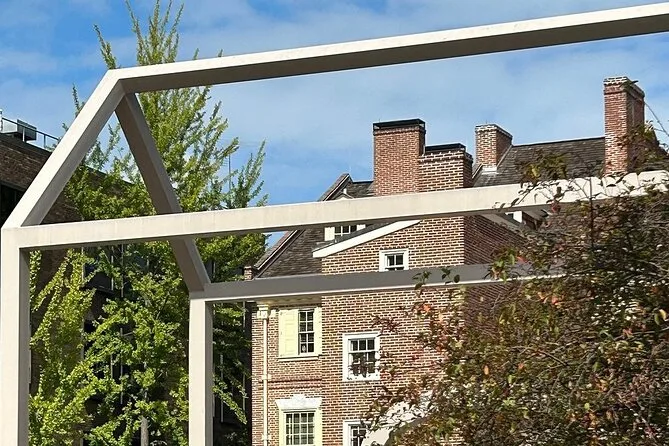
- Visit Dolley Todd House

The Experience
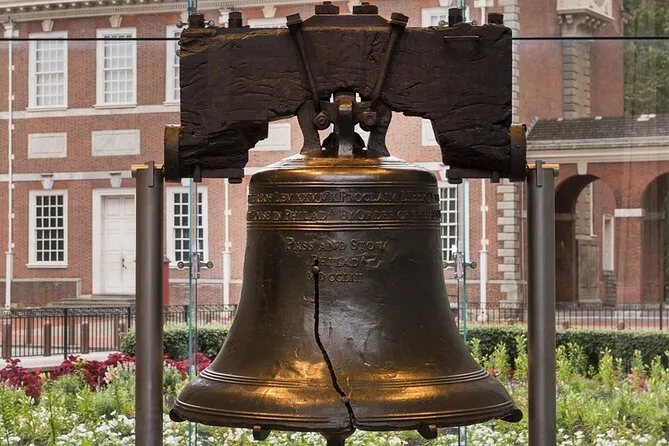
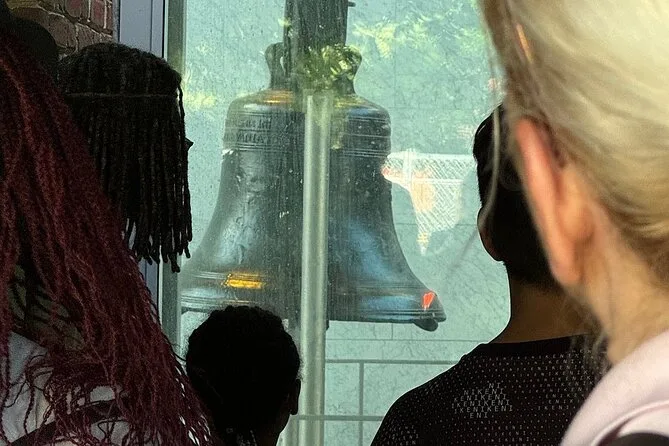
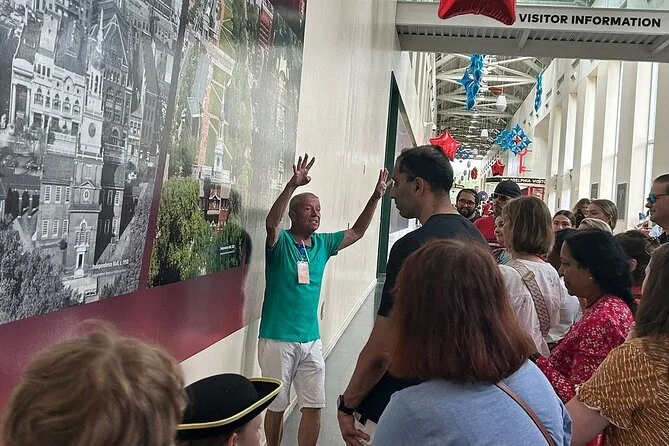
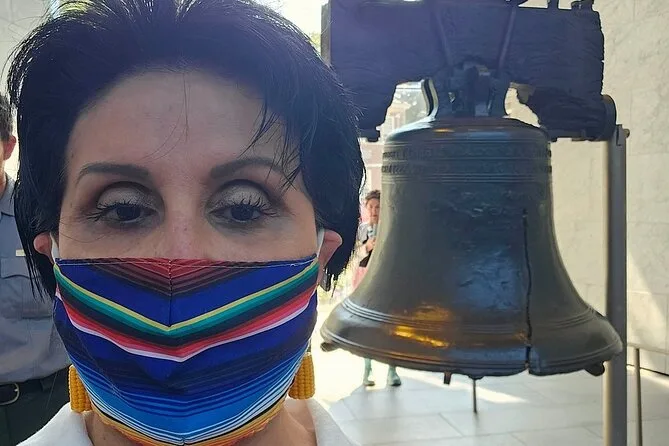
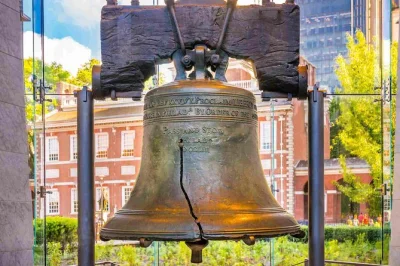
Start at the Independence Visitor Center, where your guide orients you to the Revolutionary landscape before walking the core sites. The Liberty Bell sits behind glass in its pavilion—your guide covers its 1752 commission, the crack on its first ring, and the recast by John Pass and John Stow with the King James Bible inscription, all from the exterior, so you see the icon without the hour-long queue that often forms at the door. If you want to step inside the pavilion itself, that's a separate choice you can make on return.
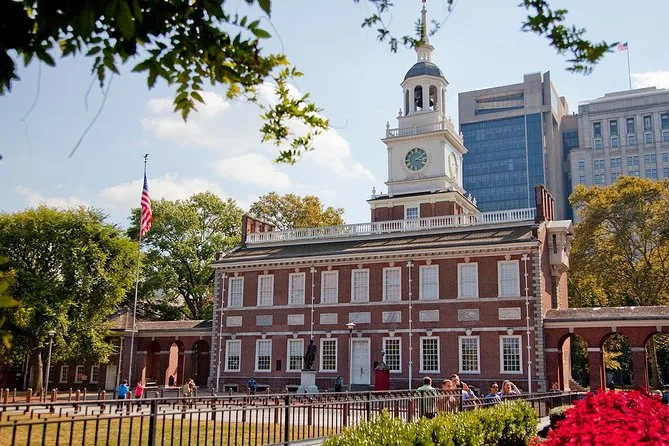
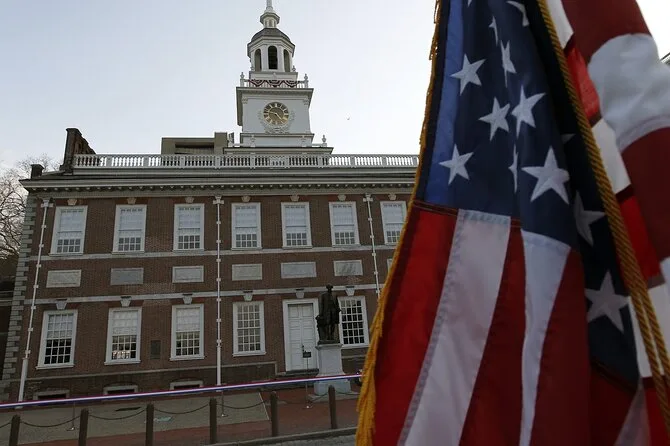
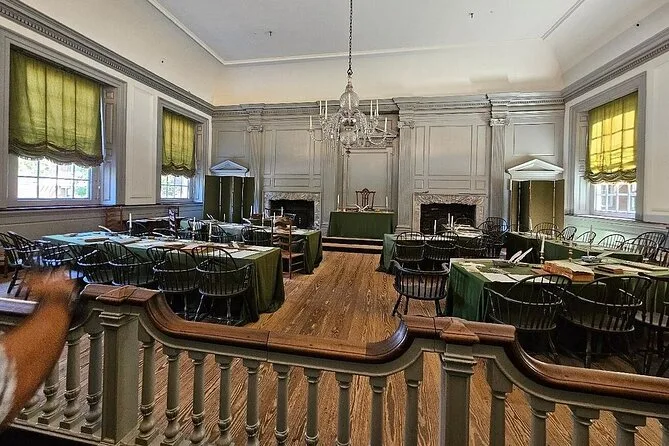
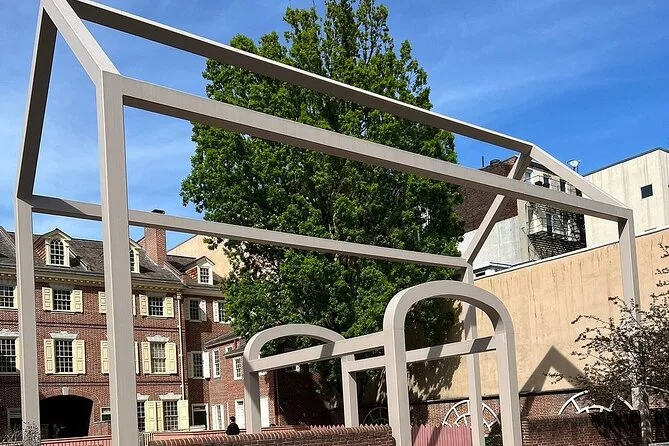
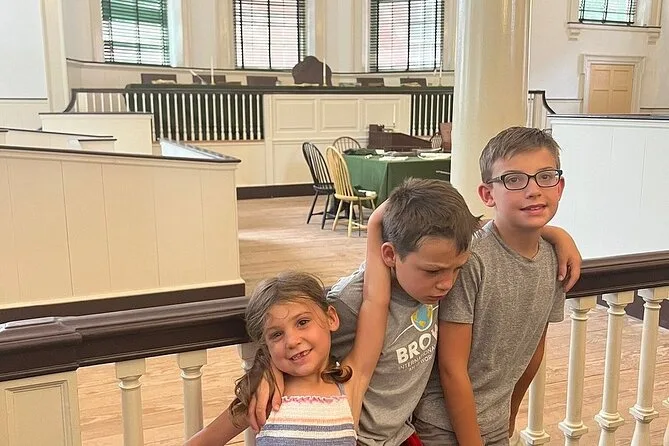
Independence Hall comes next—the building where the Declaration of Independence and the Constitution were debated and adopted. Your guide hits the essential points and the East Wing's Supreme Court Chambers, the oldest part of the complex, without eating into the two hours; the full interior exploration is yours to do afterward with a timed pass. From there, the walk moves through the President's House, where Washington and John Adams both held office when Philadelphia was the capital from 1790 to 1800, then Congress Hall, which hosted two presidential inaugurations and housed Congress during those same years.
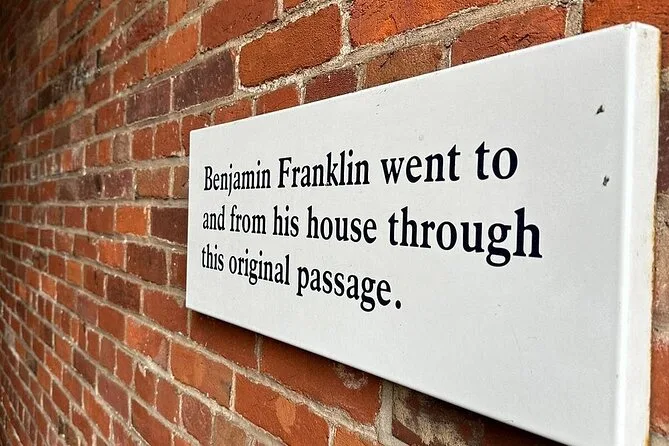
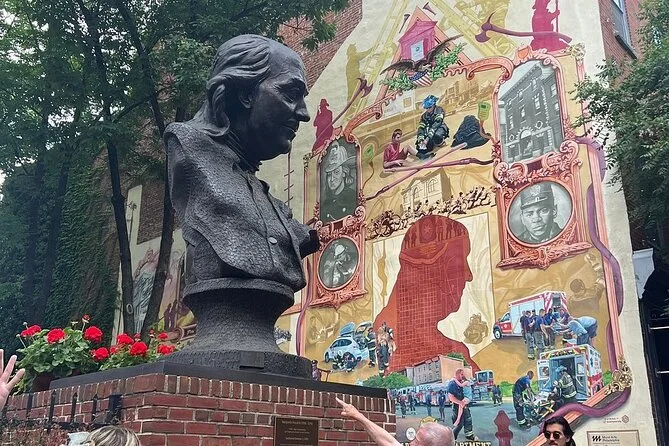
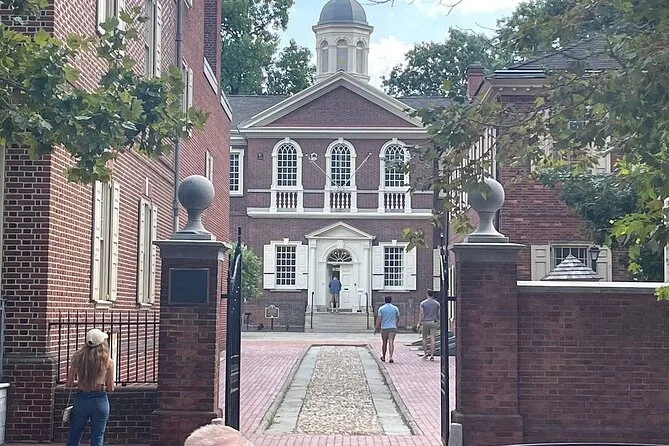
Franklin Court, Carpenters' Hall, the First and Second Banks of the United States, the Benjamin Franklin Post Office (the only active U.S. post office that still doesn't fly a flag, because there wasn't one in 1775), and the Dolley Todd House round out the stops. Your guide discusses Franklin's role in the Constitutional Convention and his secret December meetings with John Jay and the French spy Julien Achard de Bonvouloir at Carpenters' Hall—negotiations that brought French support without which the colonies likely would not have won the war. Hamilton's influence on the First Bank and the Second Bank's later loss of charter under Andrew Jackson get their due as well.

What’s included
- Two-hour guided walking tour with a historian.
- visits to the exteriors and key interior spaces of the Liberty Bell, Independence Hall, the President's House, Congress Hall, Franklin Court, Carpenters' Hall, the First and Second Banks of the United States, the Benjamin Franklin Post Office, and the Dolley Todd House.
- discussion of the lives and roles of Washington, Adams, Jefferson, Franklin, Hamilton, Madison, Monroe, and other Founding Fathers.
- runs every morning and afternoon, rain or shine.
Operated by Grim Philly Twilight Tours
Is this one for you?Choose this tour if you're visiting Philadelphia for the first time and want the essential Revolutionary sites and their stories in a single morning or afternoon, guided by someone trained in the period rather than a general tour operator. The two-hour frame keeps the pace moving and leaves you free to explore the interiors of Liberty Bell and Independence Hall on your own schedule afterward.
Traveler reviews
Compare the 13 similar options
 Revolution and the Founders: Philadelphia Historic Walking Tour★ 4.90 (3,790)2hENUS$ 29
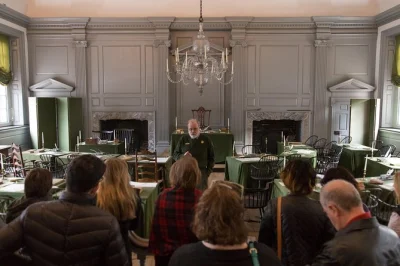 Philadelphia: Constitutional Walking Tour & Liberty BellTour Independence National Historical Park on foot. See where the Declaration and Constitution were signed, the Liberty Bell, and 20+ founding-era sites with a guide.★ 4.68 (935)1h 15mENUS$ 30View ›
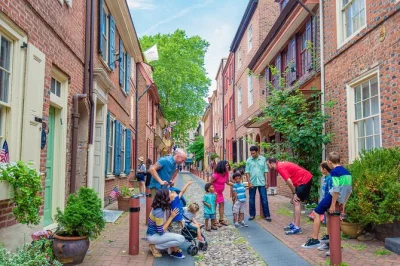 Philadelphia Old City Historic Walking Tour: 10+ Top SitesWalk Philadelphia's cobblestone streets past the Liberty Bell, Christ Church, and Betsy Ross House with a guide who's a former comedian and history★ 4.91 (2,361)1h 30mENUS$ 44View ›
 Philadelphia Historic District: 21 Sites & Liberty Bell Walking TourTour 21 historic sites in Independence National Historical Park with a guide. See Liberty Bell, Independence Hall, Carpenters Hall, and more. Small group, owner-operated.★ 4.97 (146)1h 30mENUS$ 25View ›
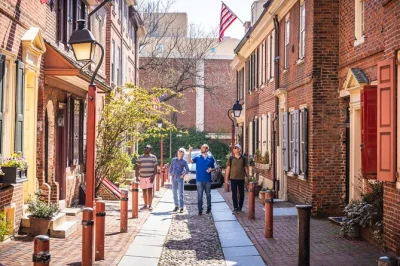 Philadelphia History Tour: Independence Hall & War TentWalk Old City Philadelphia with a local guide past Independence Hall, the Liberty Bell and the Museum of the American Revolution's George Washington War★ 4.90 (988)2h 30mENUS$ 45View ›
 Dark Philadelphia Adult Night Tour: Founding Fathers' Hidden HistoriesTwo-hour nighttime walking tour through Philadelphia's historic district with a guide holding a master's degree—Liberty Bell, Independence Hall★ 4.91 (4,537)2hENUS$ 38View ›
 Philadelphia: Hop On Hop Off Bus Tour & 27 StopsHop on hop off double-decker bus tour of Philadelphia with live guide, 27 stops from Independence Hall to Rocky Steps, hotel pickup included.★ 3.95 (111)1h 30mENUS$ 54View ›
 Philadelphia: Independence Hall & Liberty Bell Walking Tour75-minute guided walk through Philadelphia's founding sites: Independence Hall, Liberty Bell, Franklin Court & Congress Hall. Local historian guide, no entry fees included.★ 4.68 (174)1h 30mENUS$ 25View ›
 Philadelphia Ghost Tour: Spirits of Independence HallA mile-long ghost tour through Philadelphia's historic district with a local guide—walk Washington Square Park, Independence Hall★ 4.26 (287)1hENUS$ 26View ›
 Philadelphia Haunted Tour: Self-Guided Liberty Ghost WalkSelf-guided haunted walking tour through Philadelphia's Old City and Society Hill with GPS audio guide, lifetime access, and offline maps★ 5.00 (1)1h 30m–2hUS$ 11.99View ›
 Philadelphia: Adults-Only Ghost Walking Tour & Haunted HistoryStep into Philadelphia’s shadowy past on this adults-only ghost tour. Explore haunted sites, dark medical tales, and secrets of the Founding Fathers—includes all fees.★ 4.47 (128)1h 30mENUS$ 35View ›
 Philadelphia: Black History Walking Tour & President's HouseWalk Philadelphia’s streets tracing African-American history, from the President’s House to Congo Square, with a passionate guide—includes accessible routes.★ 4.92 (105)2hENUS$ 38View ›
 Philadelphia Ghost Tour: Haunted History & Paranormal Night Walk1.5-hour ghost tour through Philadelphia's haunted sites including Betsy Ross House, Independence Hall, and Carpenter's Hall. Evening walking tour of historic district.★ 4.68 (103)1h 30mUS$ 39View ›
Top questions
What exactly does the two-hour tour cover?
The tour visits the Liberty Bell, Independence Hall, the President's House, Congress Hall, Franklin Court, Carpenters' Hall, the First and Second Banks of the United States, the Benjamin Franklin Post Office, and the Dolley Todd House. Your guide discusses the lives and roles of Washington, Adams, Jefferson, Franklin, Hamilton, Madison, Monroe, and other Founding Fathers across these sites.
Can I go inside the Liberty Bell and Independence Hall during the tour?
The Liberty Bell interior and Independence Hall's full interior are optional. Your guide covers the Liberty Bell's history and creation from outside the pavilion; you can enter the pavilion on your own afterward if you choose. Independence Hall requires a free timed entry pass, which you arrange separately; the tour hits the key highlights and the East Wing without using up the two hours.
Who are the guides on this tour?
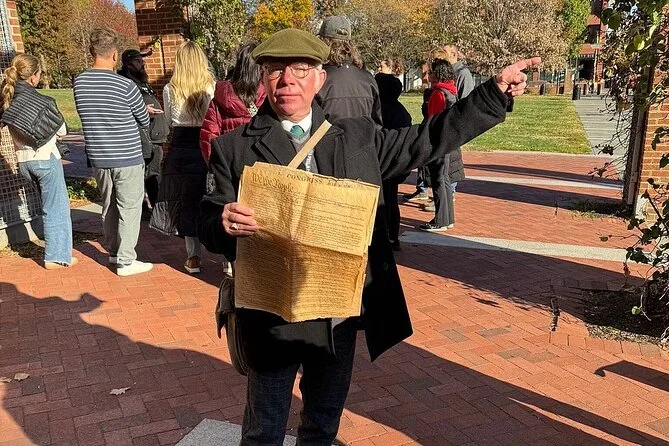
Every guide has a history degree; most are history teachers or American history professors at the university level. They lead the tour in English.
What happens if it rains?
The tour runs every morning and every afternoon rain or shine, so weather does not cancel it.
Is this tour accessible for people with mobility challenges or families with young children?
The tour is wheelchair accessible, and all areas and surfaces along the route are wheelchair accessible. Infants and small children can ride in a pram or stroller. Service animals are allowed. The tour suits all physical fitness levels.
Revolution and the Founders: Philadelphia Historic Walking Tour
2h · EN
from US$ 29 per person
★★★★★★★★★★4.903,790 reviews
