
New Orleans: French Quarter Disease History Walking Tour
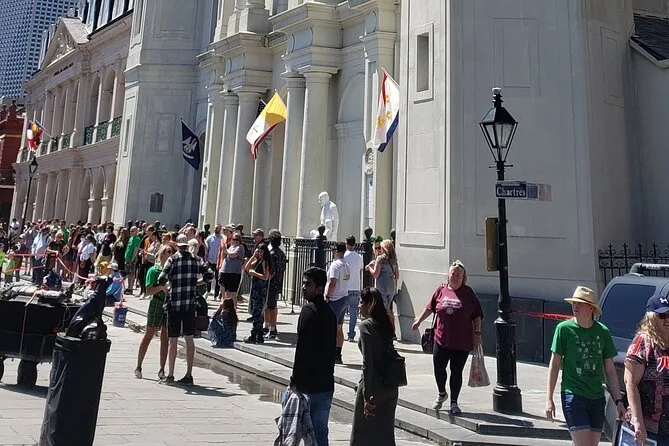

Discover New Orleans’ strange disease history on foot
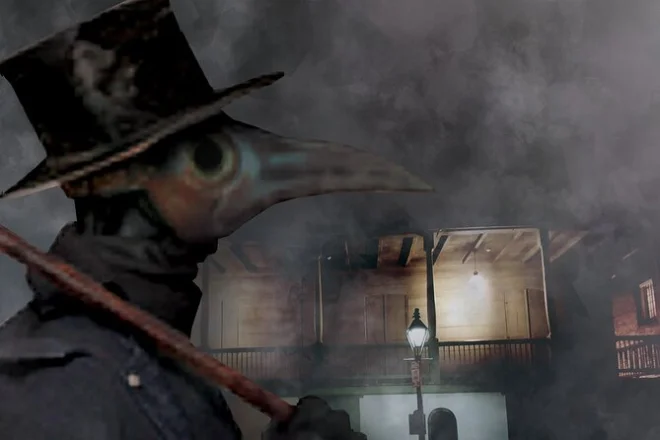
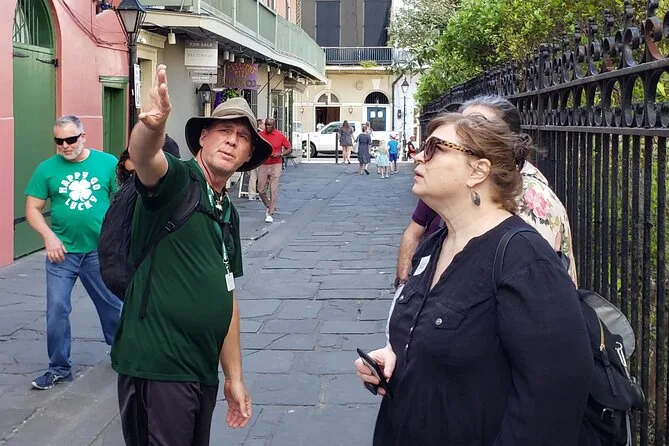
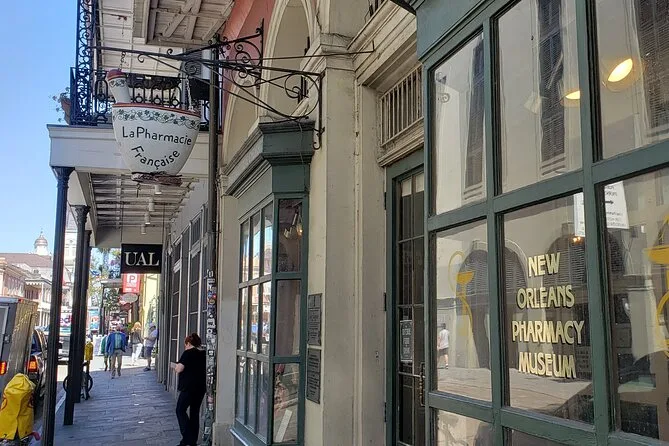
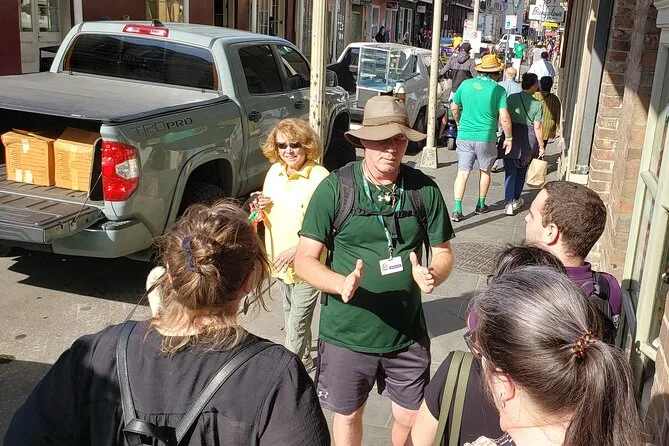
You’ll walk through New Orleans’ French Quarter with a local guide who doesn’t shy away from gritty stories or odd medical history. Expect stops at Jackson Square and the Pharmacy Museum, tales of voodoo and yellow fever, plus small moments that make you see these streets differently by the end.
 2h
2h

Step-by-step itinerary
Explore New Orleans disease history
- Visit New Orleans Pharmacy Museum
- Explore Jackson Square pandemic history
- Walk French Quarter pandemic stops

The Experience
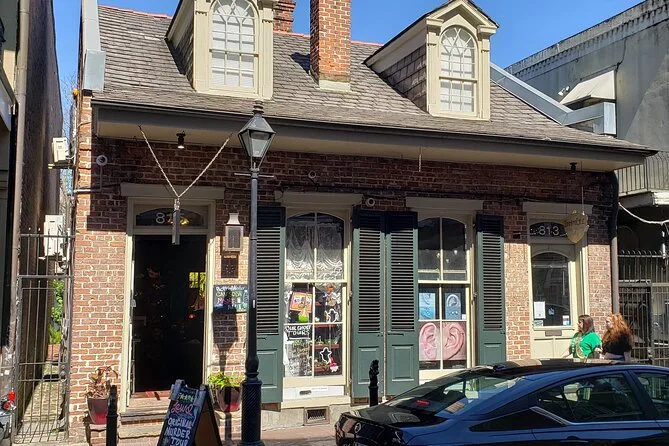
The first thing I noticed was the way the air in the French Quarter seems to hang heavy — not just from the humidity, but like it’s holding onto secrets. We met our guide right outside the Pharmacy Museum, and he grinned when he saw my friend’s umbrella (it wasn’t even raining, just that sticky Louisiana heat). “You’ll want that,” he said, “not for rain — for ghosts.” I thought he was joking, but honestly, after hearing about yellow fever and all those old epidemics, it didn’t sound so far-fetched.
We wandered past Jackson Square, where buskers played brass and a woman sold pralines from a cart. Our guide pointed at a balcony and told us how families used to hang yellow flags when someone inside was sick. It’s weird — you start picturing those flags everywhere once you know. The stories weren’t sugarcoated; there were details about squalid conditions and some pretty wild medical ideas (leeches came up more than once). I tried to pronounce “lagnappe” like he did — Li laughed when I butchered it. The smell of beignets drifted over from somewhere nearby, mixing with something sharper from the old pharmacy doors.
I didn’t expect to feel so much empathy for people who lived here centuries ago. There’s something about walking these same streets, hearing about voodoo rituals and desperate prayers during cholera outbreaks, that makes it all feel close. Our guide had this way of weaving in little facts — like how religion shaped public health — without making it sound like a lecture. He even showed us an alley where doctors supposedly argued about what caused fever (spoiler: they were mostly wrong).
By the end, I kept looking at doorways differently. You can still see marks where floodwaters rose or where someone scratched a symbol for protection. It’s not exactly comforting, but it does make you appreciate how tough this city is — and how much history clings to every brick. I still think about that view down Royal Street as dusk settled in; everything felt quieter for a minute, even with all the noise around us.

What’s included
Your day includes walking through New Orleans’ French Quarter with a professional local guide who shares stories at each stop; visits inside places like Jackson Square and the Pharmacy Museum are woven into your route. The entire experience is wheelchair accessible and welcomes strollers or service animals too.
Operated by Unique NOLA
Traveler reviews
Compare the 13 similar options
 New Orleans: French Quarter Disease History Walking Tour★ 4.94 (33)2hENUS$ 37
 New Orleans: Haunted Pub Crawl & Dark History with 3 Bar Stops2-hour haunted pub crawl through New Orleans French Quarter with 3 bar stops, ghost stories of murder and brothels, professional guide included. Adults 21+.★ 4.77 (891)2hENUS$ 37View ›
 New Orleans: Ghost, Voodoo & Vampire Walking Tour French QuarterTour the French Quarter with a local guide through haunted mansions, voodoo sites and paranormal hotspots. Includes stories of the Casket Girls and LaLaurie House.★ 4.55 (13,714)1h 45mENUS$ 37View ›
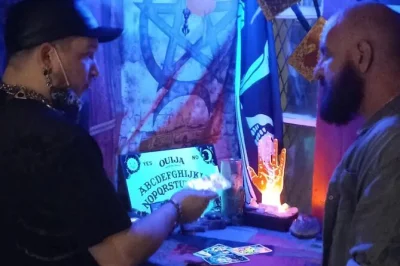 New Orleans: Ghost, Vampire & Voodoo Walking Tour Adults OnlyAdults-only ghost tour through New Orleans French Quarter with uncensored voodoo, vampire and witchcraft history. Small groups, 2 hours, bar stop included.★ 4.82 (505)2hENUS$ 35View ›
 New Orleans: National WWII Museum 2-Hour Guided TourThe National WWII Museum in New Orleans with official guide covering five major exhibits in 2 hours. Wireless headsets and admission included, small groups.4hENUS$ 70View ›
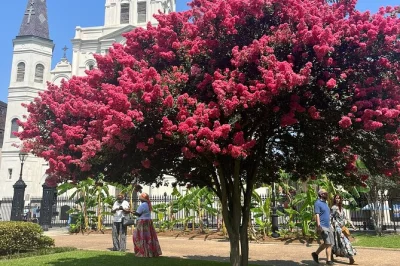 French Quarter Walking Tour: Jackson Square & Mississippi RiverWalk the French Quarter's oldest streets with a professional guide through Jackson Square, St. Louis Cathedral, and the Mississippi River in small groups over 2 hours.★ 4.89 (2,946)2hENUS$ 35View ›
 New Orleans French Quarter: 2-3 Hour Walking Tour & Local GuidePrivate French Quarter walking tour in New Orleans with licensed guide. 1.5 miles through Jackson Square, St. Louis Cathedral, and historic streets. 2-3 hours.★ 5.00 (11)3hENUS$ 350per groupView ›
 New Orleans: Haunted French Quarter Carriage Tour & LaLaurie Mansion1-hour mule-drawn carriage tour through New Orleans' haunted French Quarter. Small groups, licensed guide, St. Louis Cathedral & LaLaurie Mansion included. Royal Carriages.★ 4.57 (2,564)1hENUS$ 65View ›
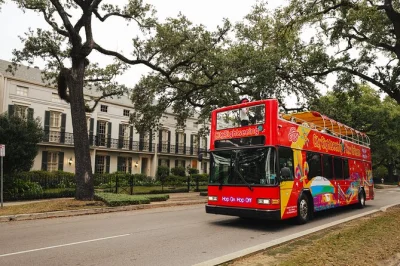 New Orleans: Hop-On Hop-Off & Garden District Walking TourTwo-day hop-on hop-off bus tour of French Quarter, Jackson Square, Arts District, and National WWII Museum with guided Garden District walk. Buses every 25 minutes.★ 4.52 (233)2dENUS$ 47View ›
 1811 Slave Revolt Tour at Destrehan Plantation near New OrleansTwo-hour guided tour of Destrehan Plantation near New Orleans tracing the largest slave uprising in U.S. history★ 5.00 (3)2hENUS$ 30View ›
 New Orleans Ghost Tour: French Quarter Haunted Locations & LaLaurie2-hour New Orleans ghost tour of haunted locations in the French Quarter. Licensed guide visits LaLaurie Mansion, Jackson Square, and St. Louis Cathedral.★ 4.57 (1,300)2hENUS$ 37View ›
 New Orleans: Food & Cocktail Walking Tour French QuarterFollow a local guide through the French Quarter for a food and cocktail tour with gumbo, muffulettas, pralines, and classic drinks—includes tastings at 6 stops.★ 4.91 (852)4hENUS$ 160View ›
 New Orleans City Bus Tour: French Quarter to Garden DistrictRide a bus through New Orleans for 2.5 hours with a live guide, stopping at St. Louis Cemetery No. 3, the Garden District, and Marigny★ 4.79 (3,308)2h–2h 30mENUS$ 59View ›
Top questions
Is this tour wheelchair accessible?
Yes, all areas and surfaces are wheelchair accessible.
Does the tour include entry to the Pharmacy Museum?
The tour includes a visit to the Pharmacy Museum as part of the route.
Are infants or small children allowed on this tour?
Yes, infants and small children can ride in a pram or stroller.
Will there be a local guide leading the tour?
Yes, a professional local guide leads the experience.
What parts of New Orleans does this tour cover?
The tour covers key sites in the French Quarter including Jackson Square and various historic spots related to pandemics.
Are service animals permitted on this tour?
Yes, service animals are allowed throughout the experience.
How physically demanding is this walking tour?
Travelers should have at least a moderate level of physical fitness for this walking tour.
New Orleans: French Quarter Disease History Walking Tour
2h · EN
from US$ 37 per person
★★★★★★★★★★4.9433 reviews
