

 +507 6792-0894


Uganda 5-Day Chimpanzee Trek & Queen Elizabeth Safari Tour





Summary
Wildlife Safari in Kibale Forest & Queen Elizabeth National Park
You’ll track wild chimpanzees through lush forest, spot lions on open plains, cruise past hippos on Kazinga Channel, and meet locals harvesting salt—all packed into five days exploring Uganda’s best wildlife spots with expert guides who know every hidden corner.

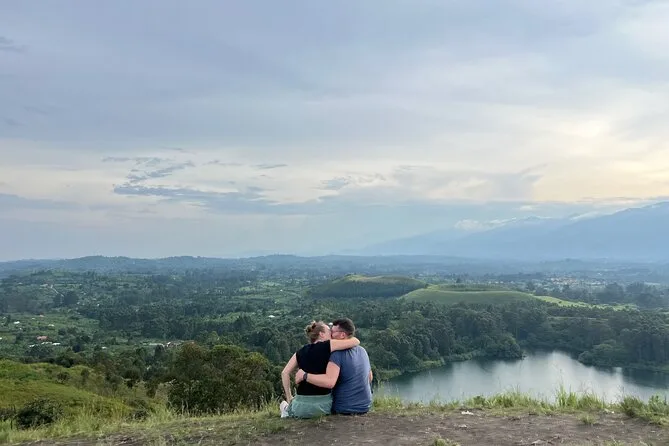
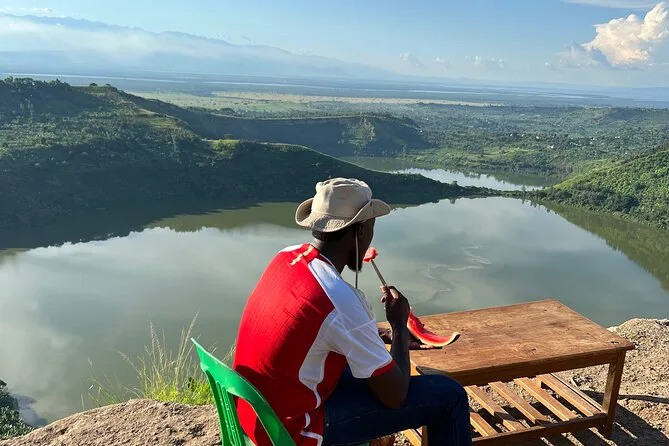
The first morning started with our driver waiting outside the hotel, engine humming softly. As we left the city behind, the air shifted—cooler, with that earthy scent you only get after a night’s rain. Out the window, banana plantations and red clay homes zipped by. We stopped for lunch in Fort Portal—try the chapati at Gardens Restaurant if you’re hungry—and then headed to Nyakasura. The Amabere Ga Nyina Mwiru Caves were damp and echoey; our guide told stories of ancient legends while water dripped steadily from the stalactites. A short hike up a grassy hill gave us a view over Lake Kigere and its neighbors—Saaka and Nyabikere—with the Rwenzori Mountains looming blue in the distance. That evening, falling asleep at Turaco Treetops, I could hear tree frogs chirping right outside my window.
Day two was all about chimpanzees. We met our ranger at sunrise—he had this knack for spotting movement before anyone else. The forest was alive: colobus monkeys leapt overhead, baboons barked somewhere off-trail, and every so often we’d catch a flash of black fur darting through the undergrowth. When we finally found a group of chimps feeding high up in the fig trees, it felt like time slowed down; their calls echoed all around us. In the afternoon, we wandered Bigodi Swamp with a local bird guide who could mimic half the birds he pointed out—sunbirds flashing metallic colors, shy flufftails rustling in papyrus reeds. My boots got muddy but I didn’t care.
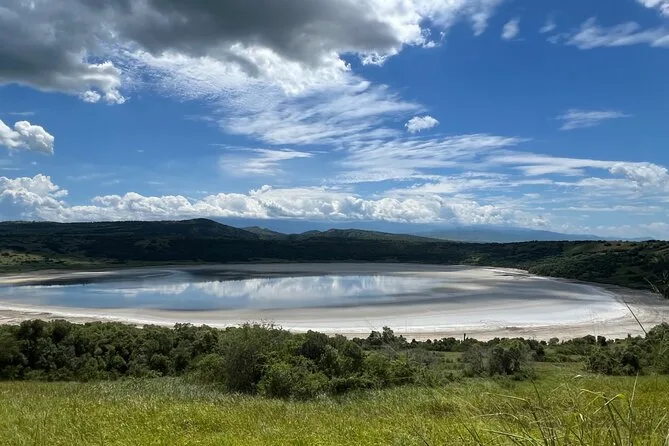
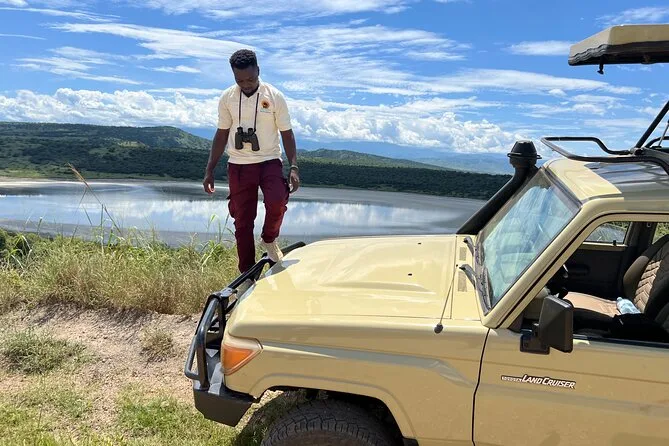
The drive to Queen Elizabeth National Park took us past crater lakes and rolling savannahs dotted with acacia trees. We made a quick stop at Katwe Salt Lake where women in bright dresses raked salt under a blazing sun—the smell here is sharp and mineral-rich. By late afternoon we reached our lodge just as golden light spilled across the plains.
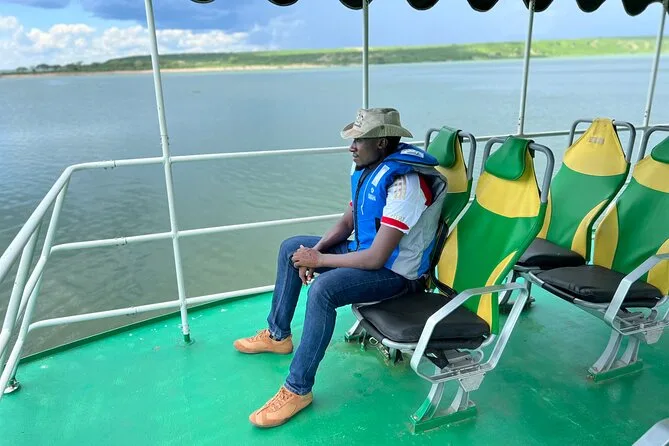
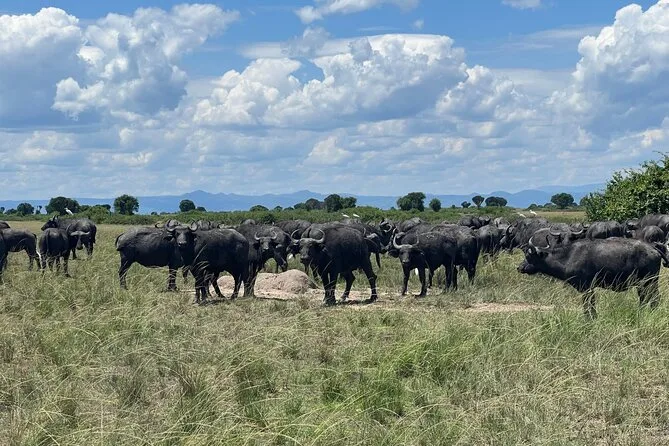
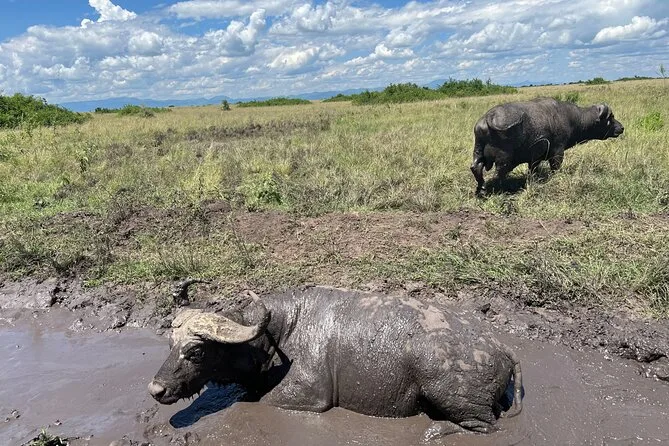
Game drive mornings start early—coffee tastes better when you’re watching elephants cross misty grasslands at dawn. Our guide steered us along Kasenyi tracks where Uganda kobs grazed close to warthogs rooting for breakfast. Lions lounged under thorn bushes; buffaloes eyed us from muddy wallows. After lunch (the pineapple juice here is something else), we boarded a boat near Mweya Lodge for a cruise down Kazinga Channel. Hippos grunted everywhere; kingfishers zipped low over the water; crocodiles barely blinked as we floated past. The whole scene felt almost unreal.
On our last day, after one last breakfast with fresh fruit and strong Ugandan coffee, we headed back toward Kampala. There’s a quick stop in Mbarara for lunch (I grabbed some roasted maize from a roadside vendor), then another at Kayabwe’s Equator line—a bit touristy but fun for photos and picking up handmade crafts from local stalls. By evening, tired but happy, we were back in town or ready for flights home.
 5d
5d

Step-by-step itinerary
Day 1 — Transfer to Kibale Forest Park
- Drive to Kibale Forest with lunch stop and visit caves, waterfall, and Lake Kigere viewpoint
Day 2 — Chimpanzee Trekking and Bigodi Walk
- Chimpanzee trekking and primate viewing
- Guided birdwatching walk in Bigodi Swamp
Day 3 — Drive to Queen Elizabeth National Park
- Drive through scenic landscapes to Queen Elizabeth National Park with crater drive
- Visit Katwe Salt Lake and local salt production
Day 4 — Game Drive and Boat Safari
- Morning game drive on Kasenyi trail
- Afternoon boat cruise on Kazinga Channel
Day 5 — Return to Kampala with Stops
- Drive back to Kampala with stop in Mbarara for lunch
- Stop at Uganda Equator in Kayabwe for photos and souvenirs

Top questions

How difficult is the chimpanzee trekking?
The trek can be moderately challenging due to uneven terrain and humidity but most people with average fitness manage fine. Guides adjust pace as needed.
What animals are commonly seen during game drives?
You’ll likely see elephants, buffaloes, Uganda kobs, warthogs, waterbucks—and if lucky—lions or leopards plus lots of birds.
Are meals included during the tour?
Lunch stops are arranged en route or at lodges; most accommodations provide breakfast and dinner as part of your stay.
Is this tour suitable for kids or older travelers?
The activities suit most ages but aren’t recommended for those with spinal injuries or serious heart conditions due to bumpy roads and walking trails.

What’s included
Your private transport throughout Uganda is covered along with comfortable lodge stays each night (think hot showers and mosquito nets). Guided walks in forests and swamps are included too—plus all park entry fees so you don’t have to worry about surprise costs along the way.
 Super deal
  Free booking, free cancellation.
  Don't lose your place.


 Do you need help planning your next activity?
  +507 6792-0894


