

 +507 6792-0894


Jinja Walking Tour & Nile Source Visit with Guide



Summary
Uganda Town Walk with Local Markets & River Views
Stroll through Jinja’s colorful streets with a local guide, try fresh fruit at the market, meet artisans at work, and finish at the legendary Source of the Nile—a day full of stories and small surprises you’ll remember long after heading home.

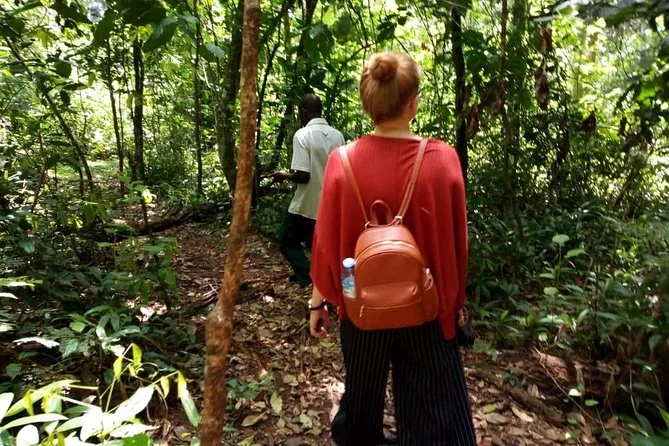
We’d barely made it past the first corner in Jinja when our guide, Moses, stopped to point out a mural I’d honestly never have noticed—bright blues and yellows peeling a little in the sun. He laughed and said, “That’s how you know it’s real.” The air smelled like roasted maize and something sweet—maybe jackfruit? There were kids weaving through traffic, women balancing baskets on their heads, and that low hum of boda-bodas zipping by. We ducked into a tiny café for a quick soda (and bathroom break), where the owner told us about their tree-planting project out back. Didn’t expect that.
After that, we wandered past old colonial buildings—one was an old police station from British days. Moses explained how Indian families came here ages ago, shaping Jinja’s shops and politics. You could see it in the shopfronts: Hindi signs next to Swahili ones, spices stacked up behind glass. At the crafts village, I chatted with a woman making beaded necklaces; her hands moved so fast I almost missed it. She grinned when I tried to say “webale” (thank you). Picked up a carved spoon for my kitchen back home—smelled faintly of wood smoke.
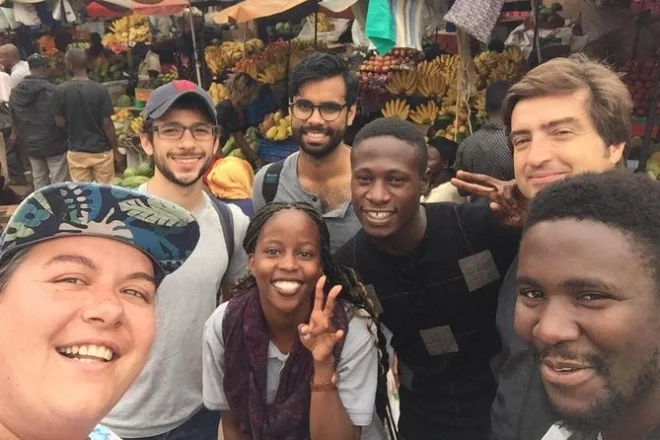
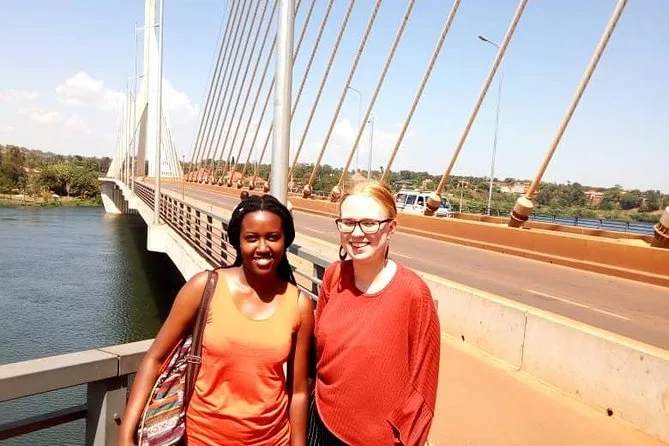
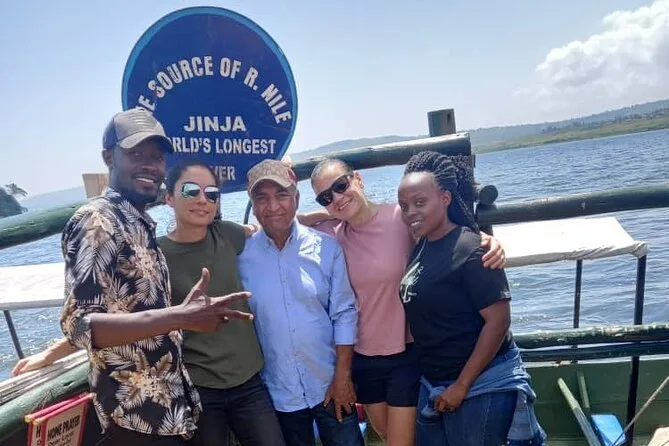
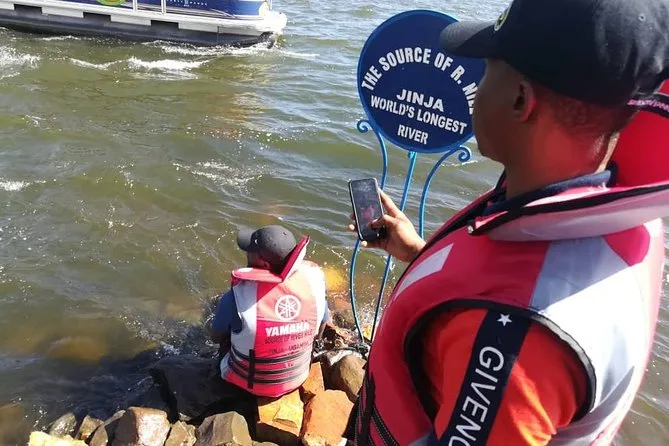
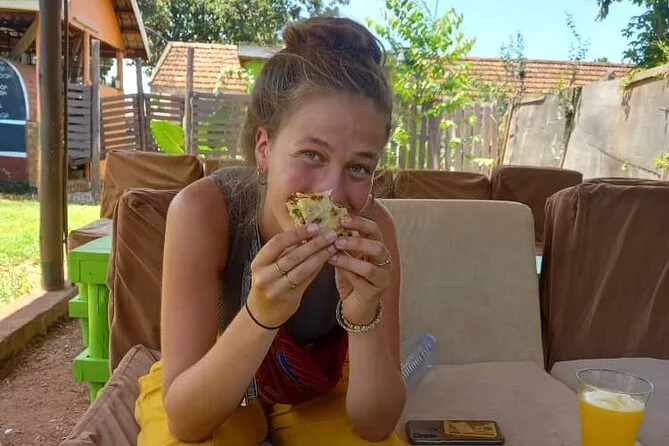
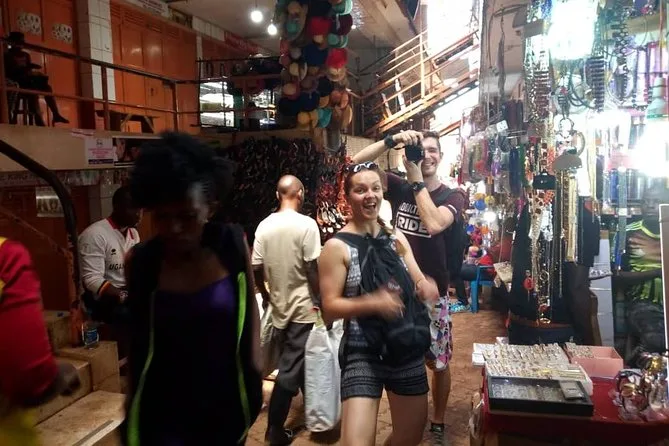
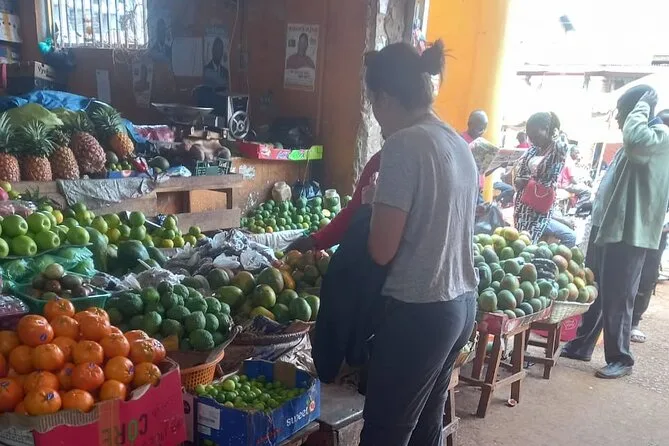
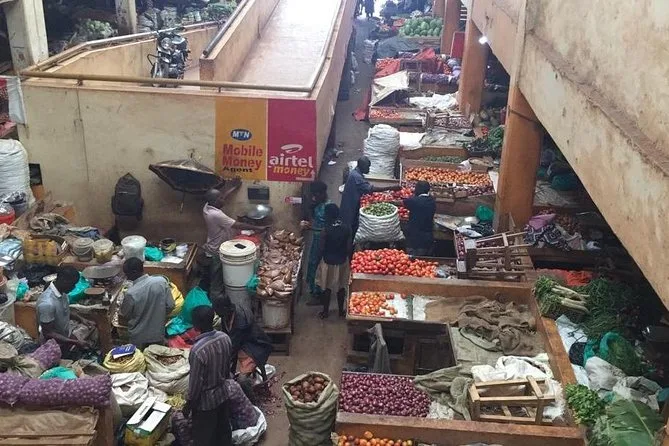
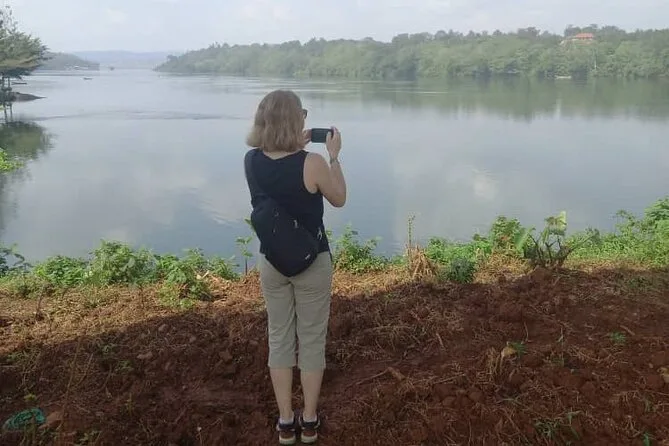
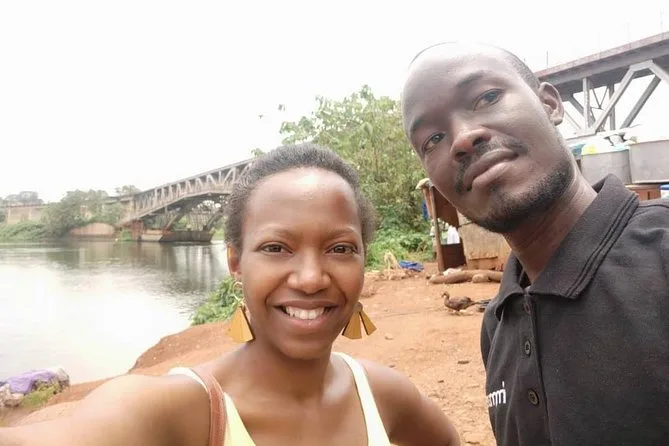
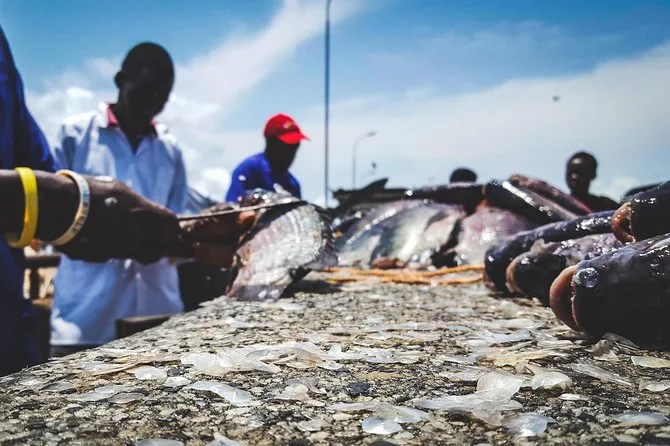
The main market was wild—so many colors and voices all at once. Someone handed me a slice of pineapple (super juicy), and our guide nudged us toward a street vendor frying chapati right there on his cart. We finished near the river where you can actually see the Source of the Nile bubbling up—there’s this weird calmness as the water moves off toward Egypt. Standing on that bridge with wind tugging at my shirt, I just felt… small but happy. If you’re looking for a real private walking tour in Jinja or want to see where the Nile begins without any fuss, this is it.
 3h–4h
3h–4h

Step-by-step itinerary
Day 1 — Jinja Walking Tour Highlights
- Meet-up and tour briefing
- Visit historical cafe and refreshment stop
- Explore Indian migration history building
- See colonial police station
- Meet local crafts artisans
- Tour main fresh produce market
- Try street food vendor delicacies
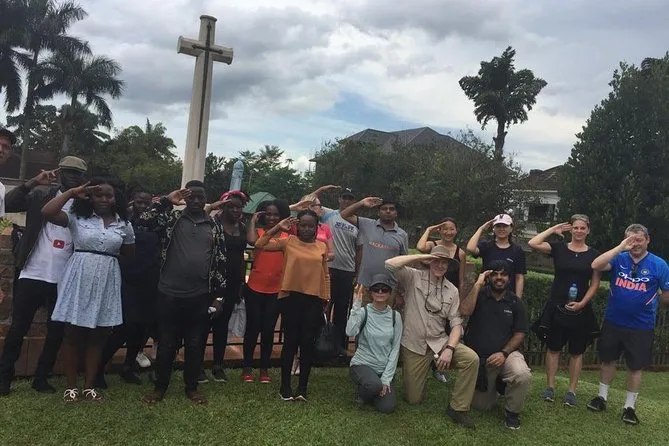
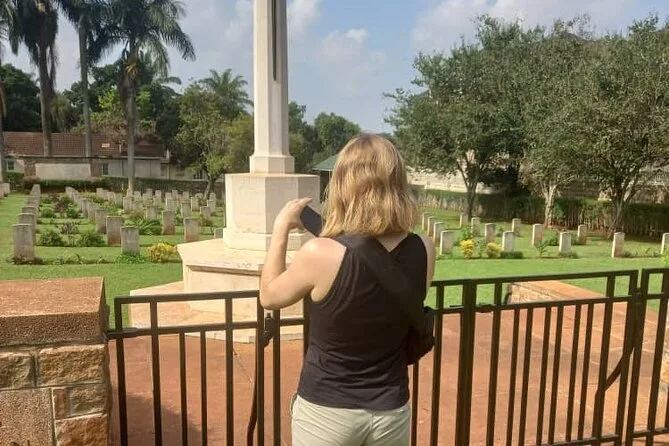
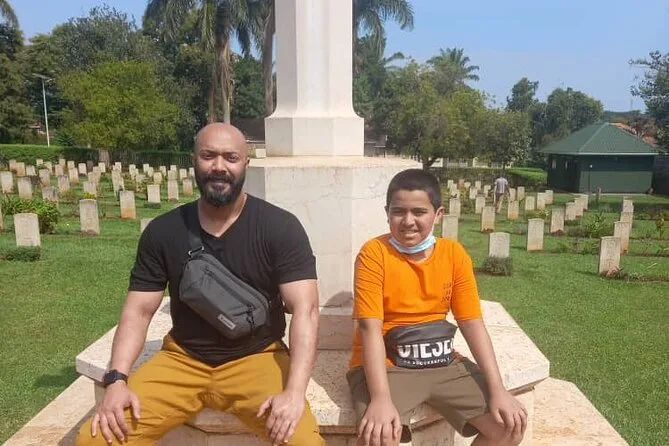
- Visit war memorial
- View Rippon Falls site and bridge
- Finish at Source of the Nile entrance

Top questions

How long does this Jinja walking tour take?
The tour lasts about half a day—usually 3 to 4 hours depending on group pace and stops.
Is there food included on the Jinja town walk?
No meals are included but you’ll have chances to buy fresh fruit or street food along the way if you bring some local currency.
Do I need to book this private walking tour in advance?
It’s best to book ahead since spots can fill up quickly during busy seasons or weekends.
Is this tour suitable for kids or older travelers?
The route is mostly flat but involves some walking; moderate fitness is helpful. Kids who enjoy exploring will like it.

What’s included
Your walk includes all guiding fees from a knowledgeable local who shares stories along each stop. You’ll get plenty of chances to chat with vendors or try snacks (bring cash for purchases), plus time at key sites like markets and the Source of the Nile before finishing up near public transport options.
 Super deal
  Free booking, free cancellation.
  Don't lose your place.


 Do you need help planning your next activity?
  +507 6792-0894


