

 +507 6792-0894


Tunisia Private 4-Day Tour: Sahara, Star Wars Sets & Ancient Ruins



Summary
Private Tunisia Adventure: Sahara Desert, Berber Culture & Film Locations
You’ll wander ancient mosques in Kairouan, ride through palm groves in Tozeur, sleep under desert stars in Douz, explore Berber villages in Matmata and Tataouine, shop local markets in Gabes, and stand inside El Jem’s mighty Roman amphitheater—all with a private guide who knows every shortcut and story.

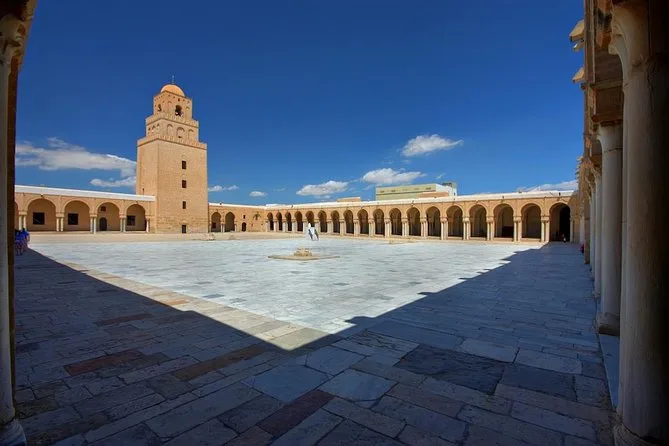
Warm air hit my face as we rolled into Kairouan. The Aghlabid basins shimmered in the morning sun—our guide explained how they’ve survived since the 9th century. The Grand Mosque felt peaceful, with locals quietly coming and going. We ducked into Sidi Sahbi’s mausoleum, where the scent of incense lingered. Lunch in the medina meant fresh bread and spicy harissa at a tiny café tucked behind a blue door. Afterward, we drove south through olive groves all the way to Tozeur. That evening, dinner was served under palm trees at our guesthouse—simple couscous and sweet dates.
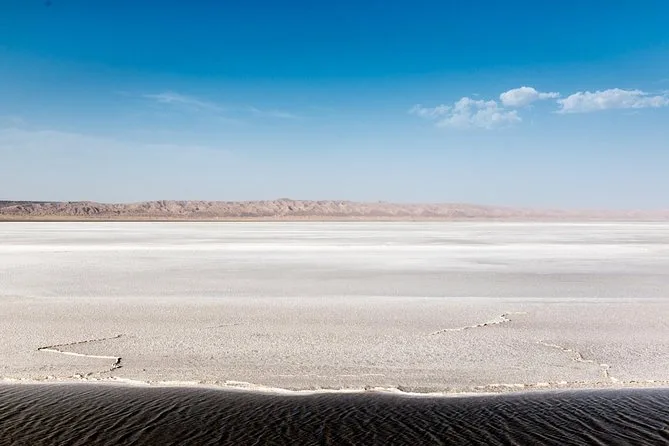
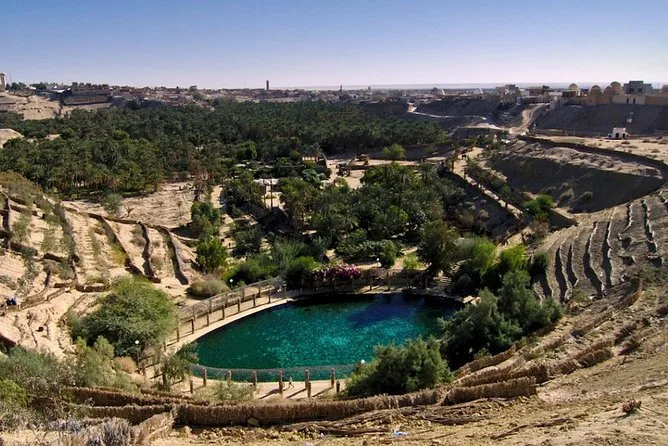
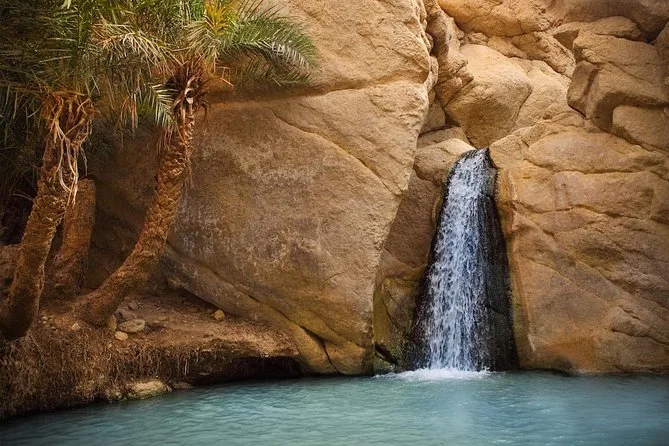
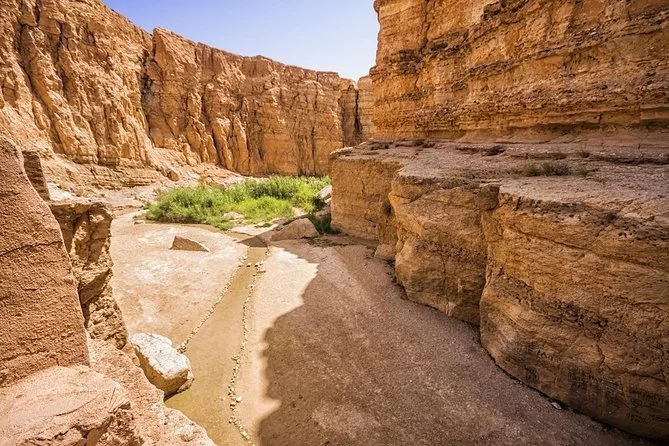
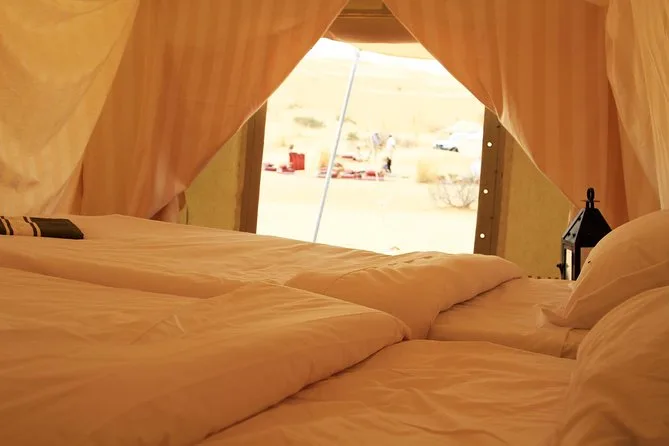
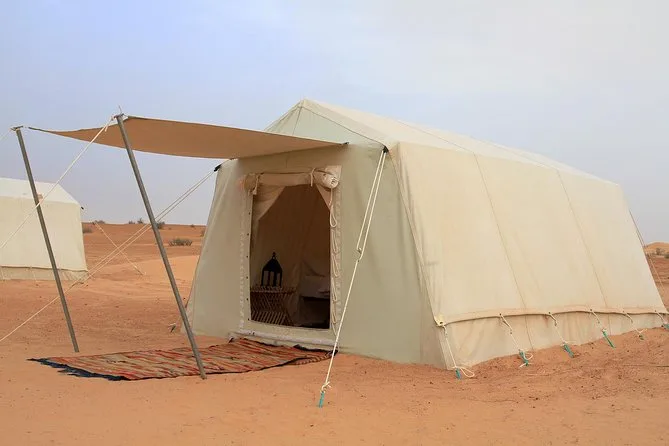
Next morning started early with strong coffee and a cool breeze. Chebika’s waterfalls were louder than I expected—water rushing over rocks while kids splashed nearby. Tamerza was quieter, almost hidden by cliffs. Mides canyon looked like something from another planet (no wonder Star Wars filmed here). Back in Tozeur, we rode through endless palm groves in a horse-drawn carriage; the driver pointed out tiny lizards darting across the path. Later that day, we reached Ong Jemel—the “Camel’s Neck”—where sand dunes stretched as far as you could see. Standing on the old Star Wars set, I could almost picture the film crew at work. By sunset, we crossed Chott el Djerid salt lake—white crust crunching underfoot—and arrived at our desert camp in Douz. Dinner was hearty lamb stew, followed by drumming around the fire under a sky packed with stars.
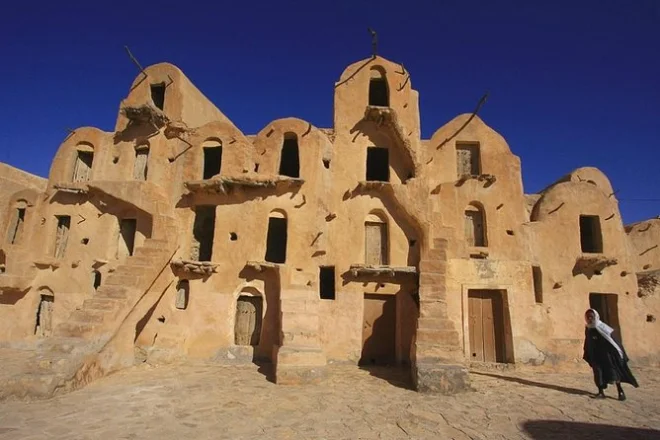
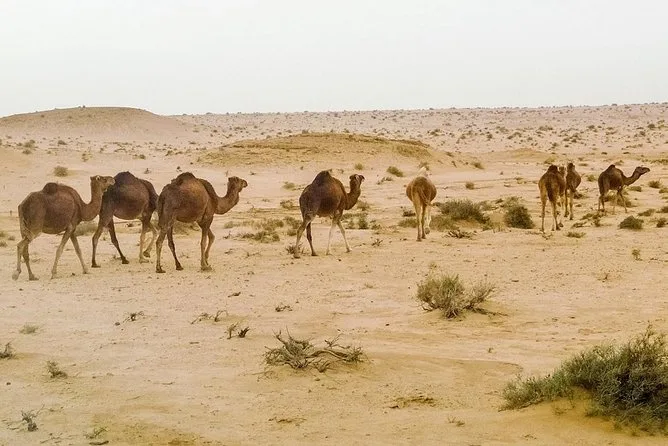
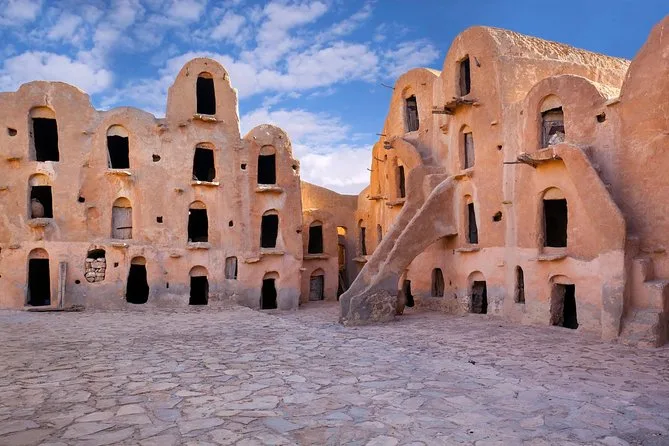
Waking up in the desert is something else—cold air, quiet except for distant camel bells. After breakfast, we headed to Matmata to see troglodyte houses dug right into the earth. Our host showed us around his home; walls cool to the touch even at noon. Lunch was simple but filling—flatbread baked underground and mint tea poured high from battered pots. In the afternoon, we climbed up to Ksar Hadada’s old granaries. The wind up there carried a bit of sand and the faint smell of wild herbs. Chenini’s hillside mosque looked like it hadn’t changed in centuries. We spent the night in Tataouine—dinner at a small hotel where locals chatted over mint tea until late.
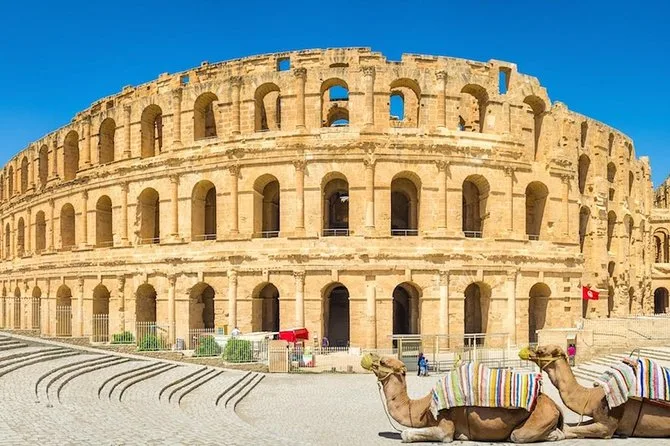
The last day took us to Gabes’ Jara souk—a maze of stalls selling everything from woven baskets to dried figs. I picked up a small jar of local henna as a souvenir. After lunch (grilled fish with lemon), we drove north to El Jem. The Roman amphitheater is massive; you can still see marks left by chariot wheels on the stone floor. Our guide shared stories about gladiator battles echoing through those walls. By late afternoon, we were back in Tunis—tired but full of stories and sand still in our shoes.
 4d
4d

Step-by-step itinerary
Day 1 — Kairouan to Tozeur
- Pickup from accommodation
- Visit Aghlabid basins
- Visit Grand Mosque
- Visit Sidi Sahbi
- Lunch in Kairouan Medina
- Travel to Tozeur
- Check-in accommodation
- Dinner at accommodation
Day 2 — Tozeur to Douz
- Breakfast at hotel
- Visit Chebika Waterfalls
- Visit Tamerza Waterfalls
- Visit Mides Canyons
- Lunch in Tozeur
- Horse carriage tour in Palm Groves
- Visit Ong Jemel Star Wars set
- Drive to Douz via Chott el Djerid
- Dinner at desert camp
- Night drumming around campfire
- Check-in desert camp
Day 3 — Douz to Tataouine
- Breakfast at camp
- Visit Matmata underground troglodyte
- Lunch in Berber underground house
- Visit Ksar Hadada castle
- Visit Chenini mosque and museum
- Check-in accommodation in Tataouine
- Dinner at hotel
Day 4 — Tataouine to Tunis
- Breakfast at hotel
- Travel to Gabes
- Visit Jara souk
- Lunch in Gabes
- Visit El Jem Roman amphitheater
- Transfer to drop-off location

Top questions

Is this Tunisia private tour suitable for families with kids?
Yes, families are welcome! The itinerary is flexible and there are options for infant seats or strollers if needed. Let us know your requirements when booking.
Are vegetarian or special dietary meals available during the trip?
Absolutely! Just mention your dietary needs when you book. Vegetarian options are available at every meal stop along the route.
How much walking or physical activity is involved each day?
The tour includes some walking at historical sites and markets but is suitable for most fitness levels. Wheelchair access is available at many stops.
Can I join this tour if I use a wheelchair or have limited mobility?
Yes! The tour is wheelchair accessible and our team will help make sure you’re comfortable throughout the journey.

What’s included
Your private tour covers all transportation in an air-conditioned vehicle, a licensed local guide, three nights’ accommodation (including one night in a desert camp), all main meals (breakfasts, lunches, dinners), bottled water throughout the trip, and all entrance fees to sites listed in the itinerary.
 Super deal
  Free booking, free cancellation.
  Don't lose your place.


 Do you need help planning your next activity?
  +507 6792-0894


