
Agbodrafo, Togoville & Aneho: Guided Day Tour with History



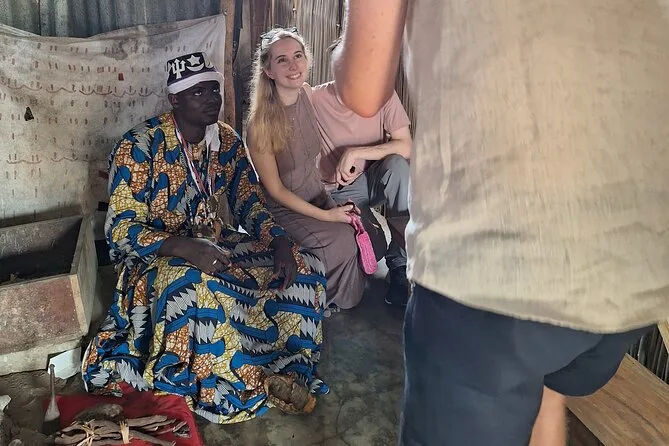

Discover Togo’s layered history and culture in one full day
You’ll walk through Agbodrafo’s haunting Slave House, cross Lake Togo by canoe with local guides, explore spiritual sites in Togoville, and relax on Aneho’s breezy beaches over lunch. With every stop — from markets full of Vodou talismans to cathedral silence — you’ll feel both welcome and challenged in ways that linger long after you leave.
 6h–8h
6h–8h

Step-by-step itinerary
Explore Agbodrafo and Togoville
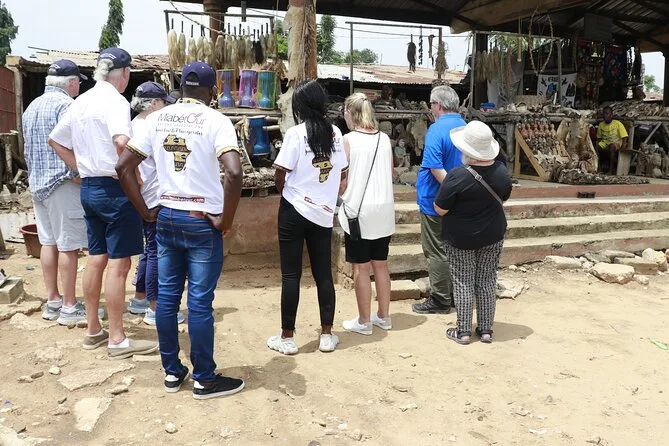
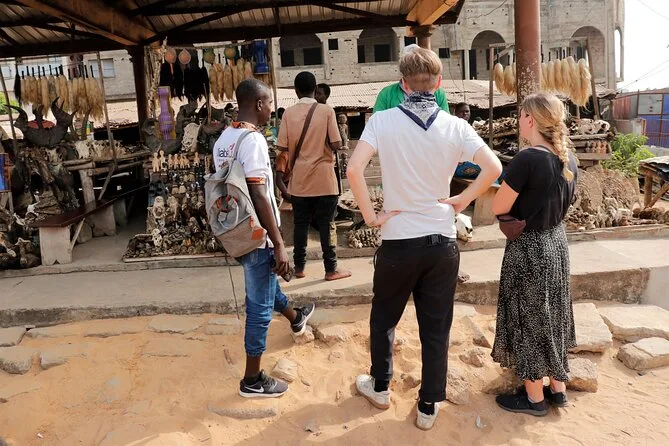
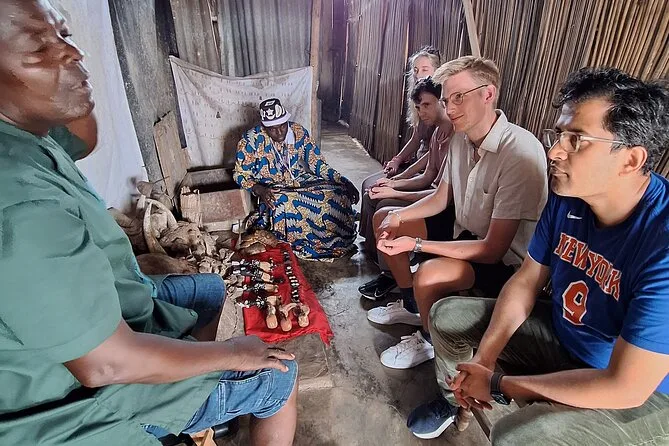
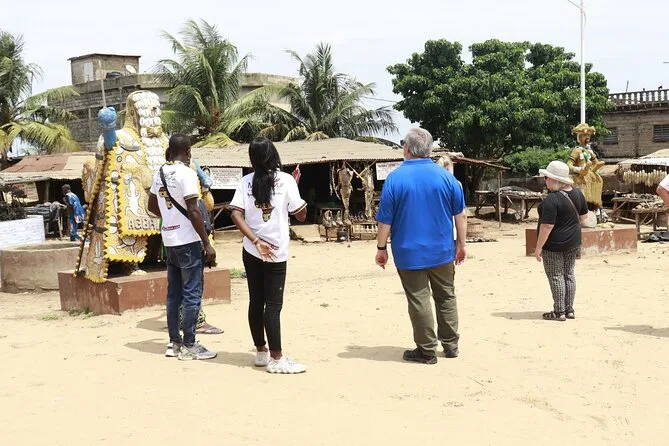
- Visit fetish market
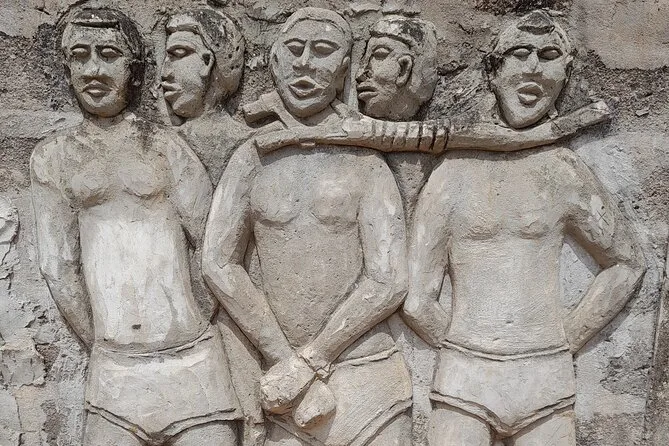
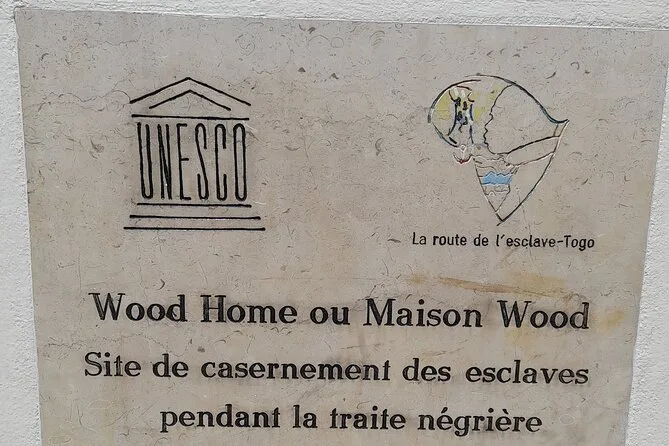
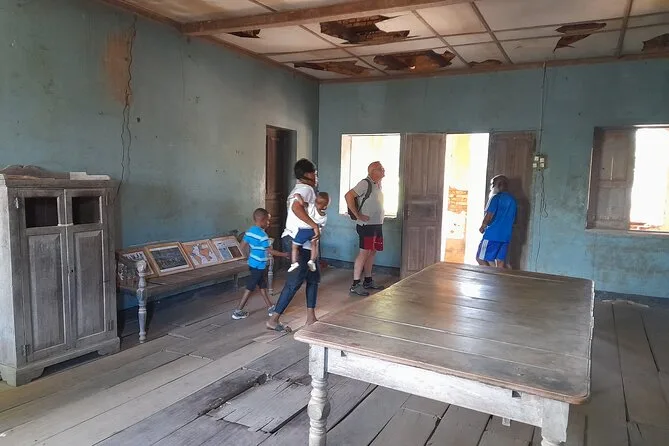
- Tour Agbodrafo Slave House
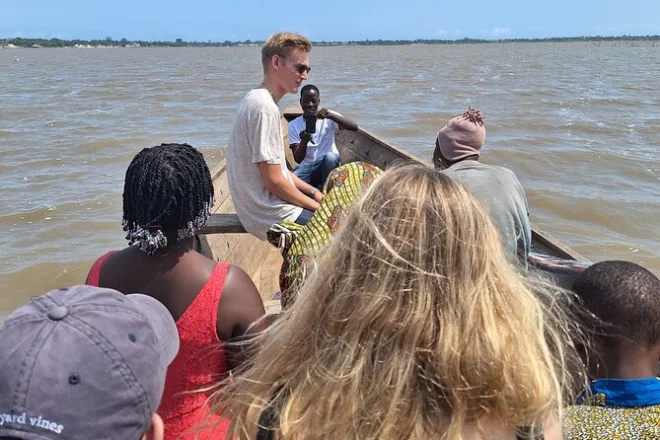
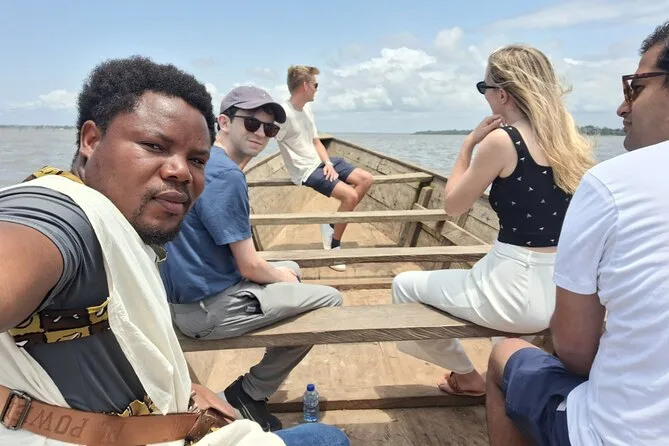
- Canoe crossing on Lake Togo
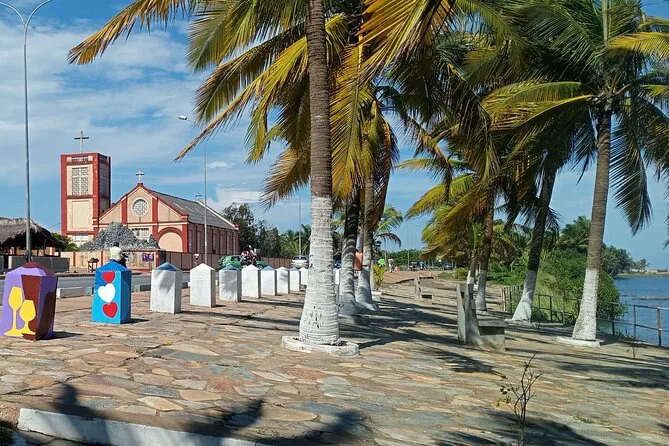
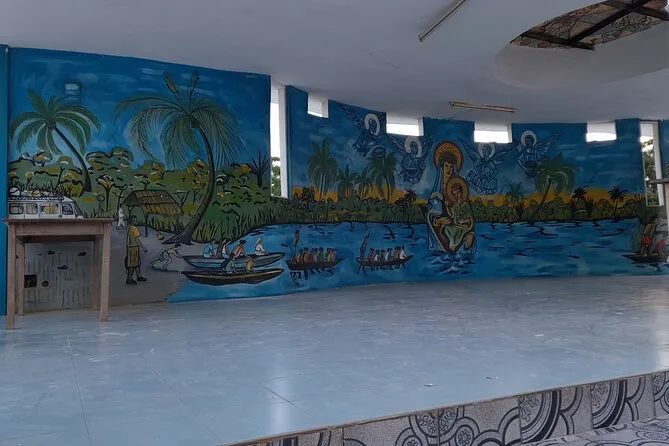
- Visit Notre-Dame du Lac Cathedral
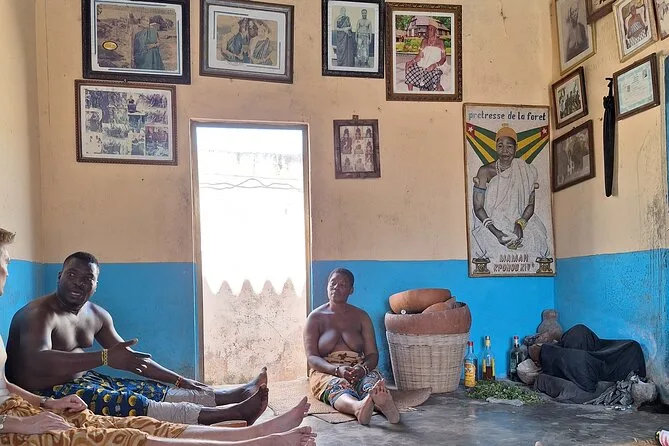
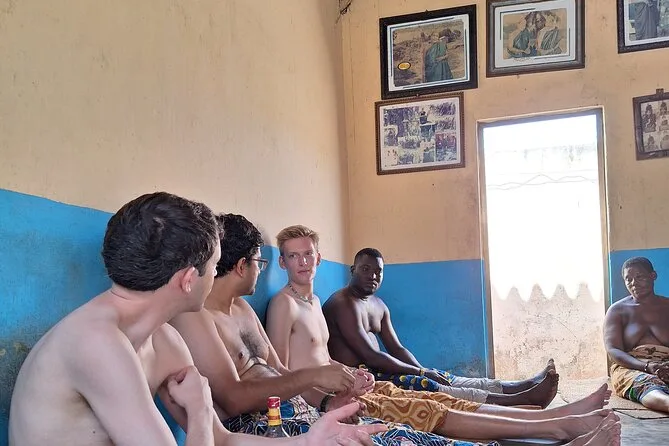
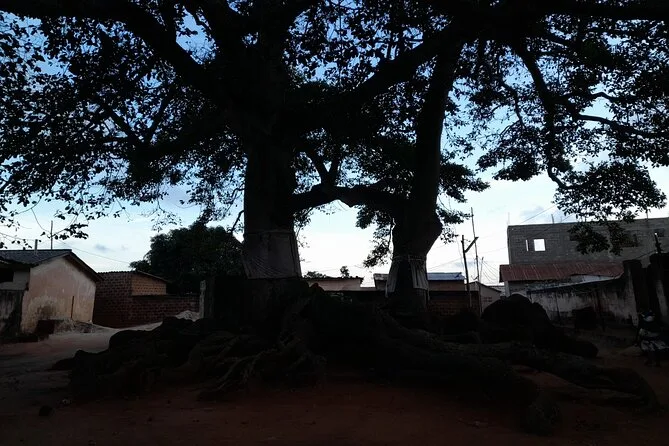
- Explore Twin Tree and vodou convent
- Lunch at Miadjoé or Hotel du Lac
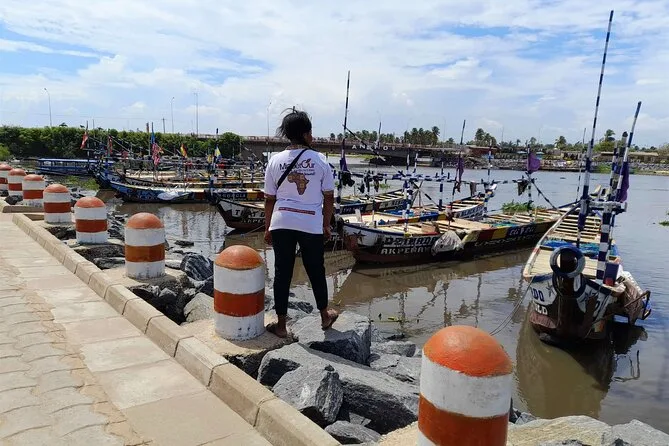
- Visit Lake Togo and Atlantic Ocean mouth
- Visit sacred Epe-Ekpe site

The Experience
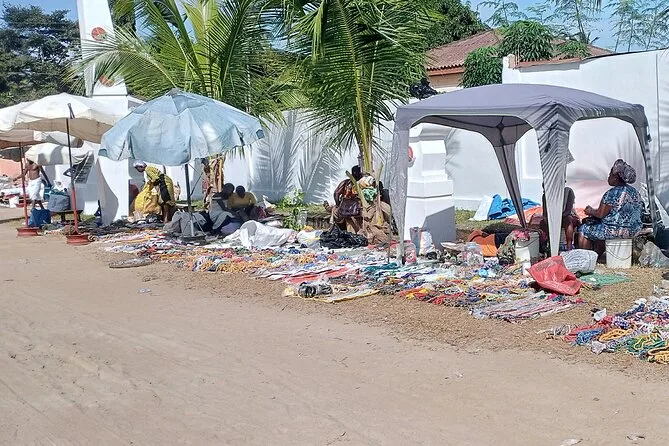
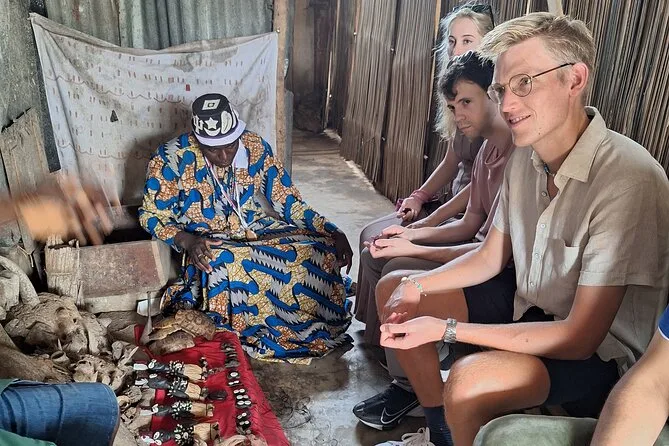
I didn’t expect the air to feel so thick when we stepped out in Agbodrafo — it was early but already warm, with that salty tang you get near the coast. Our guide, Kossi, had this gentle way of explaining things; he started us at the fetish market, which honestly made me a bit uneasy at first. Animal bones and feathers everywhere, little bottles with mysterious liquids. He laughed when I asked about one charm (I probably mispronounced it), but then explained how each piece meant something to someone here. The smell of herbs mixed with dust stuck to my clothes for hours.
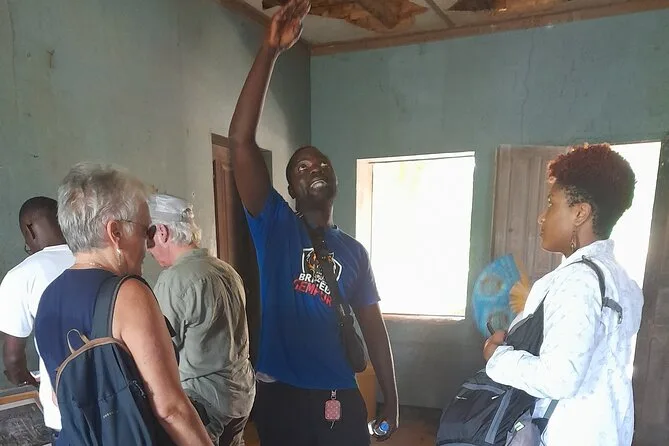
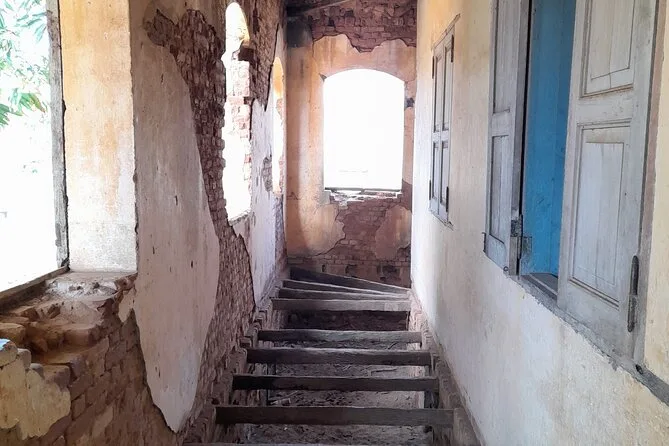
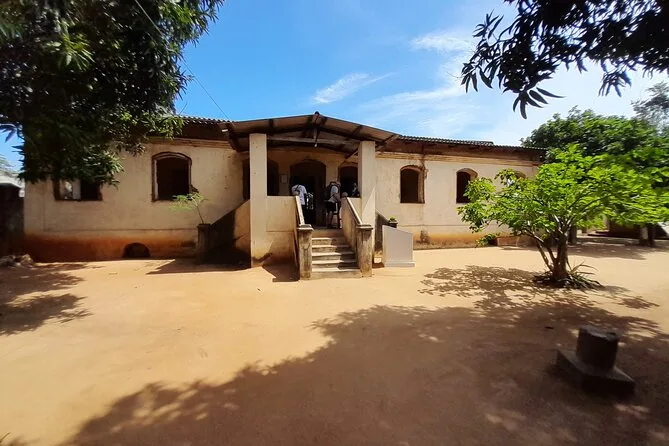
The Agbodrafo Slave House was next. It’s hard to write about that part — the rooms are small and dark, and I could hear my own footsteps echoing off the stone. Kossi didn’t rush us. He just let us stand there for a while. There were old chains on display and faded documents behind glass; I caught myself tracing the wall with my fingers, almost without thinking. It’s not an easy stop but it felt important — like you can’t really understand Togo without facing this history head-on.
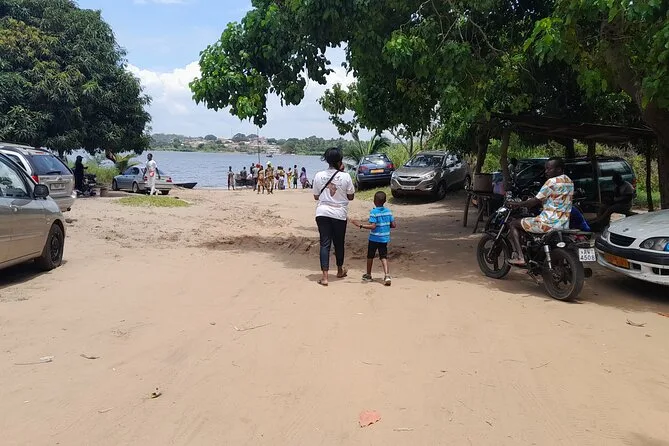
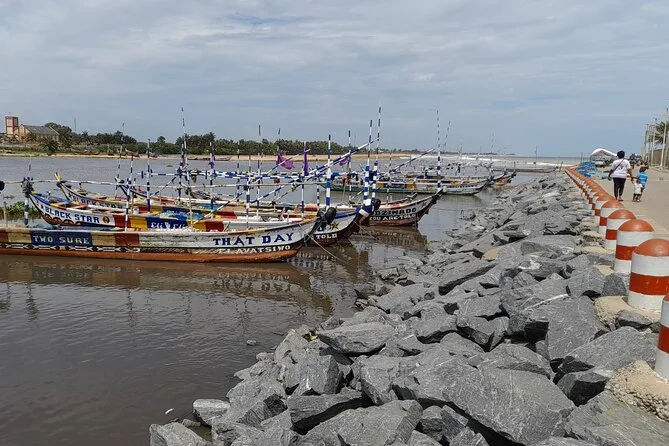
After that heaviness, crossing Lake Togo by canoe felt like breathing out again. The water was calm except for our paddles dipping in and out — a couple of fishermen waved as we passed by. Togoville itself is quieter than I expected; we wandered up to Notre-Dame du Lac Cathedral where sunlight spilled through colored windows onto cool tile floors. Some locals were praying softly inside, their voices echoing in a way that gave me goosebumps.
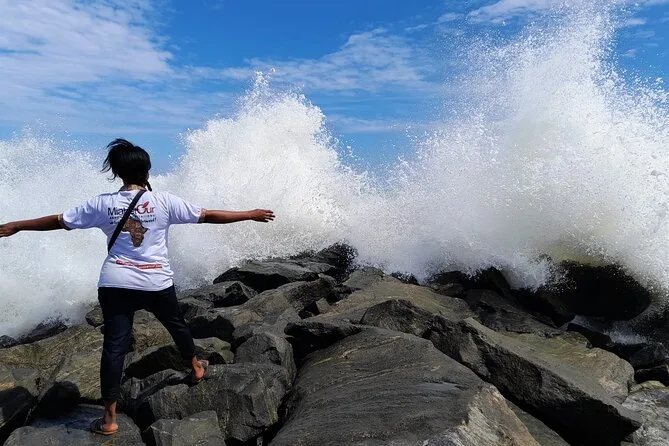
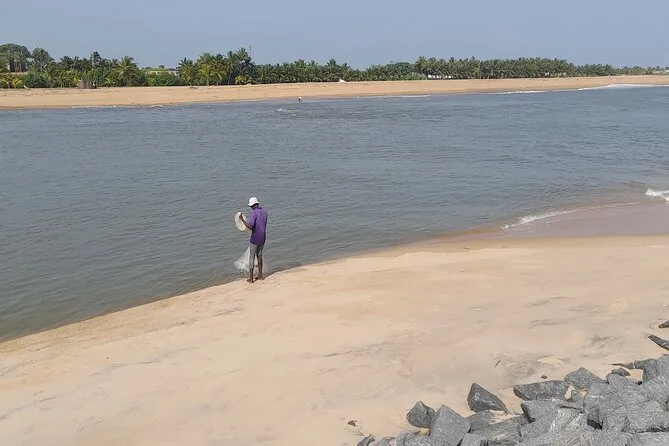
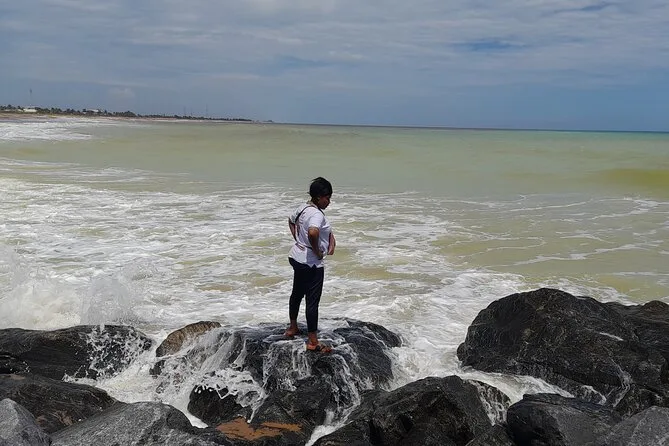
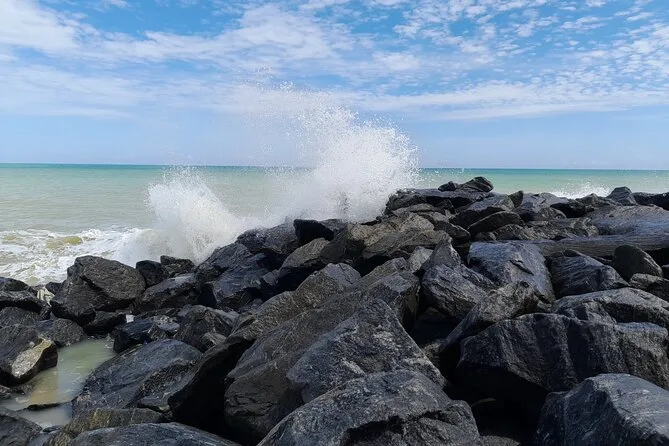
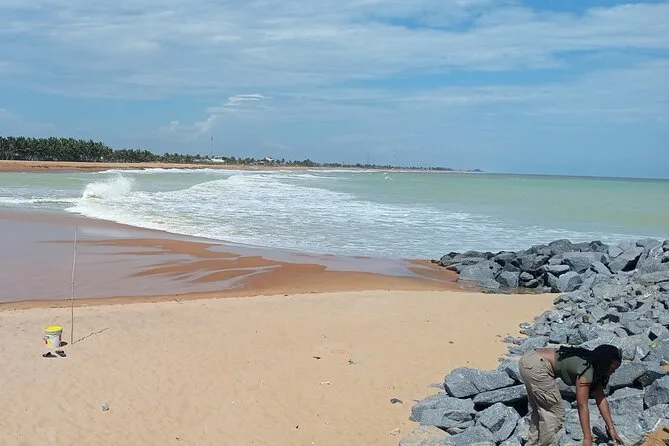
Lunch was at Miadjoé (I still think about their spicy fish), then we drove toward Aneho where Lake Togo meets the Atlantic Ocean — you can actually see where freshwater turns salty if you look close enough. There’s this wild energy at the mouth of the lake: wind picking up sand, kids chasing each other along the shore, someone selling coconuts under a faded umbrella. We ended at a sacred site tied to Epe-Ekpe — no ceremony that day but Kossi told stories anyway, his hands moving as if he could summon history right there.

What’s included
Your day includes pickup in an air-conditioned vehicle from Lomé or nearby areas, entry fees for all sites visited (including Agbodrafo Slave House), bottled mineral water throughout the journey, a traditional lunch at Miadjoé or Hotel du Lac, plus guidance from knowledgeable locals who share stories along every stop before returning in the evening.
Operated by Miabétour
Traveler reviews
More experiences you might like
 Agbodrafo, Togoville & Aneho: Guided Day Tour with History★ 4.45 (22)6h–8hEN · IT +2US$ 172
 Lomé: Palace of Governors & Fetish Market Private TourPrivate full-day Lomé tour with Palace of Governors, Independence Square, National Museum, and fetish market. Air-conditioned vehicle and refreshments included.★ 4.35 (17)6h–8hEN · IT +2US$ 148View ›
Top questions
How long is the day trip from Lomé to Agbodrafo, Togoville & Aneho?
The tour lasts a full day with several stops including lunch.
Is hotel pickup included for this tour?
The tour includes pickup; check details when booking.
What do you see at the Agbodrafo Slave House?
You visit preserved rooms used during the slave trade era and view artifacts and documents related to its history.
Do you cross Lake Togo by boat?
Yes, you cross Lake Togo in a traditional canoe guided by local fishermen.
Is lunch provided during the tour?
Yes, lunch is included at Miadjoé or Hotel du Lac.
Are there religious or cultural experiences on this trip?
You visit Vodou sites and Notre-Dame du Lac Cathedral in Togoville; sometimes sacred ceremonies can be observed if scheduled.
Is this tour suitable for all fitness levels?
Yes, it is suitable for all physical fitness levels.
What should I bring for this day trip?
Bottled water is provided; light clothing and sun protection are recommended due to warm weather.
Agbodrafo, Togoville & Aneho: Guided Day Tour with History
6h–8h · EN · IT +2 · at your hotel
from US$ 172 per person
★★★★★★★★★★4.4522 reviewsVerified traveler reviews via our booking provider
